
Do you sometimes find yourself scrolling through a friend’s activity online and thinking, “Are they acting a little different?” We all hit phases, but some changes can be driven by something less fun than a new TV obsession. Money troubles are often subtle: skipped brunches, suddenly mastering DIY, or choosing movie nights over weekend trips. Below are 11 unexpected signs that someone close to you might be tightening their budget. Not every sign proves financial strain, but together they can offer a clearer picture of what’s happening in someone’s life.
They’ve Started Bringing Lunch from Home

Credit: pexels
Bringing a brown bag instead of buying lunch can be a simple way to save. Research shows many young adults rely on financial help from friends and family for basic expenses, and a sudden shift from eating out to packing a lunch could indicate efforts to reduce everyday spending.
They Stay Home on Weekends More Often

Credit: Wikimedia Commons
Weekend getaways and frequent outings cost money. Many people now opt for staycations—choosing free or low-cost activities at home. If someone who used to travel or go out every weekend suddenly prefers staying in, they may be cutting discretionary expenses.
They Decline Invitations More Often

Credit: pexels
Choosing to skip social events can come from many places, including cost concerns. Surveys show a sizable portion of people avoid socializing because of expense. If an outgoing friend suddenly turns down invitations, it may be worth considering whether financial pressure plays a role.
They’ve Become Obsessed with Coupons and Discounts

Credit: flickr
Using coupons and hunting discounts has grown, especially online. While some people do it out of habit or to be frugal, a sudden and dramatic increase in couponing or constantly searching for deals can indicate that someone is trying to stretch a limited grocery or household budget.
They Call Less Frequently

Credit: pexels
Reduced phone calls might mean a lot of things, but limited calling plans and reliance on Wi‑Fi for communication are more common among people with tight budgets. If someone who used to call regularly switches to texts or avoids calls, it could be because they’re watching phone costs.
They’ve Lost Their Party Persona

Credit: pexels
Going out less often and choosing quieter gatherings could reflect financial priorities. Studies show younger adults are spending less on nights out than previous generations. If someone who once led the party scene chooses low-key meetups, they may be reallocating money toward essentials.
They’ve Taken Up DIY Projects

Credit: pexels
Many homeowners and renters turn to do-it-yourself fixes to save on repair bills. If someone who rarely handled home projects before suddenly starts repairing appliances, fixing minor plumbing issues, or tackling renovations themselves, they may be cutting costs by avoiding paid services.
They Drive Less and Use Public Transport More

Credit: pexels
Owning and operating a car can be costly, especially when fuel prices rise. An increase in public transit use or choosing to carpool and ride buses more frequently—especially by someone who used to drive everywhere—can reflect a deliberate effort to lower transportation expenses.
They Seem Very Interested in Freebies
Credit: flickr
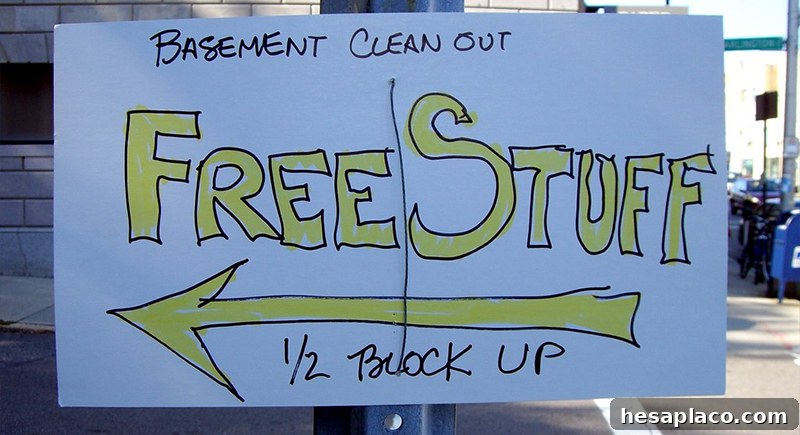
Platforms for giving away unwanted items and community free cycles have grown in popularity. If someone who habitually bought new things now seeks handed-down items or chooses free offers first, it can signal tighter financial circumstances and a need to reduce spending on nonessentials.
They Withdraw Socially or Disappear for Periods

Credit: flickr
Financial strain often affects mental health, contributing to anxiety and depression that can make people pull away. If someone who used to be available and engaged becomes distant or disappears for extended periods, emotional stress linked to money problems might be a cause.
They Stop Being Brand Loyal

Credit: pexels
When budgets get tight, many consumers switch from name brands to store-brand alternatives to save money. If a friend who was once loyal to specific brands now buys generic or private-label products, it may reflect careful cost-cutting rather than a change in taste.
Recognizing these signs can help you be more empathetic and offer support. Money is a private and sensitive topic; approach conversations gently and without judgment. Sometimes just being present, listening, or offering non-monetary help—like sharing a meal or suggesting low-cost activities—can make a meaningful difference for someone navigating financial stress.