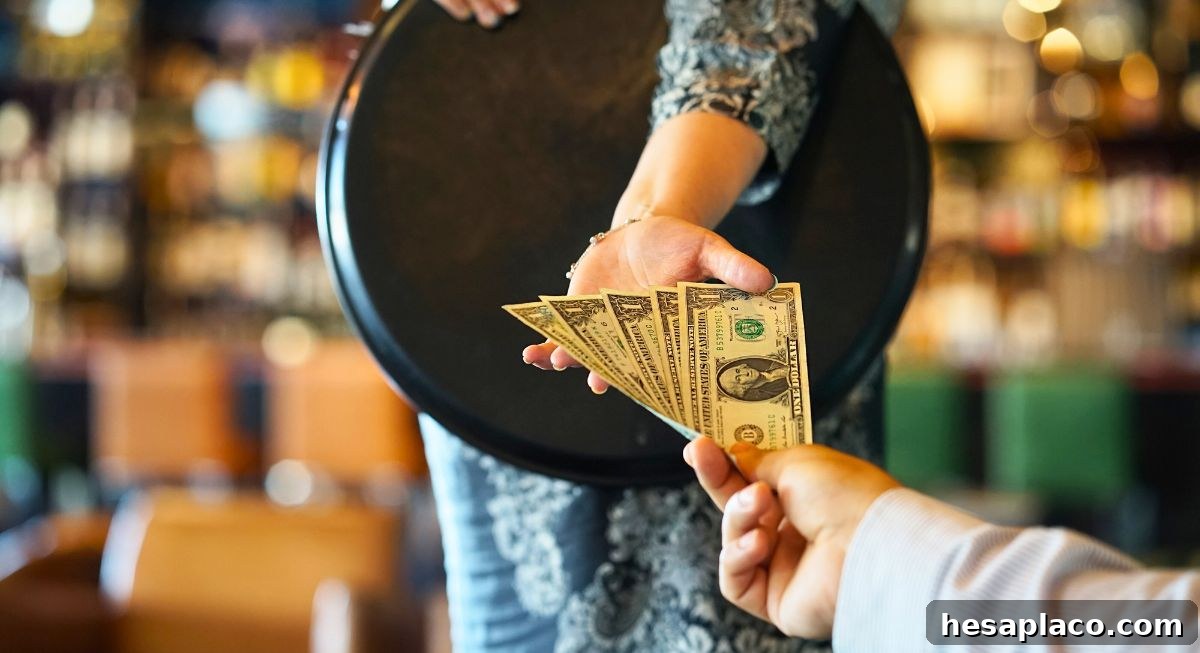
Tipping has long been a part of many service interactions, but in recent years the practice has spread into unexpected places, leaving many customers frustrated. What used to be a voluntary reward for exceptional service now often feels mandatory, automated, or misplaced. Below are examples of how tipping culture has expanded far beyond traditional settings and why many people view these developments as excessive.
Self-Serve Kiosks Prompting Tips
Credit: Facebook
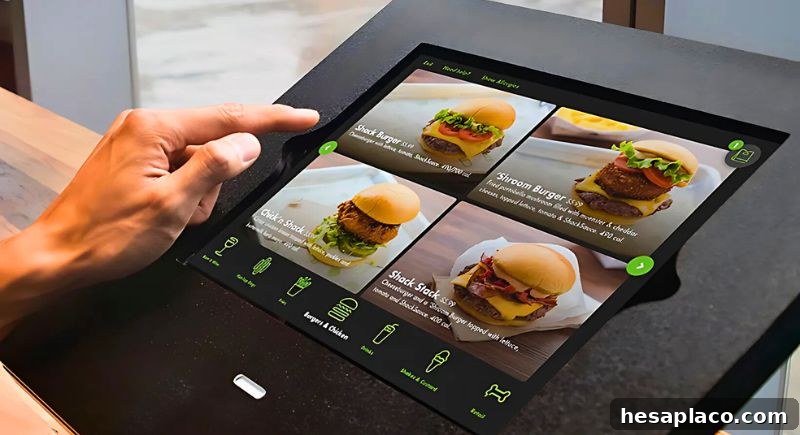
Automation has reduced human interaction in many retail and dining experiences, yet tipping prompts now appear even at self-service kiosks. Customers who only tap a screen to place an order find themselves asked to add a gratuity for staff they never met. For many, tipping in that context feels inappropriate because the service provided was minimal or entirely machine-driven.
Tip Jars at Fast Food Counters

Credit: Getty Images
Tip jars are increasingly visible in places that historically didn’t expect gratuities, like fast food restaurants. Customers who seek quick, low-cost meals are now confronted with jars at the counter or checkout asking for tips. This shift blurs the line between casual, low-cost service and the expectation to contribute extra, which many find surprising and uncomfortable.
Being Asked to Tip at the Register

Credit: Canva
Some restaurants and retailers now request a tip up front at the register, even before service has started. Buffets and quick-service chains have tested this approach, asking patrons to add a gratuity as they enter. Many customers object to tipping in advance because it removes the link between service quality and the decision to reward it.
Tip Prompts After Online Purchases
Credit: Canva
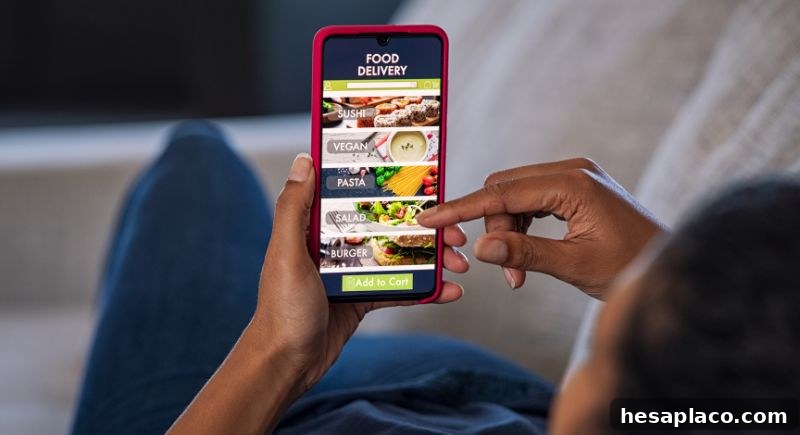
Online shoppers have reported being asked to tip fulfillment or packing staff after completing digital orders. When the purchase, payment, and fulfillment are largely handled by systems and warehouses, customers question whether tipping is meaningful or if it simply shifts employer responsibility for fair pay onto buyers.
Tipping Salaried Professionals

Credit: Getty Images
Customers have also encountered tipping requests from licensed or salaried professionals such as technicians, exterminators, and contractors. After a service call, card machines can display a tip screen, prompting customers to add a gratuity for someone who is typically paid through wages or contract fees. Many consumers feel this practice blurs professional boundaries and unfairly transfers compensation decisions to clients.
Mandatory Gratuity at Entertainment Venues

Credit: Canva
Some entertainment venues have implemented substantial automatic gratuities that customers must pay before enjoying services. One reported case involved a bowling alley charging a 30% gratuity applied to drink orders. When tips become effectively mandatory and are applied as surcharges, customers lose the option to reward genuinely exceptional service.
Tipping in Retail Stores

Credit: Canva
Retail employees are sometimes now listed among workers whom customers should tip—whether for assistance picking a pair of jeans or for fitting room help. While personalized service can merit appreciation, signage encouraging tips for basic retail assistance has many shoppers questioning whether this expectation is appropriate for standard retail transactions.
All-Inclusive Vacations and Surprise Tips

Credit: Canva
Travelers on all-inclusive trips have reported surprise tip requests despite paying upfront for lodging, meals, and activities. When an all-inclusive package advertises “no additional charges,” unexpected prompts for gratuities can leave guests feeling misled and uncertain about whether tipping is required to receive basic services already covered by their booking.
Baristas Prompted for Tips for Simple Orders

Credit: Getty Images
Coffee shops have become a frequent battleground in tipping debates. Customers ordering basic items, like a plain black coffee, report receiving persistent prompts to add a tip at the point of payment. Many patrons feel tipping should be reserved for notable service rather than routine beverage preparation.
Rideshare App Tipping Norms
Credit: flickr
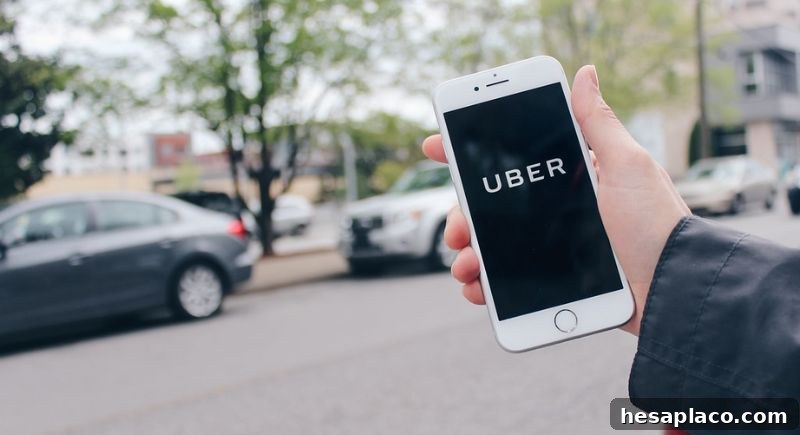
Rideshare platforms like Uber and Lyft include built-in tipping options, making it easy to add a gratuity after each ride. While many riders use these options to reward exceptional drivers, critics argue that fares should be set at a level that fairly compensates drivers without relying on optional tips to fill gaps in income.
High Default Tip Percentages
Credit: pexels
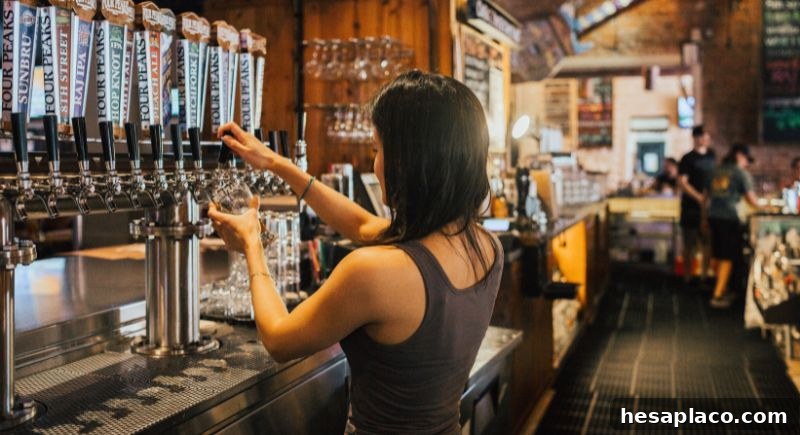
Default tip options on digital payment devices have sometimes increased significantly, presenting customers with suggested percentages well above traditional norms. Patrons who expect to tip 15% may be surprised by default recommendations in the 25–30% range. These defaults can bias customers toward higher gratuities and create tension when they feel pressured to comply.
Drive-Thru Windows and Tip Requests
Credit: Canva
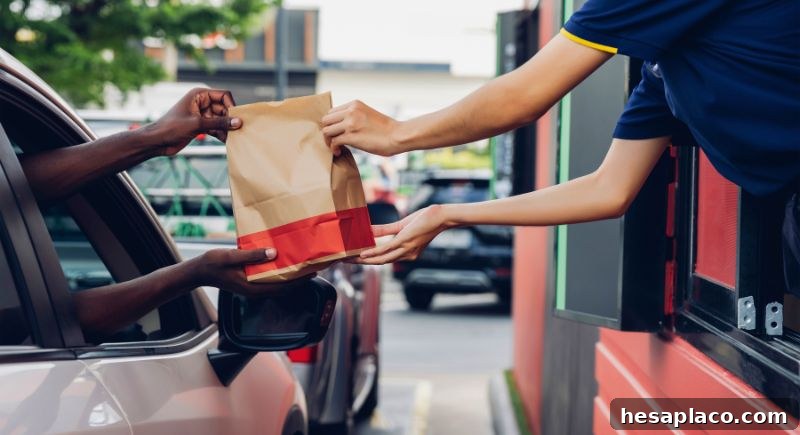
Even drive-thru customers at fast-food chains have encountered tip prompts, either on in-lane signage or on payment terminals. Many drivers expect a quick transaction when using the drive-thru and are confused or annoyed by requests to add a gratuity for a largely transactional, low-contact exchange.
Tipping After Casual Conversations

Credit: pexels
In one of the more surprising developments, customers have reported being asked to tip after brief or casual interactions, such as a friendly conversation in a café. When tipping expectations extend beyond clear service exchanges, it creates awkward social dynamics and uncertainty over when a gratuity is or isn’t appropriate.
Hotel Staff and Unexpected Helpers

Credit: iStockphoto
Hotel guests sometimes encounter pressure to tip staff beyond the usual roles of bellhops and housekeepers. For example, guests arriving after long travel are occasionally prompted to tip staff members who assist briefly with luggage or directions. While a small tip for carrying bags can be appreciated, guests report feeling fatigued by frequent and sometimes unexpected requests.
As tipping expectations expand, consumers and service workers alike are left navigating a more complex and often uncomfortable landscape. The debate centers on fairness: should employers provide reliable wages and affordable pricing instead of relying on customer tips, or is tipping still a valuable tool for rewarding exceptional individual service? Until clearer norms and practices emerge, many patrons will continue to push back against what they see as an overreach of tipping culture.