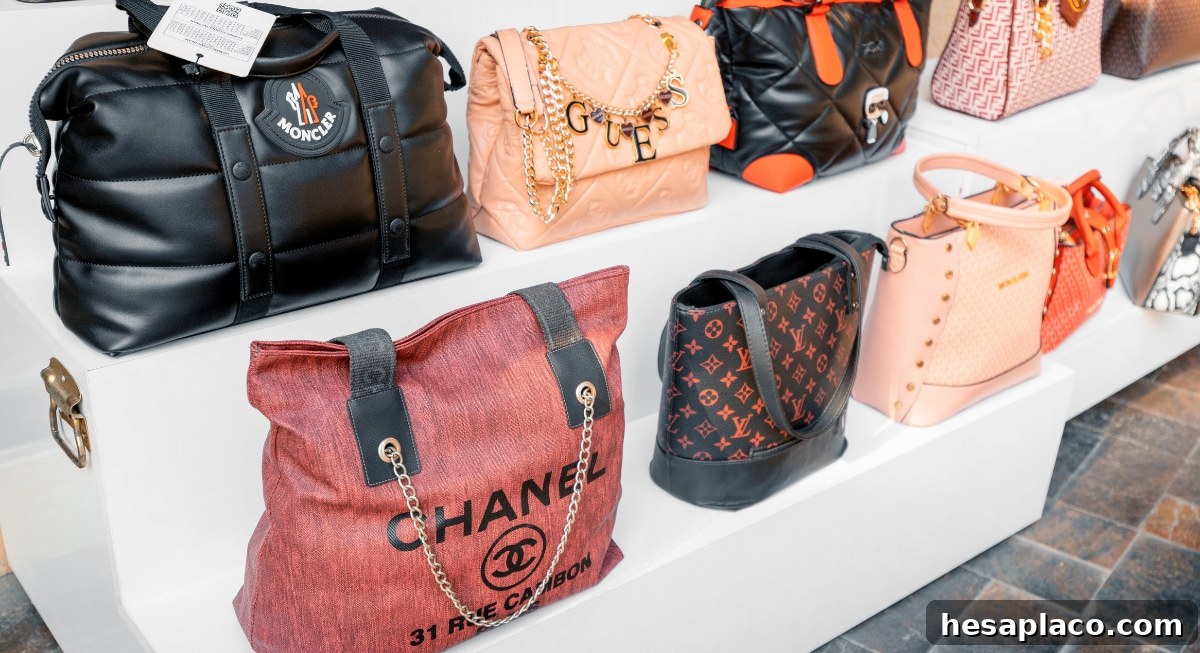
Most people, including you, probably see luxury and major fashion brands as symbols of wealth, refinement, and status. That image is the result of intentional design, careful marketing, and strict control over distribution. These companies decide what reaches stores, how it is priced, and who can buy it.
That same control often extends to products that don’t sell. Rather than letting those items circulate through discount outlets or secondary markets, many firms remove them altogether. The primary reason is to protect the brand image they have spent years building and to prevent price erosion or unauthorised resale.
Burberry

Credit: Wikimedia Commons
Burberry sparked public outrage when it revealed it had destroyed £28.6 million worth of goods in a single year, including clothing, accessories, and fragrances. The company said the measure prevented unauthorised resale and protected the brand’s value. Public pressure, however, forced the company to reconsider the practice and announce plans to stop burning unsold items.
Cartier
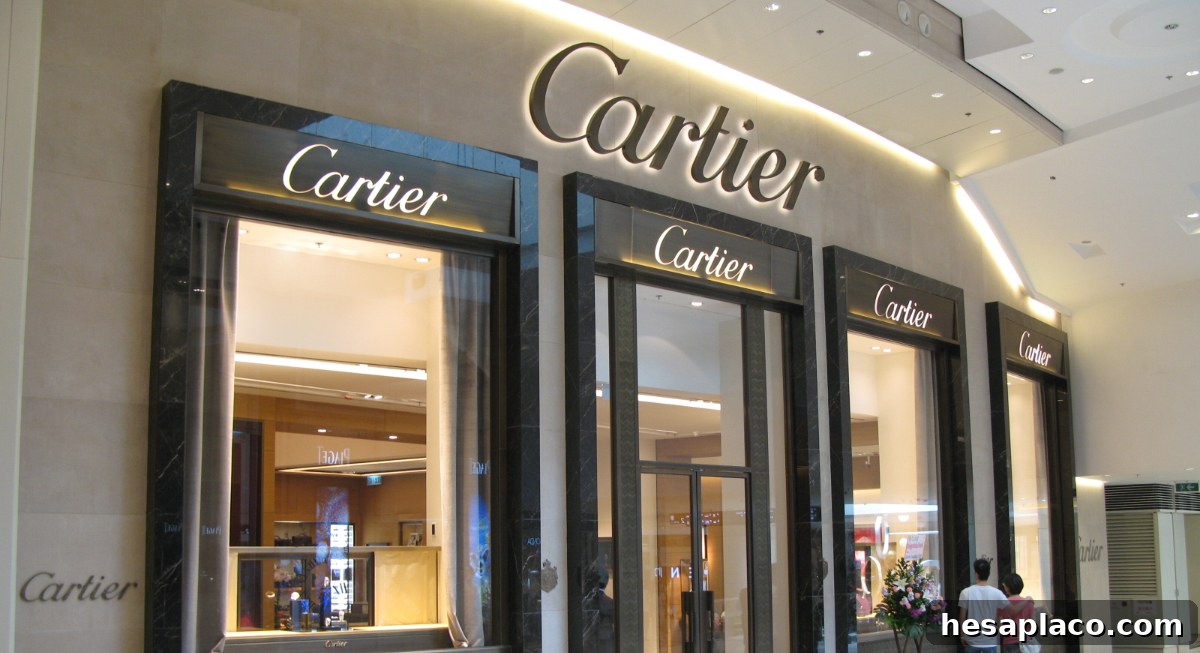
Credit: Wikimedia Commons
As part of the Richemont group, Cartier exerts tight control over what remains in the market. The brand has confirmed that unsold watches and jewellery are often removed from circulation rather than discounted. Even items with minor defects are frequently taken out of the supply chain instead of being repaired and resold, a policy driven by the desire to protect pricing and the brand’s prestige.
Louis Vuitton
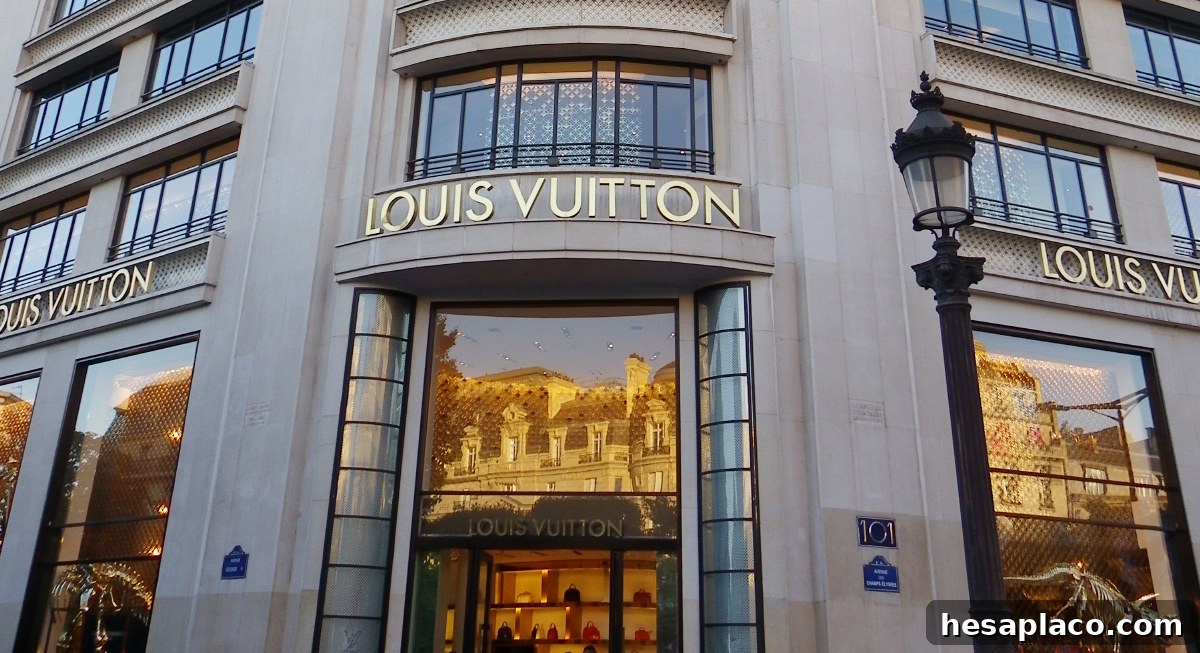
Credit: Wikimedia Commons
Sales at Louis Vuitton are virtually unheard of by design. The company avoids discounting to preserve exclusivity and perceived value. Products that fail to sell at full price are reportedly removed from circulation. There are accounts suggesting employees sometimes damage or deface items to ensure they cannot be resold, reinforcing the brand’s strict approach to managing excess stock.
Chanel
Credit: Wikimedia Commons
Chanel tightly controls distribution, limiting products to select boutiques, prestige department stores, and official channels that reflect the brand’s image. That selective approach extends to unsold merchandise: leftovers are kept out of unauthorised markets so they never appear in outlets or channels that could undermine the brand’s pricing or positioning.
Hermès
Credit: Wikimedia Commons
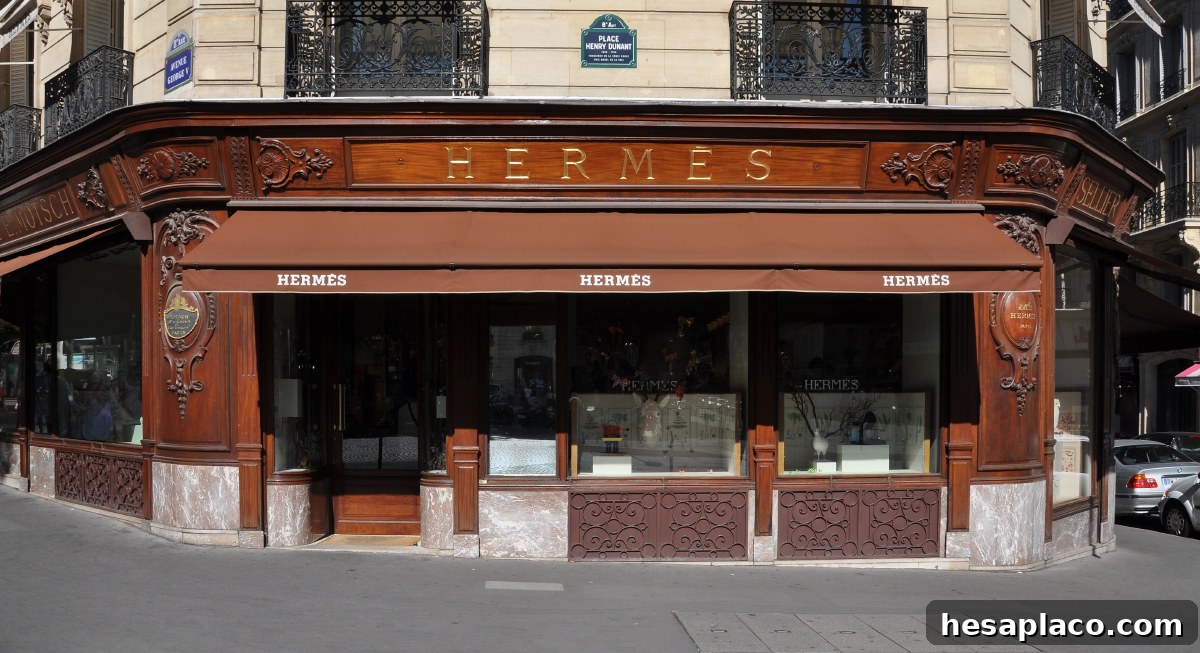
Hermès is renowned for uncompromising quality standards. Items that do not meet exacting criteria—sometimes for very minor imperfections—can be rejected and removed from stock. Many such pieces remain functional and would be acceptable to most buyers, but strict internal standards mean a portion of annual production never reaches the retail floor.
Prada
Credit: Wikimedia Commons
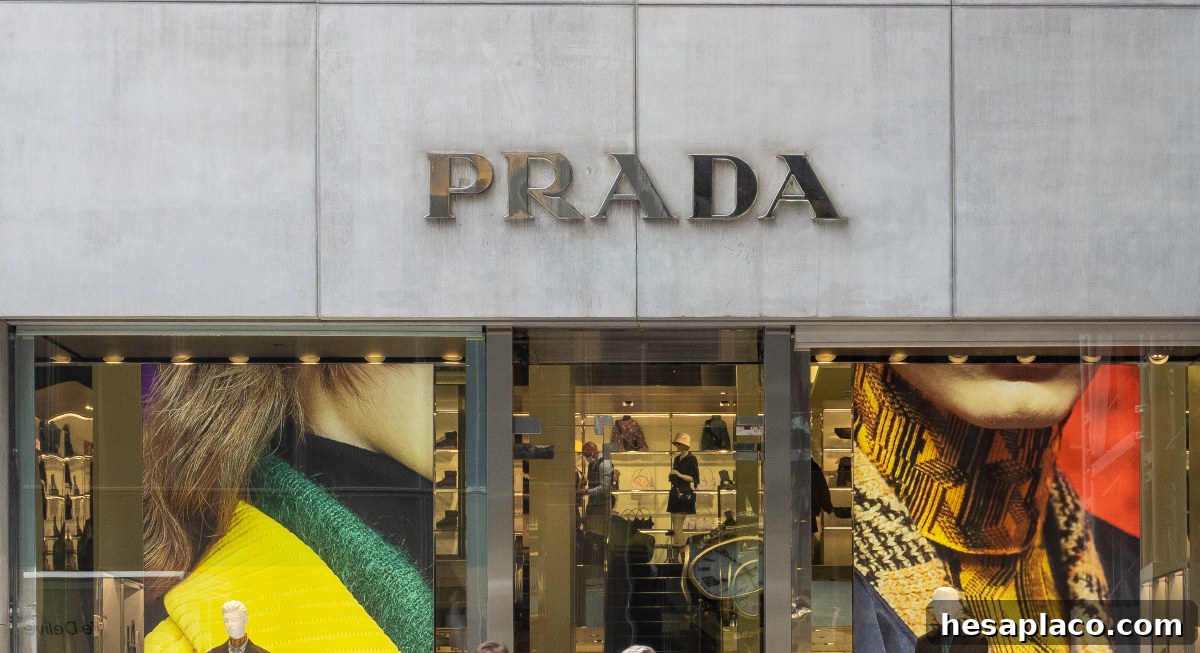
Prada has promoted sustainability initiatives such as using recycled materials, yet reporting has shown the brand also destroyed goods valued at nearly €30 million. Prada says it removes excess inventory to protect brand equity and reduce counterfeiting risk, but the contrast between sustainability messaging and destruction practices has drawn scrutiny.
Gucci
Credit: Wikimedia Commons
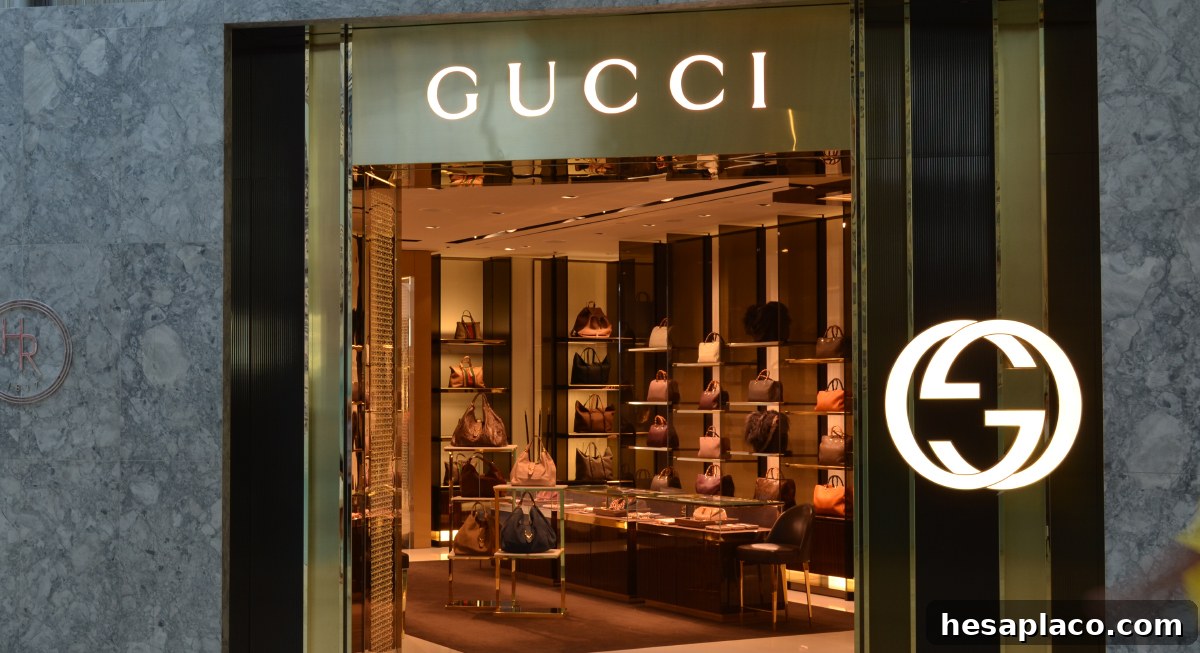
Former employees say Gucci routinely removes excess stock through internal processes, even as the brand publicly promotes product longevity and repair initiatives. Clothing, shoes, and accessories that don’t sell within a season are among items said to be taken out of circulation, while the company also supports repair and authorised resale programs.
Nike
Credit: Wikimedia Commons
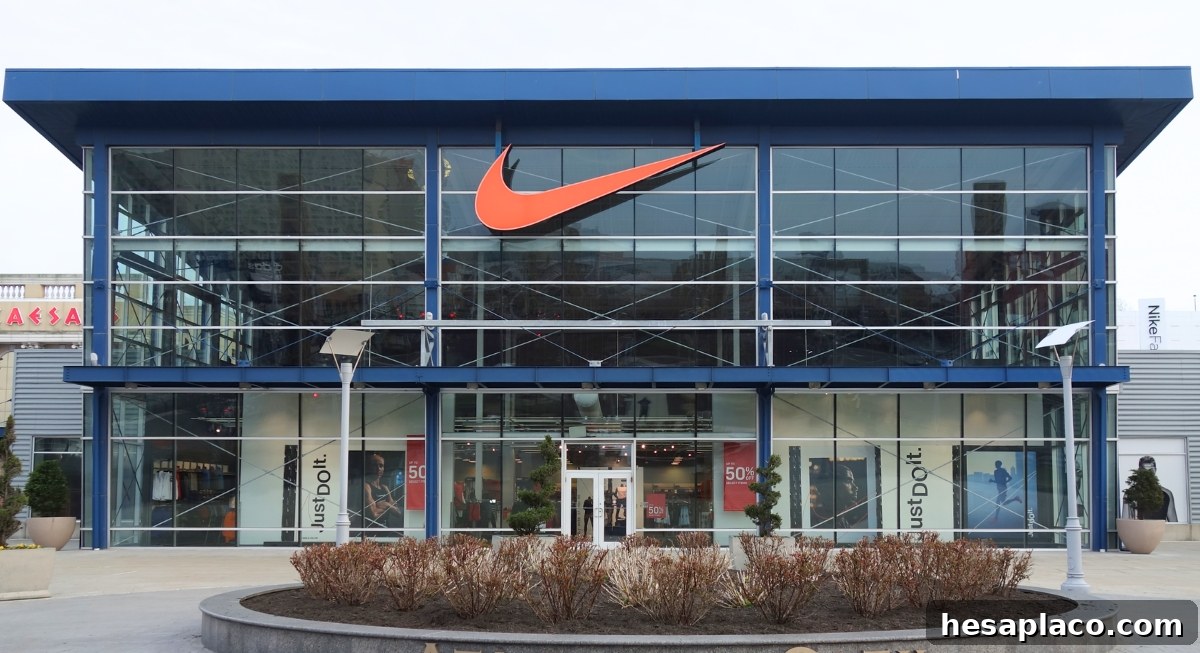
A viral video showed Nike staff cutting new shoes before disposal, which the company said was meant to reduce liability and prevent items from re-entering the market. Investigations indicated many of the discarded products remained serviceable, prompting debate about whether alternative approaches could reduce waste while preserving product and brand standards.
H&M
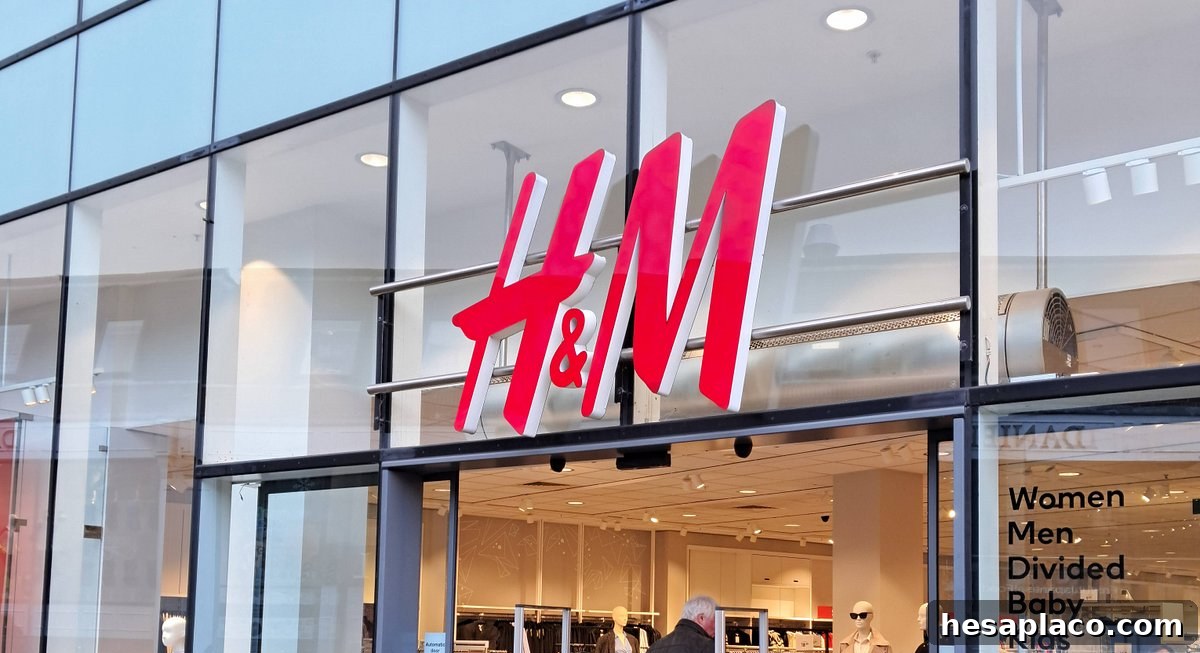
Credit: Tripadvisor
Investigations into H&M’s practices followed concerns about sustainability and waste. Reports found the company burned roughly 60 tons of clothing over several years, even while promoting recycling efforts. H&M stated that burning was used to generate energy for heating, but critics argue that reducing production would be a more effective way to tackle overconsumption and waste.
Victoria’s Secret

Credit: Facebook
Victoria’s Secret has frequently cited hygiene concerns as the reason for discarding returned intimate apparel, and reports indicate new unsold items have also been destroyed. Former employees described being asked to cut items before disposal to prevent any possibility of reuse, a practice the company has defended on sanitary grounds.
The destruction of unsold merchandise raises complex questions about sustainability, corporate responsibility, and how brands balance exclusivity with environmental impact. While companies defend these measures as necessary to protect brand value and prevent counterfeiting, growing public scrutiny is pushing many to rethink wasteful practices and seek alternatives that align with sustainability commitments and consumer expectations.