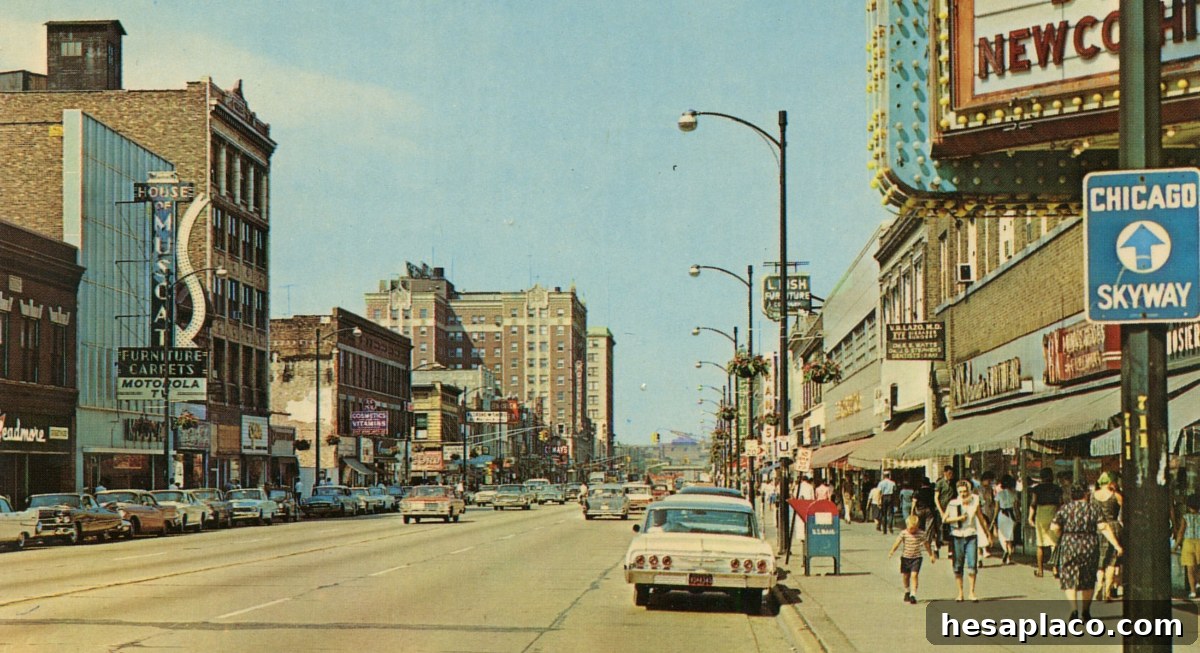
Neighborhoods that once attracted the nation’s elite now stand as faded reminders of past prosperity. These were the streets where ambitious people sought inspiration and opportunity; today many sit largely abandoned, their stately homes and commercial districts waiting for a new chapter in their histories.
Detroit’s Brush Park – Michigan
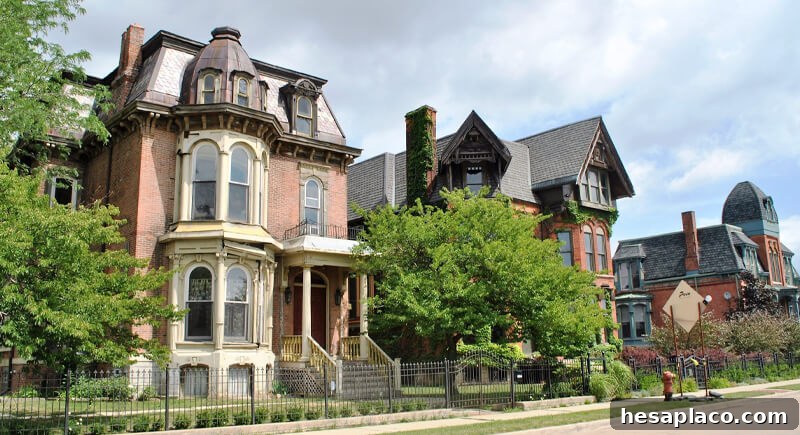
Credit: Wikimedia Commons
Brush Park in Detroit was once one of the city’s most affluent neighborhoods, filled with grand mansions and elegant streetscapes. In the late 19th and early 20th centuries it housed prominent figures such as brewer Frederick Buhl and other business leaders. Over time, economic shifts and population decline left many residences empty, turning Brush Park into a quiet, ghostly reminder of Detroit’s earlier boom years.
Gary’s Downtown District – Indiana
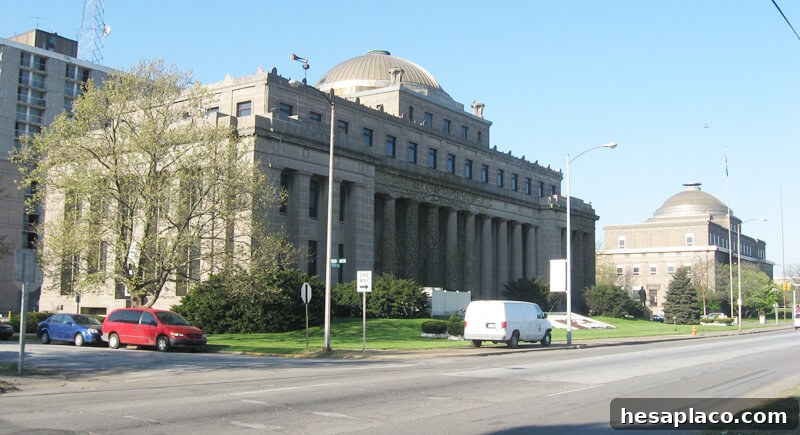
Credit: Wikimedia Commons
Gary’s downtown once buzzed with cultural diversity and industrial wealth, bolstered by executives and workers from U.S. Steel and related industries. The area was home to people from many backgrounds and cultures, drawing a varied urban population. As the steel industry contracted, jobs vanished and downtown vitality faded, leaving behind vacant storefronts and a landscape of decline.
Cairo’s Commercial District – Illinois
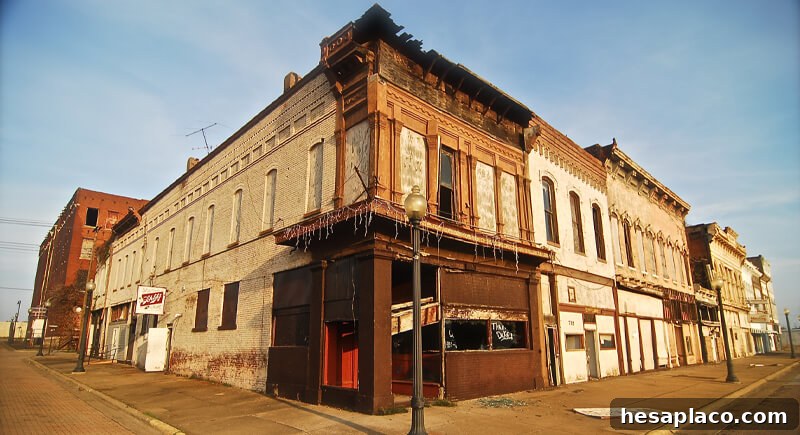
Credit: Wikimedia Commons
Cairo’s Commercial District grew around river and rail commerce and once supported prosperous merchants and business owners such as lumber magnate George Parsons. Over the decades, changes in transportation, economic opportunities, and social tensions contributed to its decline. Today the district’s empty buildings and weathered facades stand as haunting markers of a once-thriving riverfront economy.
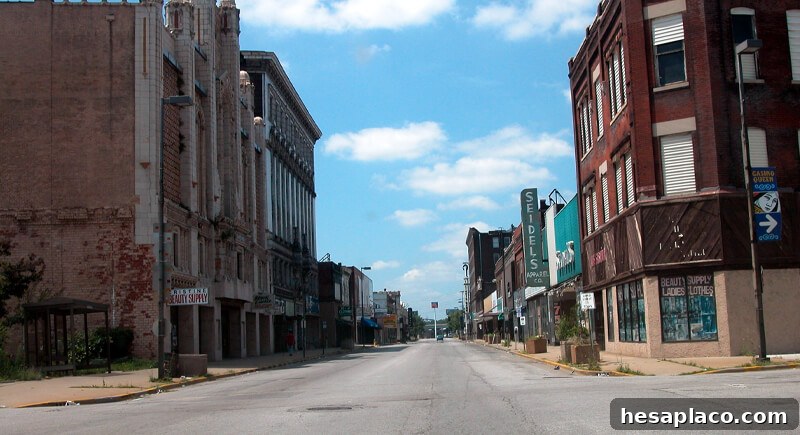
East St. Louis – Illinois
Credit: Wikimedia Commons
East St. Louis developed alongside the industrial success of nearby St. Louis and once featured affluent neighborhoods occupied by successful businessmen and civic leaders. Notable residents included figures connected to the region’s commercial expansion. As industry and investment moved elsewhere, the area lost population and economic momentum, leaving behind broad swaths of underused property and quiet streets.
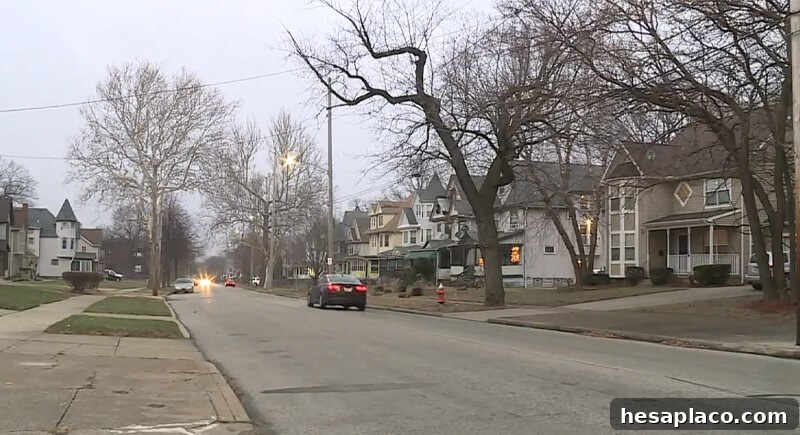
Cleveland’s Hough Neighborhood – Ohio
Credit: Youtube
Hough in Cleveland was once a desirable neighborhood where affluent families and notable figures lived, shaped by the city’s industrial wealth. In its heyday it attracted well-to-do residents and showcased attractive housing stock. Economic shifts and social change diminished Hough’s prosperity, and many historic properties now sit empty or await redevelopment into new housing and community spaces.
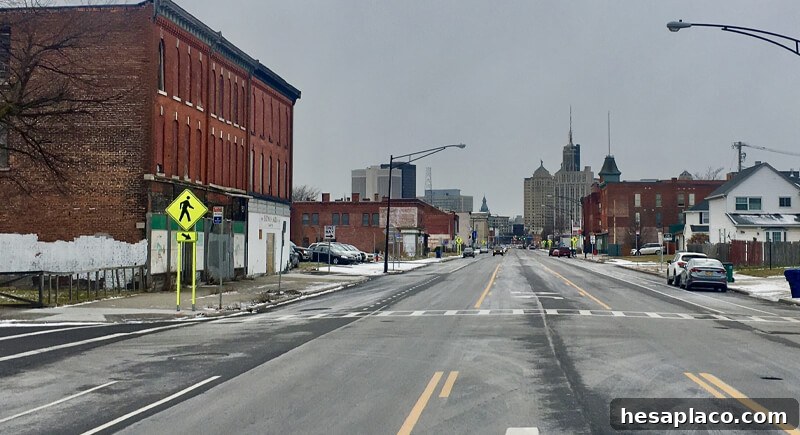
Buffalo’s East Side – New York
Credit: Wikimedia Commons
Buffalo’s East Side was shaped by the city’s connections to rail and shipping and became home to wealthy residents, including industry leaders such as railroad magnate William Fargo. Grand homes and a bustling local economy defined the neighborhood for decades. Today, many buildings stand vacant, testifying to the broader economic changes that reshaped Buffalo in the 20th century.
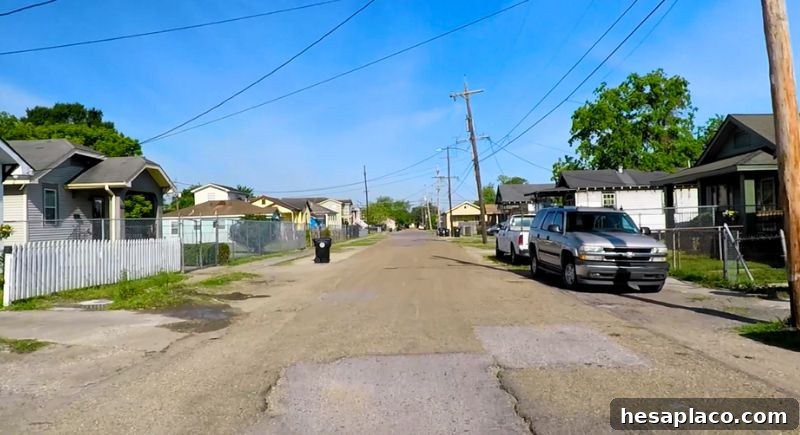
New Orleans’ Lower Ninth Ward – Louisiana
Credit: Youtube
The Lower Ninth Ward was once a vibrant New Orleans neighborhood known for its music, culture, and prominent residents like R&B and rock ’n’ roll pioneer Fats Domino. Its lively streets and distinctive homes reflected a rich cultural life. Natural disasters and disinvestment over time left large portions of the neighborhood damaged or abandoned, and the area continues to work toward recovery and renewal.
Baltimore’s West Side – Maryland
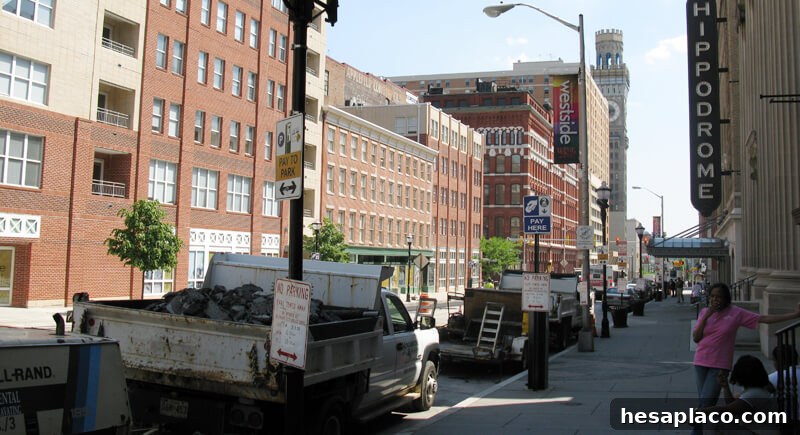
Credit: Wikimedia Commons
Baltimore’s West Side once featured elegant homes and a culturally rich streetscape that attracted affluent residents, including industrialists like Robert Garrett. Over time, population shifts and changing economic centers reduced demand for these neighborhoods, and many properties were vacated as residents moved to newer suburbs or other urban areas.
New York City’s South Bronx – New York
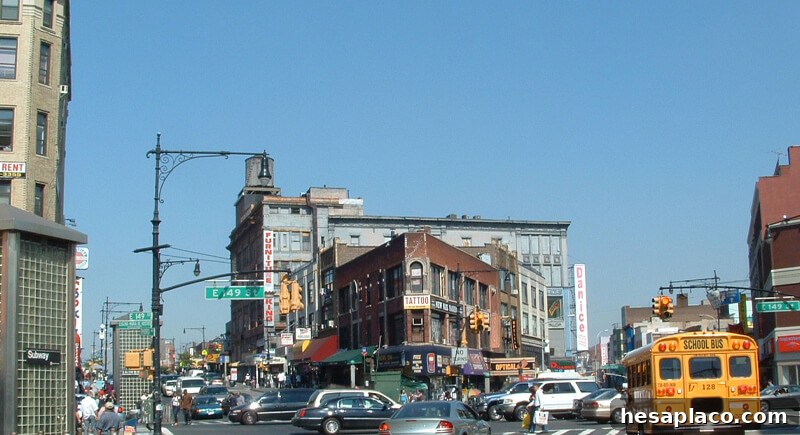
Credit: Wikimedia Commons
The South Bronx was once home to many of New York’s prosperous residents and featured elegant brownstones and strong cultural life. In earlier decades it attracted prominent families and industrialists, contributing to a vibrant urban character. Later economic decline, fires, and disinvestment left large parts of the neighborhood vacant, though ongoing community efforts and development have sought to restore vitality in many areas.
Pittsburgh’s Hill District – Pennsylvania
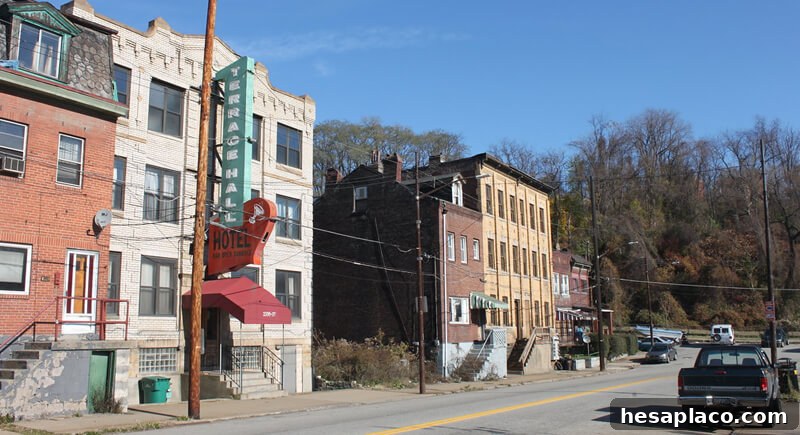
Credit: flickr
The Hill District in Pittsburgh was once a cultural and social hub, famous for its vibrant jazz scene and lively neighborhoods. It drew celebrated residents and performers, including boxing legend Joe Louis. Economic changes and urban renewal programs altered the neighborhood’s fabric, leaving behind empty lots and historic buildings that now await revitalization.
Detroit’s Highland Park – Michigan
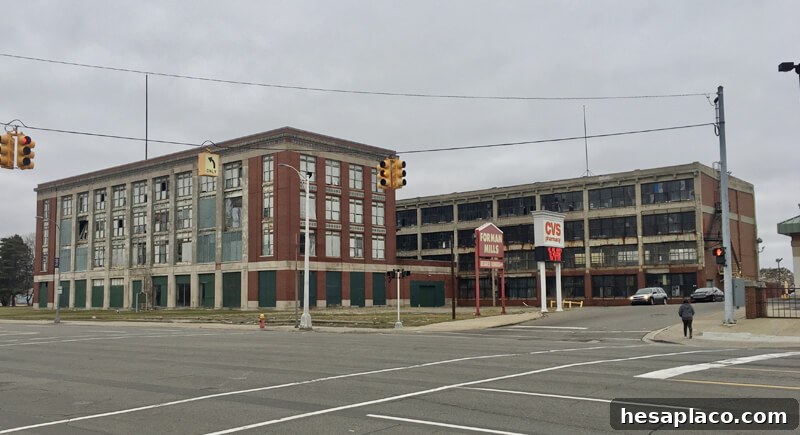
Credit: Wikimedia Commons
Highland Park, a neighborhood within Detroit’s broader metropolitan area, once showcased stately homes and tree-lined streets that signified local prosperity. It was associated with automotive pioneers like Henry Ford during the city’s industrial peak. As manufacturing declined and population shifted, many Highland Park properties were left vacant or fell into disrepair, making it another example of neighborhoods seeking reinvestment.
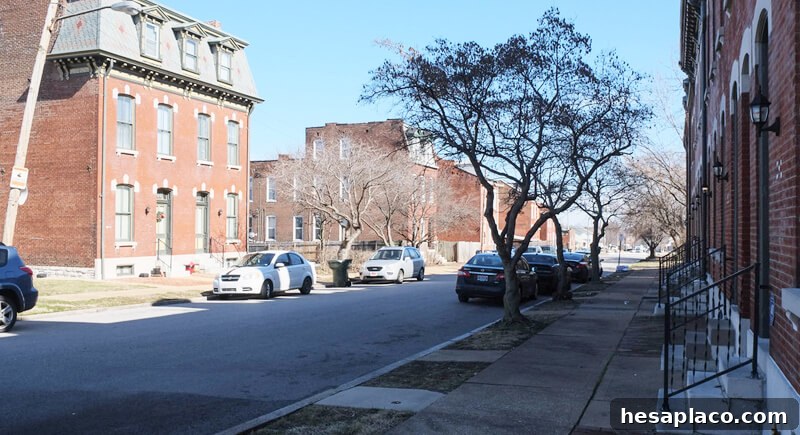
St. Louis’ North Side – Missouri
Credit: flickr
St. Louis’ North Side once offered grand architecture and a thriving business environment that attracted wealthy residents, including brewery magnate Adolphus Busch. The neighborhood’s impressive homes and commercial activity reflected an era of local prosperity. Over time economic shifts and suburbanization diminished its prominence, leaving many historic properties in need of restoration and renewed investment.
These neighborhoods each tell a chapter of American urban history: places that rose with industry and commerce, nurtured cultural life and influential residents, and later faced disinvestment and decline. While some areas have seen pockets of revitalization, many remain quiet, their empty streets and boarded windows a powerful reminder of how cities evolve—and how renewal often depends on renewed investment, community engagement, and time.