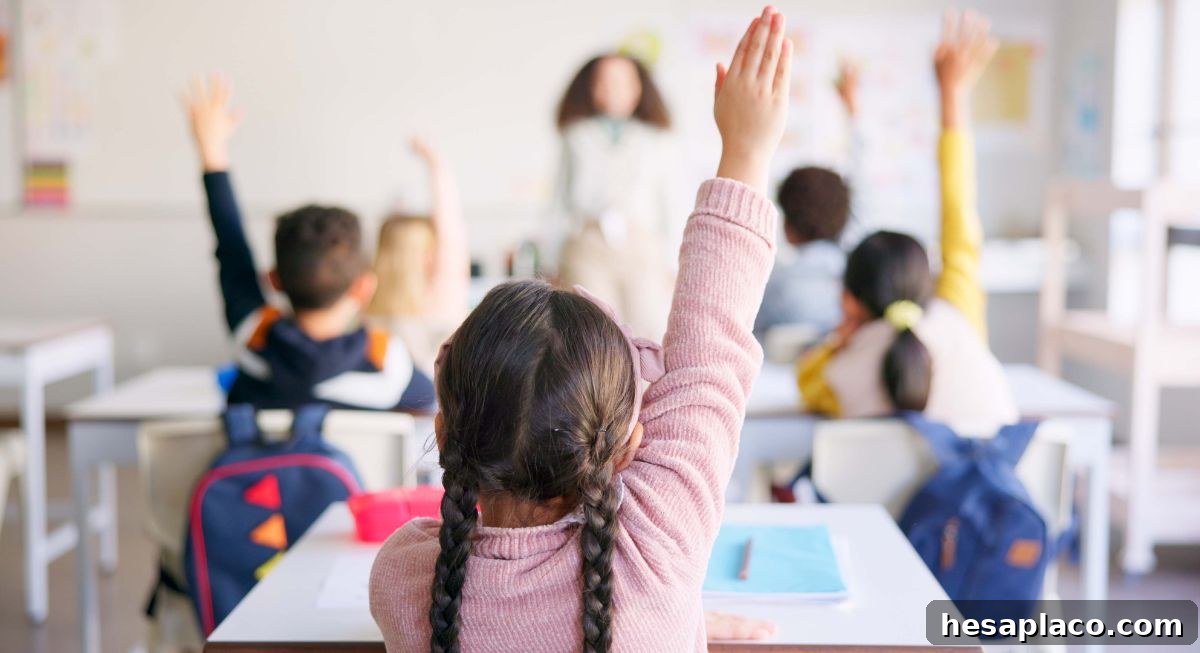
The American dream promises equal opportunity for all, yet the reality of education reveals deep inequalities. Every child deserves a high-quality education, but socioeconomic status often determines the resources, support, and outcomes students receive. The following 14 differences illustrate how educational experiences diverge for children from wealthier families compared with those from low-income backgrounds.
Funding Disparity
Credit: freepik
School funding varies widely by district, and that gap has real consequences. High-poverty districts receive significantly less funding per student than affluent districts, which affects staffing, facilities, learning materials, and class sizes. Wealthier schools often maintain smaller classes and broader course offerings, while underfunded schools struggle with overcrowding and limited programming.
Extracurricular Activities

Credit: freepik
Access to extracurricular programs like music, sports, and enrichment clubs is often tied to school resources and family income. Higher-income preschools and schools are more likely to offer a wide range of after-school and enrichment activities that promote creativity, teamwork, and personal growth. Students in lower-income settings frequently face reduced access to these developmental opportunities.
Advanced Placement (AP) and College Prep

Credit: freepik
Opportunities for college-level coursework and structured college preparation are unevenly distributed. Students in wealthier schools often have greater access to AP classes, test preparation, and guidance for college applications, which can provide a competitive advantage in admissions. Many schools serving low-income communities lack the staff or resources to offer robust AP programs and comprehensive college-prep support.
Teacher Quality and Turnover

Credit: freepik
Teacher recruitment and retention differ across school contexts. Under-resourced schools often face higher rates of teacher turnover and shortages of experienced, specialized staff. Frequent staff changes disrupt continuity of instruction and can hinder student learning, while stable, well-supported teaching teams in wealthier schools help maintain consistent academic progress.
Parental Involvement

Credit: freepik
Parental engagement in school activities, volunteering, and support at home is correlated with income and work flexibility. Parents with higher incomes and more flexible schedules are often more able to attend events, participate in school governance, and help with homework. Families in low-income communities may face long work hours, multiple jobs, language barriers, or transportation constraints that limit their ability to be as involved.
Technology Integration

Credit: freepik
The digital divide remains a significant barrier to equitable learning. Students from higher-income households are far more likely to have reliable access to computers, broadband, and up-to-date devices at home. Limited access to technology and internet services reduces opportunities for online learning, research, and skill-building in an increasingly digital world.
College Counseling

Credit: iStockphoto
Access to college counseling and individualized guidance varies dramatically. Many high schools, particularly those in underfunded districts, lack dedicated college counselors. Without consistent guidance on course selection, applications, scholarships, and financial aid, students from low-income schools are less prepared to navigate the complex college admissions and funding processes.
Exposure to the Arts

Credit: freepik
Arts education—music, theater, visual arts—enriches creativity, critical thinking, and cultural awareness. Yet budget constraints often force arts programs to be reduced or cut in low-income schools, while wealthier schools can sustain and expand arts offerings. This discrepancy affects students’ opportunities to explore talents and develop well-rounded skills.
Safe Learning Environment

Credit: freepik
Safety and stability in the school environment are essential for learning. Schools in high-poverty areas face greater challenges related to violence, inadequate facilities, and community instability. Such conditions can create stress and distraction, reducing students’ ability to focus and succeed academically.
Parental Expectations

Credit: freepik
Expectations at home influence student aspirations and academic choices. Parents with higher education levels and incomes often expect and encourage college attendance, which can shape children’s goals and preparation. Conversely, financial pressures and limited exposure to higher education can make college seem less attainable for students from low-income families.
Early Childhood Education

Credit: freepik
High-quality preschool and early learning experiences lay the groundwork for later success. Children from higher-income families are more likely to attend preschool programs that promote language, social skills, and early literacy. Limited access to quality early education for children in poverty can create developmental gaps that persist throughout their schooling.
School Supplies and Uniforms

Credit: freepik
Costs for school supplies, uniforms, and other basic needs can create barriers for low-income families. When students lack proper materials or clothing, they may feel stigmatized or distracted. Schools and communities that can absorb these costs reduce stress for families and help students remain focused on learning.
Field Trips and Cultural Experiences

Credit: iStockphoto
Educational outings such as museum visits, performances, and field trips expand students’ horizons and cultural literacy. Budget constraints and transportation costs often limit these experiences for schools in low-income areas, reducing students’ exposure to broader educational contexts and real-world learning opportunities.
College Debt Burden

Credit: freepik
Affording higher education remains a major concern. Students from wealthier families often receive direct financial support, reducing reliance on loans. In contrast, students from low-income backgrounds are more likely to finance college through debt, which can limit career choices and financial stability after graduation. The long-term costs of borrowing exacerbate socioeconomic disparities across generations.
Addressing these disparities requires comprehensive policy solutions, targeted investments, and community partnerships that expand access to quality teachers, early childhood programs, technology, and college preparation for all students. Equitable education is essential not only for individual opportunity but for the broader health and prosperity of society.