
In a world where many struggle to make ends meet, unscrupulous people often target those who can least afford it. The poor and vulnerable are frequently the focus of scams that exploit financial need and hope. Below is a clear, practical guide to 15 common scams that disproportionately prey on low-income and otherwise vulnerable individuals, with tips to recognize and avoid them.
The Payday Loan Scam

Credit: freepik
Payday loans advertise quick cash but can carry annual interest rates that equate to several hundred percent. Borrowers who use payday loans to cover emergencies can quickly fall into a cycle of rolling over debt and mounting fees. Before accepting short-term high-cost credit, compare alternatives such as community assistance programs, credit unions, or small personal loans with transparent terms.
Phony Job Offers

Credit: freepik
Scammers post fake job listings promising easy, high-paying work. They often request payment for background checks, training, or equipment and then vanish. Treat any job that requires upfront fees as suspicious. Verify employers through official company websites, look for independent reviews, and refuse to pay to apply or to start work.
Bait-and-Switch Rent Schemes

Credit: freepik
Rental scammers advertise apartments at attractive prices that either do not exist or have different terms than advertised. Victims arrive prepared to sign a lease only to discover misrepresentations or that someone else is leasing the unit. Always view a property in person, ask for the landlord’s identification, verify ownership through public records, and avoid sending deposits without a signed lease.
Utility Scams

Credit: freepik
Scammers impersonate utility company representatives and claim that service will be cut off unless an immediate payment is made—often demanding uncommon payment methods like gift cards or cryptocurrency. If you receive such a call, hang up and contact your utility provider using the number on your bill or the company’s official website to confirm the claim.
Medical Insurance Frauds

Credit: freepik
Fake health plans and fraudulent agents sell worthless insurance or collect premiums for policies that do not provide coverage. Because medical bills can be financially devastating, these scams are particularly harmful. Always verify a plan and the license of the agent through your state insurance department before paying premiums.
Disaster Relief Frauds
Credit: freepik
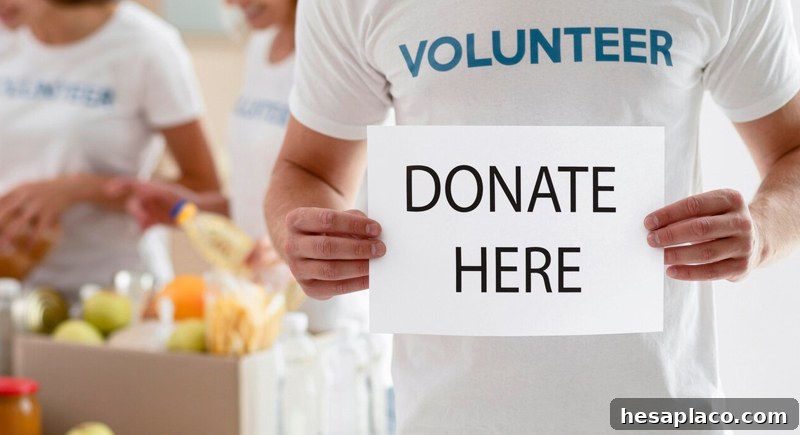
After natural disasters, fraudulent charities and individuals solicit donations for relief efforts that don’t exist. To ensure your contributions reach legitimate aid organizations, donate to well-known, verifiable charities or confirm a new relief fund’s credentials through trusted nonprofit registries.
Lottery and Sweepstakes Scams

Credit: pexels
Scammers tell victims they’ve won a prize but must pay a processing fee or tax before collecting winnings. Legitimate lotteries never require payment to claim a prize. Treat unsolicited notifications of wins with skepticism and verify with the official lottery organization.
The Grandparent Scam

Credit: freepik
This scam involves a caller pretending to be a distressed relative—often a grandchild—who claims to need money immediately. The caller pressures the target to send funds quickly. If you get such a call, stay calm, hang up, and contact the family member using a known phone number to confirm the situation.
Internet Love Scams

Credit: freepik
Romance scammers build emotional relationships online and then request money for fabricated emergencies, travel expenses, or visas. Since emotional investment makes victims more likely to send funds, stay cautious with online relationships that turn to financial requests. Never send money to someone you’ve only met online.
Debt Collection Scams

Credit: freepik
Fraudulent debt collectors may call, demand immediate payment for false debts, and use threats. Legitimate collectors must provide written verification of a debt and follow laws that protect consumers. Ask for written proof and consult a trusted advisor before making any payment.
Rental Scam

Credit: freepik
Similar to bait-and-switch schemes, some rental scams involve fake listings that lead victims to pay deposits for properties that are unavailable or do not exist. Protect yourself by meeting landlords in person, inspecting the property, and verifying ownership before giving any money.
Fake Scholarships

Credit: freepik
Some organizations charge fees to apply for scholarships or promise guaranteed awards for a price. Genuine scholarships do not require payment to apply or to receive funds. Students should use official school financial aid offices and well-known scholarship search services.
Tech Support Scams

Credit: freepik
Pop-up warnings or unsolicited calls claim your device is infected and offer costly “fixes.” Legitimate tech companies don’t make uninvited calls asking for remote access or payment. If you see alarming messages, disconnect from the internet, run trusted antivirus software, and consult a reputable technician.
Cheap Insurance Plans

Credit: freepik
Offers for extremely low-cost insurance may result in policies that provide little or no real coverage. Unscrupulous sellers collect premiums and leave policyholders unprotected when they need care. Always verify insurers through your state insurance department and read policy terms carefully before paying.
Credit Repair Scams

Credit: freepik
Companies that promise instant credit repair often use illegal tactics or take payment without delivering results. Improving a credit score legitimately takes time and consistent financial behavior. Avoid anyone who guarantees a quick fix or asks you to misrepresent information on your credit reports.
Scammers adapt, but awareness and caution are powerful defenses. Verify identities, demand written proof, use official channels, and consult trusted organizations before parting with money. If something seems too good to be true—or unusually urgent—take a step back and confirm the facts.