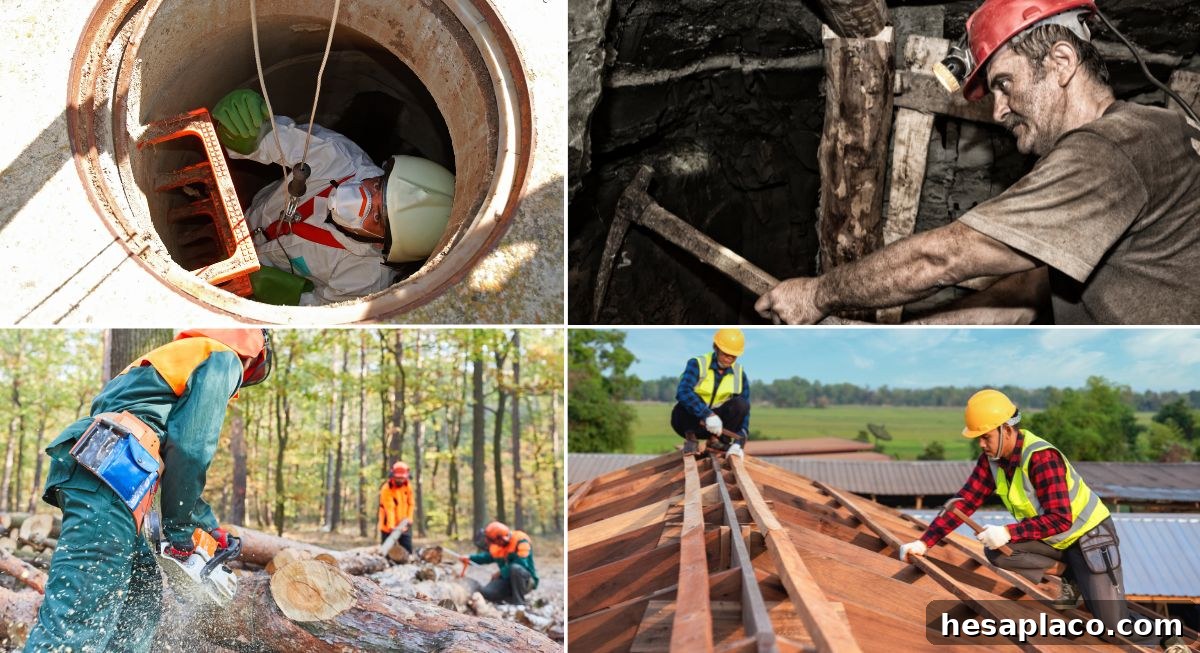
Life isn’t limited to comfortable office chairs and climate-controlled spaces. For many people, earning a living means pushing physical and mental limits every day. Below is a concise look at some of the toughest, most demanding jobs—work that makes many modern office tasks seem easy by comparison.
Commercial Fishing
Credit: Wikimedia Commons
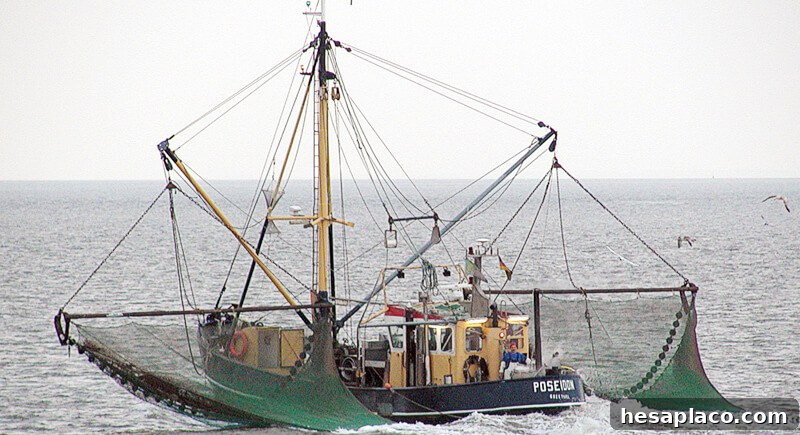
Commercial fishing is consistently ranked among the most dangerous occupations. Crews face severe weather, cold, and slippery decks while handling heavy gear and large catches. Long hours and remote conditions add to the physical and mental strain, all so consumers can enjoy seafood that required real risk to harvest.
Logging Workers
Credit: flickr
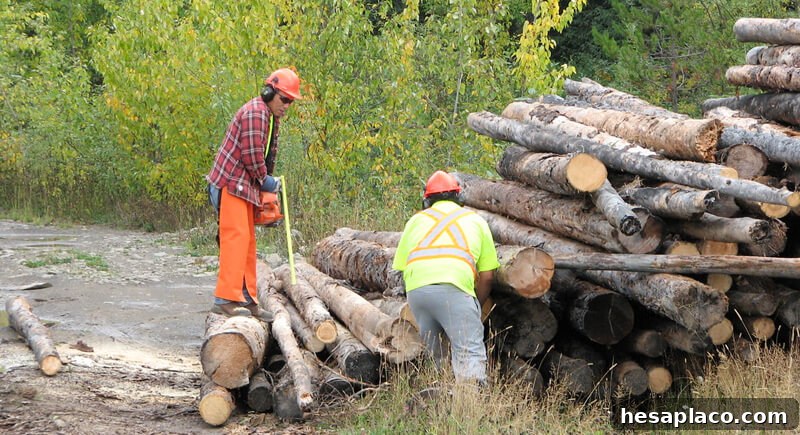
Logging is highly hazardous work. Workers operate heavy machinery, fell and process large trees, and often do so in remote locations. The constant risk of falling timber, equipment accidents, and difficult terrain makes safety a persistent challenge.
Cell Tower Climbers
Credit: flickr
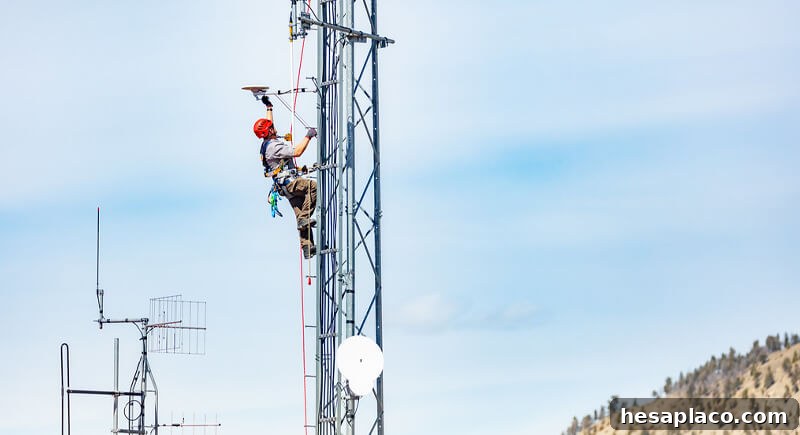
Technicians who climb cell towers work at extreme heights, sometimes hundreds or even thousands of feet above ground. Strong winds, icy surfaces, and the ever-present danger of falls make this job uniquely perilous. Their work keeps communications running, but it comes with serious physical risk.
Sanitation Workers
Credit: flickr
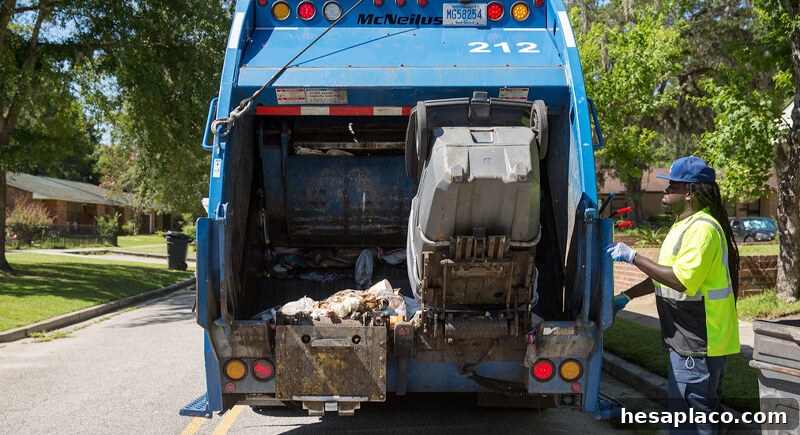
Sanitation workers perform essential services that protect public health, often under hazardous conditions. They face risks from vehicle traffic, heavy lifting, and exposure to dangerous materials while handling waste—physically demanding tasks that keep cities clean and functional.
Roofers
Credit: Wikimedia Commons
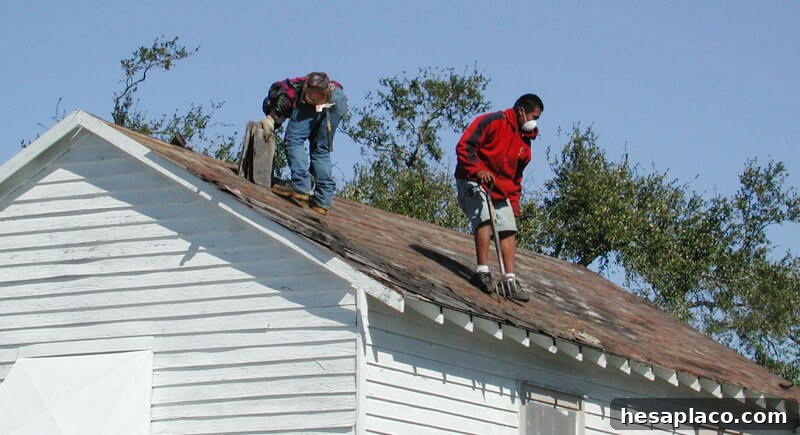
Roofing demands physical stamina and balance, with workers exposed to heights, hot surfaces, and extreme weather. Falls are a leading hazard, and prolonged sun exposure, heat, and repetitive motions contribute to injuries and long-term strain.
Alaskan Crab Fishers
Credit: Wikimedia Commons
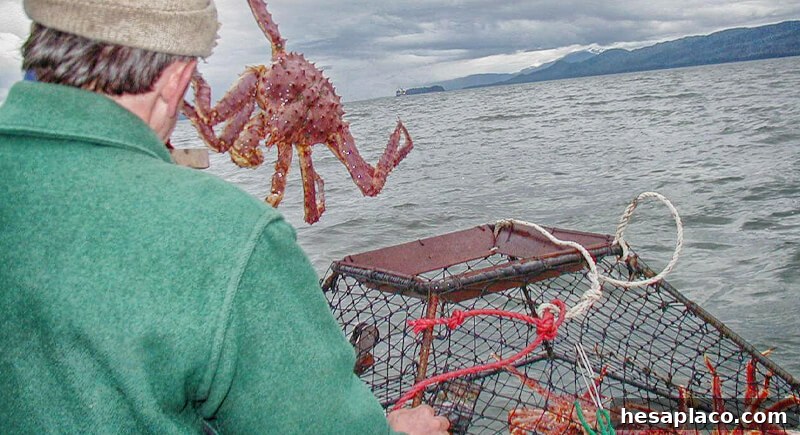
Crab fishing in Alaska is notable for extreme cold, violent seas, and a high rate of fatalities and injuries. Crews work long shifts in dangerous conditions, hauling heavy traps and working on wet, unstable decks—efforts that yield a prized but hard-won catch.
Sewer Workers
Credit: Wikimedia Commons
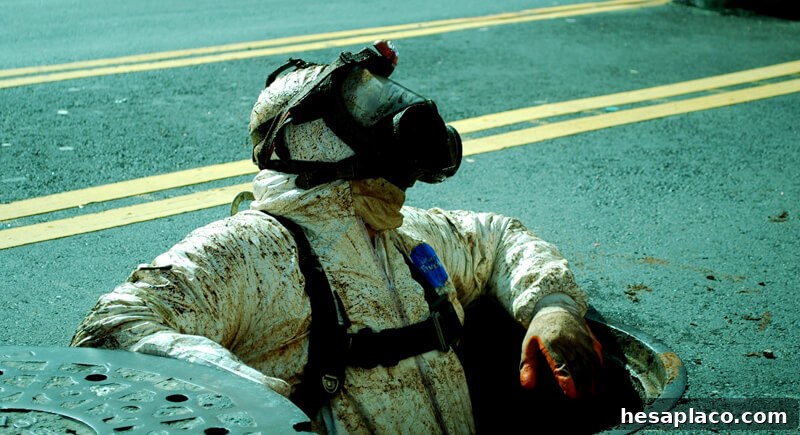
Sewer workers maintain underground systems that prevent flooding and protect sanitation. Their work requires entering confined spaces, often with hazardous gases, biological contaminants, and limited ventilation. It’s essential and physically demanding work that most people rarely see.
Oil Rig Workers
Credit: Wikimedia Commons
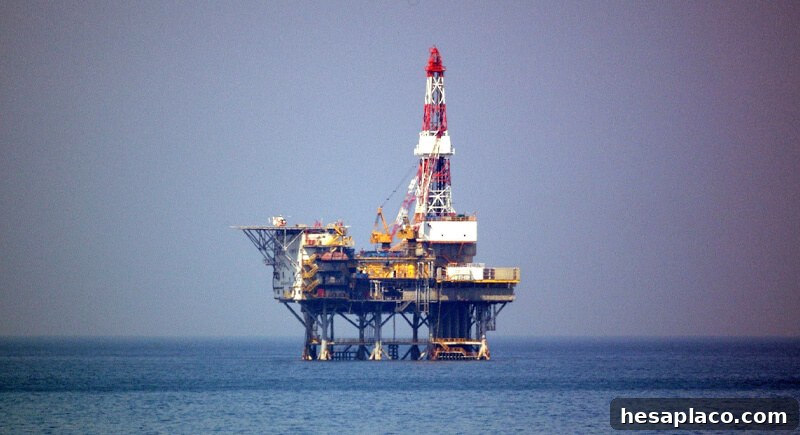
Working on offshore oil rigs involves isolation, heavy equipment, hazardous materials, and the risk of fire or explosion. Crews often work long rotations away from home in physically grueling conditions while managing complex, high-stakes operations.
Poultry Processors
Credit: Wikimedia Commons
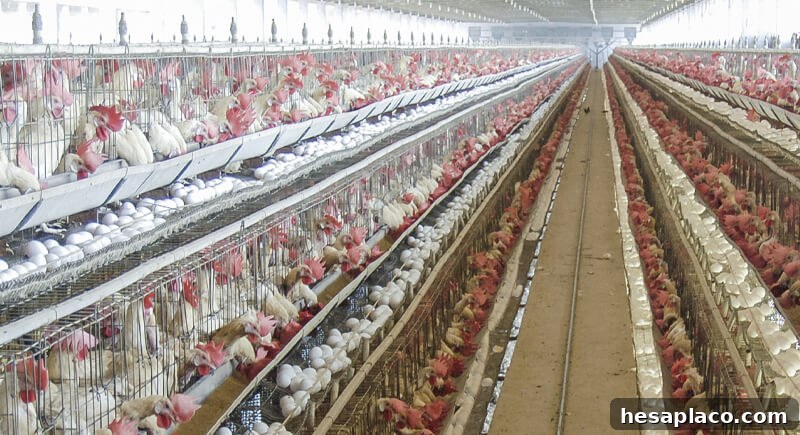
Poultry processing is fast-paced and physically repetitive, often carried out in cold, wet environments. Workers can face musculoskeletal injuries from repetitive motions, lacerations from sharp tools, and stress from intense production quotas.
Iron and Steel Workers
Credit: flickr
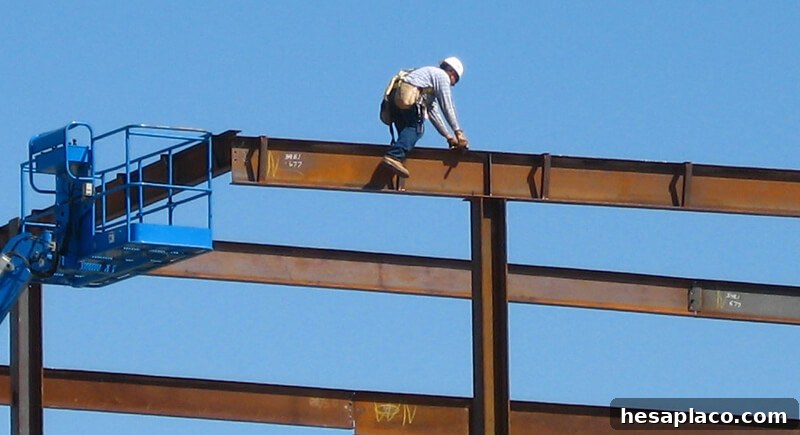
Iron and steel workers construct the skeletons of large buildings, often working at great heights on narrow beams. The role requires precise coordination, strength, and calm under pressure to manage heavy materials and reduce fall risks.
Coal Miners
Credit: flickr
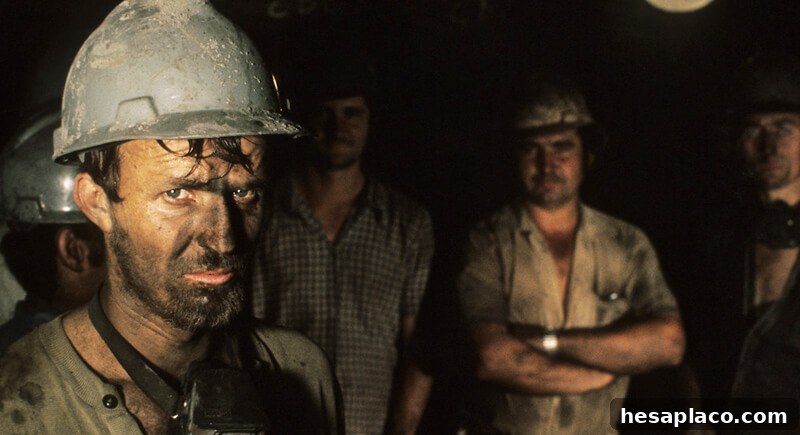
Coal mining involves working underground in confined spaces with risks of collapses, explosive gases, and long-term respiratory illness from dust exposure. Miners perform strenuous labor to extract fuel that still powers many communities worldwide.
Demolition Workers
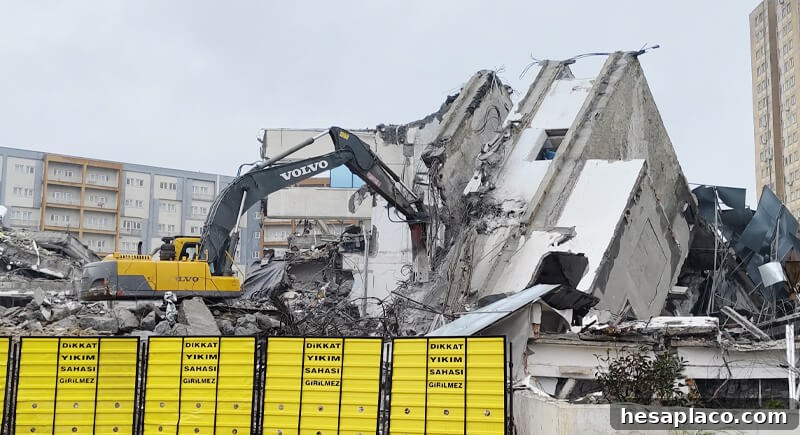
Credit: Wikimedia Commons
Demolition specialists dismantle structures while managing the hazards of collapsing materials, dust, and potentially hazardous building components. Each project requires careful planning and controlled execution to reduce risks for crews and surrounding areas.
Electric Power Line Installers
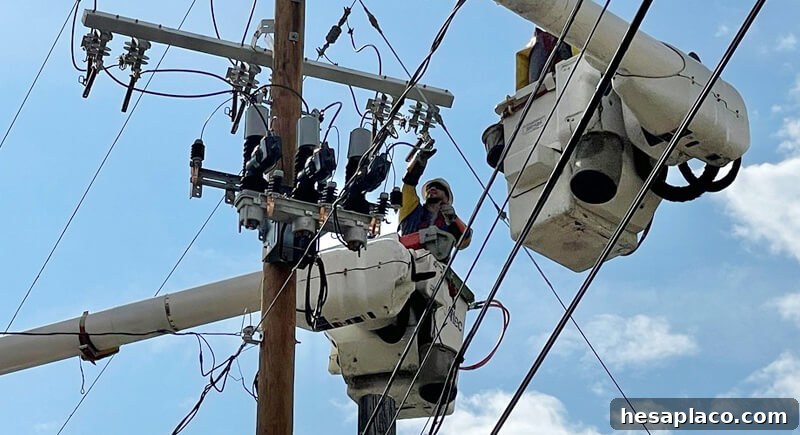
Credit: flickr
Line installers and repairers maintain and install high-voltage electrical systems, often working outdoors in storms or extreme temperatures. Handling live wires and elevated workloads makes this essential work inherently risky and technically demanding.
Migrant Farmworkers
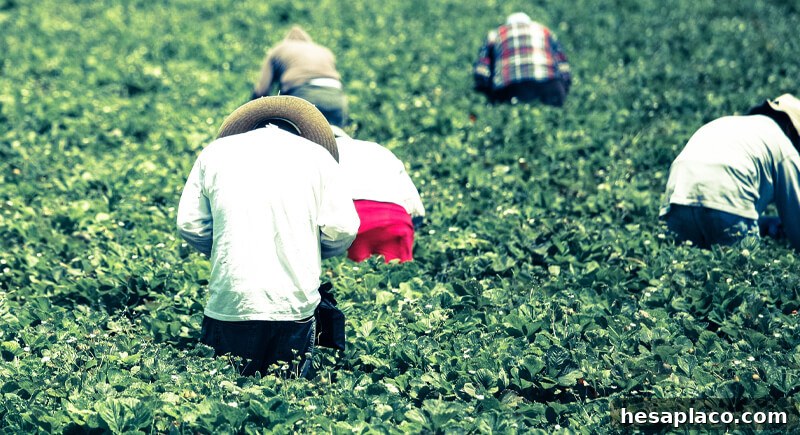
Credit: Wikimedia Commons
Migrant farmworkers perform long hours of physically intensive labor under sun, heat, or rain. They face exposure to pesticides, strenuous repetitive tasks, and often limited labor protections, all of which contribute to serious occupational health risks.
Firefighters
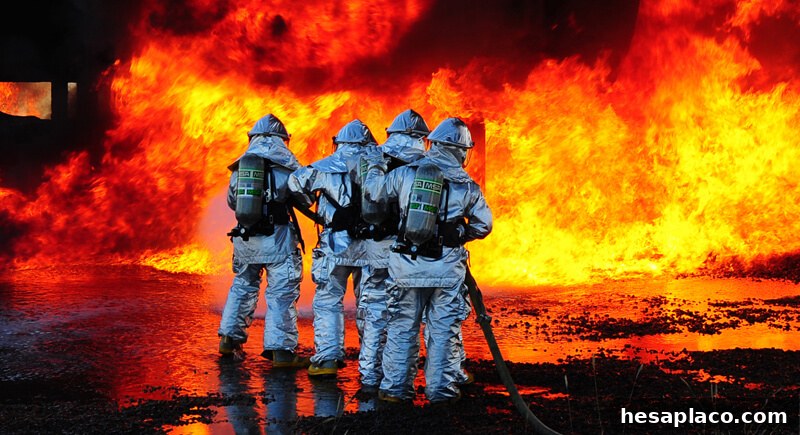
Credit: Wikimedia Commons
Firefighters confront fires, hazardous materials, and complex rescues, often under extreme heat and uncertainty. Their work demands physical fitness, mental resilience, and teamwork while placing themselves in harm’s way to protect lives and property.