
Who would have imagined that simple, rustic dishes once cooked over open fires or in makeshift kitchens would one day appear on Michelin-starred menus? Food evolves, and many items that were once humble staples have been elevated into luxury fare. Below, we explore 15 everyday eats that made that ascent—from subsistence food to high-end delicacies—tracing how history, culture and culinary trends transformed ordinary ingredients into sought-after delights.
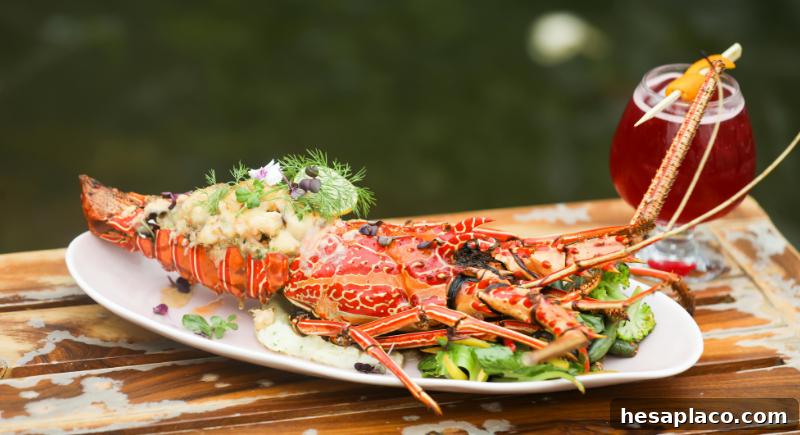
Lobster
Credit: pexels
Once so plentiful that lobster was regarded as the “rat of the sea,” this crustacean was frequently served to prisoners and indentured laborers. Over time, lobster’s reputation shifted dramatically. Today it is synonymous with luxury dining, commanding high prices and prime spots on upscale menus.
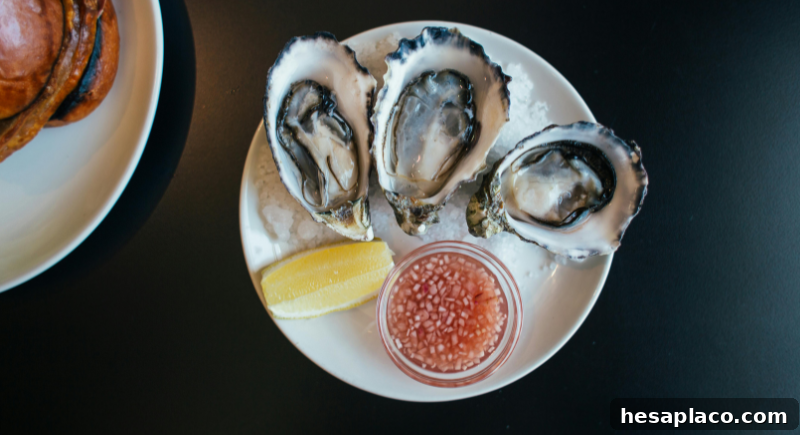
Oysters
Credit: pexels
Oysters were once the working person’s food, gathered and eaten by the bushel along many coastlines. Now they’re a hallmark of elegant dinners and romantic evenings, frequently paired with champagne and presented as a luxurious indulgence.
Quinoa

Credit: pexels
An ancient grain central to the Inca diet, quinoa was once an everyday, nourishing staple. In recent decades it has become a global superfood, embraced by health-conscious diners and specialty markets worldwide—an ingredient that went from humble sustenance to health-food icon.
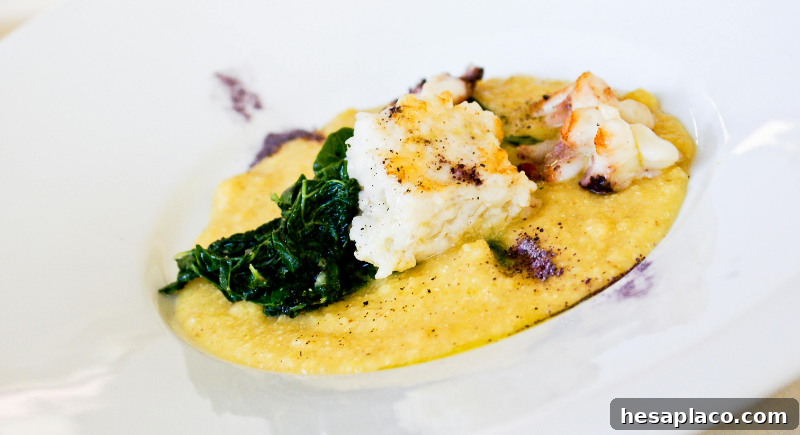
Polenta
Credit: pexels
In Italy, polenta—a simple cornmeal porridge—was historically a staple for peasants, especially during lean times. Modern chefs have reimagined it as a versatile base or accompaniment in refined dishes, often pairing it with premium ingredients such as mushrooms or truffles.
Sushi

Credit: pexels
Sushi began as a preservation method—fermenting fish with rice to extend shelf life. Over centuries it evolved into an art form and culinary tradition. Today, premium sushi restaurants command high prices for exceptional fish, precise technique and a refined dining experience.
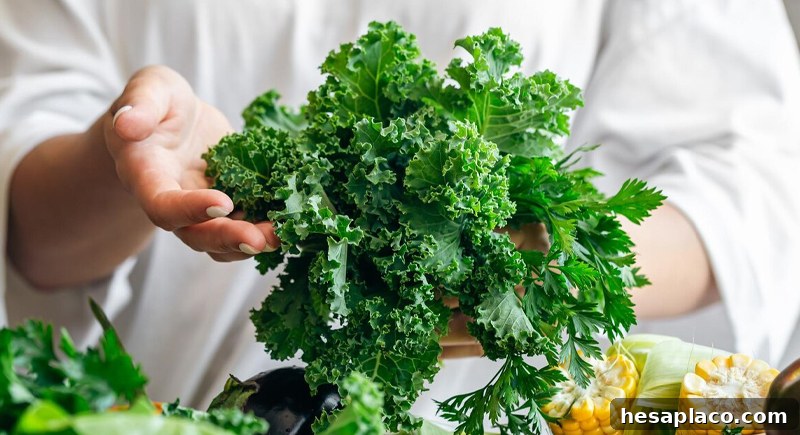
Kale
Credit: freepik
Once dismissed as a humble, hardy green, kale has surged in popularity as a symbol of healthy eating. It appears in everything from smoothies to upscale salads, and its perceived nutritional value has helped reposition it from common crop to trendy ingredient.
Caviar
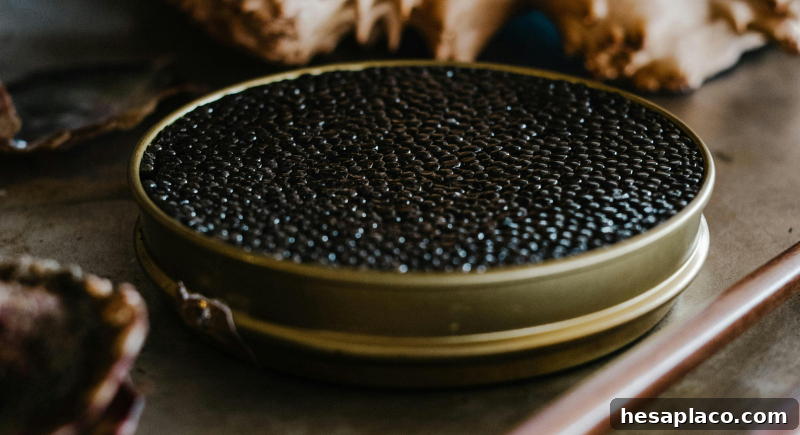
Credit: pexels
Sturgeon roe was once a common snack for fishermen and coastal communities. Over time, caviar became an emblem of opulence and exclusivity. High demand, limited supply and careful processing have turned it into one of the culinary world’s most expensive treats.
Foie Gras
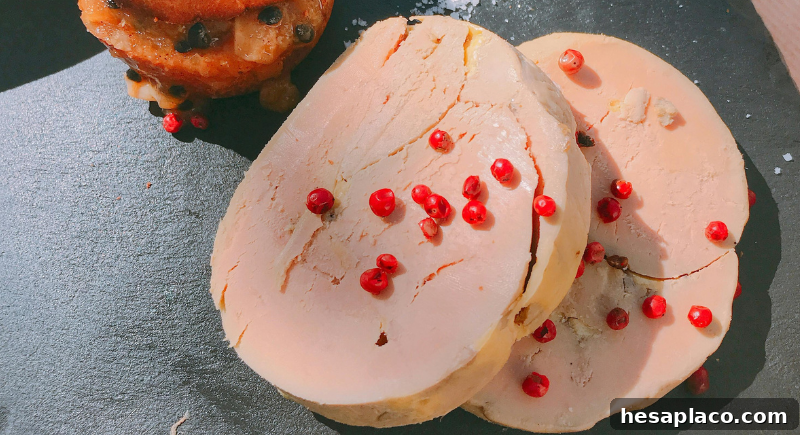
Credit: pexels
Foie gras has roots in peasant traditions of using all parts of an animal, but it has since become a highly prized and controversial luxury item. Its rich flavor and smooth texture place it among the most decadent offerings in fine dining.
Truffles
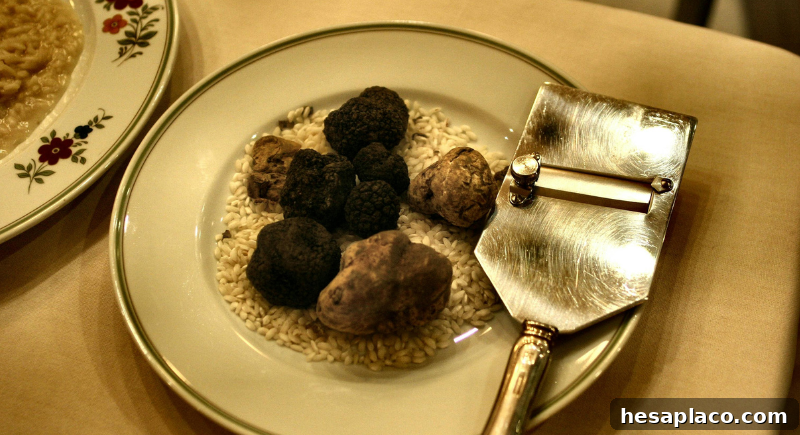
Credit: pexels
Once foraged by rural communities for sustenance, truffles are now revered as the “diamonds” of the culinary world. Their rarity, short harvest windows and complex aroma drive high prices and make simple truffle shavings a coveted addition to many gourmet dishes.
Alligator Meat

Credit: pexels
In parts of the American South, alligator meat was historically a survival food during lean periods. Today it is marketed as an exotic protein in specialty restaurants, often highlighted for its novelty and unique flavor profile.
Venison
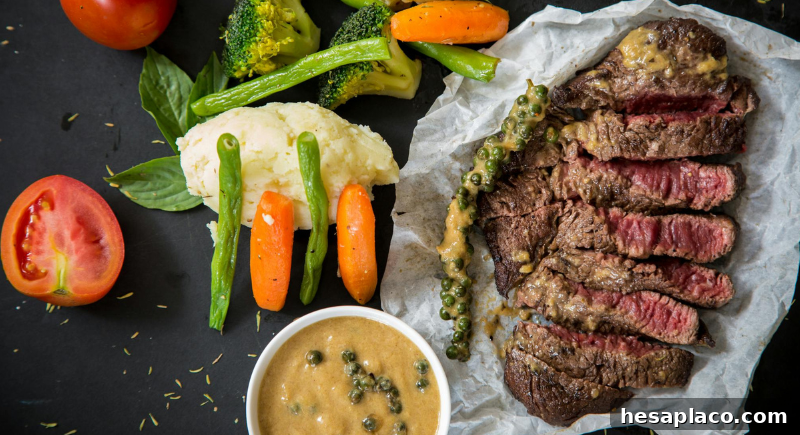
Credit: pexels
Venison—meat from deer—was once essential for hunters and rural households. Today, it’s prized as a premium game meat with distinctive flavor, often served in refined preparations that emphasize its lean, earthy character.
Ramson (Wild Garlic)

Credit: pexels
Ramson, or wild garlic, was once a freely foraged seasoning for people living near woodlands. With the resurgence of foraging culture and interest in “wild” flavors, this herb has found a place in modern kitchens and trendy restaurants where authentic, locally sourced ingredients are prized.
Rabbit

Credit: freepik
Rabbit has long been a reliable source of protein during scarcity and wartime. In contemporary cuisine it appears on boutique bistro menus and as a lean alternative to more common meats, often served with refined sauces and seasonal accompaniments.
Pheasant

Credit: pexels
Pheasant, once a common game bird captured for sustenance, has become associated with country estates and formal hunts. It now appears on refined menus where game birds are celebrated for their distinctive flavors and texture.
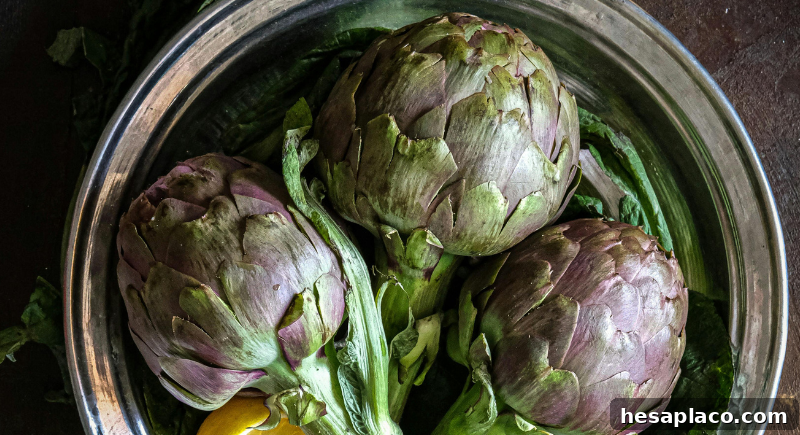
Artichokes
Credit: pexels
Once uncommon outside their native regions and often foraged, artichokes are now embraced by chefs for their unique texture and flavor. They’re used in elegant preparations—from simple roasted hearts to featured elements in sophisticated pasta and salad dishes.
These 15 examples illustrate how context, scarcity, cultural shifts and culinary imagination can elevate modest foods into celebrated cuisine. What started as everyday sustenance has been reinterpreted, refined and sometimes rebranded—proving that history and taste can transform even the humblest ingredients into treasures on the modern table.