
Recession fears often surface when economic signals feel uncertain, and right now those warning signs are noticeable. Hiring has cooled, unemployment has ticked up, and pay increases are slowing as businesses trim costs. At the same time, everyday expenses—from groceries to insurance—are still rising. When the job market sends mixed signals like these, the best response is not panic but a calm reassessment of cash flow, risk, and priorities. Making small, practical adjustments can preserve income, reduce vulnerability, and improve financial resilience.
Build an Emergency Fund
Credit: Getty Images
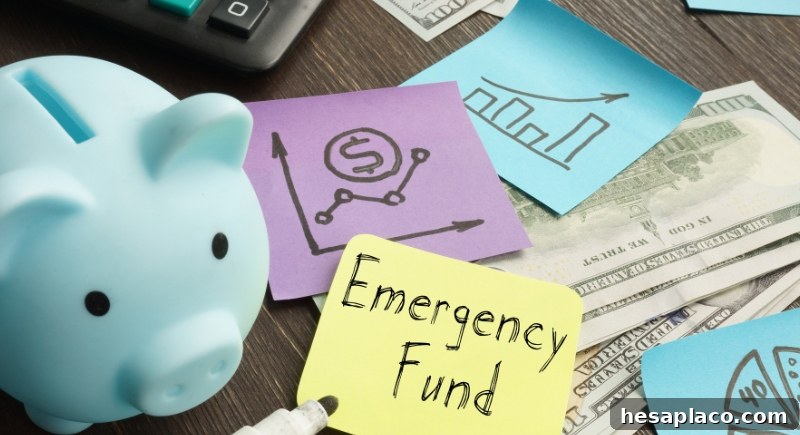
Job losses can happen suddenly, and layoffs are already increasing in some sectors. Financial advisors commonly recommend saving three to six months’ worth of living expenses to cover income interruptions. With higher-yield savings options available today, putting this cushion into an account that earns interest is especially sensible. High-yield savings accounts and similar cash vehicles are offering rates far above traditional checking accounts, so an emergency fund can both protect you and generate modest returns while remaining liquid.
Trim Fixed Expenses

Credit: Getty Images
Recurring bills set the floor for your monthly cash flow. Many consumers rarely reassess recurring costs such as car insurance, phone plans, or subscriptions—often missing opportunities to save. Shopping around at renewal, switching providers, or negotiating rates can lower these fixed expenses immediately without forcing changes to daily routines. Small, consistent savings on recurring outlays can add up to substantial relief over time.
Make Cash Earn Interest
Credit: Getty Images
Cash parked in a checking account often yields little to no interest. Online banks and some financial platforms now offer savings and checking accounts with APYs that are competitive, sometimes in the low single digits, and often with no monthly fees. Shifting excess cash into interest-bearing accounts increases your effective income without adding risk, which matters when wage growth is slowing and prices are rising.
Avoid Panic Selling
Credit: pexels
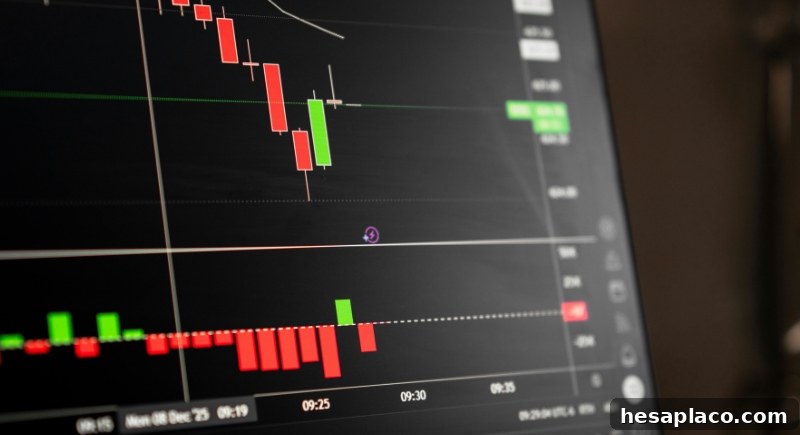
Market declines often trigger emotional reactions that lead to selling at a loss. Historically, markets have tended to recover after downturns, and investors who sell during a drop may miss subsequent rebounds and end up worse off. For long-term goals—especially retirement savings—staying invested and maintaining a disciplined plan typically produces better outcomes than trying to time short-term market movements.
Diversify With Real Assets

Credit: Canva
In periods of economic stress, investors often look to real assets—such as real estate or precious metals—as partial hedges. These assets can provide diversification benefits because their price drivers differ from those of stocks and bonds. New investment platforms also make it possible to gain exposure to property or commodities without direct ownership, offering flexibility for investors who want to spread risk across different asset classes.
Revisit the Budget
Credit: Getty Images
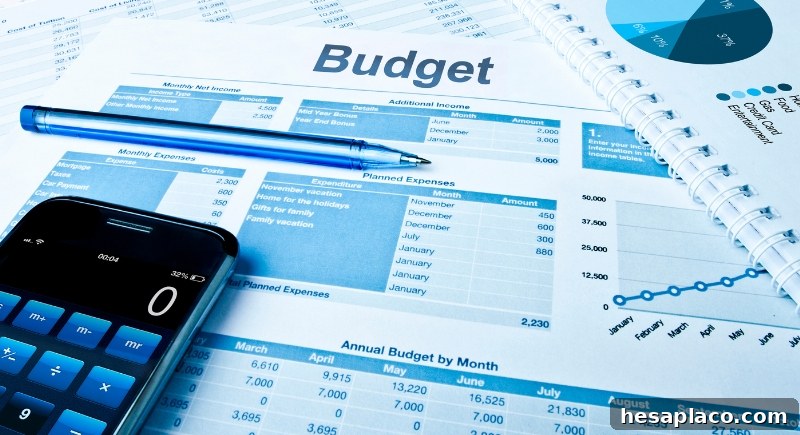
Inflation erodes purchasing power over time, so budgets that once worked may no longer reflect current realities. Regularly reviewing and updating your budget helps ensure spending aligns with present costs. Simple frameworks like the 50/30/20 rule can offer a clear structure: essential needs, discretionary spending, and savings or debt repayment. Reallocating categories to reflect higher prices for essentials can prevent unpleasant surprises and keep finances on track.
Consolidate High-Interest Debt

Credit: Canva
High-interest balances—such as credit card debt or multiple small loans—can consume cash flow in an economic downturn. Consolidating those balances into a single loan or line of credit at a lower interest rate can reduce monthly payments, simplify bill management, and lower interest costs. Fewer due dates reduce the chance of missed payments, which helps preserve credit scores and financial flexibility.
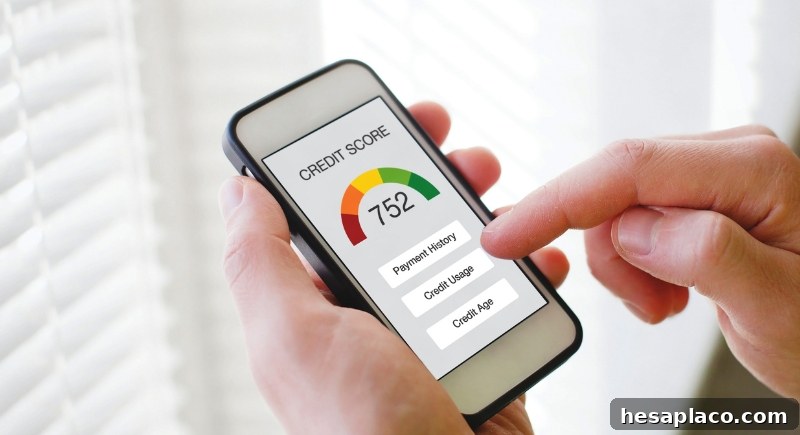
Protect Credit Health
Credit: Getty Images
During slowdowns, credit becomes more consequential as lenders tighten standards. Credit scores influence the interest rates and terms offered on mortgages, auto loans, and other forms of credit. Avoiding missed payments, keeping balances manageable, and monitoring credit reports for errors preserve borrowing options. Healthy credit gives you more flexibility if you need to refinance or access credit in a pinch.
Add a Second Income Stream
Credit: Canva
Supplemental income from freelancing, gig work, tutoring, or online sales can provide important breathing room when wages stagnate or hours are cut. Many side gigs now come with simplified tax reporting rules, lowering administrative hurdles. Even modest extra earnings can bolster savings, reduce debt, or fund an emergency cushion.
Delay Major Purchases

Credit: Canva
Large purchases that require financing increase monthly obligations at a time when job security may be uncertain. Using sinking funds—regularly setting aside cash until you can afford a purchase—lets you avoid new debt and pay in cash. That reduces exposure to rising interest rates and preserves monthly cash flow, which is especially valuable when economic conditions are uneven.
Overall, the most effective response to recession risk is practical preparation: shore up savings, reduce fixed costs, protect credit, and keep investments aligned with long-term goals. Small steps taken now can improve stability, reduce stress, and provide flexibility when the economic picture shifts.