
Vacations should feel like a reward, not a source of financial stress. With rising travel costs, it’s tempting to cut trips short or take on debt—but a well-planned approach can let you enjoy time away without breaking the bank. Practical strategies, small habit changes, and a bit of flexibility can stretch your travel budget and keep your finances healthy.
Set a Realistic Budget First

Credit: Canva
Begin by listing every likely expense: transportation, lodging, daily meals, activities, tips, pet care, and incidental purchases like snacks or souvenirs. A comprehensive budget prevents unexpected costs from undermining your trip and gives you a clear savings target to work toward.
Open a Separate Travel Fund
Credit: Getty Images
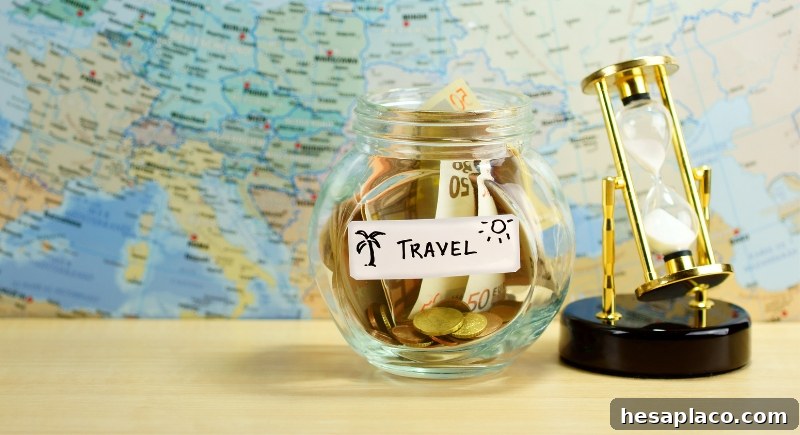
Create a dedicated savings account for vacations so contributions are easy to track and less likely to be spent on everyday purchases. Keeping vacation money separate builds a mental boundary that helps protect those funds from impulse spending.
Automate Your Savings Contributions
Credit: Canva
Set automatic transfers from your checking account to your travel fund on payday. Regular, small deposits are easier to maintain than last-minute lump sums and prevent you from forgetting or skipping months when other expenses pop up.
Book in Advance, Not Last Minute
Credit: Getty Images
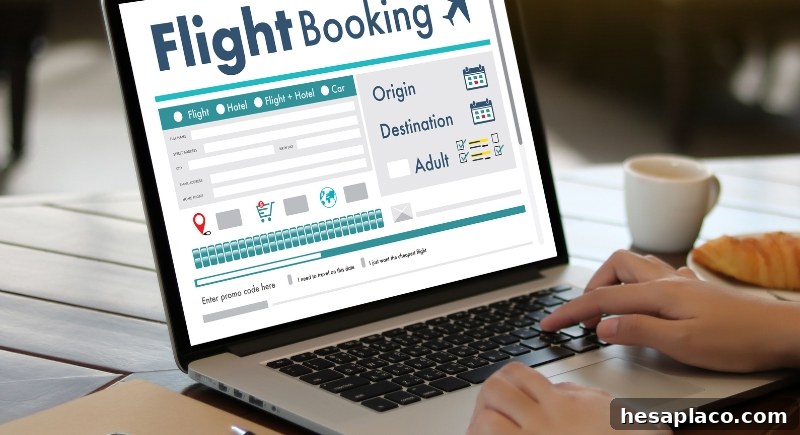
Reserving flights and accommodations early usually offers more options and lower prices. Booking several months ahead gives you time to save and reduces the likelihood of being forced into expensive last-minute choices.
Travel in the Off-Season

Credit: pixabay
Choosing shoulder seasons—months just before or after peak travel—can significantly reduce costs while preserving pleasant weather and fewer crowds. April and September often deliver lower rates on flights and hotels and a more relaxed experience at attractions.
Be Flexible About Where You Go

Credit: freepik
Let price and deals guide your destination choices. Being open to lesser-known locations or alternate airports can reveal surprisingly affordable options. You may find memorable experiences in places you hadn’t considered initially.
Take Advantage of Credit Card Rewards

Credit: Canva
Use travel or cash-back cards thoughtfully. Points and miles can offset big-ticket items like flights and hotels, or provide upgrades. Always pay your card balance in full each month to avoid interest charges that would negate the benefits of rewards.
Use Membership Perks and Discounts

Credit: Getty Images
Check employer, school, or organization perks for travel discounts. Memberships like warehouse clubs, AAA, alumni groups, or professional associations can provide lower rates on lodging, rental cars, and attractions—savings you might overlook otherwise.
Sell What You Don’t Need

Credit: Getty Images
Declutter and turn unused items into travel cash. Selling electronics, clothing, or furniture online or at a yard sale can quickly add to your travel fund—sometimes enough to cover a weekend getaway.
Try a No-Spend Challenge

Credit: pexels
Commit to a no-spend period—whether a weekend or a month—during which you limit purchases to essentials like groceries and bills. Redirect the money you save into your travel account for a quick savings boost and a tangible reward for disciplined spending.
Keep Transportation Costs Down

Credit: Getty Images
Consider driving or taking trains for medium-distance trips when practical. If flying is necessary, search for midweek or red-eye flights, which tend to be cheaper. Use fare-tracking tools to monitor price drops and book when fares dip.
Look Beyond Hotels

Credit: Canva
Explore alternatives to hotels—vacation rentals, hostels, or home exchanges can save money and often include amenities like kitchens that reduce dining costs. Choosing different lodging styles can free funds for experiences rather than accommodation.
Travel With Others

Credit: Getty Images
Group travel splits costs for lodging, car rentals, and meals, reducing the per-person expense and sometimes unlocking group discounts. Sharing expenses also frees up money for activities and souvenirs.
Pack Smart and Avoid Extra Fees

Credit: pixelshot
Plan outfits and gear in advance to avoid last-minute purchases. Packing light prevents checked-bag fees; travel-sized toiletries, refillable water bottles, and snacks save money while you’re on the road.
Make a Post-Trip Budget Too

Credit: Canva
Plan for expenses after you return—airport transfers, restocking groceries, or cleaning and laundry can add up. Accounting for these costs helps you come home feeling refreshed rather than financially drained.
With thoughtful preparation—setting a clear budget, automating savings, choosing the right timing and accommodations, and using discounts—vacations can be affordable and enjoyable. Small adjustments and purposeful planning allow you to take trips more often and return with memories, not debt.