
Are you looking for peaceful, budget-friendly places to retire that keep you close to familiar comforts? Below are affordable U.S. cities and towns that combine lower living costs, good healthcare access, and pleasant amenities—ideal for enjoying retirement without overspending. Each destination offers something different, from outdoor recreation and cultural scenes to warm climates and strong medical facilities.
Asheville, North Carolina
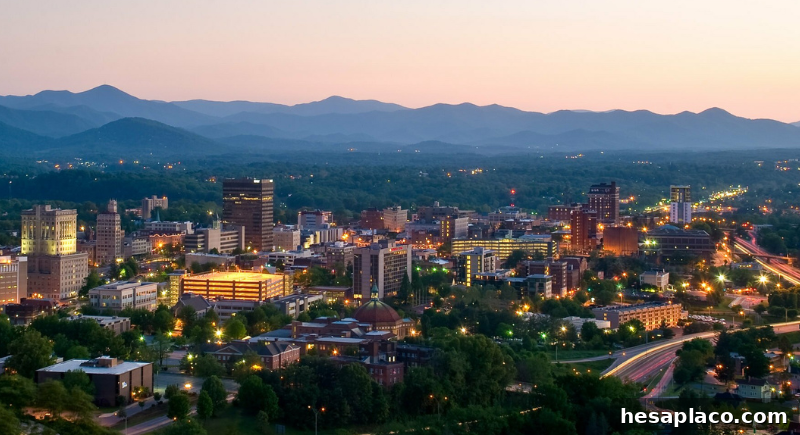
Credit: Wikimedia Commons
Nestled in the Blue Ridge Mountains, Asheville appeals to retirees who value the arts, local food scenes, and plentiful outdoor activities. Costs closely mirror the national average and seasons are moderate. The city has strong healthcare options, including hospitals and specialists that serve older adults.
San Antonio, Texas

Credit: Wikimedia Commons
San Antonio blends rich history and cultural diversity with a lower cost of living than many large U.S. cities. Texas’ lack of state income tax can help stretch retirement savings. The metro area offers a variety of affordable housing and well-regarded healthcare facilities.
Lancaster, Pennsylvania
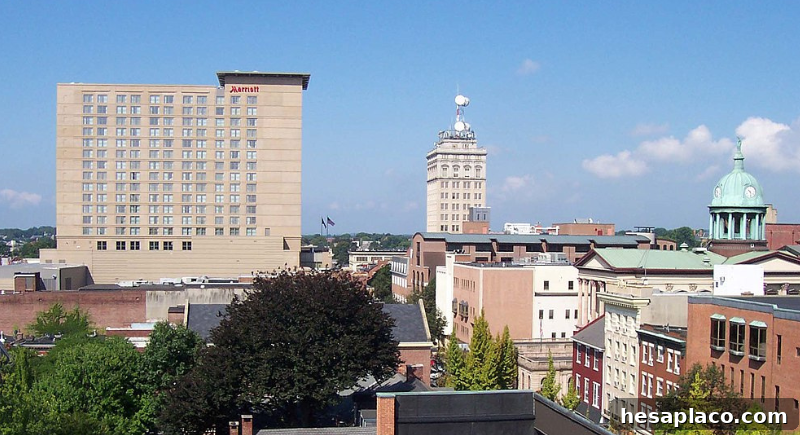
Credit: Wikimedia Commons
This charming small city is attractive for retirees who want a quieter pace while remaining near larger urban amenities. Lancaster offers a lively arts scene, shopping, and reliable healthcare, all at a lower cost than many Northeast locales.
Boise, Idaho

Credit: Wikimedia Commons
Boise is favored for its low crime rate, affordable housing options, and abundant outdoor recreation—perfect for active retirees. While the cost of living can be slightly above average, the city delivers strong community amenities and access to quality medical care.
Port Charlotte, Florida

Credit: Wikimedia Commons
With warm weather, plentiful waterways, and no state income tax, Port Charlotte is popular with retirees who prefer sunshine and boating. Housing and healthcare costs tend to be lower than national averages, important considerations for those on fixed incomes.
Grand Rapids, Michigan

Credit: Wikimedia Commons
Grand Rapids combines affordability with a vibrant cultural life—museums, theaters, and a symphony are all within reach. Housing costs are generally below the national average, and the city is home to notable healthcare systems that serve seniors well.
Pittsburgh, Pennsylvania

Credit: Wikimedia Commons
Pittsburgh offers a surprisingly low cost of living alongside strong cultural offerings—museums, orchestras, and historic neighborhoods. Healthcare is a standout feature, with academic medical centers offering specialized geriatric care. The city’s revitalization has created diverse amenities attractive to retirees.
Omaha, Nebraska

Credit: Wikimedia Commons
Omaha is known for a friendly community, a stable economy, and affordable housing—key factors for retirees. The metro area also offers strong medical services through major hospitals, making it a practical and comfortable retirement option.
Des Moines, Iowa

Credit: Wikimedia Commons
Des Moines combines urban conveniences with a small-town feel and lower living costs. Housing and healthcare are particularly affordable here, and the city maintains an active arts and entertainment scene that keeps retirees engaged.
Louisville, Kentucky

Credit: Wikimedia Commons
Louisville delivers Southern charm, modern amenities, and affordability. Healthcare services are strong, and annual events such as the Kentucky Derby add local color. The balance of cost and culture makes it attractive for many retirees.
Roanoke, Virginia
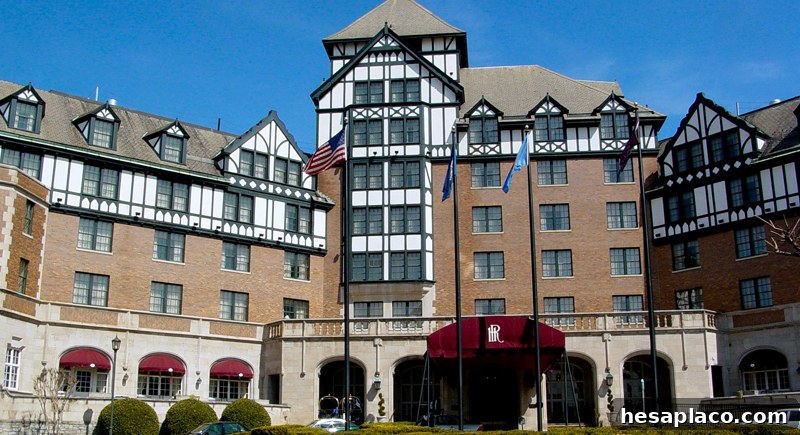
Credit: Wikimedia Commons
Set against the Blue Ridge Mountains, Roanoke is ideal for retirees who enjoy hiking, scenic drives, and quiet natural surroundings. Living costs are reasonable and local healthcare options meet the needs of older adults.
Spokane, Washington
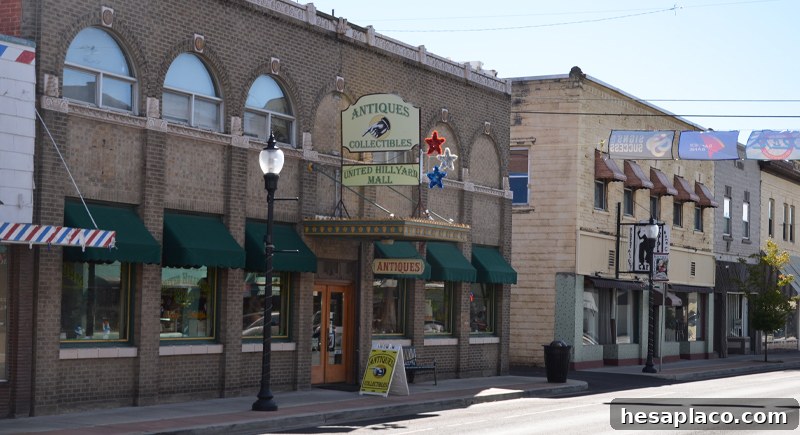
Credit: Wikimedia Commons
Spokane offers a lower-cost alternative to larger Pacific Northwest metros while preserving access to rivers, parks, and trails. It’s a good fit for retirees who want outdoor life without big-city expenses, and the area supports comprehensive healthcare services.
Tucson, Arizona

Credit: Wikimedia Commons
Tucson draws retirees with warm weather and comparatively low living costs, particularly in housing and medical care. The city also offers cultural attractions like museums and performing arts venues that enrich retirement life.
Columbus, Ohio

Credit: Wikimedia Commons
Columbus provides a cost of living below the national average with diverse cultural and recreational options. The city’s medical resources, including major hospital systems, make it a sensible choice for long-term retirement needs.
Mobile, Alabama
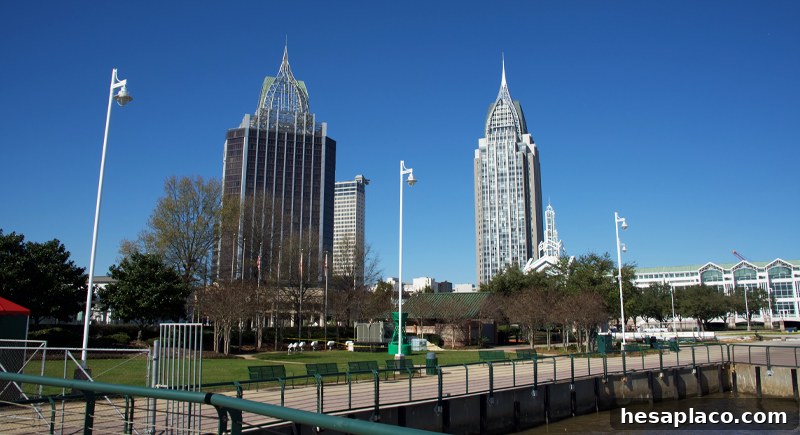
Credit: Wikimedia Commons
Mobile combines coastal living with affordability. Historic neighborhoods, cultural festivals, and a lower cost of living—especially for housing and healthcare—make it appealing to retirees seeking charm and value.
Sioux Falls, South Dakota
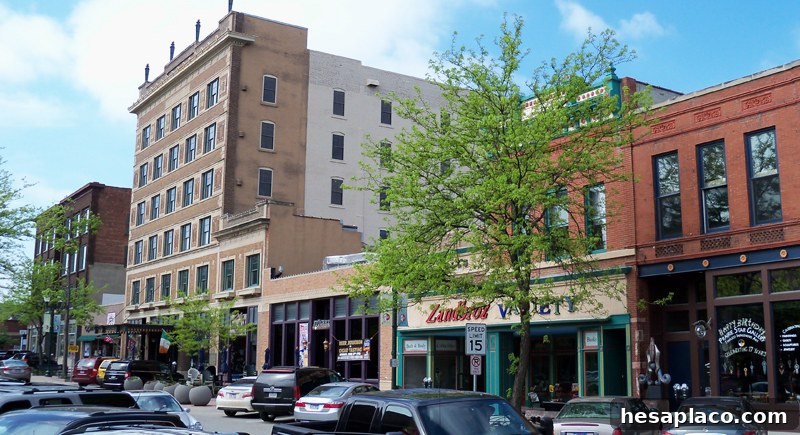
Credit: Wikimedia Commons
Sioux Falls stands out for no state income tax and a low overall cost of living, notably in healthcare and utilities. The city’s comfortable, small-city atmosphere paired with essential services makes it a practical retirement choice.
Knoxville, Tennessee
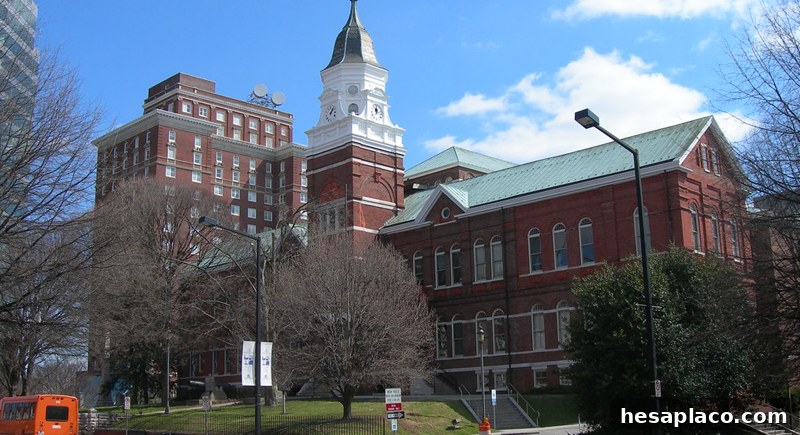
Credit: flickr
Knoxville combines affordability with a rich historical backdrop and outdoor recreation along the Tennessee River and nearby mountains. The low cost of living, cultural events, and natural attractions make it an engaging option for retirees.
When choosing a retirement location, consider housing prices, property taxes, healthcare access, climate preferences, and proximity to family and friends. Each of these cities offers a different mix of benefits—visit a few to see which fits your lifestyle and budget best.