
Top U.S. States People Are Moving To for Affordable Homes, Jobs and Lifestyle
Since the beginning of the pandemic, and in many cases even before it, migration patterns in the United States have changed significantly. Many Americans have reconsidered where they want to live, especially as housing costs, taxes and the overall cost of living have risen in major metropolitan areas, coastal states and several long-established economic hubs.
Relocation decisions are often shaped by a mix of job opportunities, lifestyle preferences, remote work options, housing affordability and regional economic trends. States that were once considered secondary destinations are now attracting new residents from some of the country’s most expensive markets. In many cases, people are moving in search of more space, lower home prices, favorable tax conditions and a slower pace of life.
According to Storage Cafe, the following states are among the most popular places Americans are choosing to move to now.
Oklahoma

DenisTangneyJr / Getty Images
Population: 4,019,800
Average home price: $199,221
Net migrations per 1,000 residents: 9.63
Bottom line: Oklahoma is no longer known only for its open plains and classic frontier image. It has become an increasingly attractive destination for people looking for affordable housing and a lower cost of living. With home prices far below those in many coastal markets, the state offers a strong value proposition for buyers who want more space without paying big-city prices.
For Californians, the difference can be especially dramatic, with homes costing hundreds of thousands of dollars less than comparable properties in their home state. Texans can also find meaningful savings when moving to Oklahoma. The state has also gained attention among remote workers, and Tulsa in particular has promoted relocation programs that encourage remote professionals to move there.
Tennessee

Jonathan Ross / Getty Images
Population: 7,051,339
Average home price: $311,706
Net migrations per 1,000 residents: 9.91
Bottom line: Tennessee continues to attract new residents from states such as California, Florida, Georgia, Texas and Illinois. In 2021, Texas and Illinois alone sent more than 12,000 new residents to the Volunteer State, showing how broad the state’s appeal has become.
One of the biggest draws is housing affordability. Compared with many of the states people are leaving, Tennessee offers significantly lower home prices. Californians who relocate to Tennessee can often find homes that cost more than $400,000 less than properties in their previous market. Homes in Tennessee are also considerably cheaper on average than those in New York, making the state appealing to people looking to reduce housing expenses while still enjoying access to growing cities, music, culture and outdoor recreation.
North Dakota

DenisTangneyJr / Getty Images
Population: 779,261
Average home price: $254,258
Net migrations per 1,000 residents: 12.32
Bottom line: North Dakota is the least densely populated state on this list, but its migration numbers suggest that more people are beginning to take notice. New residents commonly arrive from Minnesota, Texas and Florida, drawn by the state’s affordability and quieter lifestyle.
Housing costs are a major advantage. Homes in North Dakota are significantly less expensive than in many of the states sending new residents. For example, people moving from Minnesota may find that homes in North Dakota are about 22 percent cheaper than what they are used to. For buyers who value space, affordability and a slower pace, the Peace Garden State is becoming a practical alternative.
Arizona

Davel5957 / Getty Images
Population: 7,359,197
Average home price: $423,436
Net migrations per 1,000 residents: 12.49
Bottom line: Arizona has become especially popular with Gen X movers. The state offers a strong economy, a favorable tax environment and some of the most recognizable desert scenery in the country. California, Washington and Texas are among the top states sending new residents to Arizona.
For people relocating from the West Coast, Arizona’s housing market can appear far more affordable than what they left behind. However, those moving from Texas or other lower-cost states may find Arizona home prices higher than expected. Affordability depends heavily on where a buyer is coming from and which Arizona market they choose.
Housing supply remains an important challenge. Even before the latest wave of migration, Arizona’s housing market was tight. The number of housing units per capita is about 0.43, one of the lowest rates in the United States. That limited supply can make competition more intense for buyers, especially in desirable metro areas.
Nevada

DenisTangneyJr / Getty Images
Population: 3,177,772
Average home price: $418,856
Net migrations per 1,000 residents: 14.46
Bottom line: Nevada has become a major relocation destination, particularly for Californians. About 60,000 residents of California moved to Nevada in 2021. The main attraction is clear: the average home in Nevada is about 42 percent less expensive than in California.
People from Arizona, Colorado and Utah are also moving to the Silver State. Unlike Arizona, where Gen X plays a major role in recent migration, millennials are leading much of Nevada’s relocation trend, with Gen X close behind. A notable share of new residents also work remotely, giving them more freedom to choose where they live based on lifestyle and affordability rather than proximity to a traditional office.
Maine
halbergman / Getty Images/iStockphoto
Population: 1,385,340
Average home price: $391,001
Net migrations per 1,000 residents: 15.07
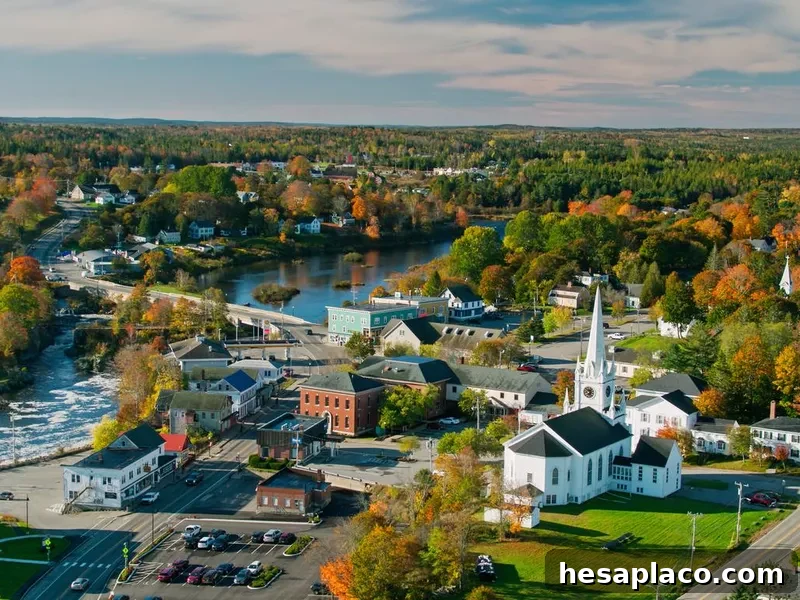
Bottom line: Maine is another state benefiting from the rise of remote work. Many new residents are professionals who can work from anywhere, and incoming residents have an average income of about $86,000. Around 45 percent hold at least a bachelor’s degree.
Most new residents arrive from Massachusetts, New Hampshire, California and Florida. More than 60 percent are retired or close to retirement, which reflects Maine’s appeal as a quieter, scenic destination for people seeking a different pace of life. The state’s coastline, small towns and access to nature all contribute to its growing popularity.
Maine also stands out for its housing supply. Along with Vermont, it is one of the states on this list with a stronger housing supply compared with many other parts of the country. That can make the home search somewhat easier for buyers, even as demand continues to grow.
South Carolina
SeanPavonePhoto / Getty Images
Population: 5,282,634
Average home price: $288,342
Net migrations per 1,000 residents: 15.09
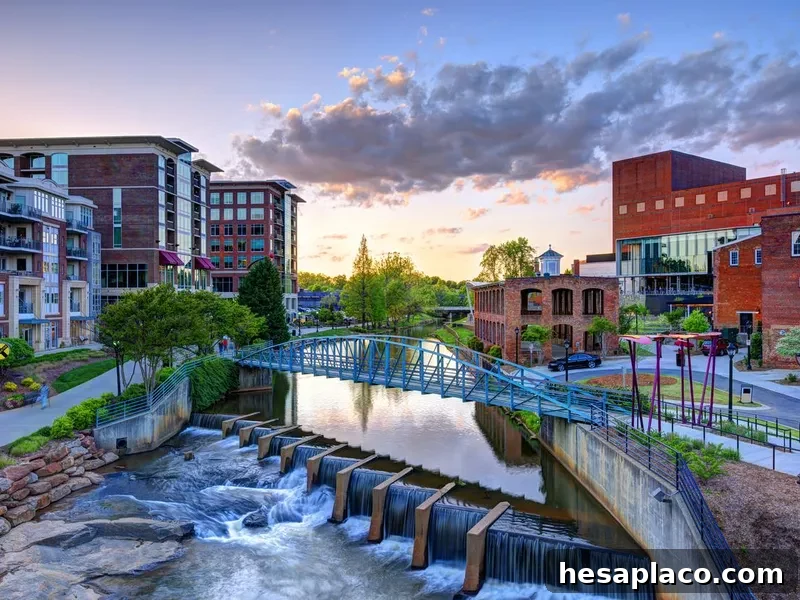
Bottom line: South Carolina is drawing newcomers from nearby states such as North Carolina and Georgia, as well as from California, Virginia and Florida. The Palmetto State combines relative affordability with access to coastal areas, historic cities and fast-growing communities.
Millennials make up a large share of those moving to South Carolina. Housing prices are one of the strongest incentives. Compared with Georgia, buyers can save around $37,000 on a home, while Californians may save as much as $436,000. Those savings help explain why South Carolina has become one of the most attractive relocation destinations in the Southeast.
Montana

DenisTangneyJr / Getty Images
Population: 1,122,867
Average home price: $453,567
Net migrations per 1,000 residents: 17.91
Bottom line: Montana is famous for its wide-open spaces, mountain views and outdoor lifestyle. Those qualities are especially appealing to people relocating from Washington, California and Colorado. New residents have an average age of about 38 and are often looking for a slower pace of life, more room and better affordability compared with the states they left.
Income levels among new arrivals vary by origin state. Transplants from Washington, California and Colorado tend to earn the most, often well into six figures. By comparison, Montanans average about $95,000 per year. As more people move to Big Sky Country, the state continues to balance its appeal as a scenic, quieter destination with rising interest from higher-income newcomers.
Vermont

halbergman / Getty Images
Population: 647,064
Average home price: $388,868
Net migrations per 1,000 residents: 23.99
Bottom line: Vermont attracts people with its beautiful landscapes, safe communities and extensive outdoor recreation options. Although it is one of the smallest states in the country, it has become a compelling choice for people who want natural beauty, a strong sense of community and a quieter lifestyle.
New residents are typically well educated, with more than 45 percent holding at least a bachelor’s degree. Many come from New York, Massachusetts, New Jersey and Connecticut. While Vermont is not the cheapest state on this list, it can still be more affordable than the high-cost Northeastern states many newcomers leave behind, especially when it comes to housing and overall cost of living.
Remote work also plays an important role in Vermont’s migration trend. Many of the state’s newest residents are younger professionals who are no longer tied to offices in larger cities and can choose a place that better fits their lifestyle.
Idaho

4kodiak / Getty Images
Population: 1,839,092
Average home price: $441,312
Net migrations per 1,000 residents: 24.54
Bottom line: Idaho has become far less under the radar since the pandemic. According to U.S. Census data, the state’s population grew by more than 13 percent over five years, the highest increase among all states during that period.
Californians make up the largest share of new residents. About 35 percent are baby boomers looking toward retirement, and the move can be financially appealing because a large share of homes in California are more expensive than those in Idaho. For many buyers, Idaho offers access to outdoor recreation, smaller communities and a lifestyle that feels less crowded than major coastal markets.
Washington, Oregon, Utah and Colorado also send many new residents to Idaho. Gen X and millennials are among the groups migrating in the largest numbers. As demand continues to grow, Idaho remains one of the clearest examples of how affordability, lifestyle and remote work flexibility are reshaping where Americans choose to live.