
10 U.S. Cities With the Cheapest Apartments for Rent
Housing costs remain a major concern across the United States. In many post-pandemic rental markets, monthly rents have climbed so quickly that long-term tenants have been forced to reconsider where they can afford to live.
Still, affordable options exist. Several metropolitan areas, many of them in the Midwest and South, continue to offer rents below the national average while also providing job opportunities, cultural attractions, universities, healthcare systems, and established local economies.
The following cities rank among the cheapest places in the United States for renters, based on median rent for a two-bedroom apartment and rental vacancy rates.
Data and rankings are based on Realtor.com’s January 2023 rental report. Rent figures reflect the average price of a two-bedroom apartment.
10. Kansas City, Missouri-Kansas

Sean Pavone / Getty Images
Median rent: $1,298
Rental vacancy rate: 8.9 percent
Bottom line: Kansas City, Kansas, and Kansas City, Missouri, are separate incorporated cities, but together they form an important part of the Kansas City metropolitan area. Both sides of the metro offer rents below the national average, along with a relatively affordable cost of goods and services.
The region has a stable and growing economy with career opportunities in healthcare, finance, technology, and business services. Major companies and institutions headquartered or based in the area include AMC, the Federal Reserve Bank of Kansas City, H&R Block, Hallmark, Russell Stover, and T-Mobile.
9. Cleveland-Elyria, Ohio

Pgiam / Getty Images
Median rent: $1,290
Rental vacancy rate: 3.1 percent
Bottom line: Cleveland and the surrounding areas are increasingly attractive to renters looking for more affordable alternatives to larger, more expensive cities. The region offers comparatively low housing costs while still providing access to major employers, cultural institutions, and educational opportunities.
Cleveland has a growing startup environment supported by organizations such as JumpStart Inc. and the Cleveland Innovation Project. The area is also home to several colleges and universities, creating opportunities for both education and employment.
The tourism and cultural sectors contribute to the local economy as well. Cleveland is home to the Rock and Roll Hall of Fame and the Cleveland Museum of Art. For renters who prefer a quieter setting, nearby Elyria offers a smaller-city atmosphere and an even more affordable cost of living.
8. St. Louis, Missouri-Illinois

Art Wager / Getty Images
Median rent: $1,279
Rental vacancy rate: 8.2 percent
Bottom line: The St. Louis metropolitan area has experienced economic shifts over the years, but it remains one of the more affordable large metro areas in the country. Its overall cost of living is about 15 percent lower than the national average, whether residents are renting or buying.
Job opportunities are available across a wide range of industries, including healthcare, education, finance, and technology. Major companies such as Anheuser-Busch, Express Scripts, and Panera Bread have strong ties to the region.
St. Louis is also known for its sports culture. The St. Louis Cardinals and St. Louis Blues call the area home, and the city regularly hosts major sporting events, including golf and college basketball tournaments.
7. Memphis, Tennessee-Mississippi-Arkansas
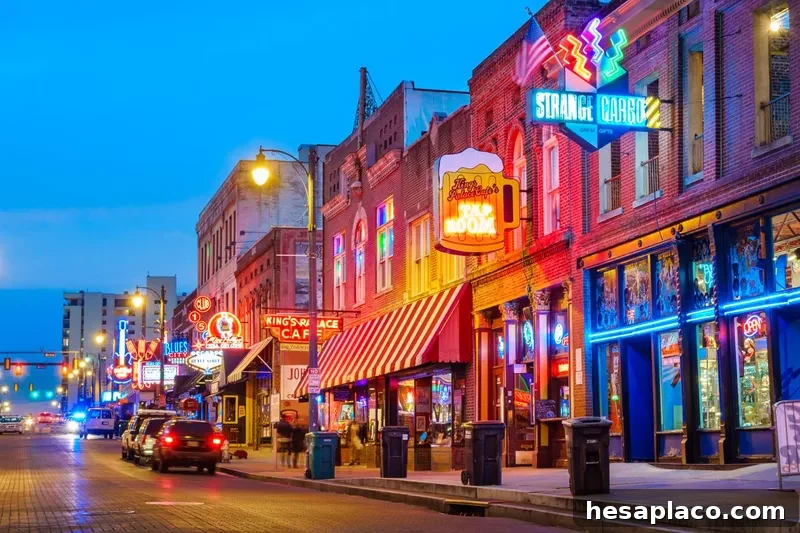
benedek / Getty Images
Median rent: $1,274
Rental vacancy rate: 6.7 percent
Bottom line: For renters who want affordable living and a strong music heritage, Memphis is a standout option. Known as the “Home of the Blues” and the “Birthplace of Rock and Roll,” the city has deep cultural roots connected to legendary artists such as Elvis Presley, B.B. King, and Johnny Cash.
Memphis continues to offer an active live music scene, including venues and events centered around Beale Street and the city’s long musical tradition.
The local economy provides opportunities in healthcare, logistics, and manufacturing. Major employers include FedEx and St. Jude Children’s Research Hospital, both of which play an important role in the region’s employment landscape.
6. Indianapolis-Carmel-Anderson, Indiana
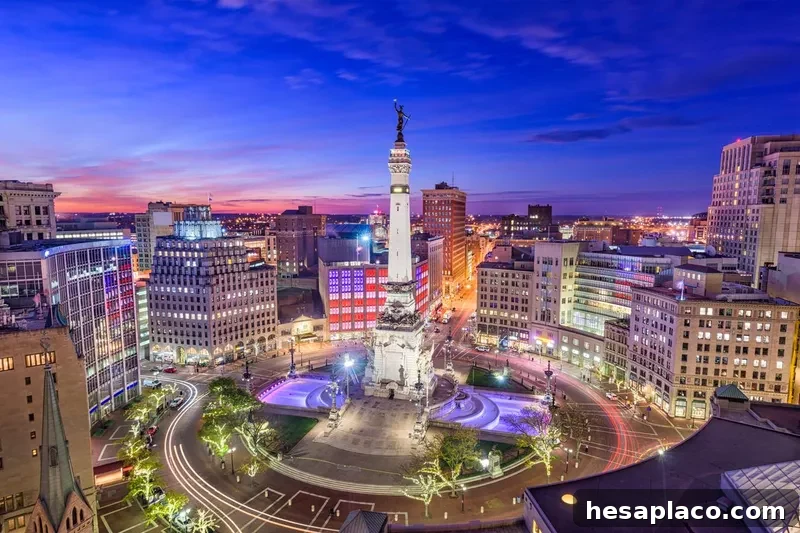
Sean Pavone / Getty Images
Median rent: $1,266
Rental vacancy rate: 9.8 percent
Bottom line: Indianapolis and its surrounding communities offer a practical choice for renters leaving more expensive urban markets. The metro area has a strong economy with jobs in healthcare, technology, manufacturing, and professional services.
Major employers and companies with a significant presence in the area include Eli Lilly and Salesforce. These employers help support a diverse job market for residents seeking career stability alongside lower housing costs.
Sports are also a major part of the region’s identity. Indianapolis is home to the Indianapolis Colts and the Indiana Pacers, and the city is internationally known for the Indianapolis 500.
5. Columbus, Ohio

Davel5957 / Getty Images
Median rent: $1,242
Rental vacancy rate: 4.2 percent
Bottom line: Columbus is a strong option for renters who want an urban lifestyle without the high prices found in many larger cities. Rent remains well below the national average, and other everyday costs, including groceries, healthcare, and utilities, are also relatively affordable.
The city’s economy is supported by industries such as finance, education, healthcare, retail, and technology. Employers in the region include Huntington Bancshares, Big Lots, Bob Evans Restaurants, and Cardinal Health.
Although Columbus is still more affordable than many comparable cities, its housing market has become more competitive in recent years. Renters planning a move may benefit from preparing early and maintaining a strong credit profile.
4. Rochester, New York

Davel5957 / Getty Images
Median rent: $1,235
Rental vacancy rate: 3.7 percent
Bottom line: Rochester is the only Northeastern city on this list, and its rents have not increased as sharply as those in many other parts of the region. After decades of population and industry challenges, the city has been working through a period of renewal.
Healthcare is a major employment sector in Rochester. The area is home to several hospitals and medical research institutions, including the University of Rochester Medical Center, Rochester Regional Health, and Golisano Children’s Hospital.
Rochester also maintains a corporate presence through companies such as Kodak, Xerox, Paychex, the Gleason Corporation, and Rochester Precision Optics. Higher education is another key part of the local economy, with institutions including the University of Rochester, Rochester Institute of Technology, and Monroe Community College.
3. Birmingham-Hoover, Alabama
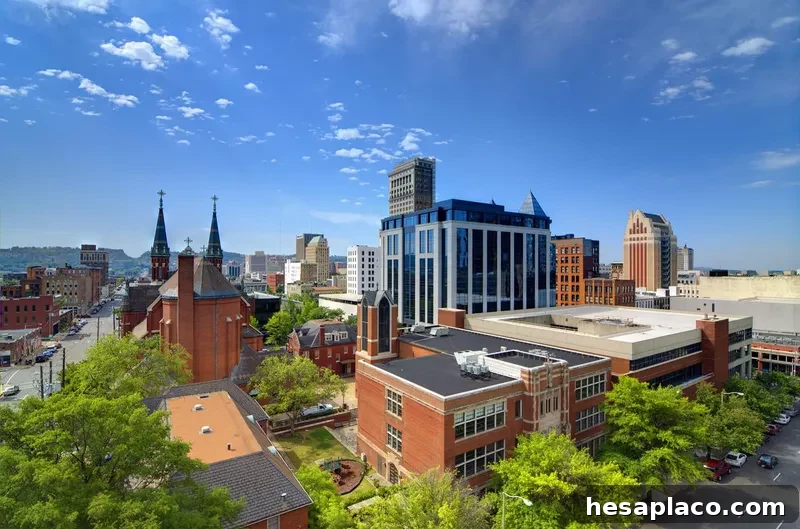
SeanPavonePhoto / Getty Images
Median rent: $1,178
Rental vacancy rate: 13.2 percent
Bottom line: Birmingham and its suburbs offer a low cost of living while still providing many of the advantages of a larger metropolitan area. Residents can find affordable rent, a broad job market, and a distinctive cultural identity.
Healthcare is one of Birmingham’s strongest sectors. Medical professionals and support workers may find opportunities at institutions such as UAB Hospital, Children’s of Alabama, and the Birmingham VA Medical Center.
The broader area also has employment options in banking and finance, manufacturing, technology, and hospitality. For students looking for an affordable place to live while attending college, the University of Alabama at Birmingham and Samford University are notable options.
2. Louisville/Jefferson County, Kentucky-Indiana
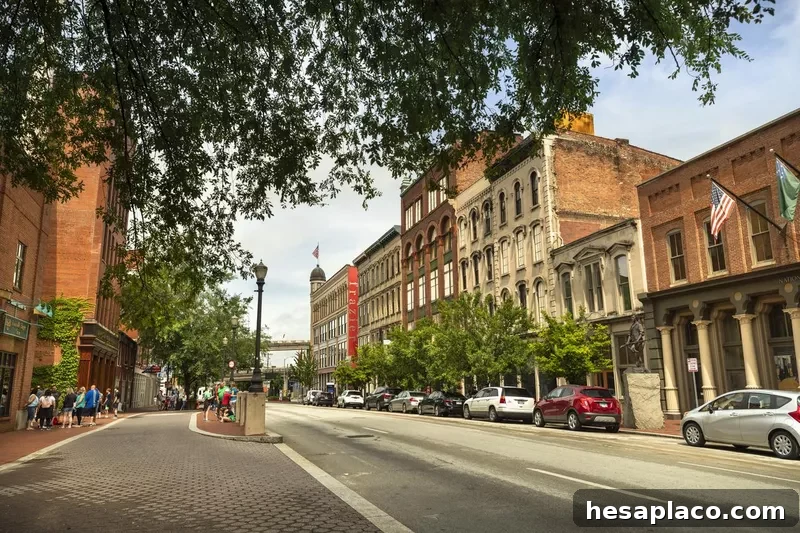
Pgiam / Getty Images
Median rent: $1,167
Rental vacancy rate: 5.9 percent
Bottom line: Louisville is a realistic choice for renters seeking affordability in a metro area with a diverse economy. Rent is about 21 percent lower than the national average, and grocery prices are also lower than what many people pay in other urban areas.
The city and its surrounding region offer opportunities in logistics, manufacturing, healthcare, and education. Major employers include Humana, UPS, Ford Motor Company, Norton Healthcare, and Baptist Health Louisville.
Higher education also contributes to the local economy, with the University of Louisville and Bellarmine University providing jobs, student activity, and long-term community investment.
1. Oklahoma City, Oklahoma
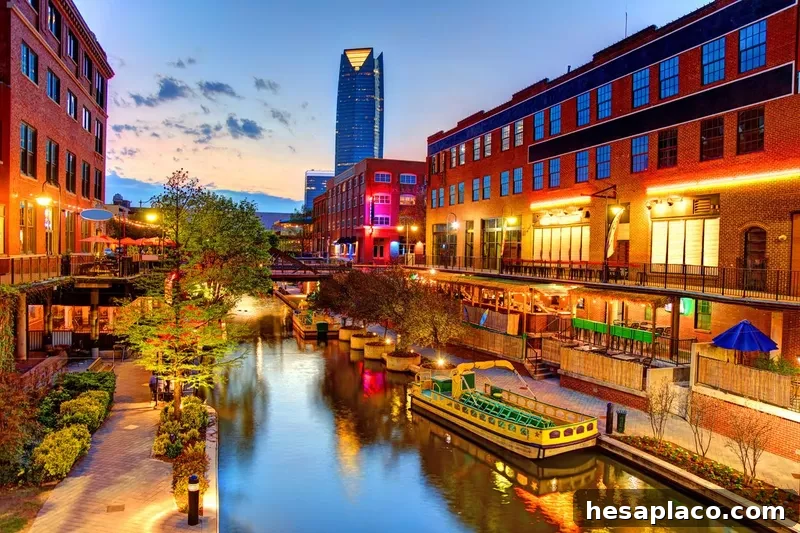
DenisTangneyJr / Getty Images
Median rent: $982
Rental vacancy rate: 12.5 percent
Bottom line: Oklahoma City ranks as the most affordable rental market on this list, with average rent for a two-bedroom apartment still below $1,000 per month. With a population of more than half a million, it offers big-city amenities while maintaining comparatively low housing costs.
The local economy includes opportunities in energy, aviation, healthcare, and government-related employment. Major employers in the area include Hobby Lobby, Devon Energy, Integris Health, and Tinker Air Force Base.
Education and healthcare also play important roles in the city. Oklahoma City is home to the University of Oklahoma Health Sciences Center and Oklahoma City University, adding to the area’s employment base and community resources.
For renters searching for lower monthly costs without giving up access to jobs, schools, healthcare, and cultural amenities, these affordable U.S. cities remain strong options to consider.