
New wealth often arrives with celebration and a desire to demonstrate success. It changes where people live, how they travel, and sometimes how they are treated — but it doesn’t always win the respect of established families who have held wealth for generations.
Old-money households follow unspoken traditions developed over decades. To them, wealth is meant to be steady and discreet. When newly wealthy people broadcast their status too loudly, it stands out. The behaviors below are commonly noticed and quietly judged in traditional circles, even when bank balances match the display.
Wearing Labels as Proof of Value
Credit: pixelshot
When clothing acts as a walking advertisement for brands, it stops being about style and starts being about signaling. People from old-money backgrounds favor clothes that fit well and serve a purpose over loud logos. Designer pieces are acceptable, but names are usually kept discreet — on inner tags rather than across the chest.
Overspending on Flashy Jewelry

Credit: pexels
Massive engagement rings or watches dripping with diamonds rarely impress people who grew up around generational money. A glittering stone might attract attention, but without family history or personal meaning it reads as decoration. Traditional circles often value heirloom signet rings, antique bracelets, or subtle pieces that indicate lineage and continuity rather than raw carat weight.
Turning Your Car Into a Trophy
Credit: pexels
Owning a limited-edition sports car isn’t the problem — making a show of it is. Revving an engine outside a restaurant or ostentatiously parking to be seen is what draws notice. Old-money values reliable, well-maintained vehicles used for convenience and longevity. It’s common to find classics or understated luxury cars kept for years rather than flashy models bought to impress.
Treating Pets Like Designer Accessories

Credit: pexels
Small dogs in sunglasses or paw-paraded accessories can signal that a pet is more of a status prop than a family member. In established wealthy families, animals are treated as part of the household, not as fashion statements. Well-trained, healthy pets that are cared for genuinely matter far more than trendy collars or designer outfits.
Parties Built for Photos, Not People

Credit: Getty Images
When celebrations start to look like performances — fire dancers, celebrity DJs, and elaborate spectacles designed primarily for social feeds — they can feel hollow. Old-money gatherings typically prioritize intimacy, comfort, and familiar rituals: good conversation, home-cooked or thoughtfully prepared food, and a relaxed atmosphere over extravagance for its own sake.
Forcing Foreign Luxury Into Everyday Spaces

Credit: Canva
Recreating a Mediterranean terrace in a region with a harsh winter or installing a faux-European fountain that never sees use can feel out of place. Traditional estates are usually designed with their environment and family history in mind, emphasizing practicality, durability, and context rather than copying trends from magazines or Pinterest.
Using Food to Prove Sophistication

Credit: pexels
Ordering exotic dishes you can’t pronounce or photographing every course for social approval sometimes comes off as trying too hard. Those from long-established wealth appreciate food for pleasure and tradition. A well-made roast chicken or a simple family recipe served in a warm setting often conveys comfort and refinement more convincingly than theatrical, imported dishes used as props.
Tipping or Gifting for Attention

Credit: Canva
Generosity is respected, but ostentatious giving is not. Flashy tips handed out for attention or publicizing donations to seek recognition are discouraged in traditional circles. True philanthropy is typically quiet and sustained: long-term support for causes without seeking credit or social media applause.
Stuffing Homes With Designer “Touches”
Credit: Canva
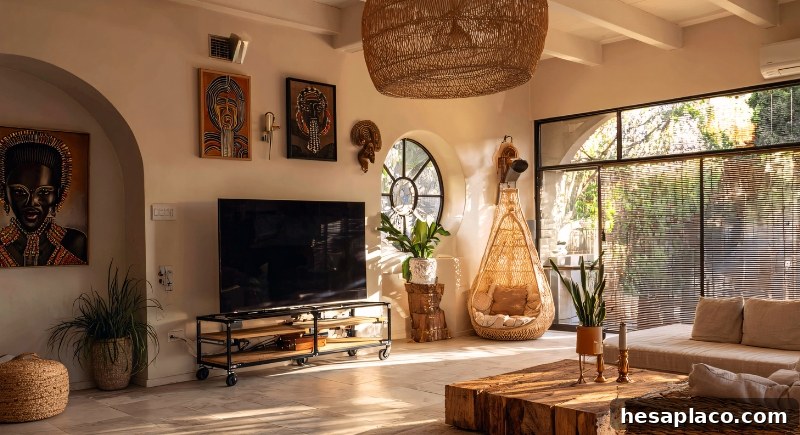
A home filled with branded candles, logo blankets, and carefully staged luxury products can feel more like a showroom than a lived-in space. In contrast, understated interiors that show signs of use — worn books, inherited furniture, and eclectic china — communicate authenticity and history rather than a curated image meant to impress guests.
Dropping Names as a Shortcut to Status

Credit: Getty Images
Casually mentioning a message from someone famous or name-dropping powerful contacts is often viewed as insecure or attention-seeking. Old-money culture tends to keep influential relationships private; if those connections exist, they are rarely broadcast. True standing in these circles is demonstrated by behavior and reputation, not by public mentions.
Turning Every Moment Into Content

Credit: Canva
Constantly filming dinners, walks, and ordinary moments for social platforms can make life feel performative. While technology and social media are part of modern life, many in old-money families prefer to experience private moments without an audience. Sharing selectively and living in the moment often signals confidence and comfort with one’s status.
Ultimately, what matters most to established families isn’t the price tag but the story behind the choices: history, discretion, and authenticity. New wealth can be graceful and respected when it prioritizes longevity, meaningful traditions, and sincere generosity over loud displays designed to impress.