
In the complex choreography of social life, many wealthy people deliberately avoid flashy displays of wealth. This reserved approach stems from a mix of social, psychological, and cultural factors rather than simple personal preference. Below are fifteen reasons why affluent individuals often keep a lower profile compared with those who are less well off.
Privacy Concerns

Credit: pexels
Privacy is a major consideration. Publicly advertising wealth can invite unwanted media attention, criminal targeting, or exploitative behavior. By staying discreet, wealthy people protect themselves and their families from intrusions, scams, and safety risks.
Social Circles

Credit: pexels
Within affluent social networks, ostentation often adds little value. When peers have similar means, flashy consumption can seem gauche or redundant. In such environments, understated choices are a more natural way to blend in and maintain social harmony.
The Burden of Representation

Credit: pexels
People in positions of influence recognize that their behavior reflects on others. Flaunting wealth can be perceived as insensitive or disconnected, risking public backlash or damage to one’s credibility. Many prefer to act in ways that align with their responsibilities and public image.
Cultural Norms and Values
Credit: pexels
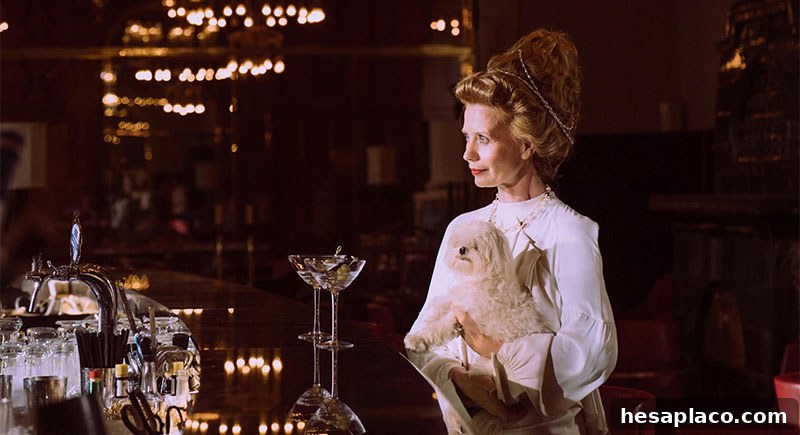
Many cultures prize discretion and consider modesty a mark of refinement. In families with longstanding wealth, ostentatious displays are often associated with “new money” and perceived as lacking taste. Cultural expectations therefore encourage quieter expressions of prosperity.
Philanthropic Leanings

Credit: pexels
Many affluent individuals prioritize philanthropy over conspicuous consumption. Channeling resources into charitable projects, education, or community initiatives can reflect values of stewardship and social responsibility while diverting attention away from personal extravagance.
Financial Literacy

Credit: pexels
Greater financial knowledge often shapes behavior. Wealthy people tend to think strategically about assets and long-term security. They recognize that sustainable wealth is preserved through prudent investment and discretion rather than through visible consumption.
Quality Over Quantity

Credit: pexels
Affluent people often favor a few well-made items over large quantities of showy goods. Investing in quality—durable clothing, refined interiors, or exceptional services—creates a subtle, timeless look that doesn’t scream wealth but still signals taste.
Desire for Normalcy

Credit: pexels
Many wealthy individuals seek ordinary experiences and relationships that aren’t defined by money. Valuing privacy and authenticity, they prioritize personal achievements, family life, and hobbies over public displays of status.
Educational Influence

Credit: pexels
Higher education can encourage nuanced thinking about status and responsibility. Well-educated individuals may better appreciate the social consequences of showing off wealth and opt for modesty to reflect their values and awareness.
Global Perspective

Credit: pexels
Exposure to diverse cultures often tempers attitudes toward display. In many parts of the world, ostentation is frowned upon; wealthy people with international experience may adopt more discreet habits that reflect global norms.
Legacy Concerns

Credit: flickr
Many wealthy people are conscious of the legacy they will leave. They often prefer to be remembered for philanthropic work, leadership, or contributions to society rather than for extravagant possessions, and that orientation affects how they live publicly.
Legal and Tax Implications

Credit: pexels
Public displays of wealth can sometimes draw scrutiny from tax authorities or legal challengers. Staying discreet helps protect financial interests by avoiding unnecessary attention and potential legal or fiscal complications.
Subtle Wealth Signals

Credit: pexels
Rather than overt displays, many wealthy people rely on subtle markers—private club memberships, selective schooling, bespoke tailoring, or understated accessories—to communicate status. These signals are discreet but recognizable to those in the know.
Influence of Upbringing

Credit: iStockphoto
Children raised in affluent families often learn discretion early. Family values that emphasize humility and propriety encourage adults to avoid extravagant behavior and to present wealth in measured ways.
Economic Stability
Credit: iStockphoto
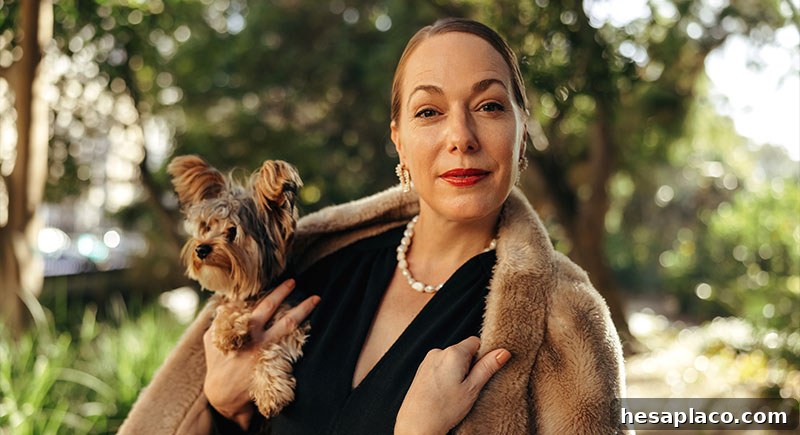
Finally, when people feel financially secure, they have less need to demonstrate worth through material signals. Economic stability allows them to focus on personal fulfillment, relationships, and long-term goals rather than on proving their status.
Together, these factors explain why many wealthy individuals prefer discretion. Their behavior reflects a balance of safety, cultural norms, strategic thinking, and personal values—choices that often favor subtlety over spectacle.