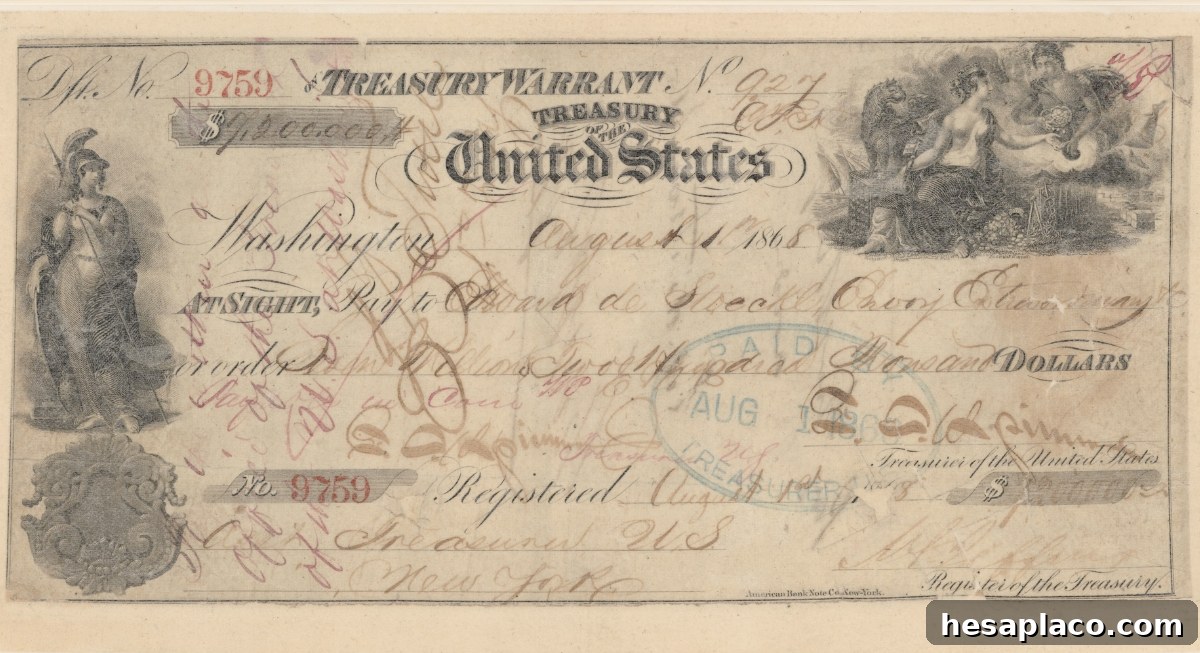
How much can a single check really buy? A car? Maybe a house? In 1867, one U.S. Treasury check purchased the vast territory we now call Alaska. At first glance the circumstances can seem puzzling: why transfer enormous land by payment rather than by force during a century when wars over territory were common? To answer that, we need to consider Russia’s position at the time and the events that led to the sale.
Why Russia Was Ready to Sell
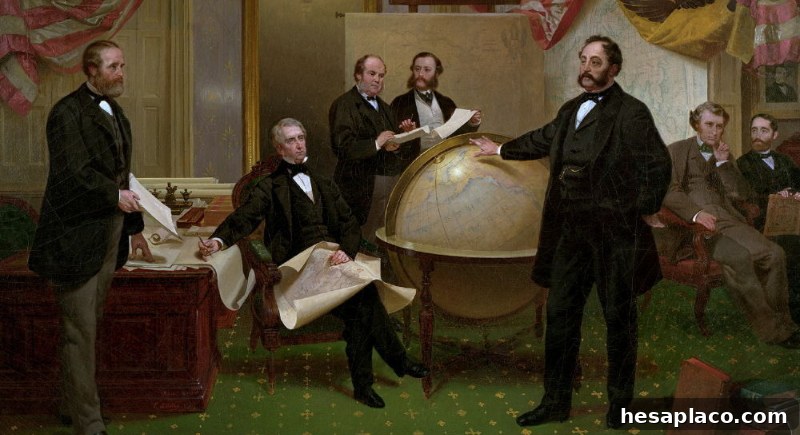
Image via Wikimedia Commons/Emanuel Leutze
By the mid-19th century, the Russian Empire stretched across Siberia and included settlements in Alaska, but the colony had become more of a liability than an asset. Supplying and defending the territory was costly, permanent settlers numbered only in the hundreds, and the expense of the Crimean War had left the imperial treasury depleted.
Russian leaders also feared that Britain—whose Pacific fleet was dominant—might seize Alaska in a future conflict. Selling the territory promised a way to cut losses while converting a remote holding into immediate funds for pressing domestic needs. The idea was not brand new: Russian officials had considered selling Alaska in the 1850s, but negotiations were postponed by the American Civil War.
After the war ended, talks resumed. Baron Eduard de Stoeckl, Russia’s minister to the United States, began negotiations with U.S. Secretary of State William Seward.
The Deal on the Table
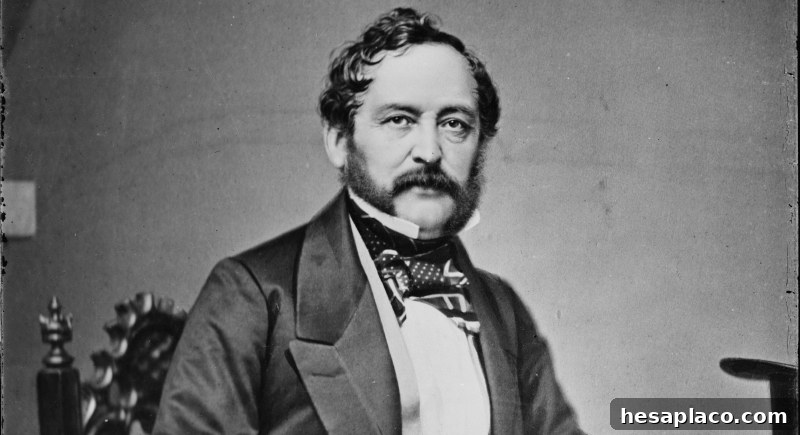
Image via Wikimedia Commons/Mathew Benjamin Brady
On March 30, 1867, Seward and de Stoeckl concluded an agreement: the United States would pay $7.2 million for roughly 586,000 square miles of territory. At about two cents an acre, the price looked like a bargain even to many skeptics on paper.
Despite the apparent value, popular reaction in the United States was mixed. Some members of Congress and sections of the press ridiculed the purchase, calling it “Seward’s Folly” or “Seward’s Icebox,” and dismissed the frozen expanse as worthless.
The Senate ratified the treaty in April, President Andrew Johnson signed it in May, and in October the United States formally took possession of Alaska. The final step was payment, which was carried out via a single Treasury check.
A Check Worth Its Weight in Gold
In July 1868 the U.S. Treasury issued a check for $7.2 million payable to Baron de Stoeckl, who received it on behalf of Russia. In gold terms at the time, that sum would have equaled well over 360,000 troy ounces—roughly eleven tons of gold—so the transaction represented a significant transfer of wealth.
Russia did not leave the proceeds idle. Much of the payment was used to purchase locomotives, wagons, and equipment for expanding railways—investments that suited its priorities for modernization and internal transport. The physical check itself survived and is preserved in archives as an unusual artifact of nineteenth-century diplomacy.
From “Folly” to Fortune
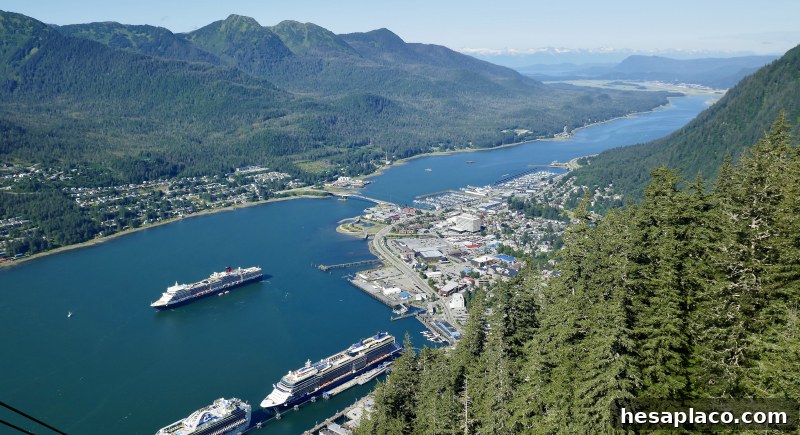
Image via Wikimedia Commons/Ifly6
For years after the purchase, Alaska attracted little attention in American politics. The federal government administered the territory through military and Treasury officials, and critics continued to question its worth.
The situation changed in the late 1890s when the Klondike gold rush transformed Alaska into a gateway for prospectors and commerce. In the 20th century, Alaska’s strategic location and abundant natural resources—fisheries, minerals, oil, and more—made its significance unmistakable.
The land once derided as worthless ultimately proved to be one of the United States’ most consequential bargains, a purchase that reshaped geography, resources, and strategic reach for generations to come.