
During the 1950s, $1,000 had a purchasing power that seems astonishing by today’s standards. Adjusted for inflation, that amount is roughly equivalent to $10,000–$12,000 now, reflecting how decades of rising prices have reshaped what money can buy. In that era, four figures could meaningfully change a household’s circumstances; today the same nominal amount covers relatively little.
A Degree

Credit: Canva
In the mid-1950s, college tuition at many institutions cost just a few hundred dollars per year, so $1,000 could cover an entire academic year or more at some schools. Higher education consumed a smaller share of household income than it does today, since tuition growth has outpaced overall inflation for decades.
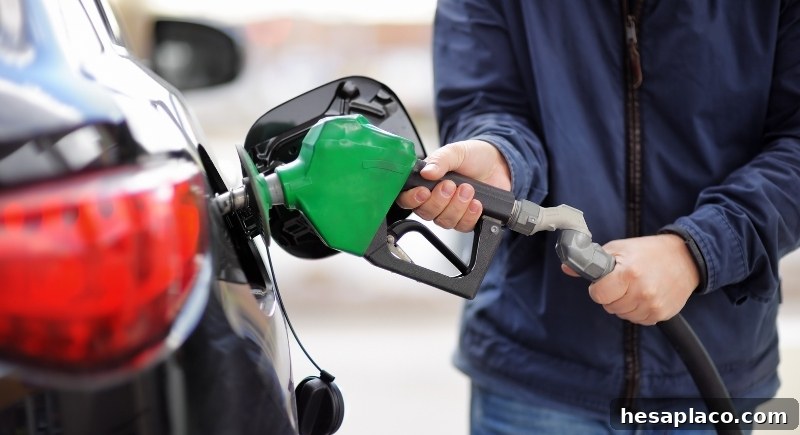
3,073 Gallons of Gas
Credit: Canva
Gasoline averaged about $0.23 per gallon in the mid-1950s. At that price, $1,000 would buy roughly 3,073 gallons. With many cars averaging around 15 miles per gallon and the Interstate Highway Act of 1956 opening up long-distance driving, fuel stretched family budgets less than it does today, when fuel and commuting costs occupy a larger portion of household expenses.
116 Nights in a Hotel

Credit: Getty Images
Average hotel rooms often cost between $7 and $9 per night, making extended stays surprisingly affordable for middle-class travelers. While commercial air travel grew after World War II, many families still relied on road trips and inexpensive motels. Today, average U.S. hotel rates commonly exceed $150 per night in major cities, so the modern equivalent of $1,000 covers far fewer nights.
1,538 Movie Tickets

Credit: pexels
A movie ticket cost about $0.65 in the 1950s, so $1,000 could buy roughly 1,538 admissions. Going to the theater was a common weekly pastime for families, and drive-ins flourished with thousands of locations across the country. Today, with ticket prices often above $10, the same amount of money buys far fewer movie nights.
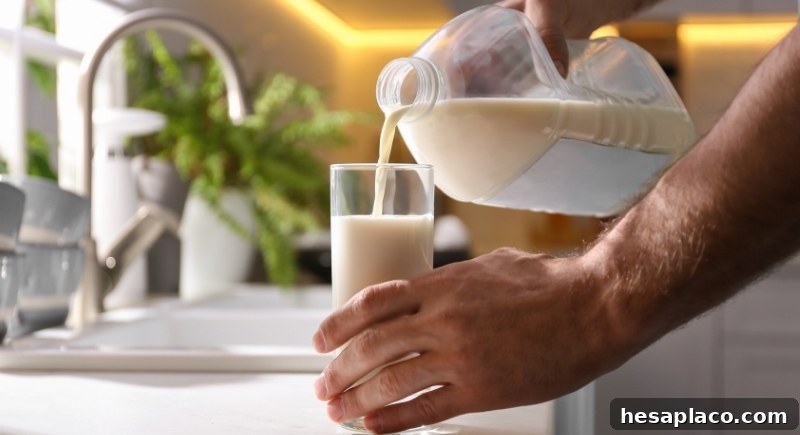
1,120 Gallons of Milk
Credit: Canva
Groceries were relatively inexpensive in the 1950s. Milk averaged about $0.89 per gallon in the mid-decade, and the typical American consumed nearly 30 gallons per year. At that price, $1,000 could buy more than a thousand gallons—enough to supply an individual for many years. Although food made up a larger share of income historically, staple prices tended to rise more slowly than they have in later decades.
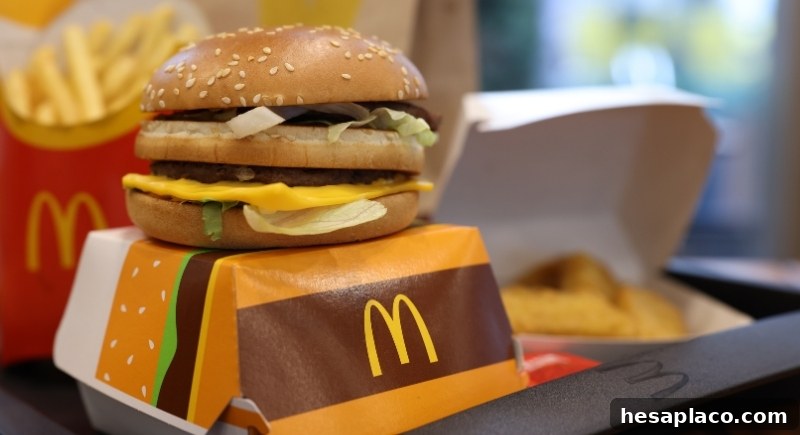
5,263 McDonald’s Cheeseburgers
Credit: Canva
Fast-food prices were notably low: a McDonald’s cheeseburger sold for about $0.19. Ray Kroc began franchising McDonald’s in 1955, and the chain’s simple menu and efficient “Speedee Service System” kept prices down as it expanded across the country. At that rate, $1,000 could buy over 5,000 cheeseburgers—an illustration of how inexpensive many everyday items were compared with modern costs.
182 Date Nights

Credit: Getty Images
A typical dinner for two cost around $5, and a movie ticket averaged about $0.65, so an evening out generally stayed under $6. With those prices, $1,000 could fund roughly 182 date nights. Nowadays, a comparable night out—dinner plus a movie—often exceeds $75 in many locales, making regular outings far more costly.
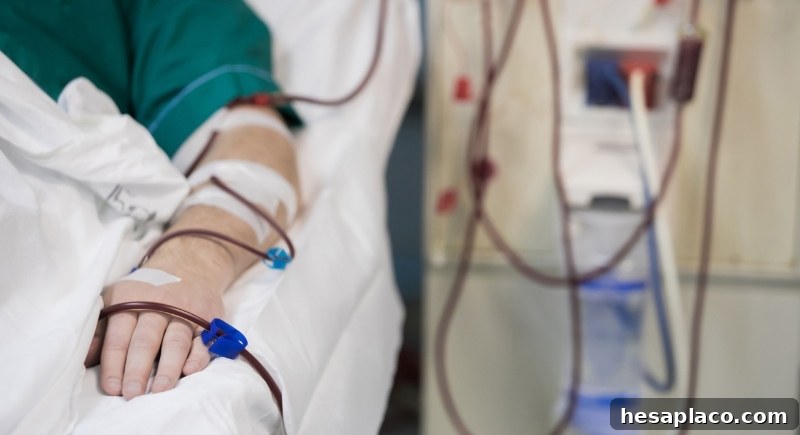
50 Days in Hospital
Credit: Getty Images
Employer-sponsored health insurance became more common after World War II, and programs such as Blue Cross helped standardize coverage. Around 1960, U.S. healthcare spending was about 5% of GDP. In the earlier period, the average daily cost of a hospital room was near $20, so $1,000 could cover roughly 50 days of hospital care. Today’s medical bills can produce far greater financial strain than they did then.
13 Months of Rent

Credit: Canva
Housing costs were more manageable for many households. Median monthly rent in numerous U.S. cities ranged from $70 to $80, and the median home price in 1955 was around $18,000—making a 20% down payment often less than $4,000. Shorter mortgage terms and rising real wages enabled many single-income families to purchase homes. Since then, home prices in many markets have increased faster than incomes, widening the affordability gap.