
There are countless books about personal finance: from stock trading to retirement planning, the options can feel overwhelming. Sifting through dozens of titles to find the ones that actually apply to your situation can take months. How can you tell which books will help you most?
Personal finance is, by definition, personal. You need books that address your specific goals and circumstances—whether that means paying off debt, teaching kids about money, or planning for early retirement. Reading books that don’t apply to your needs wastes both time and money. That’s why this curated list focuses on practical, accessible personal finance titles that cover a range of topics and life stages. These selections will narrow your to-read list and help you move toward greater financial security and freedom.
Unshakable: Your Financial Freedom Playbook — Tony Robbins
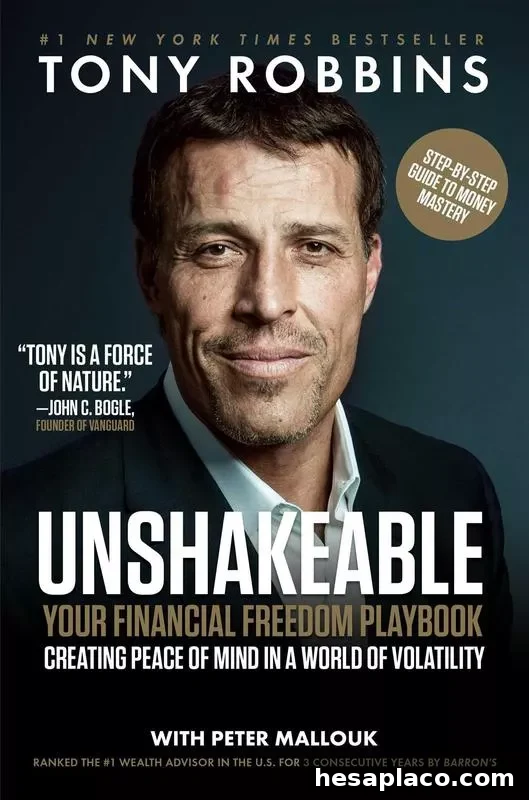
As a concise companion to Robbins’s longer Money: Master the Game, Unshakable is ideal for readers with limited time. It outlines the key players in finance, common conflicts of interest, typical pitfalls, and practical strategies to avoid them. Robbins argues that financial resilience is as much a mindset as a balance sheet. At roughly 257 pages, this book offers dense, actionable guidance that can help improve almost any financial situation without overwhelming the reader.
Make Your Kid a Money Genius (Even If You’re Not): A Parents’ Guide for Kids — Beth Kobliner
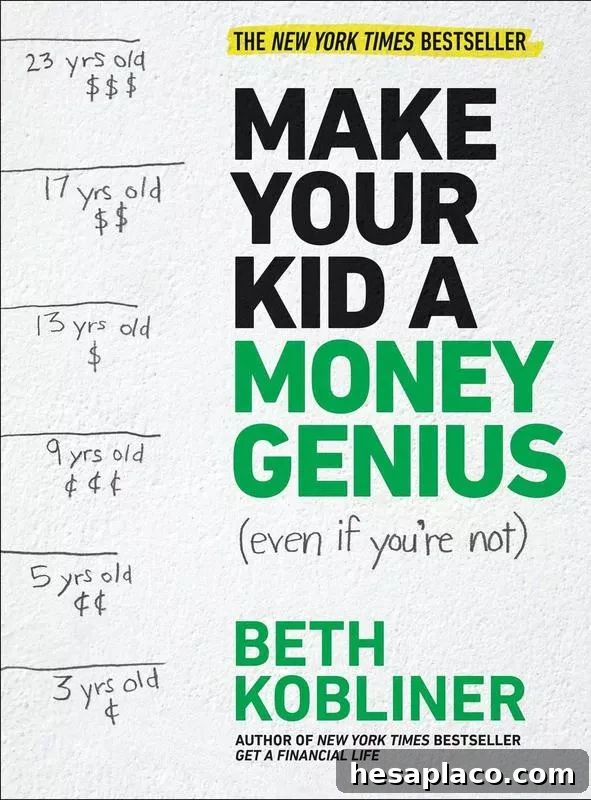
If you want your children to have the financial literacy you may not have had, Kobliner’s guide is an excellent resource. The book breaks down age-appropriate conversations and practical steps for teaching kids about saving, spending, and setting goals. It’s a quick, engaging read with tips that benefit both parents and children, making it easy to start building your child’s money foundation early.
How to Make Your Money Last: The Indispensable Retirement Guide — Jane Bryant Quinn
Retirement planning often sounds dreamy when you’re young and worrying when you’re older. Quinn’s guide helps bridge that gap by offering practical advice on how to stretch your retirement savings and make informed choices as you age. It’s a solid pick for those who recognize the long-term value of saving now to secure a more comfortable future.
I Will Teach You to Be Rich — Ramit Sethi
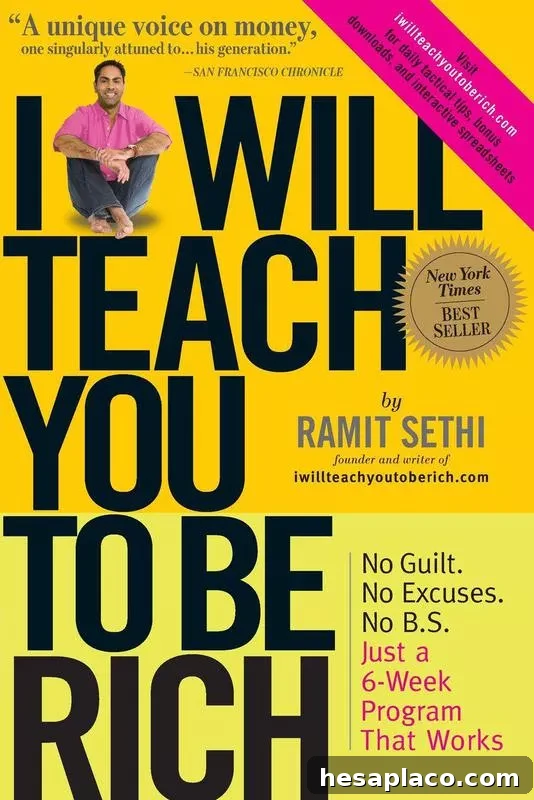
Sethi’s book is a straightforward, motivating guide for beginners—especially useful for millennials and young professionals who want a jump-start. The message is simple: start now and focus on implementation rather than perfection. Sethi lays out a six-week plan that prioritizes automation, smart spending, and investing so readers can begin improving their finances immediately.
Investing 101: From Stocks and Bonds to ETFs and IPOs — Michele Cagan
This primer is tailored to those new to investing. Cagan explains stocks, bonds, ETFs, and IPOs in clear terms and offers a solid foundation for building a diversified portfolio. Even experienced investors can benefit from the book’s straightforward explanations and practical examples.
The Truth About Your Future: The Money Guide You Need Now, Later, and Much Later — Ric Edelman
Edelman’s book takes a broader view, examining how technological and social changes will influence retirement, income, and healthcare. He encourages readers to adapt to rapid change and plan for a future where careers and industries evolve quickly. This book helps readers think strategically about long-term financial resilience amid shifting economic landscapes.
The Automatic Millionaire: A Powerful One-Step Plan to Live and Finish Rich — David Bach
Bach emphasizes the power of automation: setting up your finances so saving and investing happen without constant effort. He doesn’t promise instant riches, but shows how disciplined, automated actions—like diverting paychecks into savings and retirement accounts—make wealth accumulation much more achievable. A readable, practical guide for beginning savers.
How to Retire With Enough Money: And How to Know What Enough Is — Teresa Ghilarducci
Ghilarducci focuses on realistic, practical steps to avoid debt, maximize retirement account benefits, and define what “enough” looks like. Geared toward conservative planners, this book offers clear guidance on how to protect your retirement and adjust spending habits to meet long-term goals.
Pogue’s Basics: Money — David Pogue
Pogue’s money book is full of practical tips and shortcuts to save in everyday life. From getting better value on travel and services to understanding common marketing tricks, this guide helps you avoid wasteful habits and make smarter buying decisions. It’s a hands-on manual for keeping more of your hard-earned cash.
The Millionaire Next Door: The Surprising Secrets of America’s Wealthy — Thomas J. Stanley & William D. Danko
Stanley and Danko reveal that high income does not always equal wealth. Many truly wealthy people live frugally, save consistently, and avoid flashy consumption. Their research highlights behaviors—discipline, modest living, and long-term planning—that more reliably lead to financial independence than simply earning a large paycheck.
Mindful Money: Simple Practices for Reaching Your Financial Goals and Increasing Your Happiness Dividend — Jonathan K. DeYoe
DeYoe blends mindfulness and financial planning, encouraging readers to define their priorities and align spending with values. Drawing on Buddhist ideas about balance and presence, he helps readers simplify goals, reduce impulsive spending, and focus on relationships and gratitude. This approach is especially helpful for anyone seeking a values-driven money plan.
The Index Card: Why Personal Finance Doesn’t Have to Be Complicated — Helaine Olen & Harold Pollack
Olen and Pollack strip personal finance down to essential, practical rules that are easy to remember and implement. Their advice—such as prioritizing credit card debt repayment—focuses on everyday actions that make a real difference. Clear language and straightforward guidelines make this a useful manual for readers at any stage.
The Opposite of Spoiled: Raising Kids Who Are Grounded, Generous, and Smart About Money — Ron Lieber
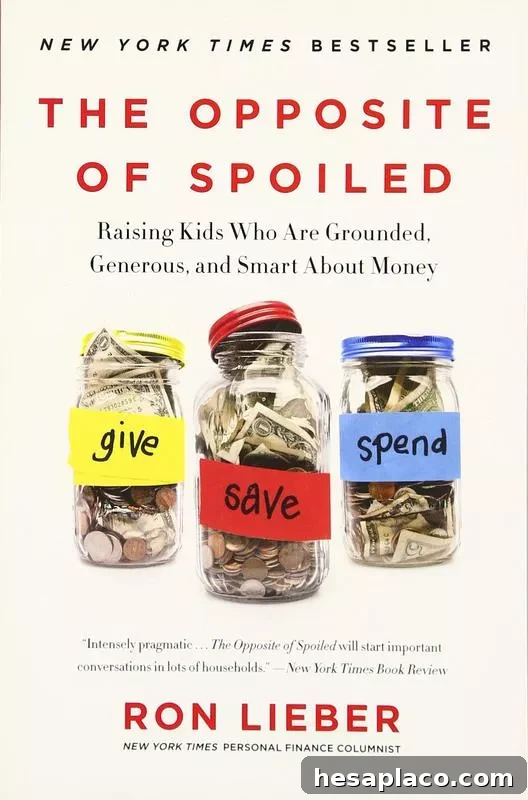
Lieber emphasizes the importance of talking to children about money so they grow into responsible, generous adults. The book offers age-appropriate advice—from preschoolers to college-bound teens—on allowances, chores, and real-world financial lessons. It’s a practical guide for raising money-literate kids and avoiding entitlement.
Your Money or Your Life: 9 Steps to Transforming Your Relationship with Money and Achieving Financial Independence — Vicki Robin & Joe Dominguez
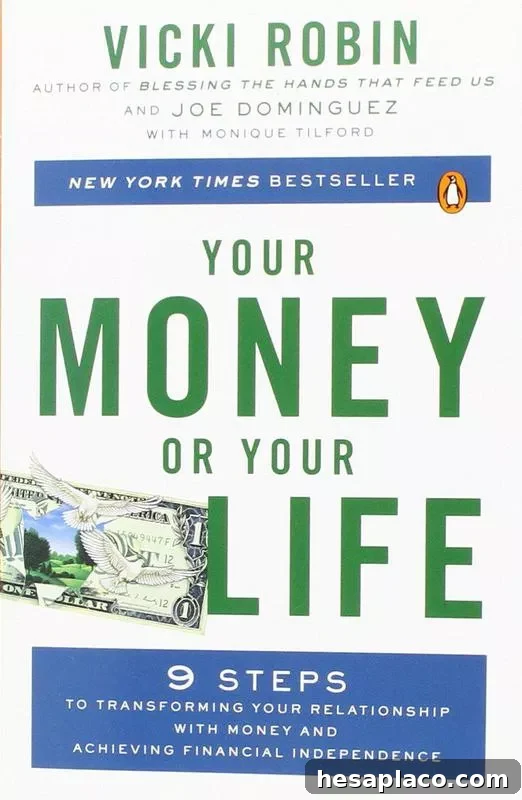
This classic offers a step-by-step program to rethink how you spend and save, emphasizing values, tracking real costs, and aligning money with purpose. Some of the language may feel dated, but the core principles remain powerful and highly relevant for anyone seeking financial independence or a more intentional relationship with money.
The 100 Best Stocks to Buy in 2017 — Peter Sander & Scott Bobo
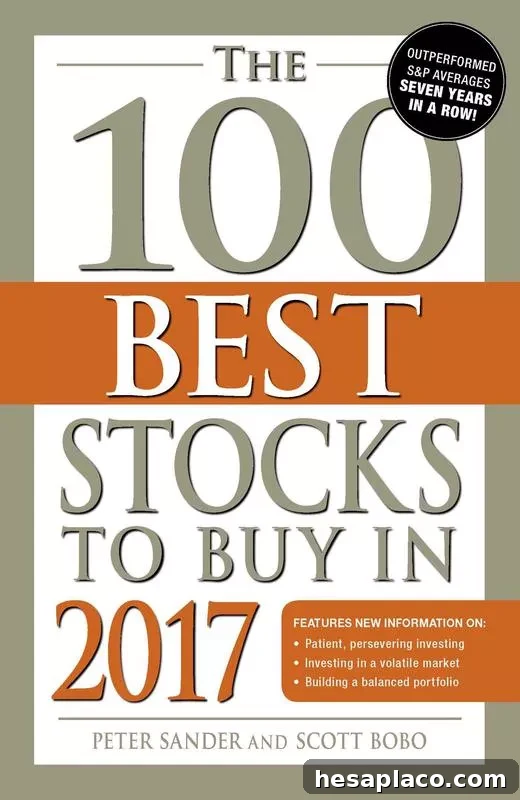
Targeted at active stock pickers, this book outlines strategies for identifying high-performing stocks and dividend payers relative to the S&P index. Although tied to the 2017 market environment, readers can still gain insight into evaluation criteria and approaches for choosing individual equities.
Get a Financial Life: Personal Finance in Your Twenties and Thirties — Beth Kobliner
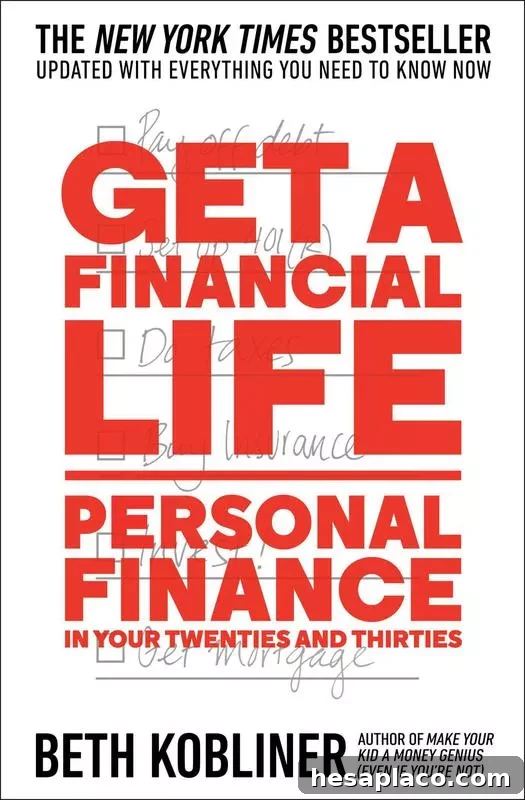
Kobliner’s guide is aimed squarely at young adults facing student debt, high rents, and an uncertain job market. The revised edition reflects today’s economic realities and offers practical habits and strategies for building financial stability in your 20s and 30s. Consider it a modern primer for early-career money management.
What Your Financial Advisor Isn’t Telling You: The 10 Essential Truths You Need to Know About Your Money — Liz Davidson
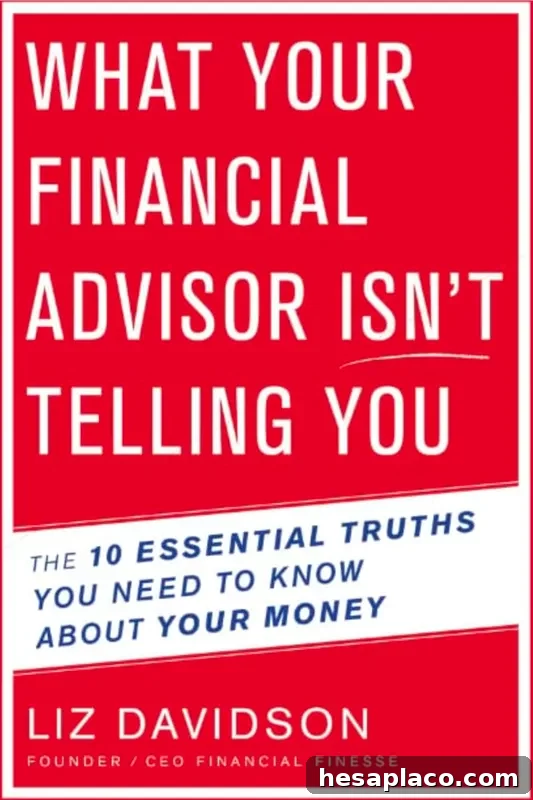
Davidson explains how financial advisors operate, how to select one, and what to watch out for. Her clear, practical advice covers common pitfalls and offers steps to take charge of your financial decisions. This book is helpful for recent graduates and for those later in life who want a better understanding of advisor relationships and fees.
As you follow your own path toward financial freedom, the books you choose will shape your knowledge and decisions. The titles on this list emphasize actionable steps and practical thinking across life stages. Which books have helped you reach your financial goals?