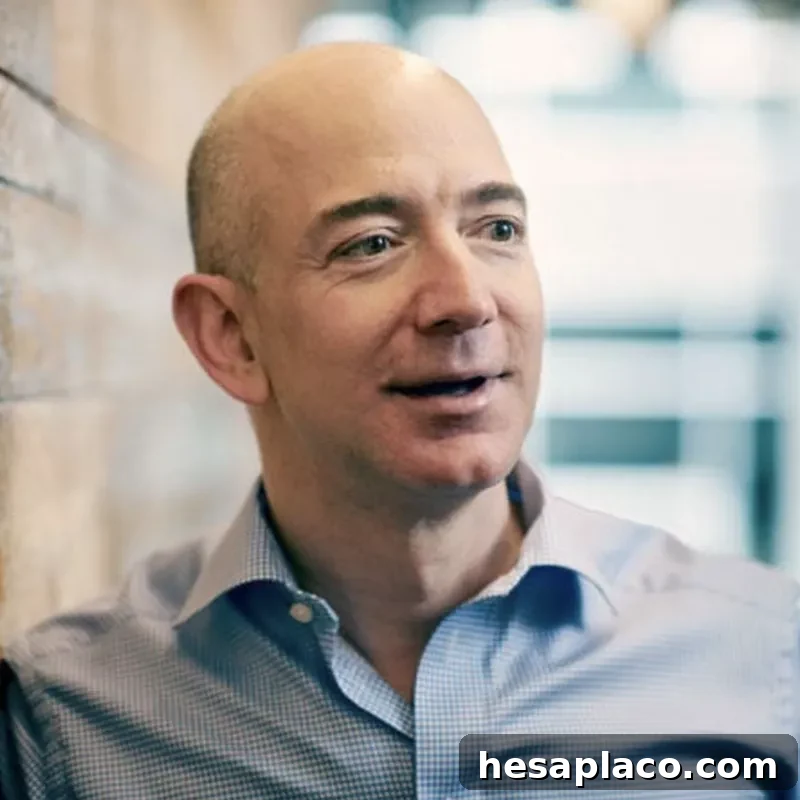
How much money does Jeff Bezos have? A lot. Whether he ranks first, second, or third among the world’s richest people, Bezos—one of the internet’s earliest tycoons—has reshaped how we shop while expanding into television, journalism, aerospace, and cloud computing.
The familiar origin story has him selling books from a Seattle garage in 1995 and later steering Amazon through major milestones like the $13.7 billion acquisition of Whole Foods, which gave the company a substantial brick-and-mortar footprint, and founding Blue Origin to pursue commercial spaceflight.
This article traces Bezos’s journey from curious child to tech titan and investor, and highlights the major moves that shaped his career and the companies he founded.
A Toddler With a Screwdriver

Getty Images
Jeff Bezos was born in Albuquerque, New Mexico, in 1964. His parents, Jacklyn and Ted Jorgensen, separated when he was an infant, and his mother later married Miguel Bezos, a Cuban immigrant who became Jeff’s stepfather and gave him the surname he uses today. Even as a young child he showed mechanical curiosity—taking apart his crib with a screwdriver and later building an alarm to keep siblings out of his room.
The family moved to Houston and then Miami, where Bezos excelled academically and graduated high school as valedictorian. He went on to Princeton University, where he earned degrees in electrical engineering and computer science and led the campus chapter of Students for the Exploration and Development of Space.
His “Regret-Minimization” Framework

Getty Images
Bezos left a well-paying vice president role at a New York hedge fund and drove cross-country to Seattle to start an internet business. He has described the decision as part of a “regret-minimization” framework: he wanted to avoid the future regret of missing the internet boom after reading a report predicting massive growth in online commerce.
Selecting a Name
Getty Images
During the drive he drafted a business plan and tried several names. Cadabra was an early pick, but when an attorney misheard it as “cadaver,” he reconsidered. He briefly favored Relentless—he still owns relentless.com—but friends found it too harsh. He settled on Amazon after finding the entry in a dictionary: exotic, large, and fitting for a company he planned to grow into the world’s largest store.
Starting With Books

Getty Images
Bezos shortlisted about 20 product categories for Amazon’s launch—everything from computer hardware to CDs—but chose books because of their low average price, the vast number of titles, and universal appeal. For Bezos, establishing an early brand and market presence mattered more than the specific product.
He noted that business models can be copied, but a strong brand endures—the same way major chains survived despite imitation.
Rapid Early Growth

Getty Images
Working with wholesalers like Ingram Books, Bezos started shipping orders from his Bellevue, Washington, garage in July 1995. Within two months Amazon was serving customers across all 50 states and in dozens of countries, with weekly sales of about $20,000. Compared with physical bookstores limited by shelf space, Amazon’s ability to list virtually unlimited titles was a crucial competitive advantage.
Legal Challenges Early On
Getty Images
Amazon faced industry pushback as it grew. Barnes & Noble sued three days before Amazon’s IPO, arguing that Amazon misrepresented itself as the “world’s largest bookstore” when it was, in their view, a book broker. The case settled out of court and Amazon continued promoting its expansive reach. Walmart later brought a 1998 suit alleging trade-secret theft; that case was also settled.
No Promise of Immediate Profits
Wikimedia
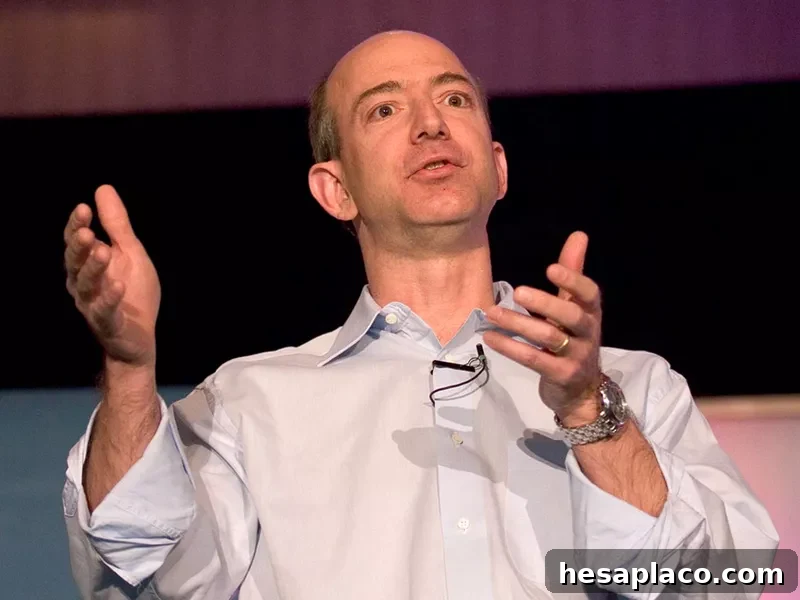
Amazon’s early business plan signaled deliberate, long-term growth rather than quick profits, forecasting that it might not be profitable for four or five years. Investors criticized the slow return, but the strategy helped Amazon survive the dot-com bust. The company posted its first quarterly profit in late 2001: $5 million on $1 billion in sales—modest but symbolic validation for Bezos’s approach.
Criticism Over Workplace Practices
Doc Searls / Flickr
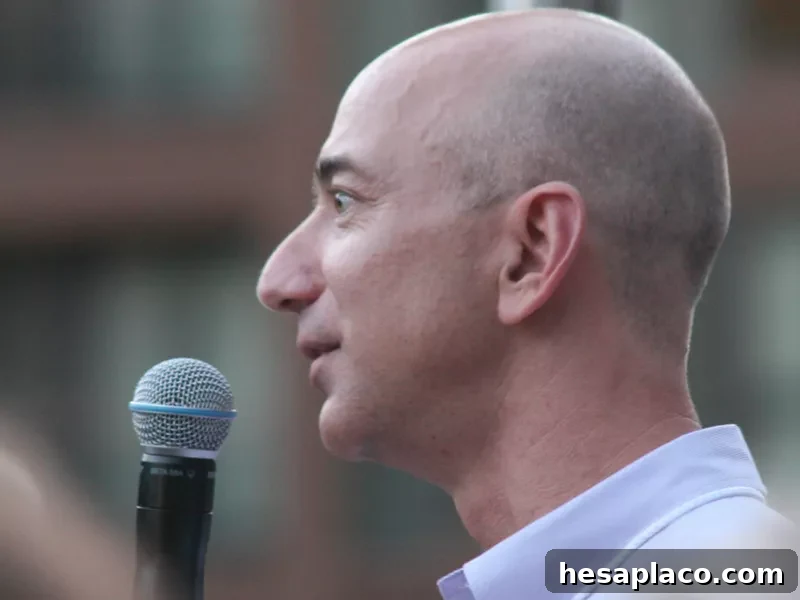
Amazon and Bezos have faced repeated criticism over workplace conditions. In 2014 the International Trade Union Confederation labeled him the “World’s Worst Boss,” and a 2015 New York Times feature painted Amazon’s corporate culture as grueling. Bezos responded publicly, inviting employees to share their perspectives with him directly and disputing the article’s portrayal.
Amazon Today
Getty Images
Amazon has expanded far beyond books. It is the world’s largest online retailer and the leading provider of cloud infrastructure through Amazon Web Services. The company also invests in original film and television for its streaming services and produces consumer electronics such as the Kindle e-reader and Echo smart speaker.
Blue Origin and a Race to Space
Blue Origin
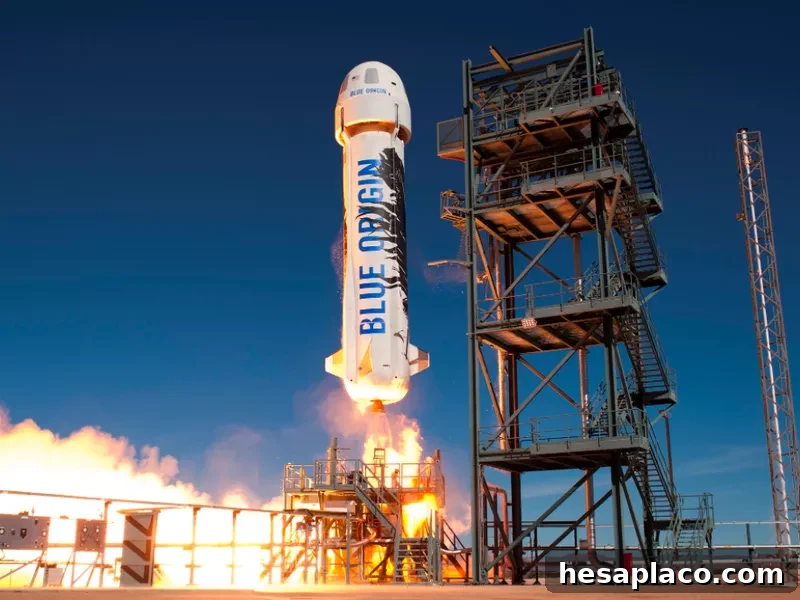
Bezos founded Blue Origin in 2000 with the long-term goal of making space travel safer and more affordable. The company remained largely secretive until it acquired a large test site in Texas in 2006. Setbacks such as a lost test vehicle in 2011 revealed the technical challenges, but the firm continued developing reusable rocket systems. Bezos has said he envisions millions living and working in space, and he funds much of Blue Origin by selling Amazon stock—reportedly about $1 billion per year.
Buying The Washington Post
The Washington Post
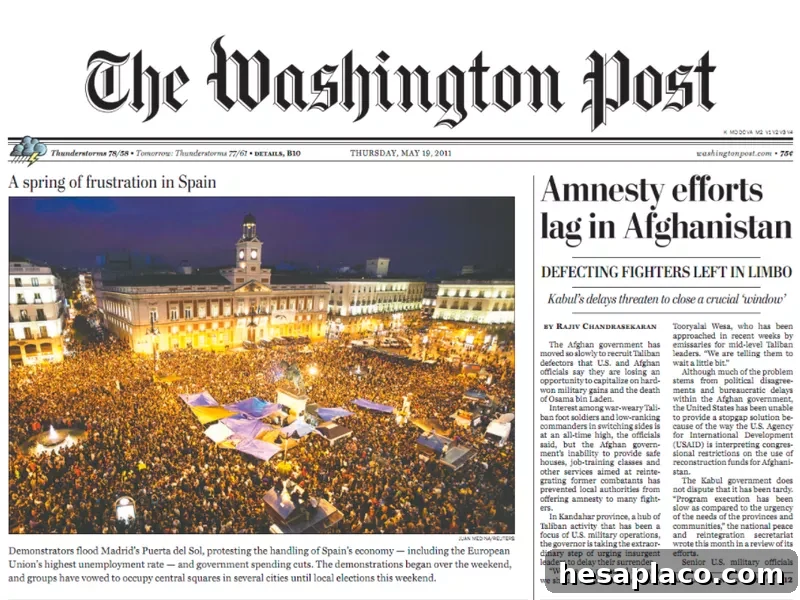
In 2013 Bezos bought The Washington Post for $250 million in cash, a purchase he has described as foregoing extensive due diligence and accepting the seller’s price. He called the acquisition “uncharted terrain” and emphasized experimentation. One of his early changes was lifting the Post’s paywall for subscribers of several regional newspapers, aiming to expand reach and adapt the paper to a digital-first landscape.
Investments, Big and Small
Getty Images
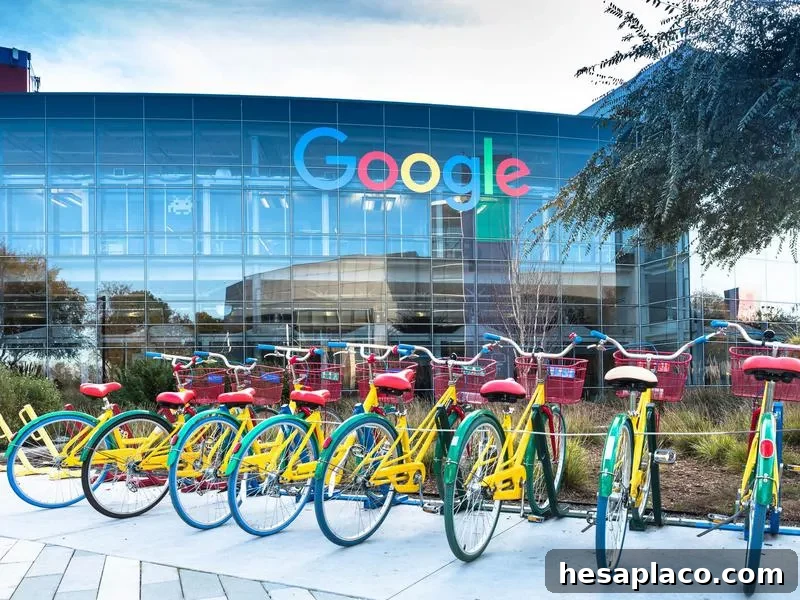
Bezos invested early in Google, buying shares in 1998, and through his investment arm, Bezos Expeditions, he has backed many startups and established tech firms. Portfolio companies have included Uber, Twitter, Business Insider, Nextdoor, and healthcare startups. His investments span consumer tech, social platforms, and healthcare ventures.
Philanthropy and Criticism
Getty Images
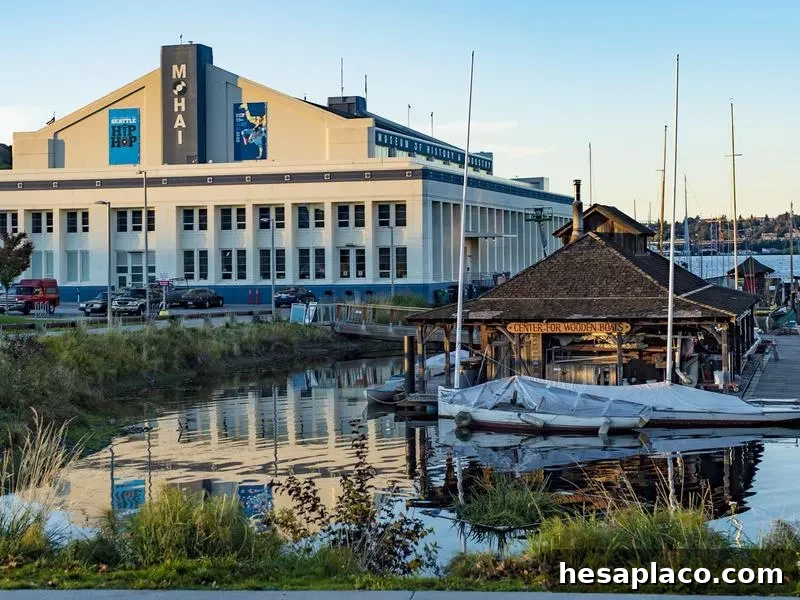
Bezos Expeditions and related family foundations have supported science, education, and health initiatives—donations include $10 million to the Bezos Center for Innovation at the Seattle Museum of History & Industry and $15 million to the Bezos Center for Neural Circuit Dynamics at Princeton. The Bezos Family Foundation has also supported cancer research. Bezos and his former spouse have made personal donations to causes such as same-sex marriage advocacy.
Despite these gifts, critics have argued Bezos’s philanthropic giving lags behind peers in the tech industry. That critique has been a recurring theme in discussions of billionaire philanthropy.
Awards and Recognition
Time Magazine
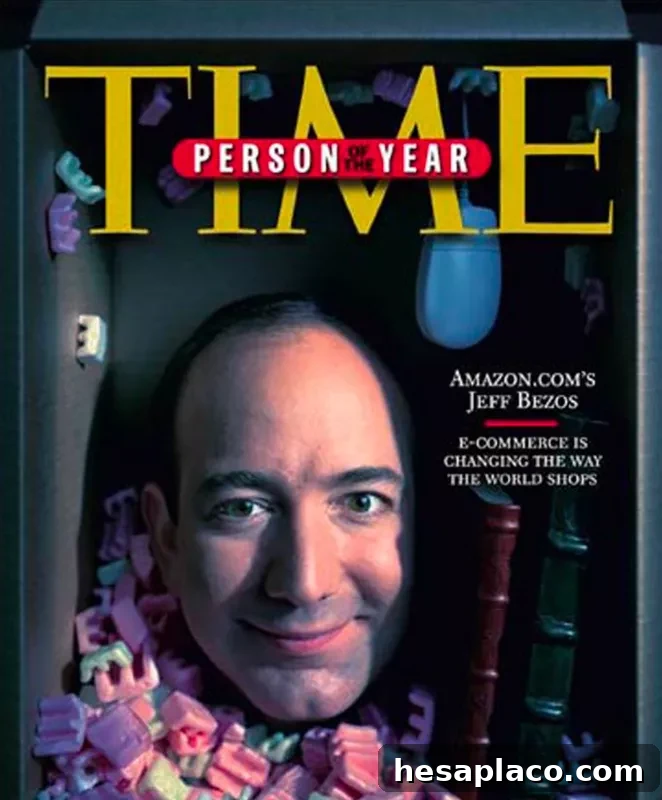
Bezos has received numerous honors: Time magazine named him Person of the Year in 1999, Fortune named him Businessperson of the Year in 2012, and Harvard Business Review recognized him as CEO of the Year in 2014. He has also been listed among Forbes’s top global leaders.
A Costly Divorce and Its Aftermath
Evan Agostini/Invision/AP Photo
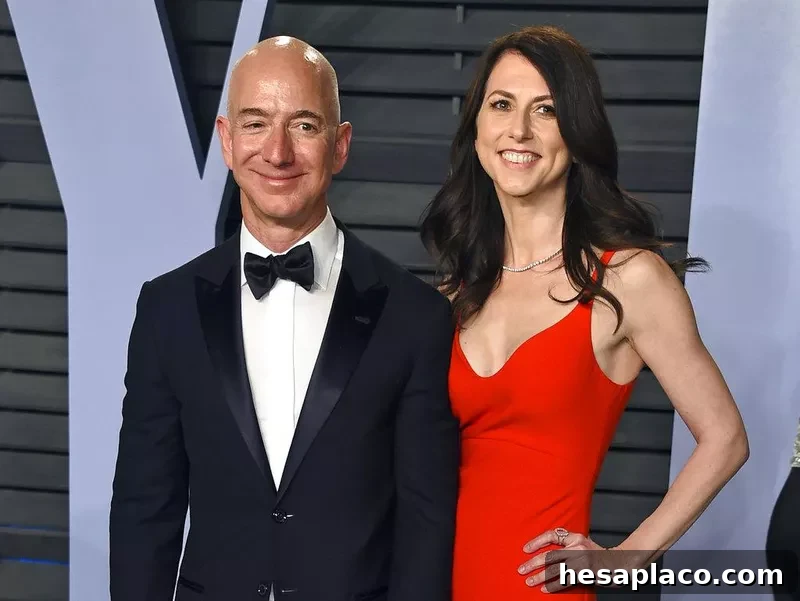
Bezos and MacKenzie Scott divorced in 2019. Scott received a settlement reported at roughly $38 billion and has become a prominent philanthropist, donating large sums to food banks, racial justice, public health, climate efforts, and hundreds of other organizations. The couple continues to co-parent their four children.
Blue Origin’s Milestones
aljazeera / Facebook
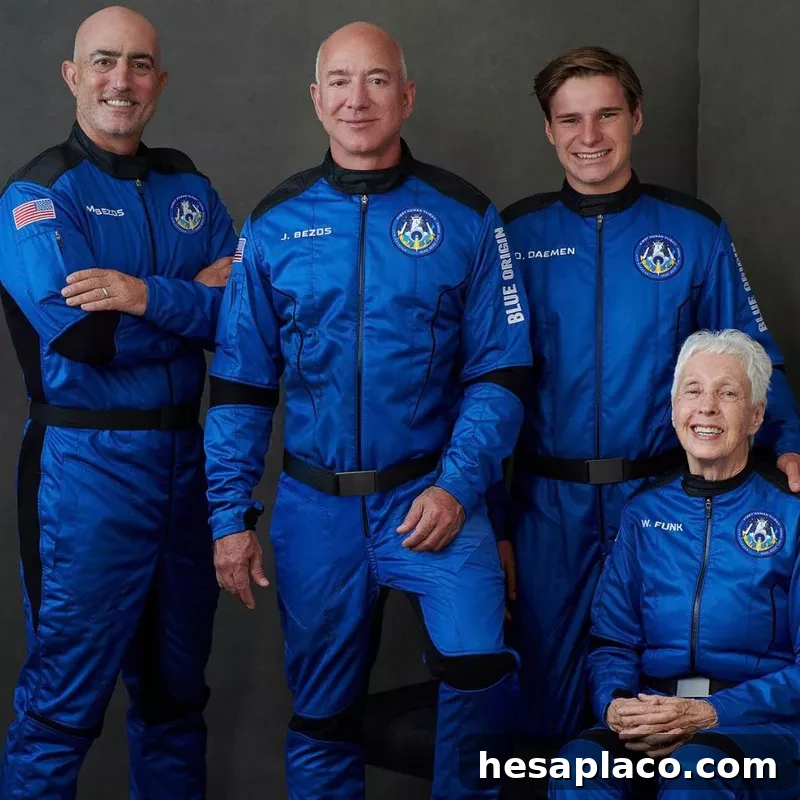
Blue Origin successfully flew its first crewed mission in July 2021, notable for carrying the oldest and youngest people to reach space at that time and for flying paying customers aboard the New Shepard suborbital vehicle. Subsequent flights included prominent passengers such as actor William Shatner.
Bezos Steps Down as CEO
AP Photo
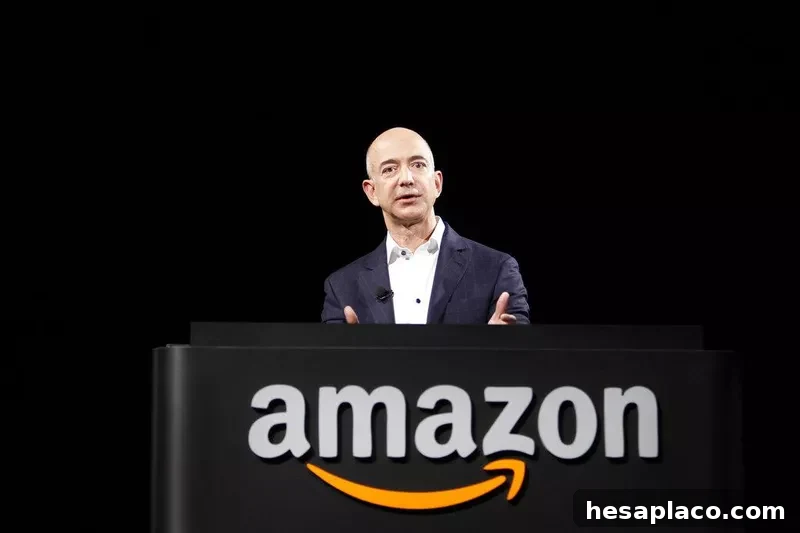
In July 2021 Bezos stepped down as Amazon CEO and became executive chair. He has since focused more on Blue Origin, The Washington Post, and philanthropic efforts including the Bezos Earth Fund and other charitable initiatives.
Wealth Fluctuations and the Pandemic
AP Photo
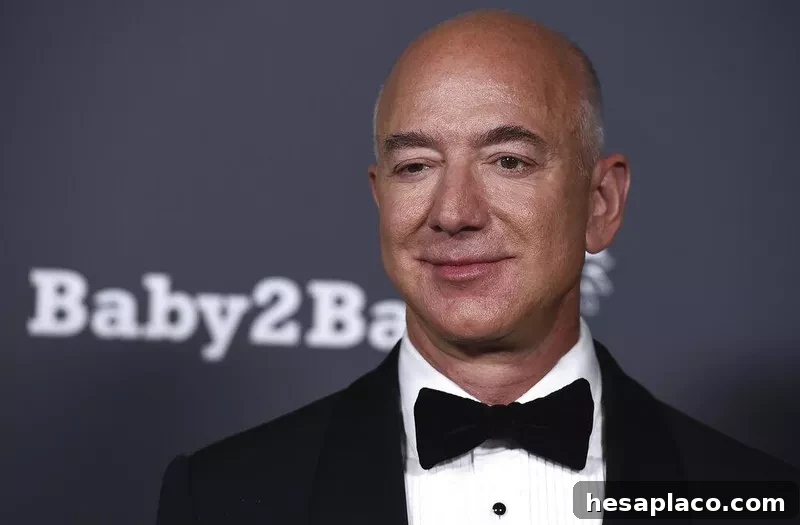
Bezos’s net worth rose substantially during the COVID-19 pandemic as Amazon’s stock surged—his wealth, like that of other tech billionaires, grew dramatically in 2020. As conditions normalized and Amazon faced new challenges, the company’s stock and his net worth have seen sizable fluctuations, including significant one-day losses during market downturns.
Labor Relations and Unionization Efforts
PesceAssociates / Facebook
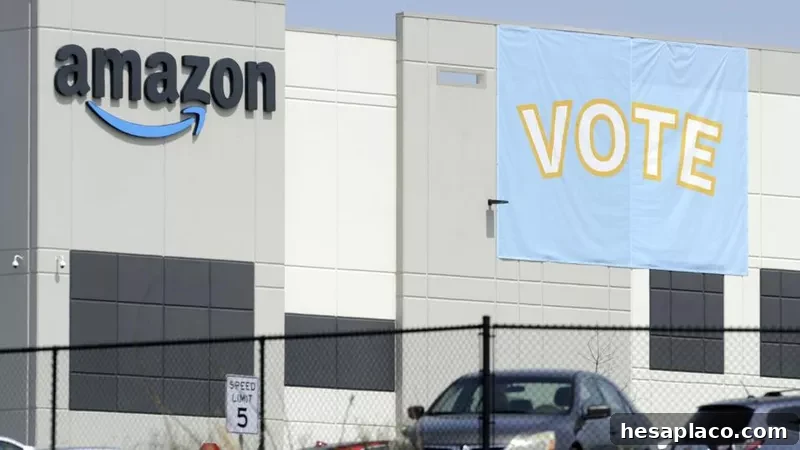
Amazon employees have organized efforts to unionize at multiple facilities, leading to high-profile disputes and political scrutiny. Critics in government have condemned Amazon’s labor practices; some lawmakers have accused the company of using aggressive tactics to deter union drives. Bezos has faced questions about his response to these labor issues, including invitations to testify before Congress.
Rivalry With Elon Musk
fossbytes / Facebook
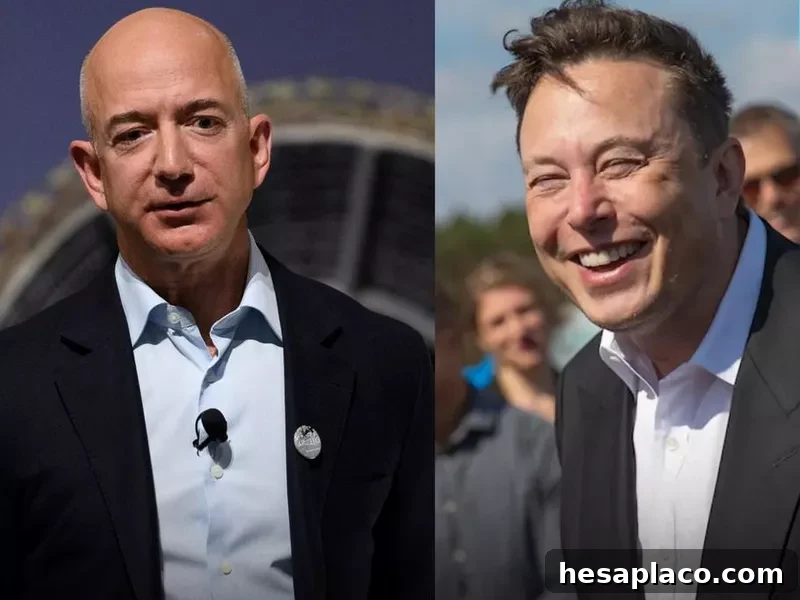
Bezos and Elon Musk have been rivals in the private space industry and have traded public barbs. Disputes have included competing claims and legal challenges over lucrative government contracts, and occasional social-media exchanges that attract wide attention.
Support for Workers Seeking Medical Care
Amanda Andrade-Rhoades / AP Photo
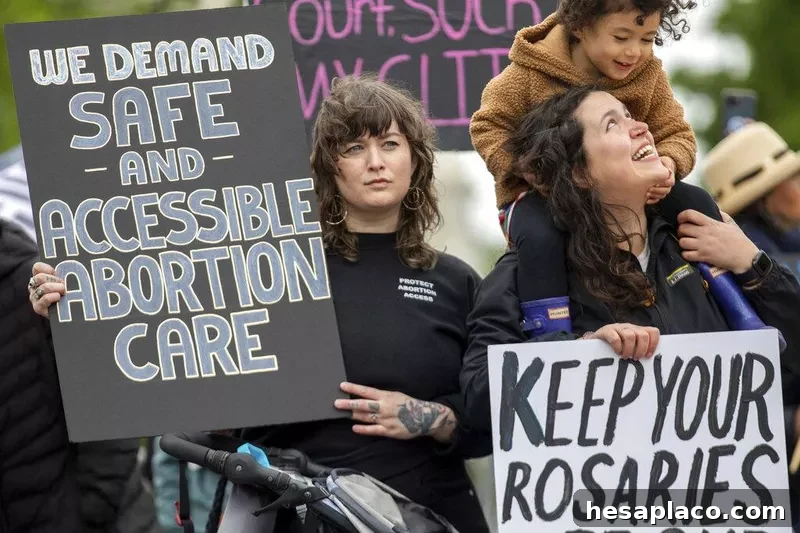
In response to changing legal and healthcare landscapes, Amazon announced benefits to help employees access out-of-state medical procedures, offering up to $4,000 in travel support for certain treatments, including abortion care, when services are not available within a 100-mile radius and virtual care is not an option. The benefit applies to eligible employees and dependents under specified company health plans.
Jeff Bezos’s story combines entrepreneurial ambition, rapid technological scale-up, high-profile investments, philanthropic gestures, public controversy, and a persistent focus on long-term projects—especially space exploration. His influence on commerce, media, and industry continues to prompt debate about the role of powerful tech companies and their founders in society.