
Resigning from a job can be stressful and risky—whether it’s your first time leaving a company or you’re an experienced job-changer. You may worry about how colleagues will react, feel tempted to unload every grievance, fear letting people down, or want to leave abruptly without concern for burned bridges.
Leaving a job doesn’t have to be chaotic. Following these practical do’s and don’ts will help you depart professionally and protect your reputation. A thoughtful exit benefits both you and your employer—and can pay career dividends for years to come.
Giving Notice

When quitting a job, it is customary to provide your employer with at least 2 weeks notice. Getty Images
Do: Give at Least Two Weeks’ Notice
Two weeks’ notice remains the standard courtesy when leaving a position. Providing notice preserves the chance of a positive reference and keeps the door open for future opportunities with that employer. It gives your manager time to find a replacement, reassign projects, and plan training so the team can continue functioning smoothly.
Don’t: Phone It In During Your Final Two Weeks
Even if your workload winds down, don’t slack off or mentally check out. Your remaining days are part of your professional record. Continue to perform at a high level, finish tasks responsibly, and help colleagues where needed—this effort will reinforce a strong reference and protect your reputation.
Resignation Letter
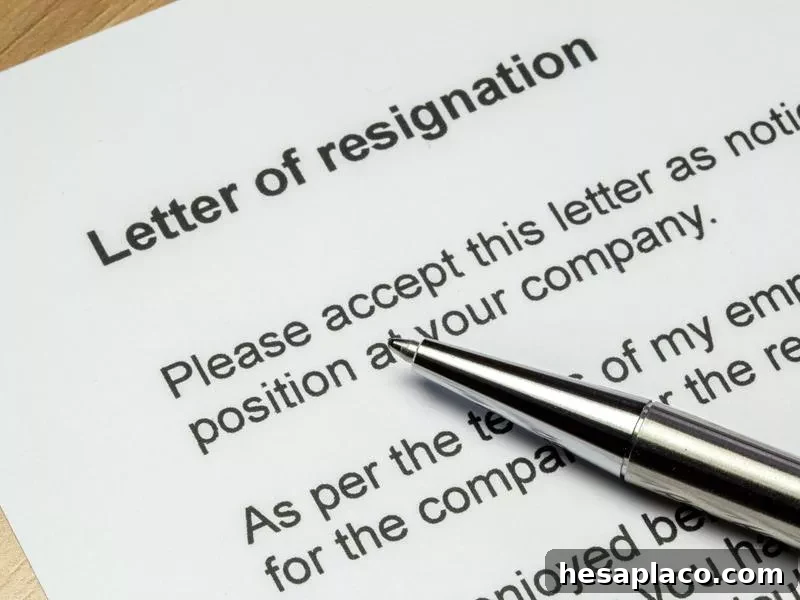
A formal resignation letter can be sent via email. Send the email to your manager and copy the HR department. Getty Images
Do: Submit a Written Resignation
Provide a written resignation—often an email—to document the date you informed your manager and your final working day. Keep the message professional and concise. Treat it as if future employers might see it; that mindset helps you maintain an appropriate, neutral tone.
Don’t: Be Negative in the Resignation Letter
A resignation letter is not the place to air complaints. Keep it factual and unemotional. If you have constructive feedback, save it for an exit interview or a later conversation rather than including criticism in the formal letter.
Exit Interview

During exit interviews, smart companies ask for constructive feedback that might help them better retain their remaining employees. Getty Images
Do: Prepare for the Exit Interview
Exit interviews are common. While you aren’t obligated to participate, preparing thoughtful, balanced feedback is helpful. Be ready to explain why you’re leaving, highlight what you appreciated, and offer constructive suggestions for improvement. Honest, fair responses can provide value and preserve relationships.
Don’t: Unload All Your Grievances
Offer actionable, specific feedback rather than venting. Delivering complaints without constructive suggestions can damage relationships and reduce the usefulness of the conversation. Aim to be helpful and professional.
Counteroffer

Some companies use counteroffers as a retention tool for top-performing employees. Getty Images
Do: Decide in Advance How You’ll Respond to a Counteroffer
Some employers may try to retain valued staff with raises or improved benefits. Before you resign, clarify your priorities: if money is the sole factor, a counteroffer might change your mind; if other issues drive your decision, be prepared to explain them constructively. Knowing your position ahead of time helps you respond calmly and consistently.
Don’t: Rely on Getting a Counteroffer
Do not assume your employer will counter your resignation. While it’s possible, it’s not guaranteed. Be prepared to leave on your announced schedule and confident in your decision rather than expecting a last-minute retention effort.
Mind Your Workspace

Before leaving on your last day, quietly clear out your desk, delete any personal files from shared folders, and clean up your computer. Getty Images
Do: Leave a Clean Workspace
Tidy your desk, remove personal items, and organize any files or documentation colleagues will need. Small courtesies like a neat workspace are remembered and appreciated by coworkers and facilities staff alike.
Don’t: Forget to Return Company Property
Return company-owned devices—phones, laptops, badges, or other equipment—promptly. Leaving items unreturned creates extra work for your employer and can sour your final interactions. Handling returns responsibly is part of a smooth exit.
Transition Time

It’s a good idea to ask your boss what you can do to make your transition easier. Getty Images
Do: Offer to Help with the Transition
Volunteer to document processes, train your replacement, or hand off projects in an organized way. Demonstrating a willingness to support a seamless transition helps your team succeed and preserves goodwill.
Don’t: Be Pressured into Extending Your Stay
If a manager asks you to extend beyond the agreed end date, consider your commitments. Politely but firmly decline if you’ve already accepted another role or made plans. Your primary responsibility shifts to honoring the commitments you made after resigning.
Paperwork for the Future

Asking for a recommendation, as a letter or Linkedin notice, can be intimidating – but it’s worthwhile. Getty Images
Do: Request a Written Reference
A written reference or recommendation can be very useful later. Telephone references are often brief and scheduled at inconvenient times; having a written reference on file gives you a consistent document to share with future employers.
Don’t: Overlook Final Compensation and Benefits Details
Ask HR about unused vacation pay, timing for final paycheck and benefits, retirement account handling, and any other outstanding compensation matters. Clear up these details before you leave so there are no surprises after your departure.
Exit Strategy
Make a considered decision – then stop second-guessing yourself and enjoy the ride. Getty Images
Do: Be Confident in Your Decision
Before you hand in your notice, weigh the pros and cons of leaving versus staying. Make sure you are comfortable with the choice so you can fully commit to the next step. Confidence helps you start the new role with clarity and purpose.
Don’t: Badmouth Your Former Employer
Avoid negative talk about your previous employer in public or professional settings. Gossip or derogatory comments can damage your reputation and make future employers reluctant to hire you. Maintain discretion and professionalism when discussing past roles.
How you leave a job will shape how you begin the next one. By planning your exit carefully, communicating respectfully, and helping make the transition smooth, you protect your professional relationships and set yourself up for future success.