
Money problems are often framed as simple budgeting mistakes, but the root causes usually run much deeper. Childhood beliefs, automatic stress responses, unclear priorities, and long-held habits can derail even those who earn well. Financial behaviors are frequently established long before a first paycheck arrives, and recognizing the real drivers behind money difficulties is the first step toward change.
Below are common, often overlooked reasons people struggle with money. Once identified, these patterns become familiar and easier to address.
Repeating What You Grew Up Around

Credit: studioroman
Many adults manage money the same way their parents did. If saving, budgeting, or investing were absent or feared in your home, you might carry similar habits into your adult life. This isn’t about blame—it’s an opportunity to observe inherited patterns and deliberately choose different behaviors that support your goals.
Assuming Scarcity Is Permanent

Credit: 89Stocker
A scarcity mindset convinces people they’ll never have enough, which often produces short-term thinking and avoidance of long-term planning. When the brain believes resources are permanently limited, saving, investing, or even making practical budget decisions feels pointless. Challenging that mindset with small, achievable goals can help rebuild confidence and foster more forward-looking choices.
Trying to Feel Better Through Spending

Credit: pixelshot
Emotional spending—purchasing to soothe boredom, rejection, or self-doubt—is common. The brief dopamine spike after a purchase can mask discomfort temporarily, but once it fades the underlying feelings return along with regret. Replacing impulsive buys with healthier coping strategies and setting deliberate spending rules reduces the cycle of relief and remorse.
Avoiding Finances During Stressful Periods

Credit: sitthiphong
When life becomes overwhelming, many people shut down financially: bills go unopened, bank accounts are ignored, and budgets are forgotten. While avoidance may feel like protection in the moment, it often worsens long-term outcomes. Regular, small check-ins with your finances prevent surprises and reduce the anxiety that fuels avoidance.
Impulse Spending

Credit: pexels
Impulse purchases feel small in isolation but accumulate quickly, draining savings and creating debt. Many people later regret these buys, which contributes to stress and reactive spending habits. Introducing a simple waiting rule—such as pausing 24–72 hours before non-essential purchases—can curb impulses and preserve funds.
Missing Basic Financial Education
Credit: Getty Images
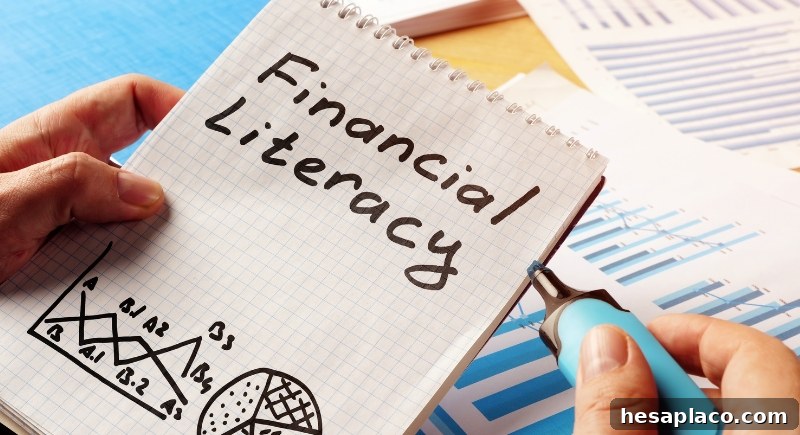
Lack of financial literacy costs people real money. Many adults report significant losses due to not knowing basic money management—budgeting, credit, or retirement planning are rarely taught thoroughly in schools. Building foundational knowledge through books, reputable courses, or financial counseling can close this gap and improve long-term outcomes.
Confusing Debt-Fueled Purchases with Investments

Credit: Prostock-studio
People often label big purchases—cars, large homes, luxury items—as investments when they actually reduce cash flow. The key is distinguishing assets that produce income or appreciation from liabilities that consume money. Evaluating whether a purchase adds lasting value or simply increases expenses helps prevent debt accumulation disguised as wealth-building.
Letting Lifestyle Grow Faster Than Income

Credit: Canva
As income rises, spending often follows. This lifestyle inflation—adding subscriptions, dining out more, or moving to a larger home—can outpace earnings and stall savings. Intentionally freezing certain lifestyle upgrades or automating savings increases as income grows helps ensure pay raises translate into greater financial security rather than higher recurring costs.
Lacking Any Sort of Financial Plan

Credit: Canva
A financial plan doesn’t require complexity. A simple budget, a monthly savings target, and a short list of priorities provide direction and reduce guesswork. Break goals into manageable steps—emergency fund, debt payoff, retirement contributions—and review progress regularly. A roadmap makes better decisions easier and more consistent.
Carrying Debt with No Payoff Strategy

Credit: Getty Images
Assuming debt is permanent keeps balances high and interest compounding. Without a payoff plan, progress stalls. Structured approaches—such as paying off the smallest balance first (snowball) or targeting the highest-interest debt (avalanche)—provide momentum and reduce total interest paid. Choosing a consistent strategy and sticking with it is more important than perfection.
Skipping Emergency Funds

Credit: Canva
Without an emergency cushion, small unexpected expenses can snowball into larger financial crises. Minor repairs or short-term income disruptions may force people to borrow or miss payments. Even a modest emergency fund can absorb shocks and prevent debt from growing when life throws curveballs.
Assuming High Income Solves Everything

Credit: 89Stocker
Higher income increases options but does not automatically change behavior. Many high earners still live paycheck to paycheck because they don’t track spending or save consistently. Behavioral choices—not salary alone—determine whether income leads to lasting financial improvement.
Thinking It’s Too Late to Improve

Credit: Canva
Many give up because they feel the damage is done, but improvement is still possible. People have overcome significant debt, rebuilt savings, and reached retirement after setbacks. Consistency and small, steady changes matter more than achieving perfection immediately. Start with one manageable habit and build from there.
Using Credit as Extra Income

Credit: Canva
Relying on credit cards or loans to fill monthly shortfalls often creates more cost than benefit. Interest charges turn ordinary expenses into long-term obligations. Reducing discretionary spending and building a small buffer before turning to credit helps prevent escalating interest costs and improves resilience.
Overlooking the Impact of Small Daily Choices

Credit: Getty Images
Financial strain rarely comes from one single event; it often results from many small, repeated choices—daily takeout, subscriptions you rarely use, or convenience fees. These expenses compound over time and quietly erode financial stability. Tracking everyday spending for a month can reveal surprising patterns and highlight easy wins for redirecting money toward priorities.
Understanding these common causes helps you make intentional changes. Start with small, measurable steps—build an emergency fund, pick a debt payoff method, set aside a little for saving each month, and reexamine spending triggers. Over time, consistent actions replace harmful habits and lead to stronger, more resilient finances.