
You did your research, slept well, and answered every question thoughtfully and clearly. As your time with the hiring manager winds down, there’s one final question:
“Is there anything you’d like to ask us?”
Hiring experts say this moment can be the most important part of the interview. You’re still being evaluated, and the questions you ask now help distinguish you from other candidates. This isn’t the moment to ask about vacation time or parking; it’s the moment to leave a strong final impression.
“In the many interviews I’ve conducted, there are things I wish candidates had asked,” says Mike Smith, founder of SalesCoaching1. “Those questions often would have pushed them forward. Rarely does one candidate stand so far above the rest that the decision is automatic. Asking the right questions can put you ahead and prompt a job offer earlier in the process.”
The questions you ask demonstrate that you’ve done your homework and have taken time to learn about the company. They also allow you to clarify points you might not have emphasized earlier. Generic questions are unhelpful, and saying nothing is, according to some career consultants, the “kiss of death.” If you have no questions after researching the company, you risk signaling disinterest or indifference.
Prepare at least two thoughtful questions that show genuine interest and reflect your research. Avoid queries that can be answered with a simple “yes” or “no.” An interview should be a conversation, so ask things that invite discussion and insight.
These questions will help you learn more about the company, its culture, and your potential role there. Remember, an interview is as much about determining whether the company is right for you as it is about the company assessing you.
Below are suggested questions to tailor to the role and organization you’re interviewing with.
Get a Sense of the Workplace

There’s often no single “typical day” for many roles, but asking about day-to-day responsibilities helps you determine whether the position matches your skills and expectations. This is also a strong point to highlight later in your thank-you note, reflecting your understanding of the role’s daily demands.
Probe the Corporate Culture
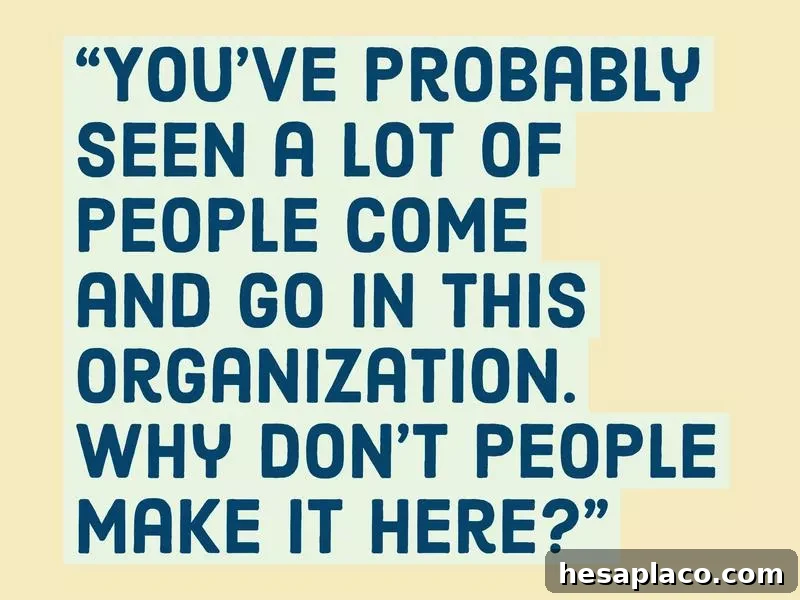
Asking about culture reveals the organization’s values, behaviors that are encouraged or discouraged, and whether you’d fit in from a behavioral standpoint. Thom Fox, chief people officer at Giombetti Associates, notes that this question clarifies cultural context and shows if a candidate will be a strong cultural fit.
Prompt Stories About the Company
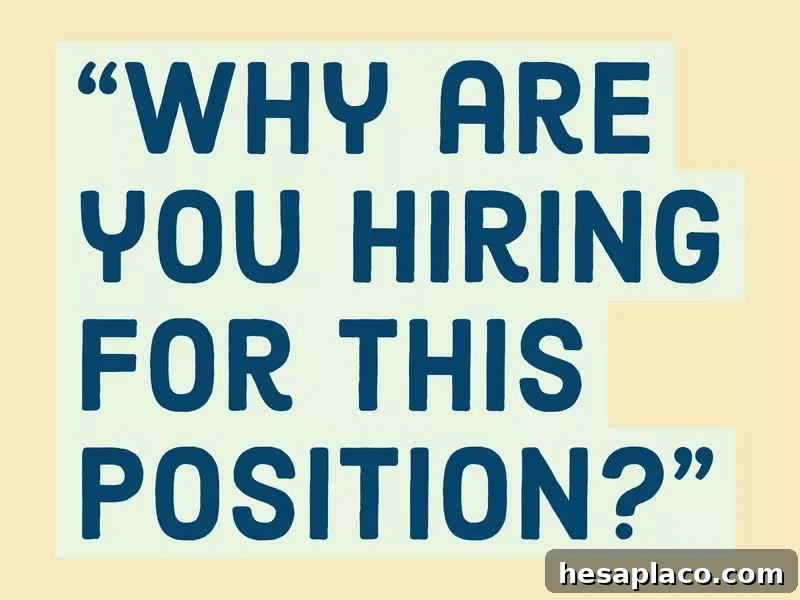
If the role is newly created, ask about how the position came to be and what success looks like. Dana Case, who oversees hiring at MyCorporation, says such questions often prompt useful stories from HR or managers—listen carefully and take notes.
Signal a Career Mindset
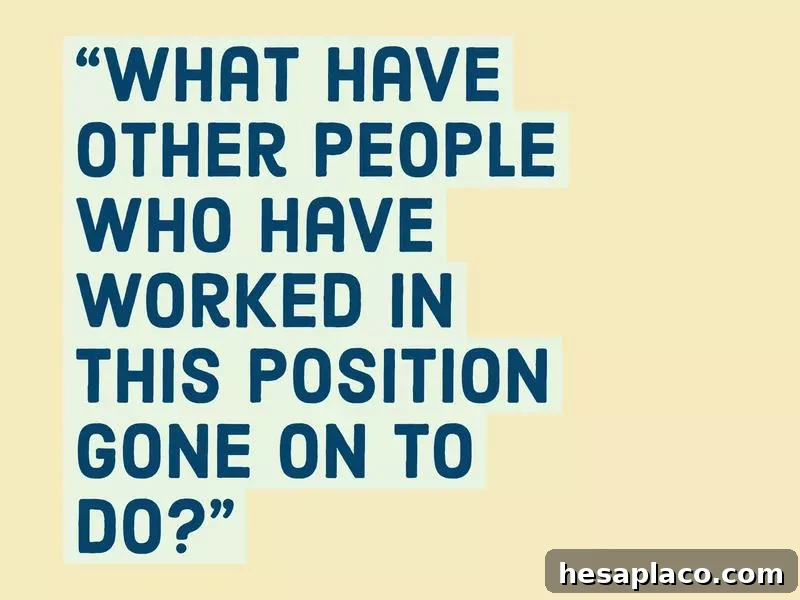
Asking about advancement or typical career paths signals you’re thinking about a future with the company, not just the next job. Career coach April Klimkiewicz explains this shows interest in long-term growth and helps you understand the trajectory for the role.
Inquire About Management Style
Ideally you’ll sense management style during the interview process, but if not, ask directly. Understanding how you’ll be managed—whether the environment is autonomous or hands-on—helps you determine fit. RaShea Drake from Frontier Business Services notes that top candidates ask about management to ensure alignment with their preferred working style.
Glimpse Behind the Scenes
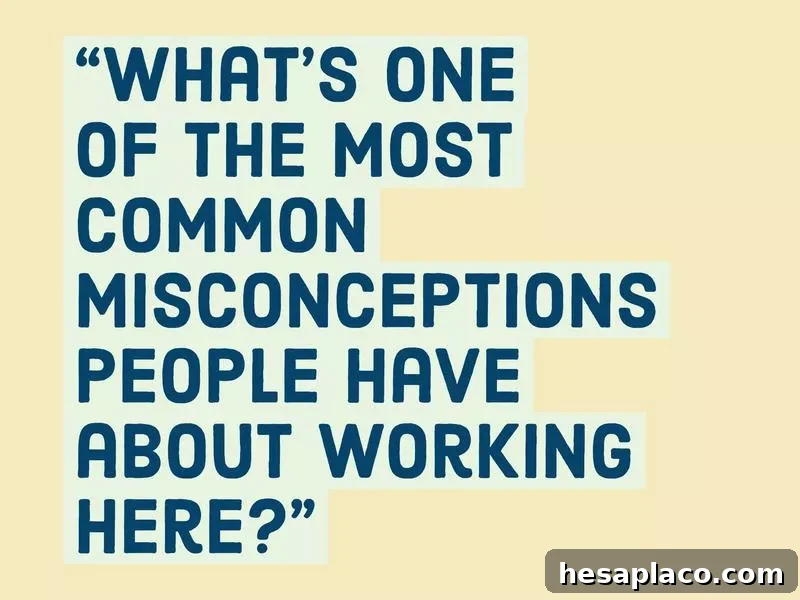
This question goes beyond press headlines and standard talking points to reveal what life is really like inside the organization. Career change consultant Joseph Liu says it offers a unique behind-the-scenes view that helps you judge day-to-day realities.
Ask About Projects
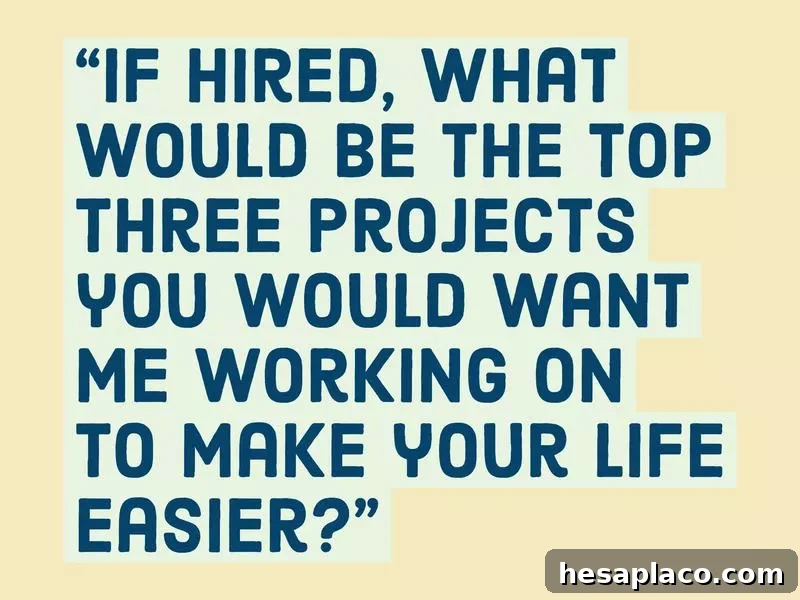
Inquiring about current or upcoming projects shows you’re ready to picture yourself in the role. Anne Stuart of Lanetix recalls an interviewer who asked this and used the answers to build a candidate-specific 30-60-90 day plan—helpful both for the candidate and the hiring manager.
Gauge Expectations

This question clarifies what success looks like in the first months on the job. It helps you focus your priorities from day one and ensures you understand what the manager expects when evaluating performance.
Fitting In
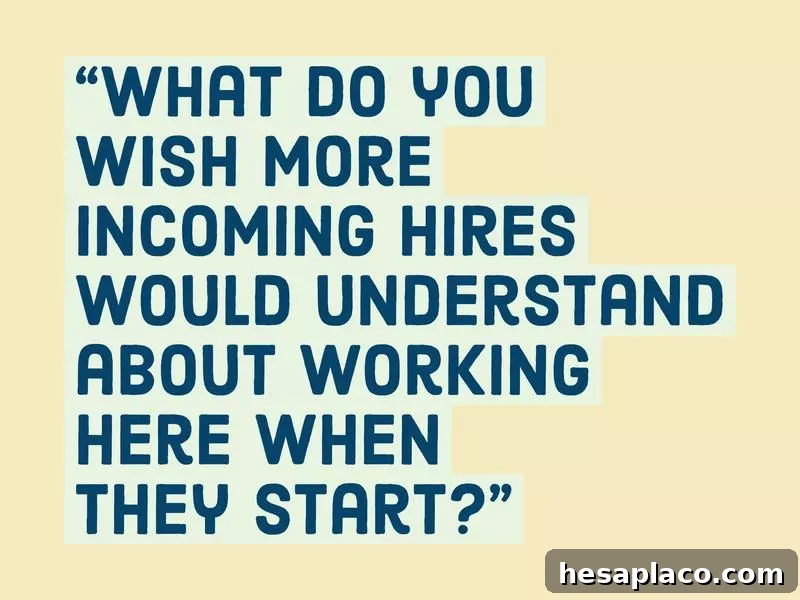
Asking how new hires typically integrate into the team gives practical insights into workplace norms and expectations. Joseph Liu notes this conveys your desire to understand what it takes to succeed and how the company’s way of working might differ from your current environment.
Investigating the Culture
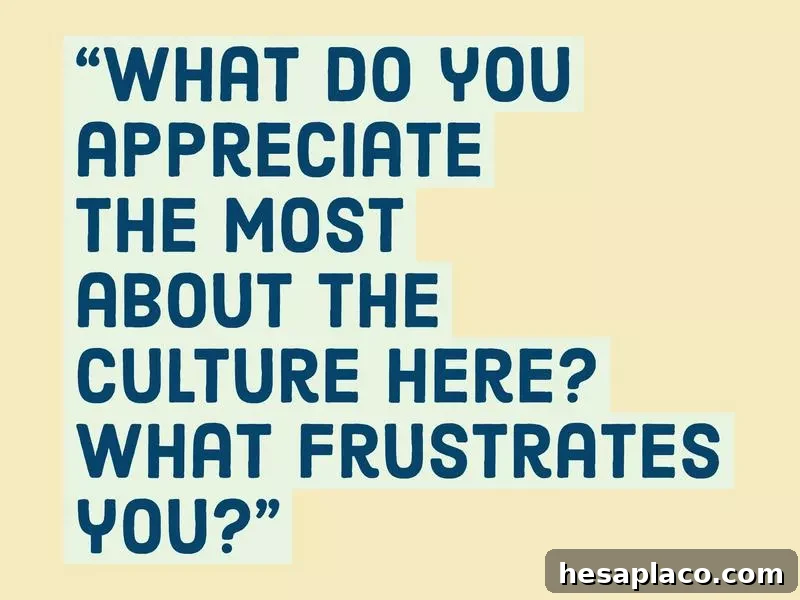
Asking managers and team members about effective ways of working shows you want to fit in and learn from their perspective. Liu points out that hiring managers appreciate candidates who take time to understand organizational norms, and the answers help you assess cultural fit.
Looking Into the Future

Questions about the company’s vision and long-term goals reveal whether the organization’s direction aligns with your own career plans. This also signals to the hiring manager that you’re considering a long-term commitment. If you’re interviewing for a short-term or contract role, a useful variation is to ask: “What are the biggest challenges the company faces right now?”
Be in the Hunt
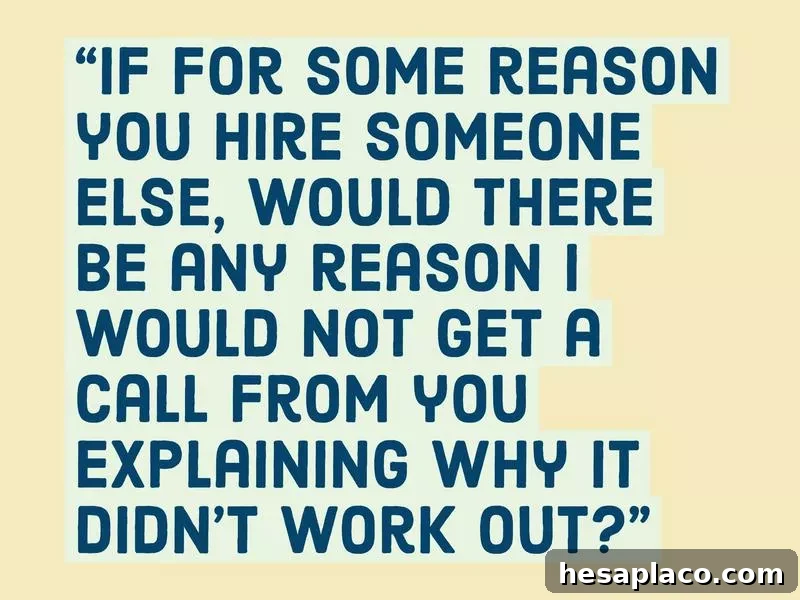
Mike Smith suggests demonstrating you’re actively pursuing the role. If asked what you’d do if someone else were chosen, consider explaining you’re interviewing elsewhere but would prefer this company. Conveying genuine interest and selective engagement can leave a strong impression.
Address Perceived Weaknesses
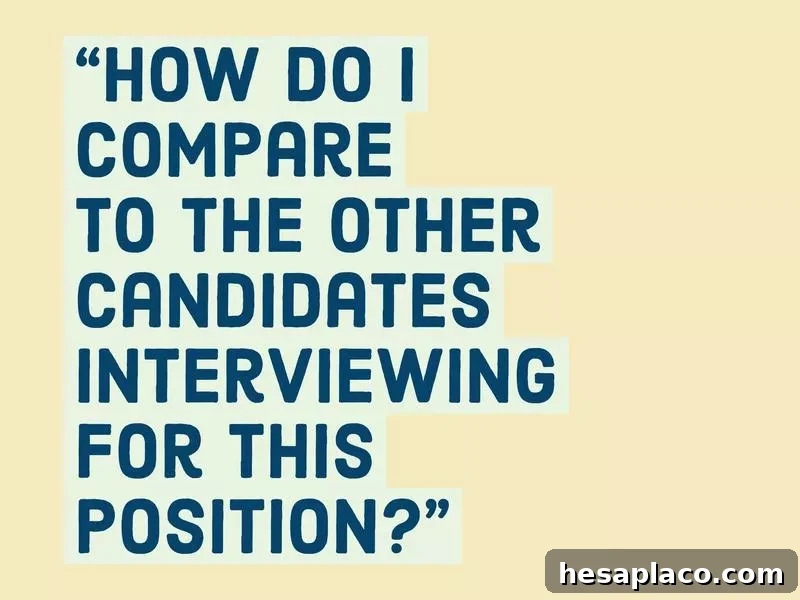
This question can be risky because it puts the interviewer on the spot. However, if the interview has gone well and you’ve built rapport, asking about any concerns the interviewer might have gives you a final chance to address potential reservations and reinforce why you’re the right fit.
Ultimately, the questions you ask at the end of an interview should show curiosity, preparation, and alignment with the role and company culture. Thoughtful, open-ended questions not only help you gather the information you need but also demonstrate you’re a serious candidate invested in mutual fit and long-term success.