Once upon a time, telling someone you were paid to sleep or to plan virtual weddings would have earned a puzzled look. A few decades later, many of those unusual jobs exist—and they pay well. The rise of social media, mobile technology, and digital platforms turned niche skills into real careers, so quirky talents can now lead to substantial incomes.
App Developer

Credit: SeventyFour
Not long ago, “app developer” wasn’t considered a real job. In the late 1980s, programming was primarily the domain of researchers and large corporations. Everything shifted in 2008 with the launch of the Apple App Store, which transformed app development into a global industry and opened the door for independent developers and startups to build products for millions of users.
Social Media Manager

Credit: Getty Images
In the early days of social networks, companies often handed login credentials to interns and hoped for the best. Platforms like Facebook and Myspace began as social hangouts, not marketing powerhouses. As social networks matured and audiences grew, businesses recognized their marketing potential—and social media managers became essential for shaping brand voice, engagement strategies, and online campaigns.
Ride-Share Driver
Credit: Wikimedia Commons
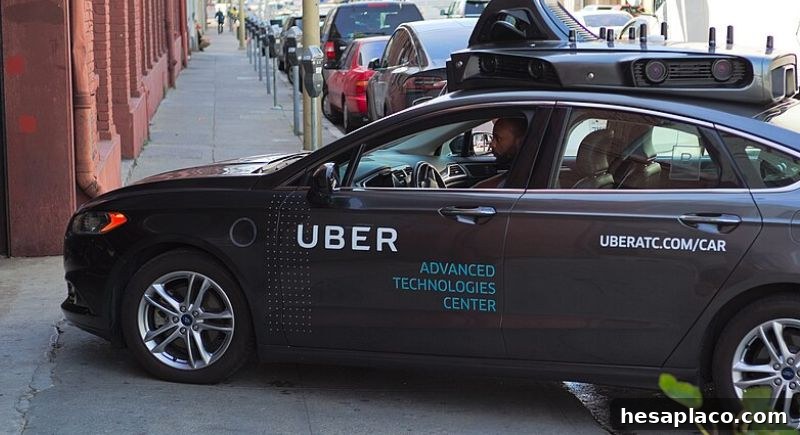
Before ride-share apps, catching a ride often required flagging down a cab or waiting on a dispatcher. The arrival of UberCab in San Francisco changed transportation: a few taps on a phone connected riders and drivers instantly. As the industry expanded globally, everyday drivers gained flexible, on-demand earning opportunities that reshaped urban mobility.
Autonomous Vehicle Engineer

Credit: Wikimedia Commons
The notion of a self-driving car once belonged to science fiction. Early research projects in the 1980s laid the technical foundations for modern autonomy, and today autonomous vehicles are active in testing and commercial pilots in several cities. Engineers working on sensors, perception, control systems, and AI are now at the forefront of a major shift in transportation.
Cloud Computing Specialist

Credit: SeventyFour
Companies once stored data in on-site server rooms, managing hardware and dealing with constant maintenance. Cloud computing changed that model by making scalable storage and computing power available on demand. Cloud specialists who design, migrate, and secure infrastructure now guide businesses through digital transformation and ensure reliable, cost-effective operations.
YouTube Content Creator

Credit: Canva
When YouTube launched in 2005, it introduced a new way for people to share video content. The platform’s Partner Program, introduced in 2007, allowed creators to monetize their channels, turning hobbyist uploads into sustainable careers. Today, video creators earn income from ads, sponsorships, merchandise, and membership programs.
Drone Operator

Credit: Getty Images
Drones evolved from early experimental uses to mainstream applications in film, agriculture, surveying, and logistics. Professional drone operators pilot unmanned systems for aerial photography, inspections, mapping, and deliveries. With specialized skills and certifications, operators command competitive salaries and find opportunities across industries.
Podcast Producer

Credit: Getty Images
Podcasting democratized audio storytelling: anyone with a microphone and internet access can produce and distribute shows. Producers handle planning, recording, editing, sound design, and distribution. Successful podcasts can monetize through sponsorships, listener support, and partnerships, creating sustainable careers behind the mic.
Esports Coach

Credit: Getty Images
Competitive gaming evolved from casual play to organized leagues with professional teams and large prize pools. As competition intensified, teams began hiring coaches to analyze strategies, train players, and manage team dynamics. Esports coaches play a critical role in turning raw talent into consistent, high-performing teams.
Virtual Reality Developer

Credit: Getty Images
Virtual reality has roots in experimental systems from the mid-20th century, but only recent advances in hardware and graphics have made immersive experiences practical and affordable. VR developers create interactive worlds for gaming, training, therapy, and simulation, combining programming, design, and storytelling to craft believable virtual environments.
Virtual Assistant

Credit: Getty Images
Remote administrative work has grown into a broad field of virtual assistance. Starting in the 1990s, entrepreneurs recognized that many office tasks could be handled remotely. Today, virtual assistants provide scheduling, communication, bookkeeping, research, and customer support services to businesses and entrepreneurs worldwide.
Chief Sustainability Officer

Credit: Getty Images
Environmental responsibility moved from voluntary programs to strategic priorities as companies faced regulatory pressure and changing consumer expectations. The creation of Chief Sustainability Officer roles marked a shift: organizations began appointing executives to integrate sustainability into operations, strategy, and reporting.
Cryptocurrency Advisor

Credit: iStockphoto
The emergence of Bitcoin and other cryptocurrencies opened a complex new financial landscape. Cryptocurrency advisors help investors and companies understand market dynamics, manage risk, and comply with evolving regulations. Their guidance is valuable in an industry known for rapid price swings and technical complexity.
AI Ethics Officer

Credit: Getty Images
As AI systems grow more capable, organizations increasingly appoint specialists to address ethical, legal, and societal concerns. AI ethics officers develop policies, evaluate risks such as bias and privacy violations, and ensure responsible deployment. Companies that prioritize ethical AI help build trust and reduce the likelihood of harmful outcomes.
Data Scientist

Credit: Getty Images
Businesses in the early 2000s accumulated vast quantities of data that traditional tools couldn’t easily analyze. The emergence of data science gave organizations the methods and tools to extract insights from complex and unstructured datasets. Data scientists combine statistics, programming, and domain expertise to inform decisions across marketing, operations, and product development.
Professional Sleeper

Credit: Getty Images
Paid napping may sound too good to be true, but sleep research labs, mattress manufacturers, and wellness brands hire professional sleepers to test products and measure sleep quality. These roles require disciplined observation, detailed reporting, and the ability to follow strict study protocols—turning restful expertise into legitimate paid work.
Professional Line Stand-In

Credit: Getty Images
When demand surges for limited releases, tickets, or time-sensitive filings, some people hire others to hold their place in line. Professional line stand-ins wait on behalf of clients for product launches, events, or administrative appointments. Paid by the hour, these workers turn patience and reliability into a steady side income or full-time gig.