
When it comes to your resume, it’s not only what you say but how you present it.
Even if you’re highly qualified for a role, you must position yourself as the ideal candidate. If you fail to do that, your abilities won’t matter because you may never get the opportunity to demonstrate them.
Use the following guidance to craft a polished resume that positions you as a top candidate for the roles you want.
Study Strong Resume Examples

JESHOOTS / Unsplash
Before drafting your resume, review high-quality examples to learn what stands out. Browse online galleries, look at templates, or ask colleagues whose résumés you admire. Pay attention to structure, tone, and formatting choices that make those resumes easy to read and memorable.
Draft your resume with those features in mind, then revise it several times to tighten language, clarify accomplishments, and adopt the strong visual cues you observed.
Keep It Under Two Pages

rawpixels.com / Unsplash
While one-page resumes are no longer mandatory for every candidate, brevity still matters. Aim for a maximum of two pages. If your resume spills onto a third page, tighten wording, remove less relevant items, or simplify formatting.
What you choose to include or exclude signals how you make professional decisions—choose items that reflect your priorities and strengths.
Start with a Clear Summary or Objective

Getty Images
Place a brief career summary or a focused objective beneath your name and contact information. Keep it concise—one or two sentences—that clearly state who you are professionally and what you offer. Tailor this to each role so hiring managers immediately see the match.
Leave Salary and References Off

Getty Images
Do not list your current salary on your resume. If an employer needs that information and it’s appropriate where you live, they will request it later. Similarly, omit references and phrases like “references available upon request.” Employers will ask for references at the proper stage; including them makes a resume look outdated and unnecessarily long.
Pick a Suitable Template
Getty Images
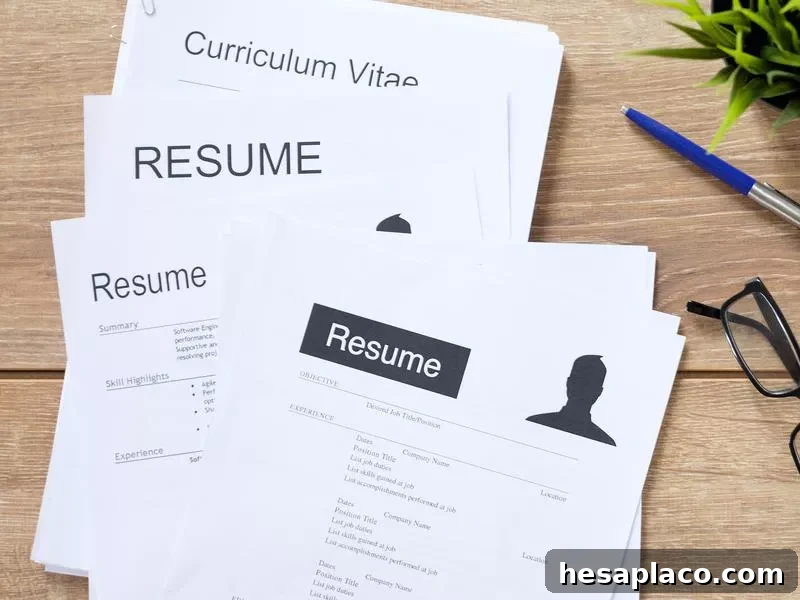
Select a template that aligns with your field. Creative professionals can showcase design skills with a custom or professionally designed template, while other roles benefit from clean, conservative layouts. Free templates can be effective if they are readable and appropriate for the role. Always ensure the visual style supports, rather than distracts from, your content.
Make the Hiring Manager’s Job Easy

Getty Images
Hiring managers scan resumes quickly—often in 30 seconds. Use clear section headings, generous margins, and consistent fonts. Bold or italicize sparingly to emphasize key points. Use bullet points to make achievements scannable. Structure information so a reader can instantly understand your core skills and impact.
Include Relevant Links

Corinne Kutz / Unsplash
Because most resumes are viewed digitally, include links to professional work such as portfolios, project sites, or a curated LinkedIn profile. Only link to social media accounts that are professional and relevant to your work.
Avoid Resume Clichés

Getty Images
Generic buzzwords like “self-starter,” “team player,” or “highly motivated” say little. Instead, quantify accomplishments and describe concrete outcomes: the size of teams managed, revenue growth achieved, projects delivered on time, or processes improved. Specific details demonstrate impact more effectively than vague adjectives.
Use a Career Summary Rather Than an Old-Fashioned Objective

Saulo Mohana / Unsplash
Rather than stating the obvious goal of “seeking a job,” open with a succinct career summary that explains where you’ve been professionally and what distinctive strengths you bring. This sets the stage and encourages hiring managers to read further.
Tailor Each Resume to the Job

Getty Images
Before sending, customize your resume for the specific role. Highlight skills, experiences, and keywords that align with the job description. Tailoring your resume shows attention to detail and increases the chances you’ll stand out compared with generic submissions.
Provide Multiple Contact Options

Pavan Trikutam / Unsplash
Include your phone number and professional email address, and consider adding a LinkedIn profile, a Skype handle, or other professional contact methods. If you maintain a professional blog or portfolio, include that too. Keep personal accounts private.
Use a Professional Email Address

Getty Images
Choose a modern, professional email—Gmail is widely accepted. Avoid outdated services or casual addresses. If possible, use a custom domain email tied to your personal site or portfolio; it creates a polished impression.
Don’t Use Company Logos

Getty Images
Avoid inserting employer logos on your resume. Logos relate to the company, not you, and they can clutter the layout or raise intellectual property concerns. Stick to clean text that emphasizes your role and achievements.
Avoid QR Codes

Getty Images
Links work better than QR codes. Recruiters prefer clickable links when viewing resumes digitally; QR codes add unnecessary steps and can be treated with suspicion. Provide direct links to your portfolio, projects, or profiles instead.
Send Your Resume as a PDF
Getty Images
Always submit your resume as a PDF so formatting remains consistent across devices and platforms. Sending editable files like Word documents risks layout changes that can undermine a professional presentation.
Network Actively

Getty Images
A great resume only helps if it reaches the right people. Build and maintain your LinkedIn presence, attend industry events, and carry business cards or a short link to your online portfolio. Networking accelerates opportunities and amplifies your resume’s impact.
Include Non-Traditional Work

Getty Images
Volunteer work, freelancing, blogging, or passion projects can reveal skills not shown in formal employment. Include relevant non-traditional experiences to demonstrate breadth, initiative, and transferable abilities—especially if they align with the job you want.
Omit Irrelevant Early Jobs

Getty Images
Leave out early positions that don’t contribute to the story you want to tell—such as short-term student jobs—unless they are directly relevant to the role you’re pursuing. Recruiters focus on recent, applicable experience.
Do Not Include Photographs

Getty Images
Exclude photos unless the role explicitly requires one (for example, modeling or acting). In most professional contexts, a photo is unnecessary and can introduce bias into the hiring process.
Proofread Carefully

Getty Images
One typo can harm your chances. Spellcheck and proofread thoroughly. If possible, have a trusted colleague or an experienced resume writer review your document to catch errors and suggest stronger phrasing.
Prepare your resume with these principles in mind, tailor it for each role, and be ready to back up your claims in the interview. Good luck—get ready to make a strong impression.