
Office gossip is nothing new — people will inevitably talk about coworkers or speculate about events inside an organization. But there is a clear difference between harmless chat and damaging rumor-mongering. When rumors spread, they can harm reputations, damage feelings, lower morale, and even hurt a company’s bottom line.
Regularly engaging in workplace gossip, even when it seems innocent, can ultimately harm your professional reputation. Below are practical approaches to manage gossip at work, reduce drama, improve productivity, and strengthen your standing with colleagues.
Understand Why Gossip Happens

To address gossip effectively, it helps to understand its roots. Gossip often provides a sense of camaraderie and belonging — behaviors many people learned in childhood. Participating in gossip can feel socially rewarding until the tables turn and one becomes the target. Recognizing this dynamic helps you respond more thoughtfully when gossip starts.
Why Gossip Matters

Negative gossip undermines productivity, lowers morale, damages employee engagement, and increases turnover. Time spent spreading rumors is time not spent on work. Over time, gossip breeds distrust and can drive high performers to look for employment elsewhere.
When Gossip Can Serve a Purpose

While gossip is often harmful, informal conversational exchanges can also serve as an informal channel for sharing information and bonding—if handled with care and a constructive intent. When conversations aim to surface issues and solve problems, they can support social connection. Left unchecked or malicious, however, gossip quickly damages relationships and creates a toxic work environment.
Be Solution-Oriented and Set the Tone

Minimizing gossip starts with individual behavior and the tone coworkers set for each other. Managers can help, but everyday interactions among colleagues largely determine whether gossip flourishes. Model non-gossipy behavior. If someone starts spreading rumors, redirect the conversation toward resolution: ask what a productive next step would look like or how to address the issue directly with the person involved. That reframes gossip into problem-solving rather than idle talk.
Why You Should Refrain from Gossip
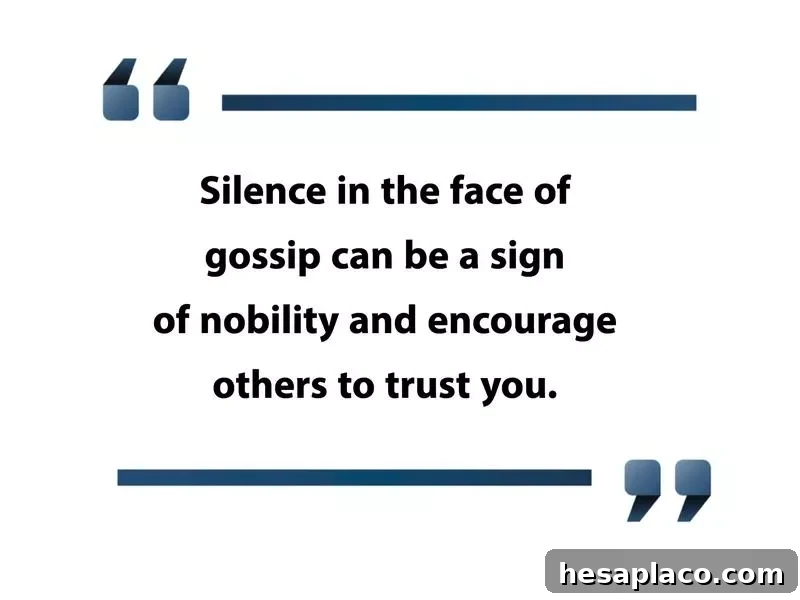
Refusing to participate in gossip can have a positive ripple effect. When you stop engaging in a behavior, it typically diminishes. At first you may feel awkward or out of step, but people who avoid gossip often earn more respect and trust. Silence in the face of rumor can signal integrity; over time, conversations around you may become more meaningful and less focused on negative talk.
Confront Rumors When Appropriate
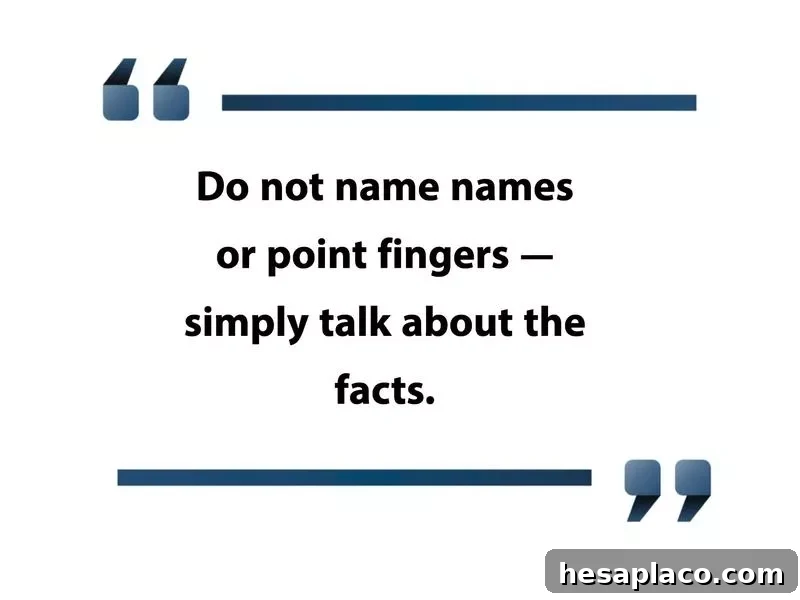
Another effective tactic is addressing rumors directly. If the gossip concerns general company matters, hold a group conversation that clarifies facts without naming or blaming individuals. If the gossip is personal, consider one-on-one conversations to ask questions, clarify intent, and correct misinformation. Ignoring rumors can allow them to grow; addressing them calmly and factually often reduces their momentum.
Steer Clear of Drama

If direct confrontation feels too confrontational, manage gossip by staying calm and focusing on facts. Acknowledge what you hear, then point out the potential business consequences of spreading unverified information. Avoid getting swept into drama; insist on problem-solving conversations rather than opinion-driven speculation.
Leaders Should Promote Transparency

Leaders can limit gossip by emphasizing authenticity, accountability, and curiosity. Establish clear expectations for respectful communication, model those behaviors, and reinforce them during onboarding and regular meetings. Hold people accountable when they violate communication standards. Maintain an open-door policy that encourages questions and keeps information flowing; that reduces the vacuum where rumors thrive. At the start of meetings, invite candid but respectful discussion, and discourage “the meeting after the meeting” by encouraging team members to share disagreements openly in the group.
Remind People of Brand and Values
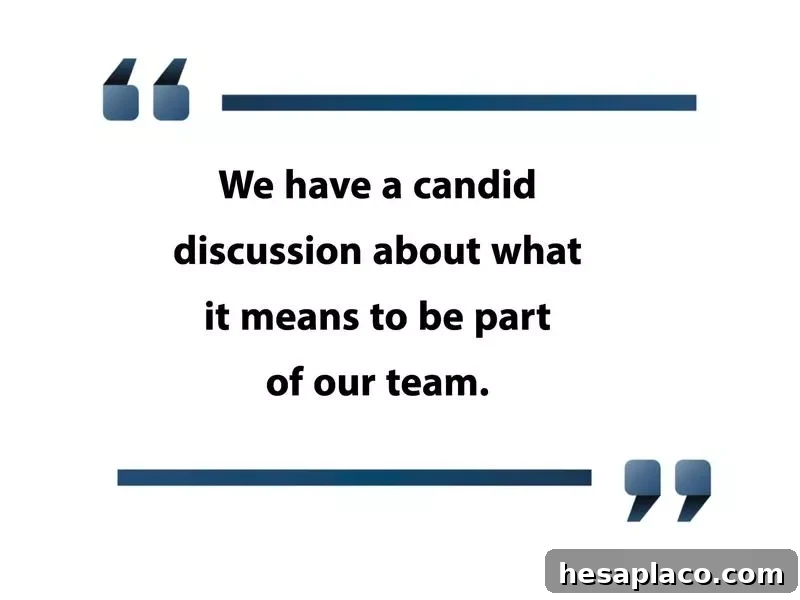
Gossip crops up in day-to-day workplace situations, making it important to continually remind everyone — from new hires to long-tenured employees — about organizational values and professional expectations. Discuss what it means to represent the team’s brand, emphasizing honest and supportive relationships and the practice of speaking to people directly rather than talking about them. Setting these expectations early clarifies the rules of engagement for how the team operates.
Protect Your Energy — Don’t Let Gossip Drag You Down

Finally, don’t let gossip wear you down. Difficult people and toxic conversations can drain your energy, but you have the power to choose how to respond. Protect your mental energy by avoiding the temptation to retaliate or fuel negativity. If you’re upset with someone, pause and ask whether engaging will help or just exacerbate the situation. Staying positive, calm, and solution-focused helps limit the spread of gossip and preserves your professional reputation.
By understanding the reasons gossip occurs, modeling respectful behavior, addressing rumors with facts, and fostering transparent leadership, workplaces can reduce the harm gossip causes and create a healthier, more productive environment.