
Welcome to the gig economy: a world full of side hustles that can help cover expenses or boost your savings.
New opportunities appear daily, from freelance writing and delivery work to the latest rideshare program promising high hourly rates. Before diving in, consider a few important factors to ensure your side hustle is sustainable and rewarding.
Below are practical tips to help you build a successful side hustle and keep it from disrupting your life.
Do What You Love
One of the most reliable ways to stay committed to extra work is to choose something you enjoy. Side work can be tiring, but if the work aligns with your interests you’re more likely to stick with it and improve over time. You don’t have to be an expert at the start — you can learn as you go or take short courses to build skills.
If you like computers, learn to code or repair hardware. If you enjoy being on camera, study filming and editing. Loving the work won’t eliminate effort, but it makes the effort feel less like a burden.
Crunch Those Numbers

The financial upside is the point of most side hustles, so treat it seriously. Track income and expenses, set aside money for taxes and savings, and use simple accounting tools to avoid confusion. You don’t need an accounting degree — affordable software such as QuickBooks or other bookkeeping apps will keep your finances organized.
Make a Plan

Most people launch a side hustle with a goal in mind: pay off debt, build an emergency fund, save for a down payment, or increase retirement contributions. Decide in advance what your financial target is and what you’ll do once you reach it. Will you stop, scale back, or continue and funnel earnings into savings or retirement? A clear plan keeps you intentional and prevents mission creep.
Stash It

If your side income grows, resist the temptation to inflate your lifestyle. Lifestyle creep can turn a bonus into a necessity, making you dependent on the extra hours. Instead, direct surplus earnings into savings or retirement accounts. Use side-hustle income to build long-term security rather than to buy fleeting luxuries.
Yes, Income Tax Still Exists
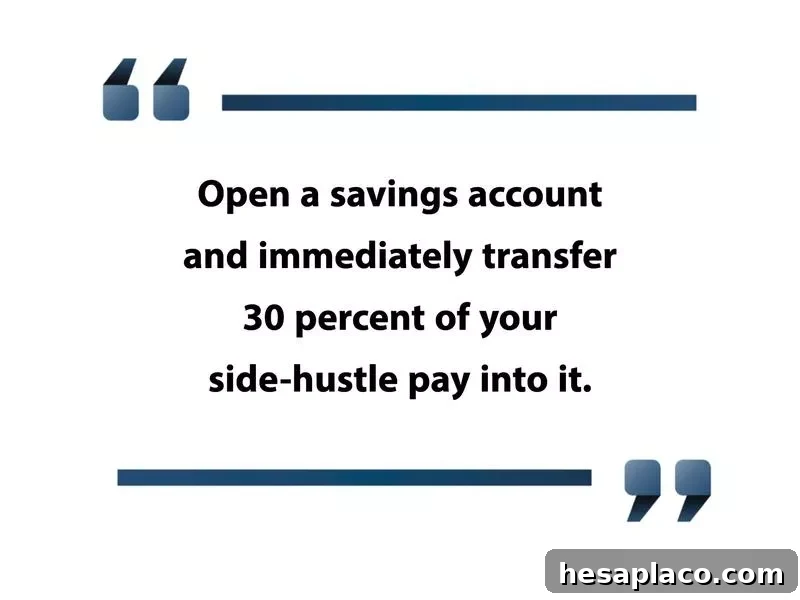
Many side workers forget that taxes are still due on this income. Because taxes aren’t withheld automatically, put aside a portion of what you earn. A practical rule is to transfer about 30 percent of your side-hustle income into a separate interest-bearing savings account for tax payments. As a self-employed worker you may owe self-employment tax in addition to income tax, so setting aside this amount helps avoid surprises. Use official guidance or estimated tax forms if you need precise calculations.
Scheduling Matters

Whether driving, doing gigs, or freelancing, establish a schedule that matches your productivity and income goals. Identify the most profitable or efficient hours and protect that time. Communicate your availability to family and housemates so you can work without frequent interruptions. Flexibility is a key advantage of side hustles, but a predictable routine helps you stay productive and sane.
Watch Out for Burnout

Working a full-time job plus side gigs can lead to exhaustion. Monitor your sleep, diet, mood, and energy levels — signs of strain mean you need to slow down. Chronic late nights and minimal rest are unsustainable and damage productivity, health, and relationships. Guard your well-being and adjust your workload before burnout becomes a real problem.
Don’t Let It Bleed

A side hustle should support your life, not undermine your main job. Avoid checking side-hustle emails or taking tasks during your primary work hours. If the side work starts interfering with your full-time job — the one that often provides steady pay, benefits and retirement contributions — reduce side-hustle hours. Protect your primary source of income.
Read the Fine Print
Before offering services based on skills you developed at your main job, review your employment contract and company policies. Check for non-compete clauses or other restrictions that could make your side work a conflict of interest. If appropriate, discuss your plans with your manager and get written approval. Keep discretion on the job to avoid creating problems.
The Tools for Success
Successful side hustles often require tools or software. Confirm what the platform or client provides and what you must supply. Invest in quality tools or software if needed — the upfront cost usually pays off through efficiency and better outcomes. Make sure your vehicle, devices and equipment meet the demands of the work you take on.
Hit Those Deadlines

Meeting deadlines builds trust and repeat business. Whether you deliver rides, repairs or written work, punctuality and reliability keep clients happy and lead to more opportunities. Avoid last-minute scrambling by building buffers into your schedule and preparing backup plans for technology or other disruptions.
Don’t Be a Know-It-All

Even if a gig aligns with your core skills, stay open to learning company-specific procedures and tips from experienced peers. Ask questions, accept feedback, and adapt. Humility and a willingness to learn accelerate your progress and set you apart from competitors who rely solely on assumptions.
Take a Break

Jumping straight from your day job into side work without a pause often reduces effectiveness. Give yourself short breaks to recharge — even a brief rest, a snack or a short walk can restore focus and energy. Small resets help maintain quality across both jobs.
Don’t Chase Dollar Signs

Once you have a plan and a comfortable income target, resist the urge to pile on more gigs just because extra money is available. Taking on too much can dilute your performance, increase stress, and threaten both your main job and your primary side hustles. Focus on consistency and the goals you set.
If It Seems Too Good to Be True, It Probably Is
Be wary of offers that promise easy money for little or no work. Many of these are scams or pay very poorly. Look for legitimate clients and platforms that pay fairly for the skills you bring. Shortcuts and get-rich-quick schemes often lead to disappointment and sometimes worse consequences.
With clear goals, disciplined planning, and attention to health and taxes, a side hustle can be a powerful tool to reach financial targets and build valuable experience. Stay organized, protect your main job, and keep your long-term plans in sight.