
While it may be premature to say robots are outright replacing human workers, many U.S. occupations are shrinking for reasons that go beyond automation. Shifts in industry demand, evolving consumer habits, regulatory changes, and technological advances all influence which jobs decline and which expand.
Chemical plant operators and railroad workers are among occupations losing ground as manufacturing and transportation priorities shift. Postal workers, insurance professionals, and traditional retail roles are also seeing fewer openings, according to Bureau of Labor Statistics (BLS) projections. Many of these declining roles historically paid median wages between roughly $40,000 and $75,000 and often required a high school diploma or a college degree.
At the same time, technology, healthcare, and renewable energy occupations are growing rapidly. Software development, data-driven roles, and medical and personal-care jobs dominate the fastest-growing lists. Below, the declining occupations are presented first, followed by the most promising growing careers.
On the Decline: Insurance Underwriters
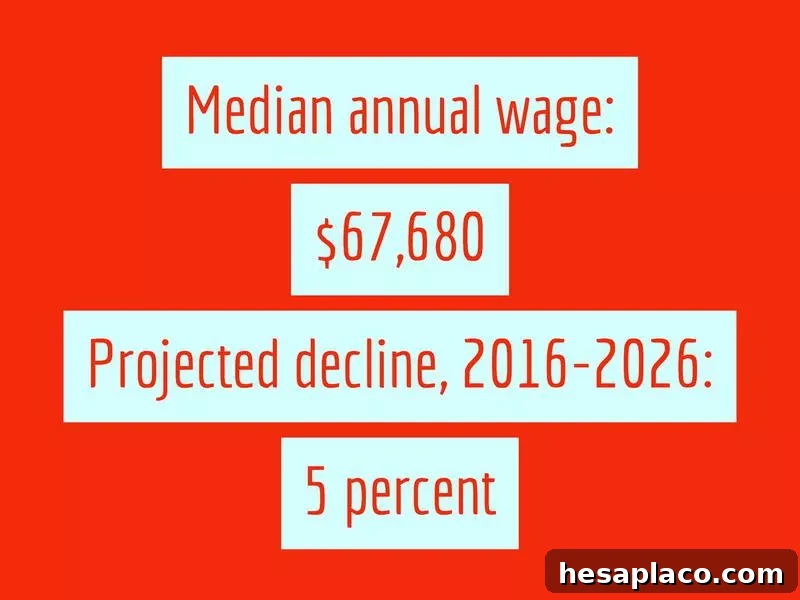
Insurance underwriters evaluate applications, determine coverage, and set premiums. Automated underwriting systems and sophisticated risk models are streamlining decisions, reducing the demand for as many human underwriters. In 2016, the median annual wage was $67,680, and BLS projected employment to decline by about 5 percent from 2016 to 2026.
On the Decline: Labor Relations Specialists
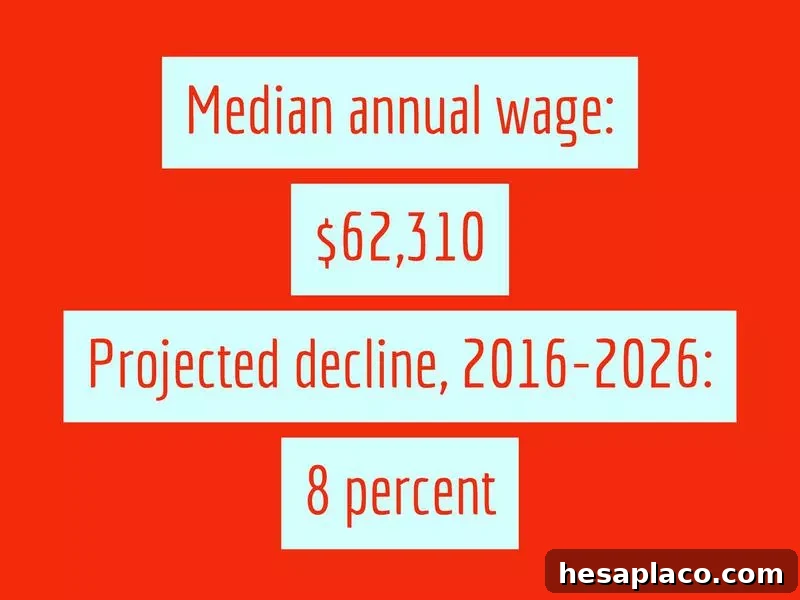
Labor relations specialists handle collective bargaining, union issues, and labor contract administration. As union membership and related activity have decreased in many sectors, the BLS projected about an 8 percent drop in employment through 2026. The median annual wage in May 2016 was $62,310.
On the Decline: Chemical Plant and System Operators
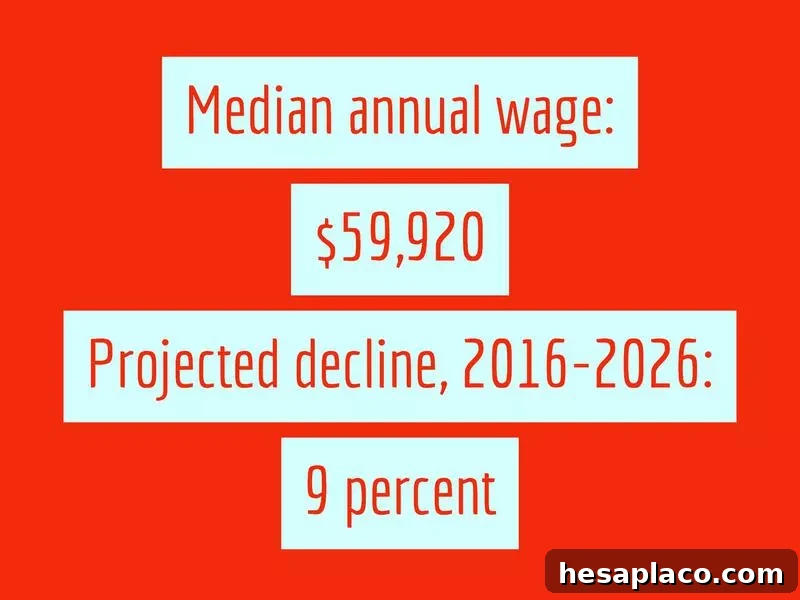
Operators at chemical plants control processing equipment and monitor production systems. With many chemical manufacturers shifting production, adopting greener processes, or diversifying into other manufacturing areas, employment for these operators was projected to fall about 9 percent through 2026. In 2016 the median annual wage was $59,920.
On the Decline: Postal Service Mail Carriers
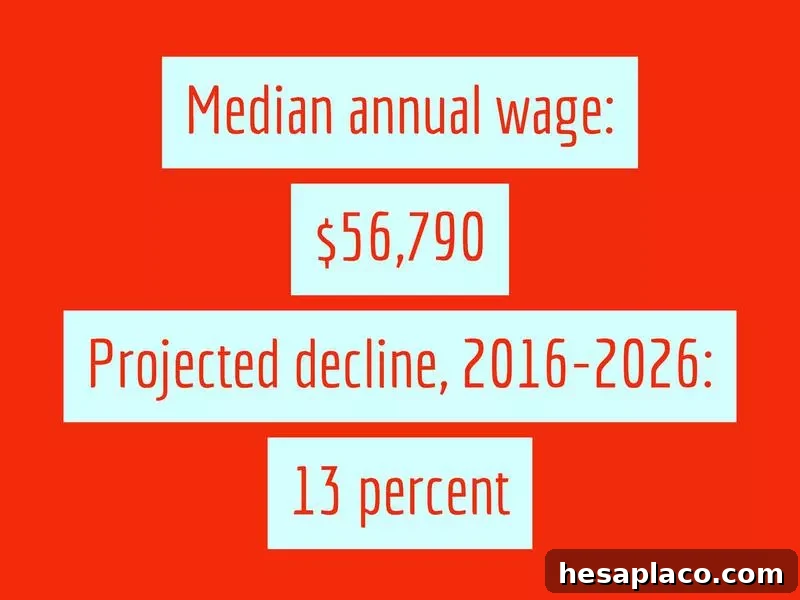
Employment across postal service occupations — delivery, sorting, and support roles — is declining as budgets tighten and automated sorting and logistics systems are adopted. The BLS projected a 13 percent decline through 2026. The median annual wage in May 2016 was $56,790. Some openings will arise from retirements, but competition for positions remains strong.
On the Decline: Railroad Workers
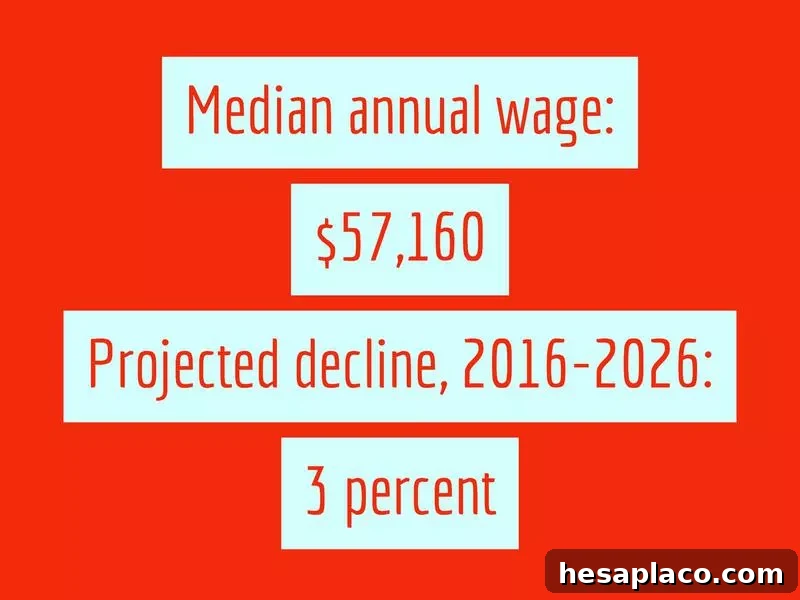
Locomotive engineers, conductors, yardmasters, and signal operators have seen reduced demand as freight patterns shift away from bulk commodities such as coal and as transportation technologies evolve. The BLS projected employment to fall about 3 percent through 2026. In May 2016 the median annual wage for railroad workers was $57,160.
On the Decline: Secretaries and Executive Administrative Assistants
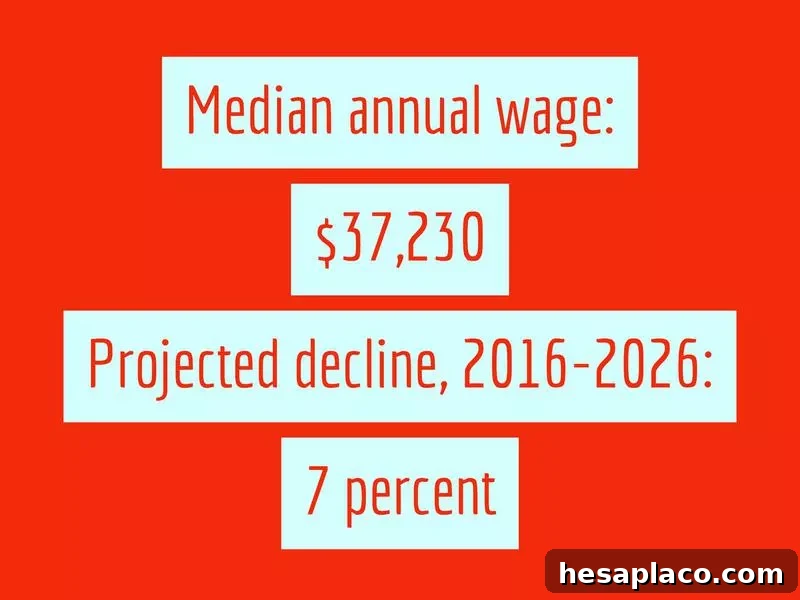
Routine clerical and administrative tasks have increasingly been delegated to software, scheduling apps, and voice assistants, reducing demand for traditional secretarial roles. The BLS projected about a 7 percent decline by 2026. In 2016, the median annual wage was $37,230.
On the Decline: Machinists, Tool and Die Makers
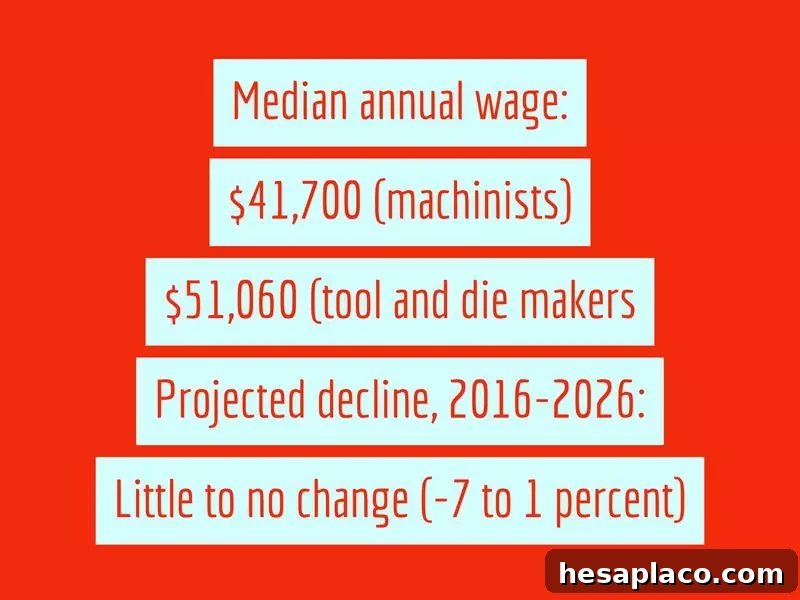
Machinists and tool-and-die makers produce precision parts and tools. While advanced manufacturing technology and CNC systems change job tasks — potentially creating new technician roles — overall employment was expected to decline about 7 percent through 2026. Median wages in 2016 were $41,700 for machinists and $51,060 for tool and die makers.
On the Decline: Adult Literacy Teachers
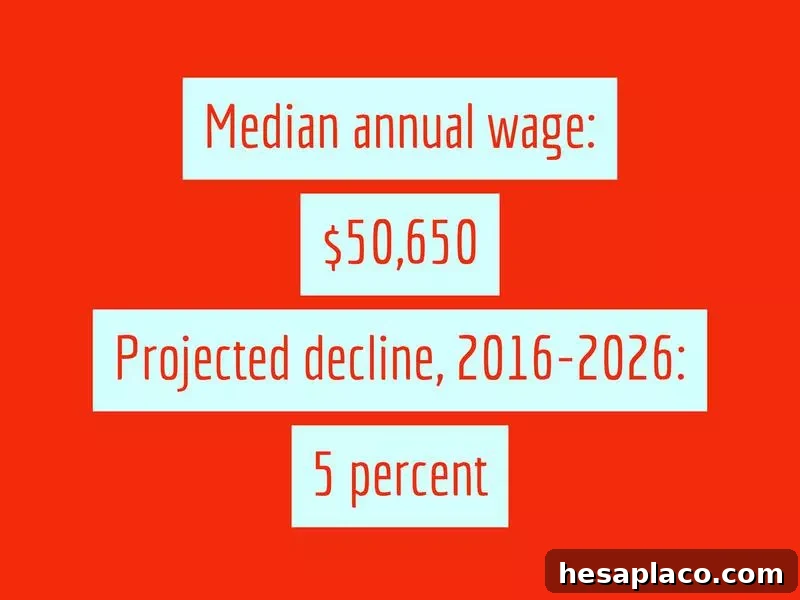
Adult literacy and high school equivalency programs have seen lower enrollment as high school graduation rates have risen and program funding has shifted. BLS projected a roughly 5 percent employment decline through 2026. In May 2016, the median annual wage for adult literacy and equivalency teachers was $50,650.
On the Decline: Advertising Sales Agents
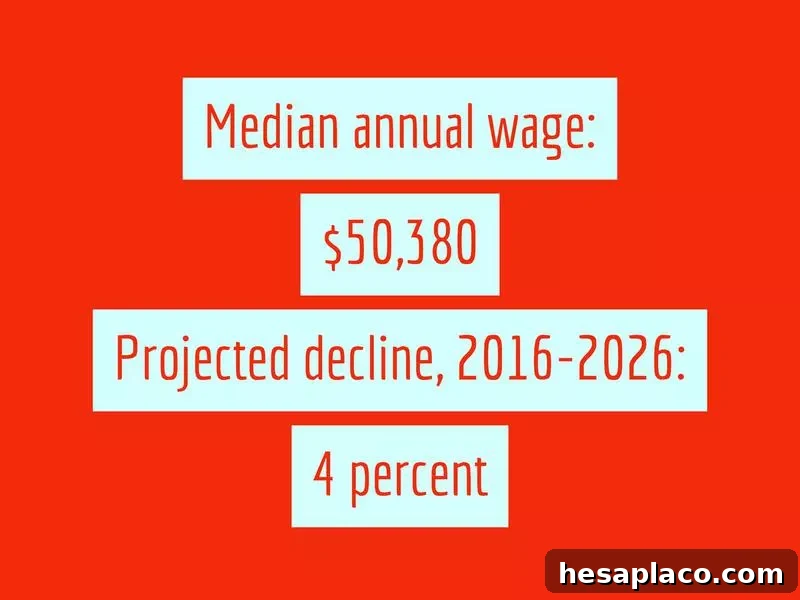
Advertising sales agents who sell space for newspapers and traditional media face declining demand as publishers shift budgets to digital advertising. The BLS projected about a 4 percent decline through 2026, though opportunities may grow for agents specializing in internet and digital ad platforms. The 2016 median annual wage was $50,380.
On the Decline: Water and Wastewater Treatment Operators
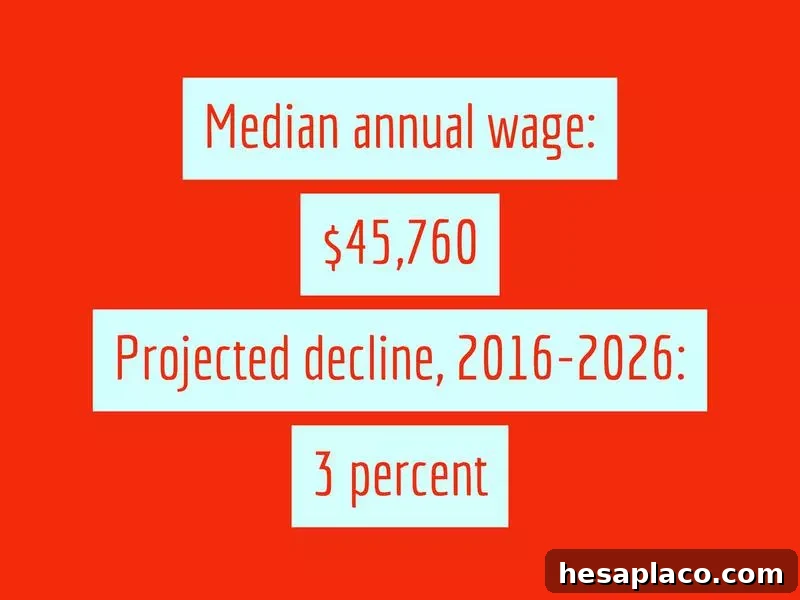
Operators at water and wastewater facilities monitor and control treatment processes. As plants adopt automated control systems, many routine tasks are being automated, and the BLS projected a 3 percent drop in jobs through 2026. The median annual wage in 2016 was $45,760.
On the Decline: Correctional Officers and Bailiffs
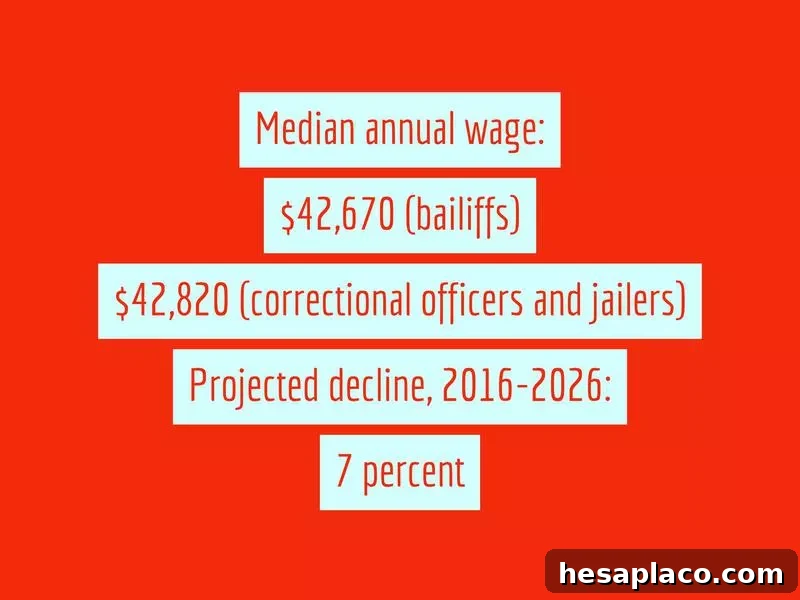
Correctional officer and bailiff roles were projected by the BLS to decline about 7 percent through 2026 as states pursue alternatives to incarceration and reduce prison budgets. In 2016 there were roughly 468,600 positions in this field; median annual wages in May 2016 were $42,820 for correctional officers and $42,670 for bailiffs.
On the Decline: Desktop Publishers
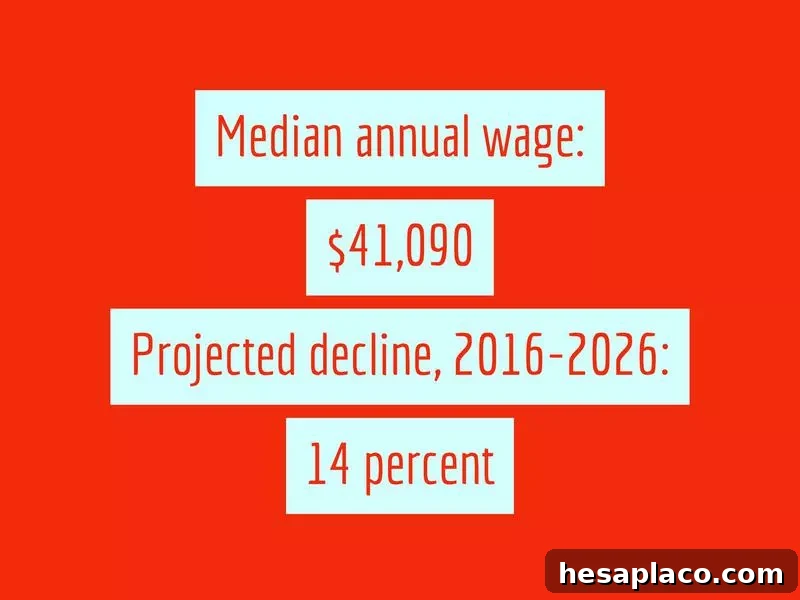
Desktop publishing roles that once focused on print layout have been reduced as organizations move to web and digital design and hire graphic and web designers instead. The BLS projected a 14 percent decline by 2026. The 2016 median annual wage for desktop publishers was $41,090.
On the Decline: Assemblers and Fabricators
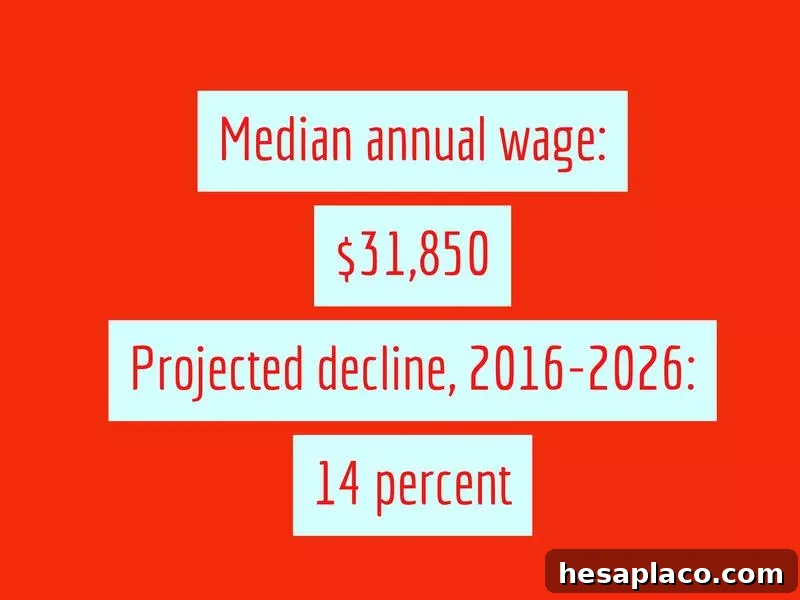
Assemblers and fabricators produce and put together parts for products ranging from electronics to vehicles. Increased automation and collaborative robotics are expected to reduce demand, with a projected 14 percent decline over the decade. In 2017 the median annual wage was $31,850; many entry-level positions require a high school diploma while advanced roles need experience or additional training.
On the Decline: Bill and Account Collectors
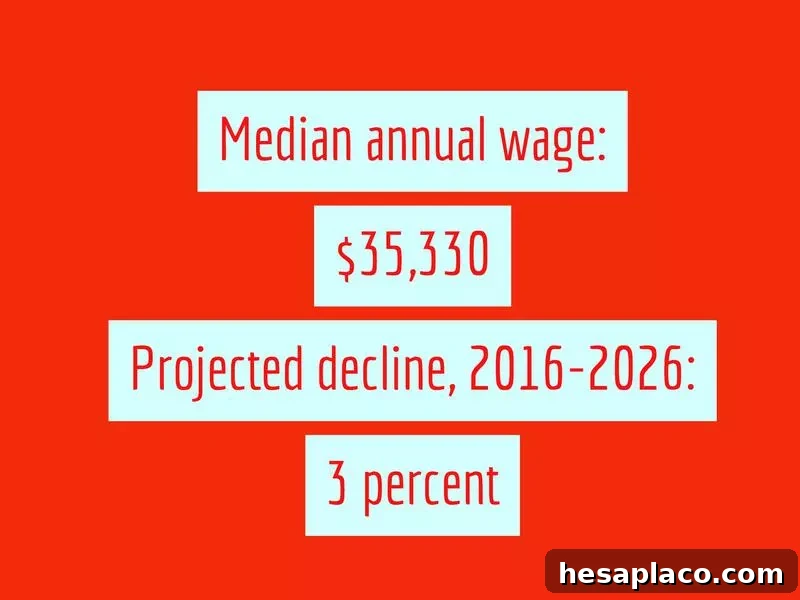
Collectors that manage overdue accounts and negotiate repayment plans often work for third-party agencies. Automation, online payment systems, and self-service tools have reduced demand, and BLS projected a 3 percent decline through 2026. The median annual wage in 2017 was $35,330.
On the Decline: Buyers and Purchasing Agents
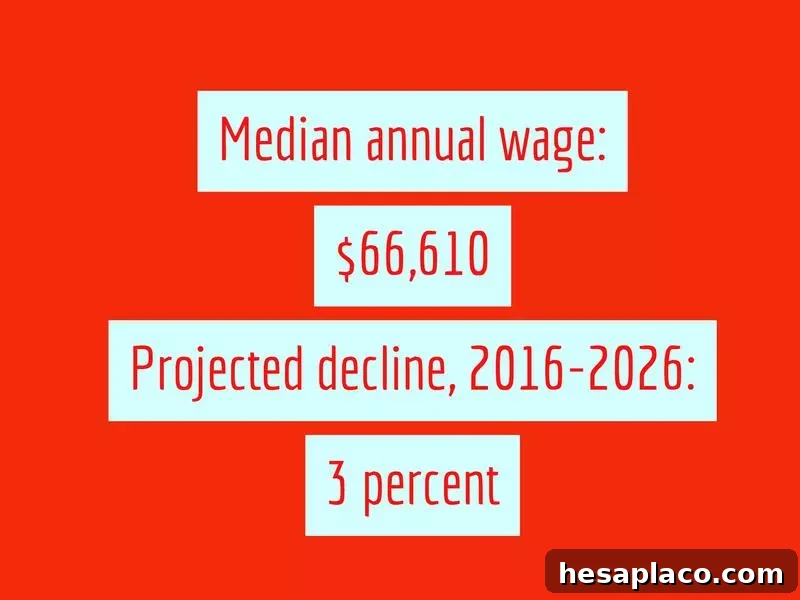
Buyers and purchasing agents source goods and services for organizations. Outsourcing, centralized procurement platforms, and automation are expected to trim employment by about 3 percent through 2026. The median annual wage for purchasing-related roles in 2017 was $66,610, and many positions require a bachelor’s degree and experience.
On the Decline: Secretaries and Administrative Assistants
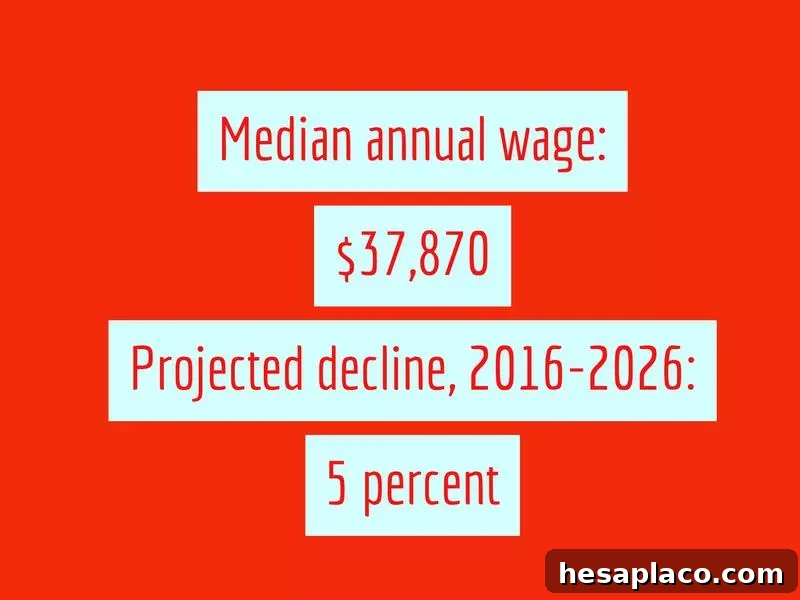
Routine clerical duties are increasingly handled by software, reducing demand for these positions. The median annual wage in 2017 was $37,870, and BLS projected a 5 percent employment decline through 2026. High school graduates with computer skills generally qualify for entry-level roles.
On the Decline: Quality Control Inspectors
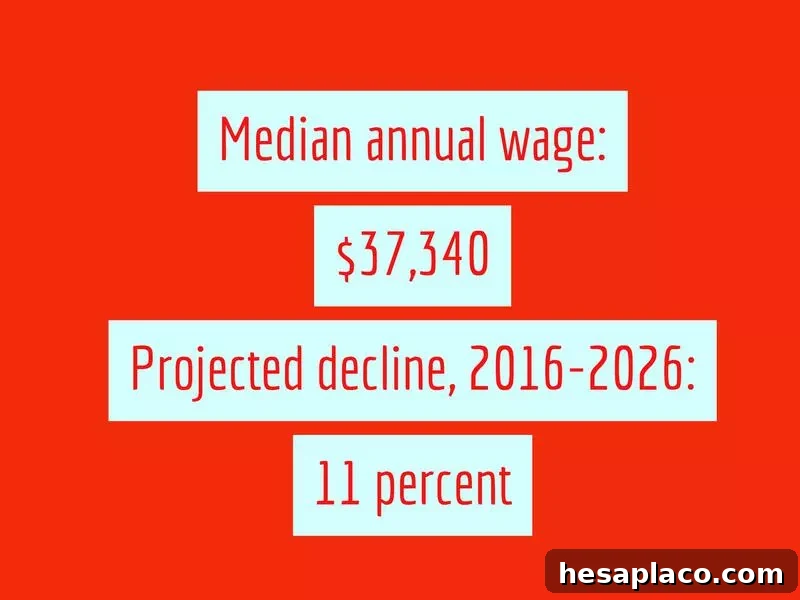
Inspectors who check product quality face automation from imaging systems and sensors that can perform many inspection tasks. BLS projected an 11 percent decline through 2026. In 2017 the median annual wage was $37,340.
On the Decline: Insurance Underwriters
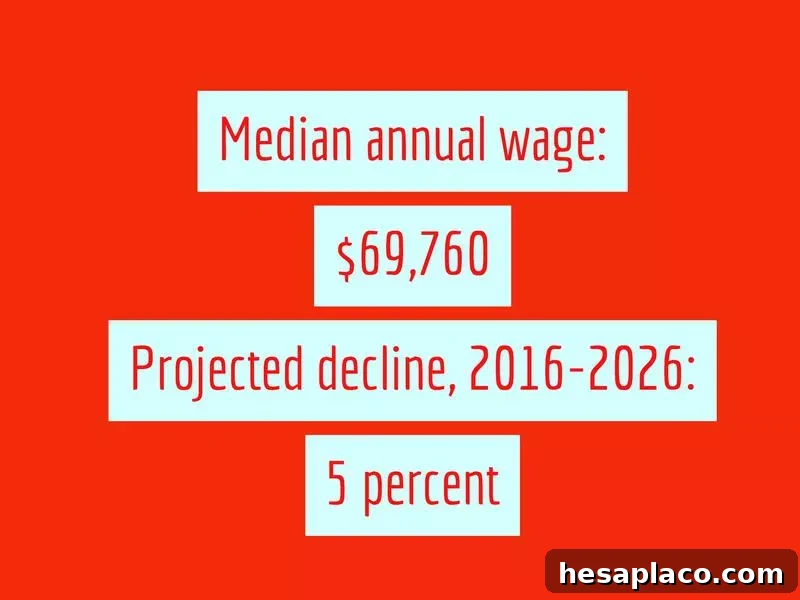
Reiterating the earlier point: automated underwriting tools are reducing the need for traditional underwriters. In 2017 the median annual wage was $69,760, and the BLS again projected about a 5 percent decline through 2026. Employers often prefer bachelor’s degrees and certifications for advancement.
On the Decline: Jewelers and Metal Workers
Jewelers and metal workers design, repair, and appraise jewelry. Many learn on the job after high school, but employment was projected to decline about 7 percent from 2016 to 2026. The median annual wage in 2017 was $37,960.
Now the Good News: Where the Jobs Are Going?
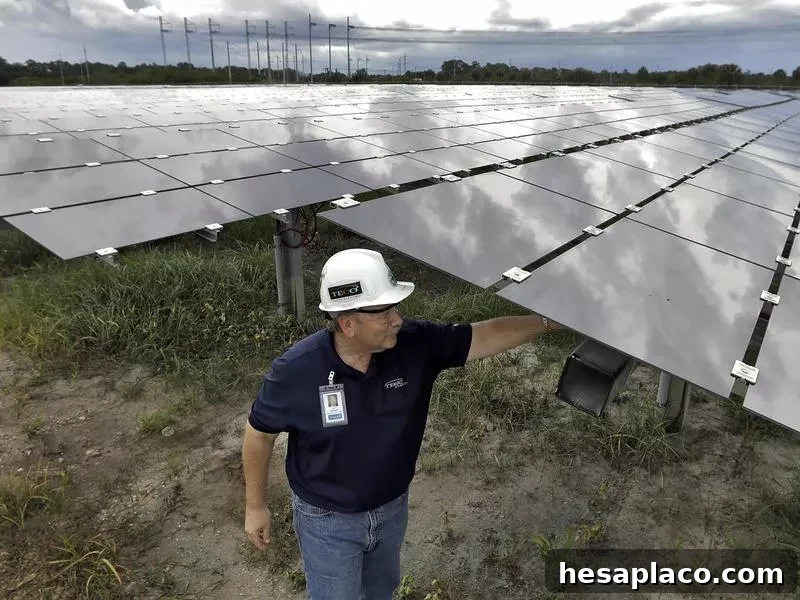
The panels from Tampa Electric Company’s Big Bend Solar Station in Gibsonton, Fla. Solar installation is projected to be one of the fastest-growing occupations over the next decade. Photo courtesy AP.
BLS projections for the coming decade point to rapid growth in renewable energy, healthcare, data and security, and technology-related occupations. An aging and diversifying workforce will increase demand for healthcare and supportive services, while businesses expand their use of data, software, and cybersecurity solutions. The list below highlights occupations the BLS identified as growing fastest or showing strong demand.
On the Rise: Solar Photovoltaic Installers
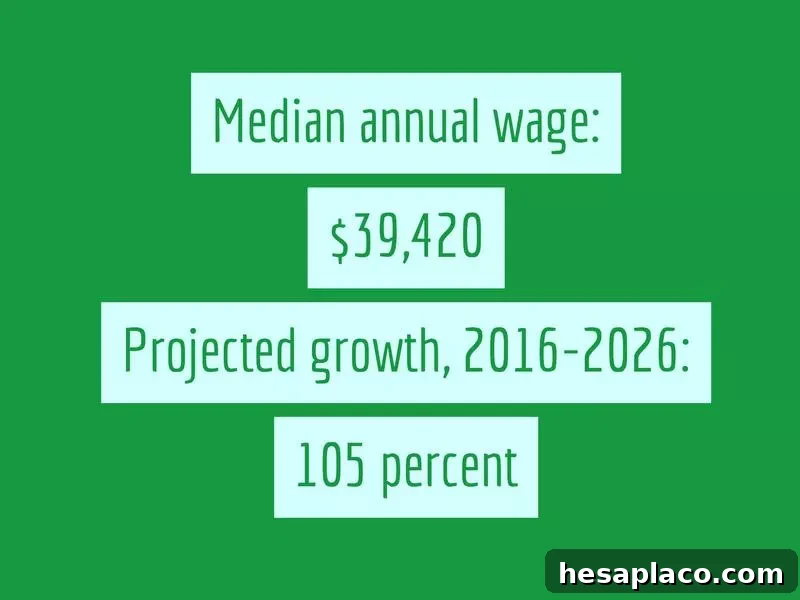
PV installers assemble, mount, and maintain solar panel systems on rooftops and other structures. Most workers need a high school diploma and short on-the-job training, though technical courses help. The median annual wage in May 2016 was $39,240. BLS projected employment to grow roughly 105 percent from 2016 to 2026 as solar adoption expands.
On the Rise: Wind Turbine Service Technicians
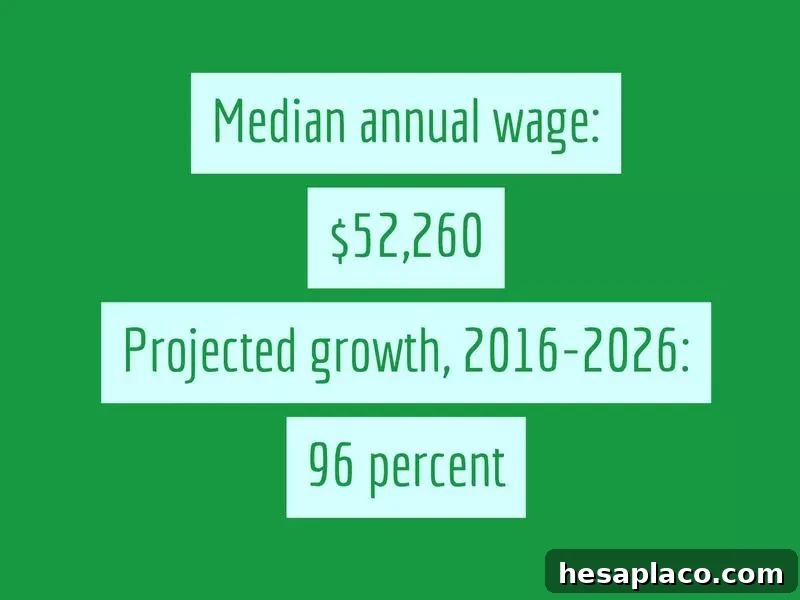
Wind technicians install, maintain, and repair wind turbines. Training often comes from technical schools plus on-the-job experience. The median annual wage in May 2016 was $52,260. BLS projected a 96 percent increase in employment from 2016 to 2026 as wind energy deployment grows.
On the Rise: Home Health Aides
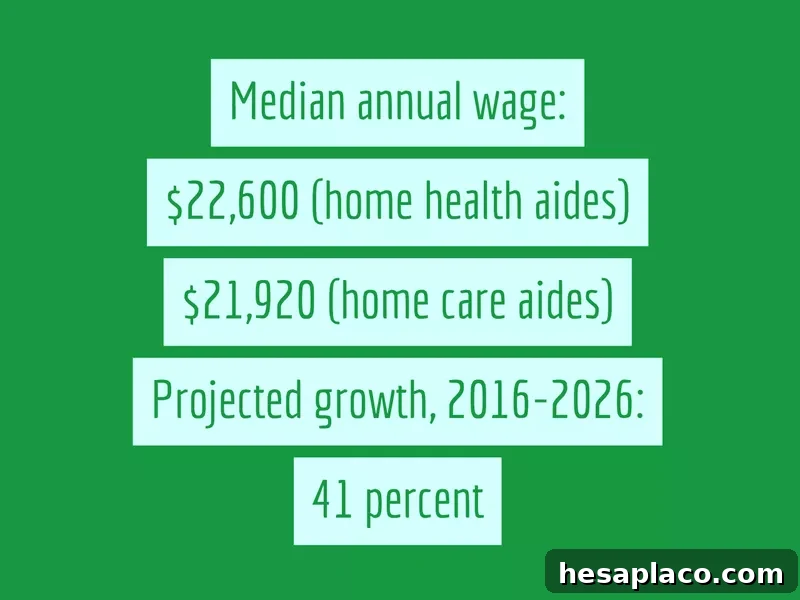
Home health and personal care aides assist older adults and people with disabilities with daily activities and basic healthcare tasks under supervision. Training requirements vary by role and state; certified positions require formal training. Median wages in May 2016 were $22,600 for home health aides and $21,920 for personal care aides. BLS projected employment to grow about 41 percent from 2016 to 2026, driven by an aging population.
On the Rise: Mathematicians and Statisticians
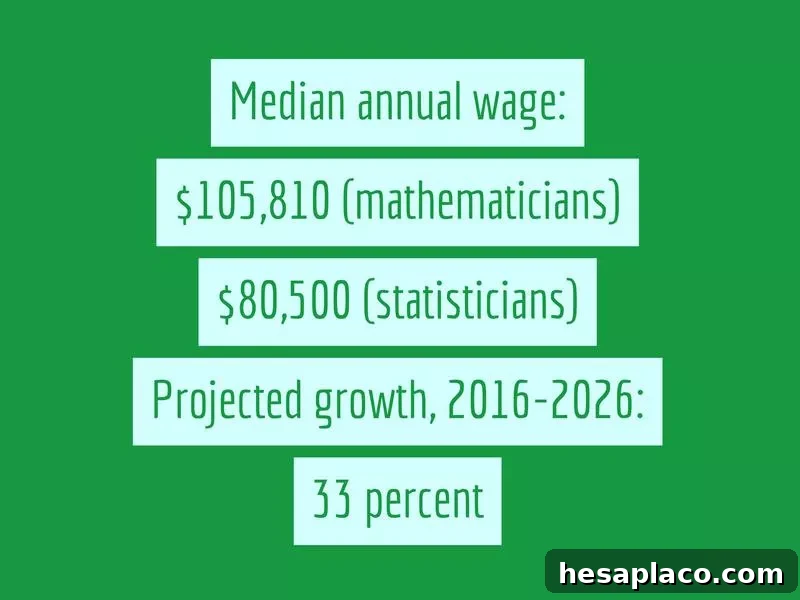
Mathematicians and statisticians use quantitative methods to analyze data and solve problems across industries. Many roles require advanced degrees—master’s or higher—though some positions accept bachelor’s degrees. Median annual wages in May 2016 were $105,810 for mathematicians and $80,500 for statisticians. BLS projected overall growth around 33 percent through 2026 as businesses rely more on data-driven decisions.
On the Rise: Nurse Practitioners
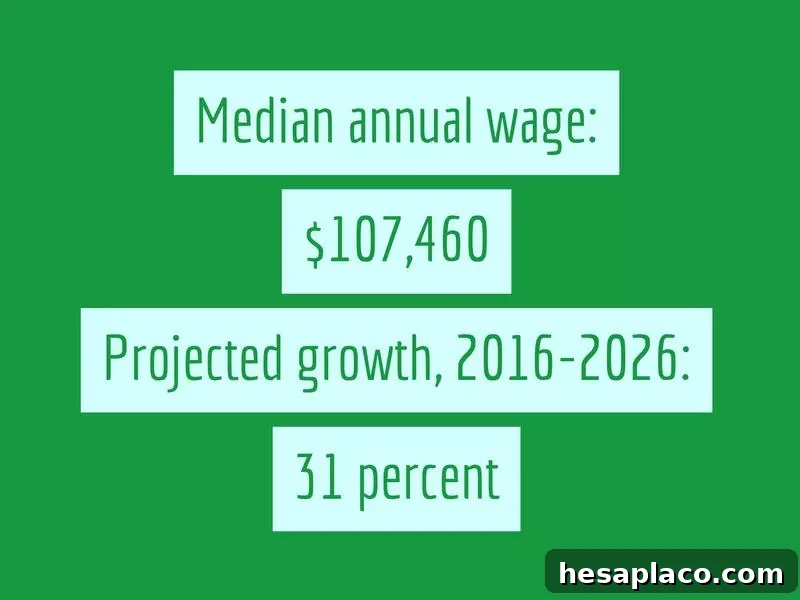
Advanced practice registered nurses (APRNs)—including nurse practitioners, nurse anesthetists, and nurse midwives—deliver primary and specialized care, often with prescriptive authority depending on state laws. APRNs need at least a master’s degree and national certification. Median annual wages in May 2016 were about $107,460. BLS projected roughly 31 percent growth through 2026 as preventive care and services for an aging population expand.
On the Rise: Physical Therapist Assistants
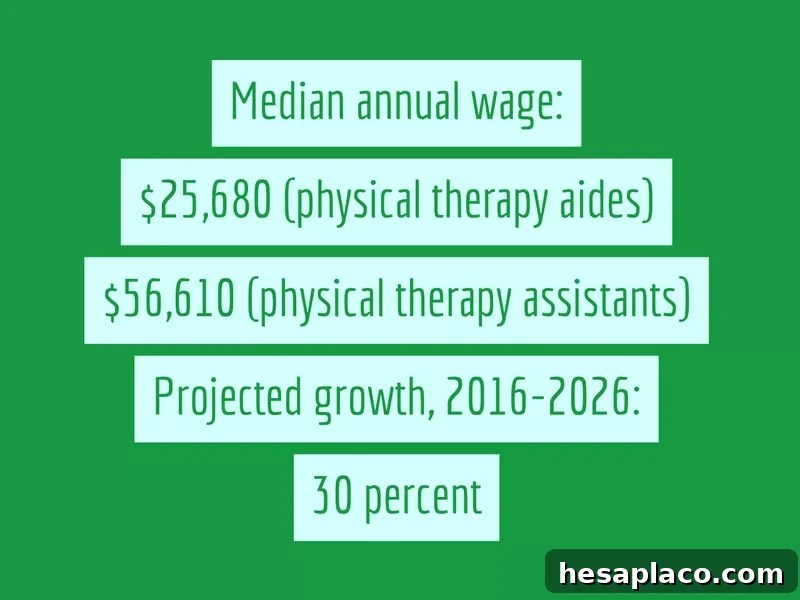
PTAs and aides support physical therapists in rehabilitative care. PTAs typically require an associate degree and state certification; aides usually receive on-the-job training. Median annual wages in May 2016 were $56,610 for assistants and $25,680 for aides. Employment was projected to grow about 30 percent through 2026 due to rising demand for therapy services.
On the Rise: Medical Assistants
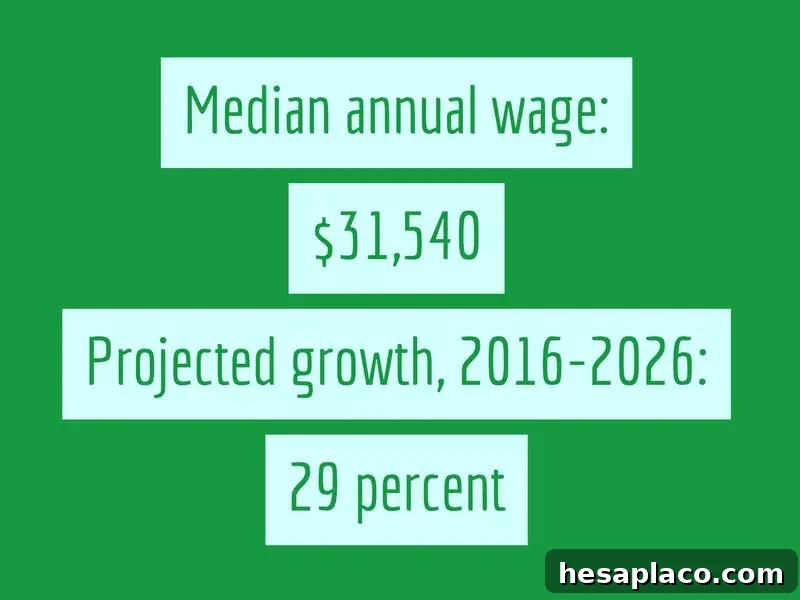
Medical assistants perform administrative and clinical tasks in physician offices, clinics, and hospitals. Many complete postsecondary certificates; others learn on the job. The median annual wage in May 2016 was $31,540. BLS projected employment to grow about 29 percent through 2026 as healthcare demand increases.
On the Rise: Genetic Counselors
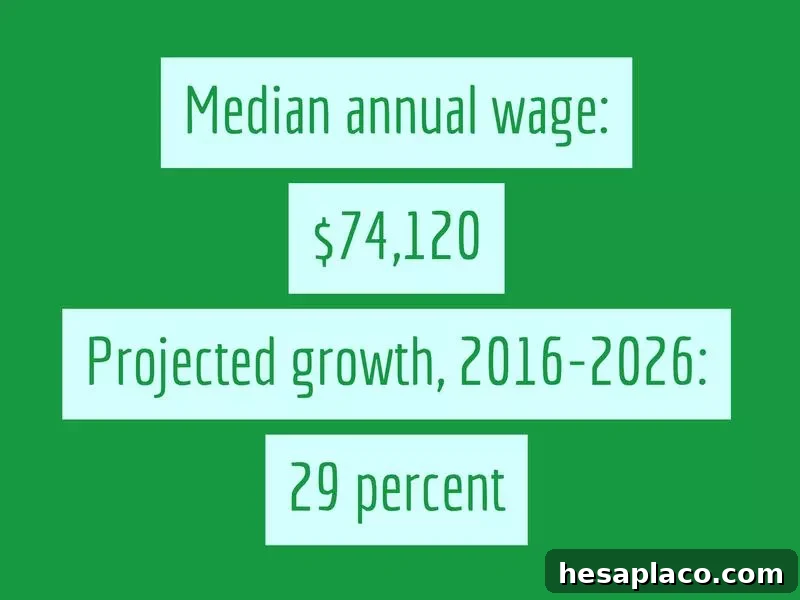
Genetic counselors assess inherited disease risk and advise patients and families. They typically need a master’s degree and board certification. The median annual wage in May 2016 was $74,120. BLS projected employment to grow about 29 percent through 2026 as genomics and diagnostic testing expand clinical uses.
On the Rise: Occupational Therapy Assistants
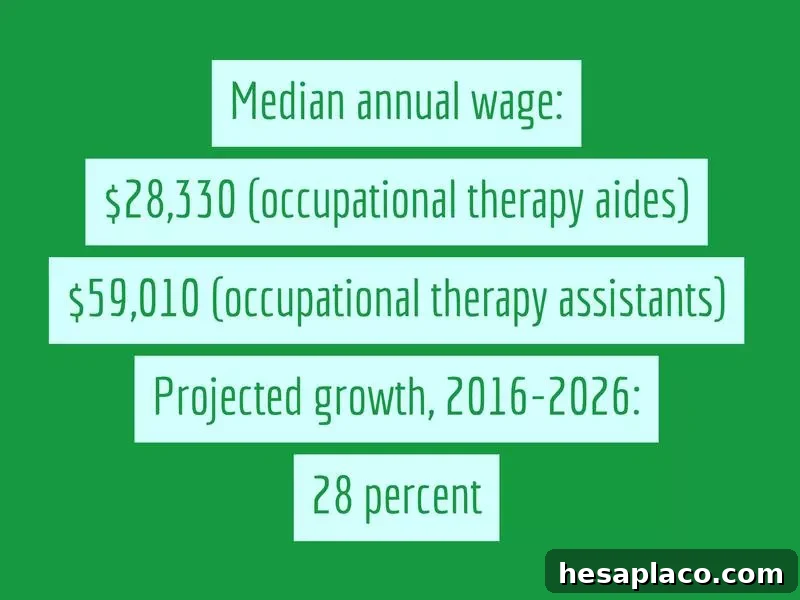
Occupational therapy assistants and aides help patients regain daily living and work skills under a therapist’s direction. Assistants typically need an associate degree and state regulation; aides usually require a high school diploma and on-the-job training. Median wages in May 2016 were $59,010 for assistants and $28,330 for aides. BLS projected employment growth around 28 percent through 2026.
On the Rise: Software Developers
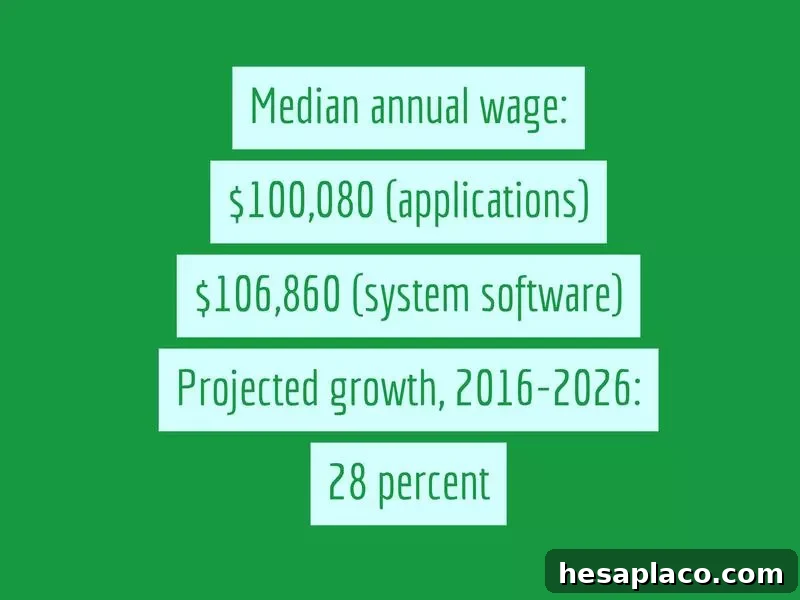
Software developers design and build applications and system software. Most employers seek candidates with bachelor’s degrees in computer science and strong programming skills. Median annual wages in May 2016 were $100,080 for applications developers and $106,860 for systems software developers. BLS projected about 24 percent growth through 2026, reflecting rising demand for software across industries.
On the Rise: Mental Health and Substance Abuse Social Workers
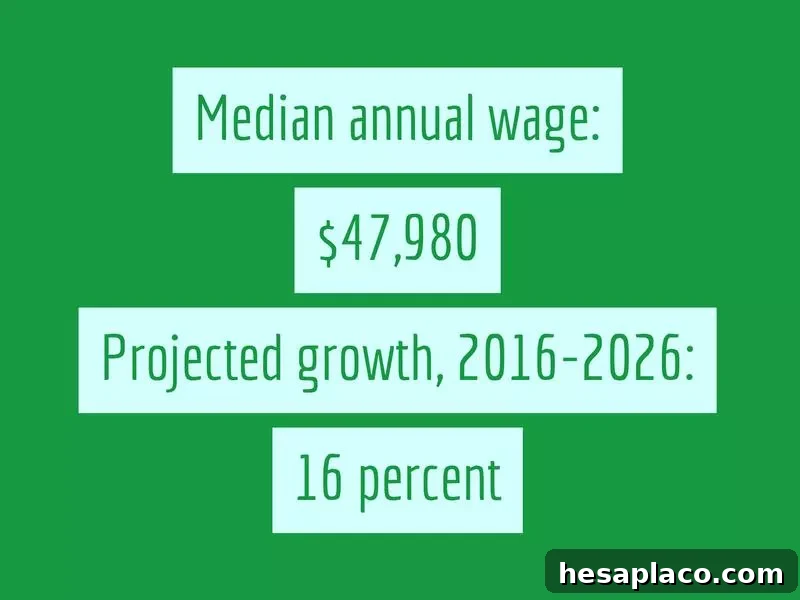
These social workers diagnose and treat mental and behavioral health problems and provide counseling and support. Median annual wages for social workers were $47,980 in 2017. Employment was projected to grow about 16 percent through 2026 as demand for mental health and social services increases. Educational requirements vary by role; clinical positions require a master’s degree and licensing.
On the Rise: Massage Therapists
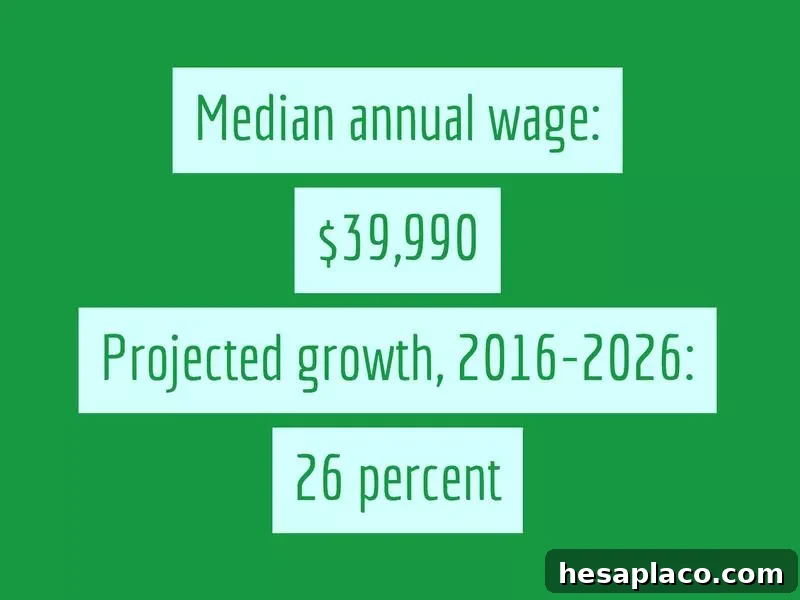
Massage therapists help relieve pain, reduce stress, and promote wellness. Many complete accredited postsecondary programs and state licensing or certification. The median annual wage in 2017 was $39,990. Employment was projected to grow about 26 percent through 2026.
On the Rise: Market Research Analysts
Market research analysts study market trends and consumer behavior to help companies make product and pricing decisions. Most have at least a bachelor’s degree and strong analytical skills. The median annual wage in 2017 was $63,230. BLS projected employment growth of about 23 percent through 2026 as organizations increasingly rely on data and market insights.
On the Rise: Interpreters and Translators
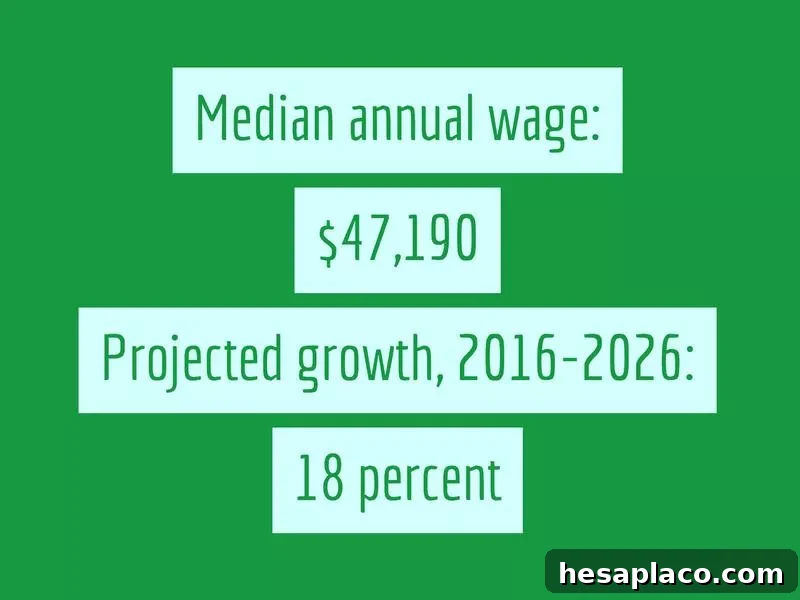
Interpreters and translators convert spoken or written information between languages. They work in healthcare, legal settings, education, conferences, and remote roles. Median annual wages in 2017 were $47,190. Native-level proficiency and strong language skills are essential. BLS projected employment to grow about 18 percent through 2026 due to globalization and a growing population with limited English proficiency.
On the Rise: Information Security Analysts
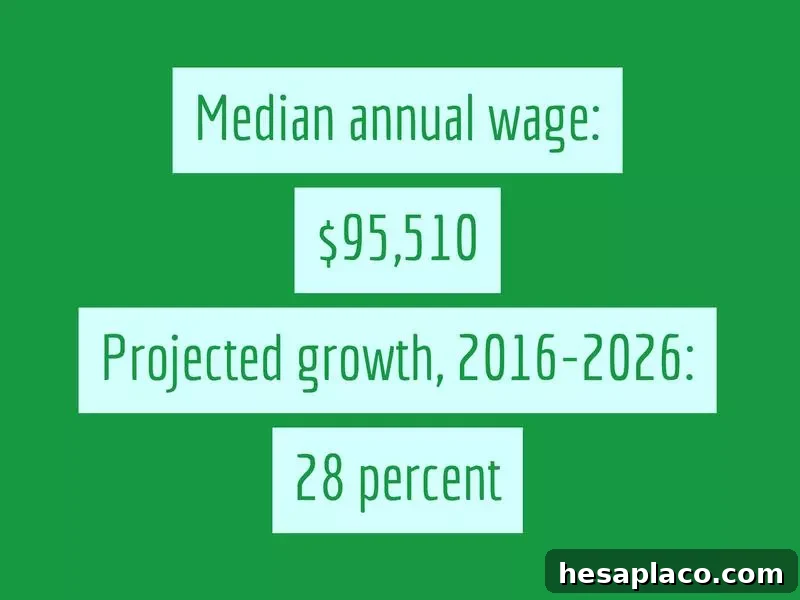
Information security analysts protect computer systems and networks from cyber threats. Most roles require a bachelor’s degree in a computer-related field and relevant experience. The median annual wage in 2017 was $95,510. BLS projected employment to grow about 28 percent through 2026 as organizations increase investments in cybersecurity.
On the Rise: Fundraisers
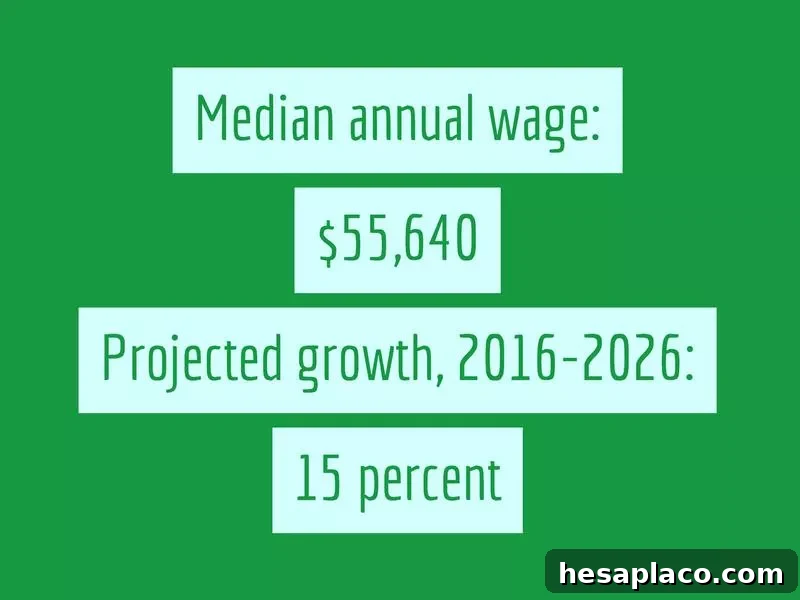
Fundraisers plan campaigns and events to secure donations and support for nonprofit organizations, educational institutions, and other groups. The median annual wage in 2017 was $55,640. Most fundraisers hold a bachelor’s degree and strong communication skills. BLS projected about 15 percent employment growth through 2026 as organizations continue to seek funding.
On the Rise: Financial Managers
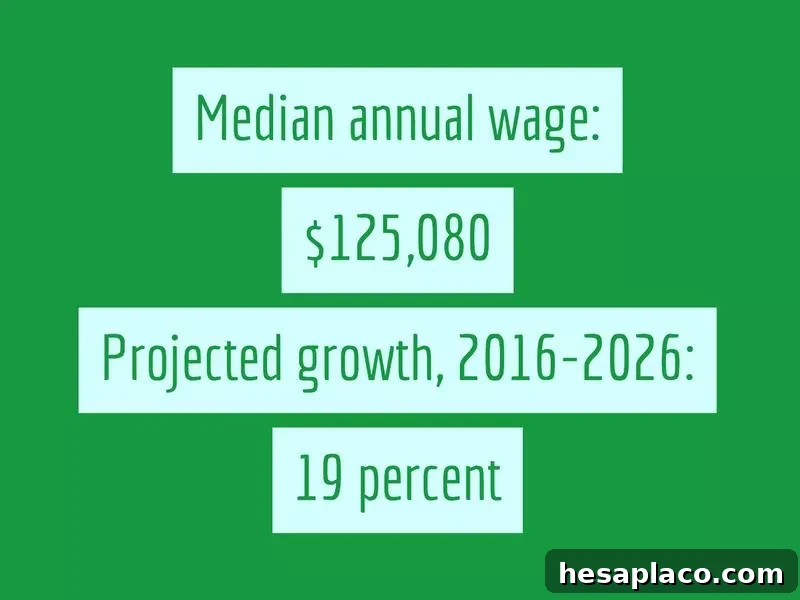
Financial managers oversee an organization’s financial health, preparing reports, directing investments, and defining financial strategy. The median annual wage in 2017 was $125,080. These roles typically require a bachelor’s degree and several years of experience. BLS projected employment to grow about 19 percent through 2026 as demand for risk and cash management rises.
On the Rise: Chefs and Head Cooks
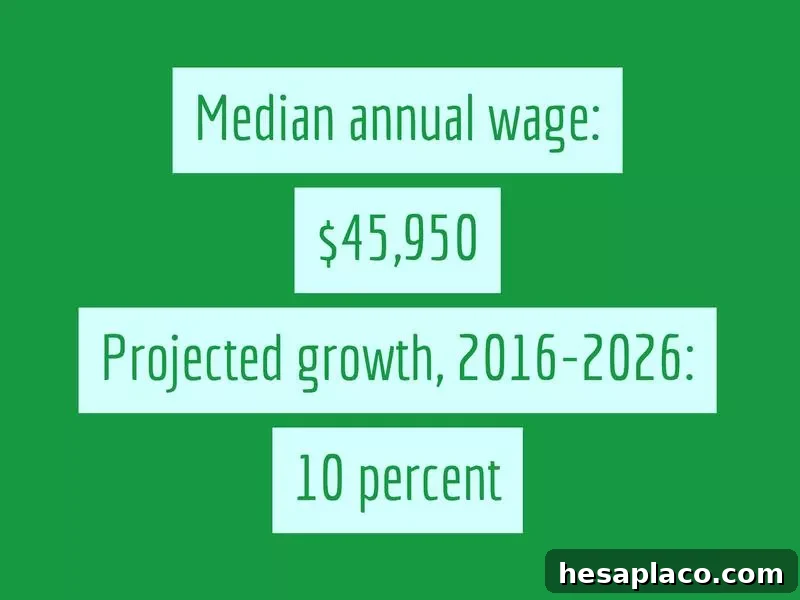
Chefs and head cooks manage kitchen operations and direct food preparation at restaurants and institutions. Many learn through on-the-job experience, culinary schools, or apprenticeships. The median annual wage in 2017 was $45,950. BLS projected about 10 percent employment growth through 2026, driven by continuing demand in food services.
On the Rise: Dentists
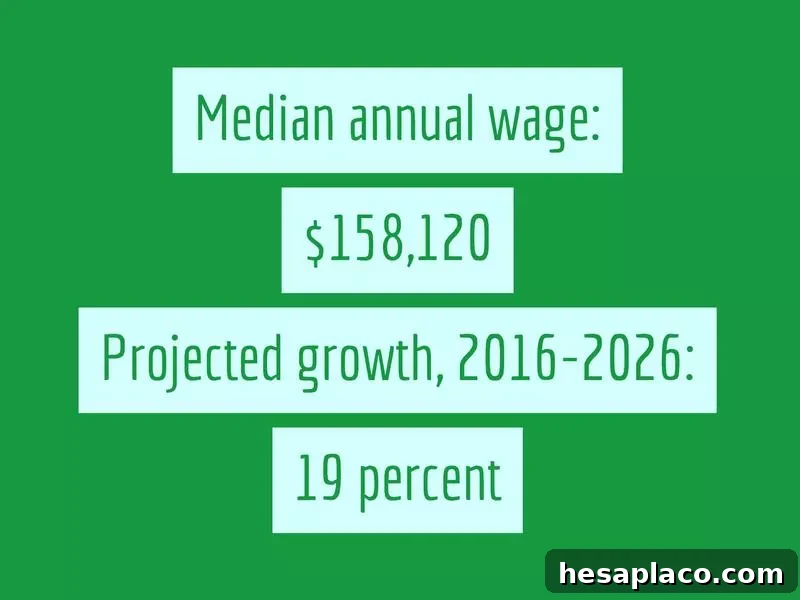
Dentists diagnose and treat oral health issues, advise on preventive care, and must be licensed after graduating from accredited dental programs. The median annual wage in 2017 was $158,120. BLS projected about 19 percent growth through 2026 as dental care remains linked to overall health and demand increases with an aging population.
Overall, the U.S. job market is undergoing transformation: automation and efficiency reduce demand in some traditional roles, while healthcare, renewable energy, data, and technology-related jobs offer significant opportunities for growth. Workers and students can best prepare by tracking industry trends, gaining relevant technical skills or certifications, and pursuing education aligned with expanding fields.