
If your resume is the gift inside the box you send to potential employers, your cover letter is the card that accompanies it. Treating the cover letter as an afterthought can cost you interviews. In many hiring processes the cover letter helps decide whether you move forward or are dismissed.
Knowing the essentials — clear font choices, genuine tone, and concise language — is important. Equally crucial is avoiding common mistakes: typos, grammatical errors, and turning the letter into a long personal history. Writing a strong cover letter takes time and attention; hiring experts emphasize its value.
Cover Letter vs. Curriculum Vitae
Some recruiters focus mainly on resumes. Laura Gano, a lead recruiting specialist in Omaha, says cover letters are often overlooked in certain industries, and she prioritizes the resume when evaluating technical qualifications. She typically places the cover letter behind the resume and moves on if a candidate lacks core requirements.
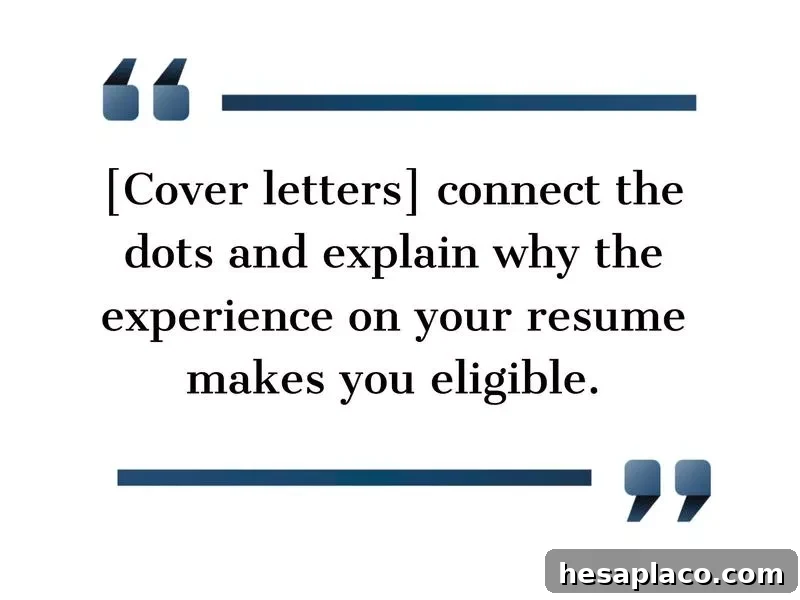
However, other hiring professionals disagree. David Janke, former associate dean at a culinary institution, describes the cover letter as the place to “connect the dots” and explain why the experience listed on a resume makes an applicant a fit for the role. In short: the resume lists facts; the cover letter provides context and relevance.
Show Off — Not Show Off
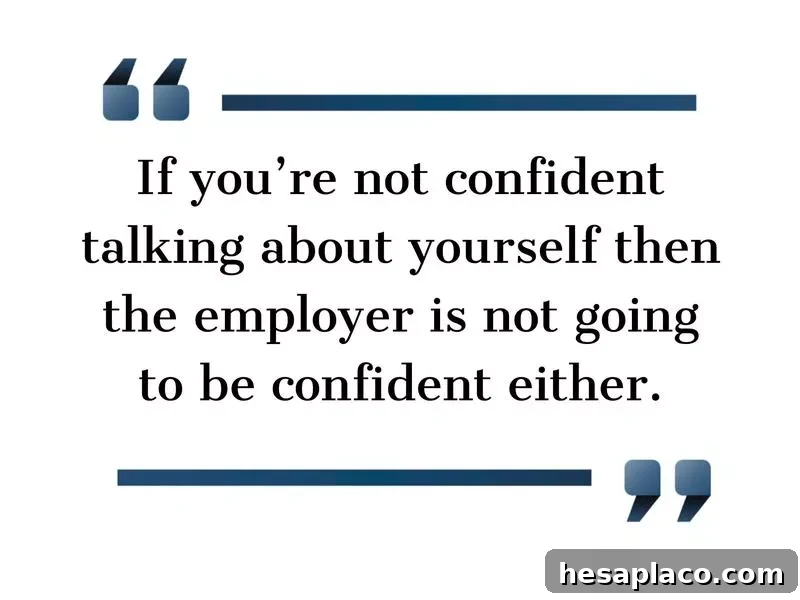
Your cover letter should highlight accomplishments and relevant strengths. Employers want to see that you can identify and articulate skills and experiences that match the role. Be confident and specific about what you bring; reluctance or false modesty won’t help your case. Confidence that’s grounded in evidence helps employers trust you will communicate and perform well.
Keep It Professional and Readable
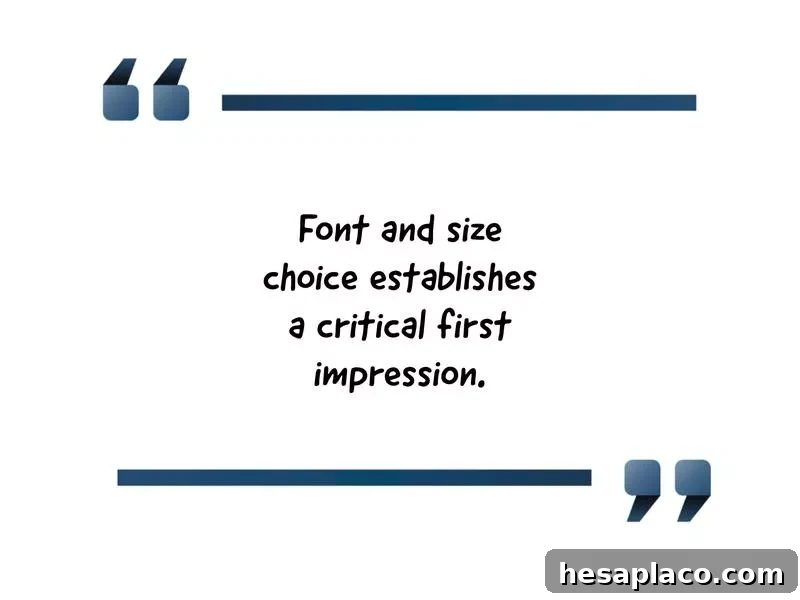
Good cover letter etiquette starts with readability. Stick to standard fonts such as Arial, Times New Roman, or Calibri in sizes between 10 and 12 points. Avoid decorative or gimmicky fonts that distract from your message. A clean, professional appearance signals attention to detail and respect for the reader’s time.
Address a Real Person
Rather than opening with “To whom it may concern,” research the right contact and address the letter to a named individual when possible. Finding the correct recipient demonstrates initiative and helps you tailor the tone of the letter. Also distinguish between the hiring manager and HR contacts so you direct your message to the appropriate reader.
Keep It Short — Not a Memoir
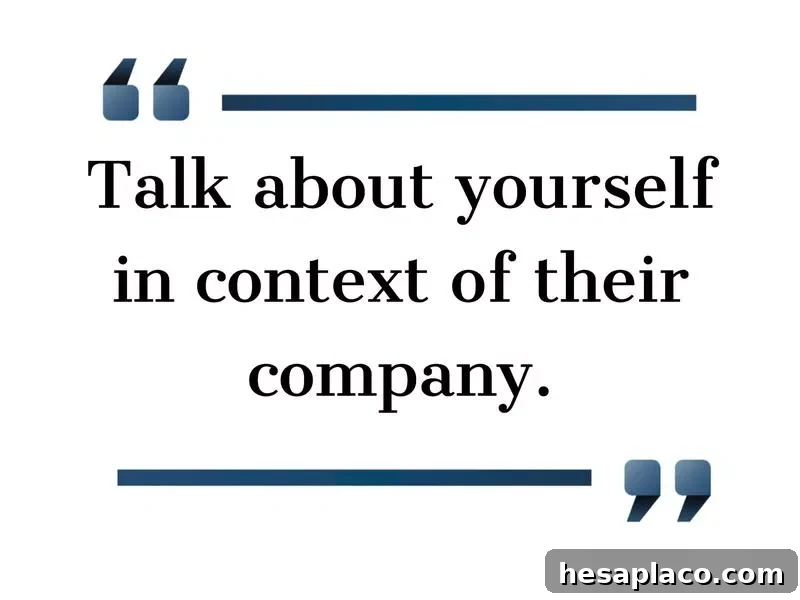
Employers sort through many applications. Keep your cover letter to one page. Shorter, focused letters are more likely to be read and appreciated. Emphasize how your strengths apply to the company and role rather than listing every achievement. Balance confidence with relevance: show what you can contribute and how you will fit the team.
Make Every Second Count
Readers often skim quickly. Be intentional about word choice and structure: open with a strong hook, communicate your core qualifications early, and be concise throughout. Hiring managers may only spend a handful of seconds on a document, so present key information efficiently and professionally.
Don’t Reuse a Generic Letter
Resist the temptation to send the same generic letter to every employer. Tailor each cover letter to the specific organization and role. A personalized letter demonstrates genuine interest and attention; a boilerplate letter increases the chance of mistakes like leaving the wrong company name in place.
Explain Your Story — Don’t Boilerplate
The cover letter is an opportunity to share your professional narrative and how your experience aligns with the job. Use it to connect the facts on your resume to the employer’s needs. Tailor the content to the job description and demonstrate how your background makes you a strong match.
Reveal Personality — Appropriately
Show aspects of your personality in a measured way. Provide specific examples that highlight both your strengths and capacity to learn from mistakes. A modest tone combined with clear evidence of skill can reassure employers that you’re capable and coachable.
Hook Them From the Start
Begin with a compelling first sentence that grabs attention. Follow that with clear reasons why you’re interested in the company and what you can contribute. A strong opening increases the chance the reader will continue through the rest of your letter.
Be Specific — Avoid Vague Statements
Demonstrate an understanding of the role and the organization by using specific language. Incorporate relevant keywords from the job description and show how your experience connects to the stated responsibilities. Generalities make it harder for hiring teams to see a clear fit.
Use Bullets When Helpful
Some fields value concise, direct presentation. For technical or science-oriented roles, consider using brief bullet points to highlight key qualifications or achievements. In creative fields, a narrative style may be more appropriate. Match the format to the audience and role.
Conclude with Purpose
End with a concise summary of why you’re a strong candidate and include a clear call to action. Reinforce how you will benefit the company, and indicate your eagerness to discuss the opportunity further. Avoid excessive self-promotion and focus on relevant experience that supports your candidacy.
Proofread Thoroughly
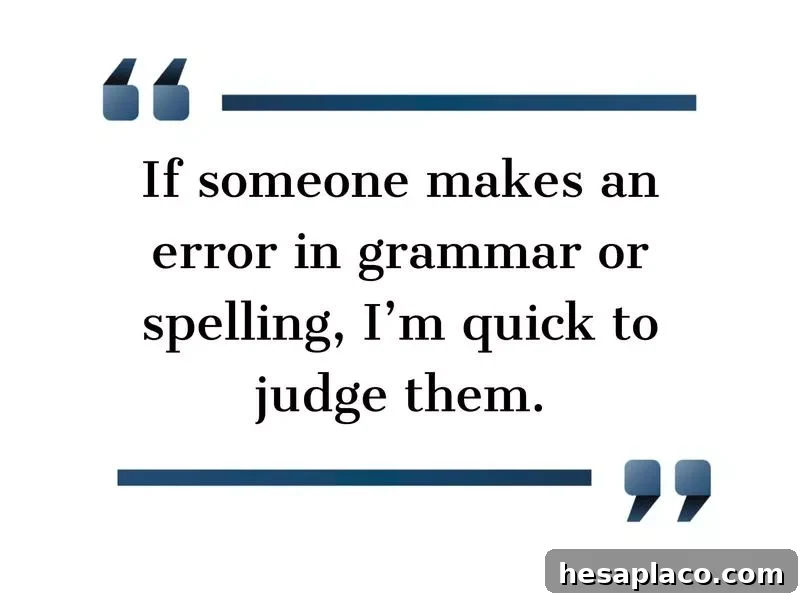
Typos and grammatical errors are immediate red flags. Triple-check spelling and grammar, and ask a trusted colleague or mentor to review your letter. Careful proofreading demonstrates attention to detail — a quality employers expect.
Like a First Date — Leave Them Wanting More
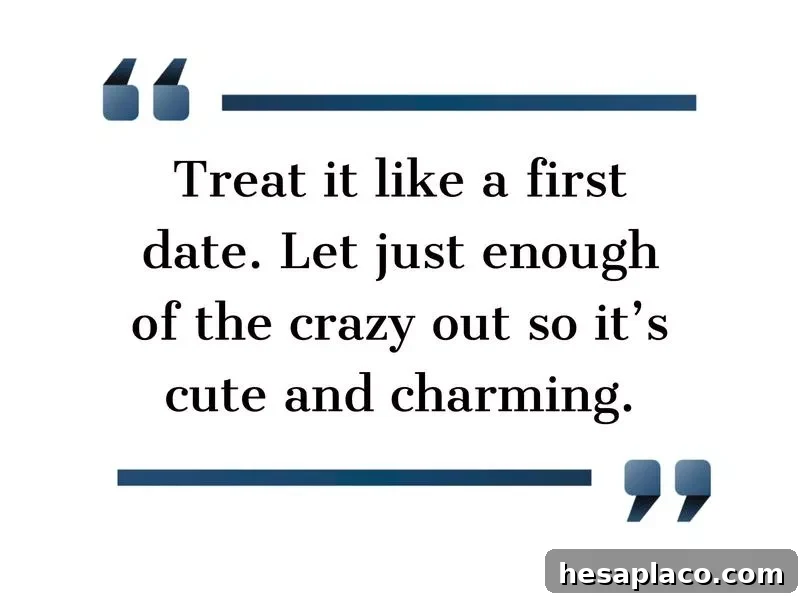
Your cover letter should offer a glimpse of who you are without oversharing. Be authentic, confident, and a little memorable — but keep it professional. Strike a balance that leaves the reader interested in learning more during an interview.
In short, a strong cover letter is concise, tailored, and error-free. It should clearly connect your experience to the employer’s needs, demonstrate genuine interest, and invite a next step. Invest the time to craft a thoughtful letter — it can be the difference between an interview and a missed opportunity.