
In a job interview, it’s common to feel vulnerable and unsure of what you must disclose.
Interviews and the people who conduct them can be intimidating. You’re nervous, and the interviewer holds the power to offer or deny you a position that might significantly impact your life. That pressure can make you feel obliged to answer every question asked. But the reality is more nuanced.
Interviewers are not free to ask about any topic. You are not required to respond to questions—or parts of questions—that are unlawful. Certain topics are generally off-limits, and asking about them can expose the interviewer and their employer to legal liability for employment discrimination.
You may choose to answer an illegal question if you feel comfortable doing so. However, if an interviewer persists with an inappropriate line of questioning and you feel uneasy, you have the right to decline to answer.
Below are several common illegal interview questions, why they’re problematic, and safe, professional ways to respond that provide the employer with the information they can legally consider.
1) How many children do you have?
Asking about children is typically unlawful because it invites discrimination based on family status. Employers may be trying to learn whether outside responsibilities will affect your availability or ability to perform the role—information that is legally relevant. But knowing you have children cannot be used as a reason to refuse employment.
A good response shifts the focus to your capacity to perform the job: explain that your responsibilities outside work have not affected your past performance and will not impact your ability to meet this role’s requirements. If the interviewer repeats the question, calmly restate your answer until the topic changes.
2) Are you comfortable managing or working with a team of (another gender)?
This question is problematic because it can force you to disclose your gender, which is irrelevant to job performance and protected from discrimination. What the interviewer likely wants to assess is your ability to work with diverse colleagues.
Respond by offering examples of how you’ve successfully collaborated with diverse teams, focusing on communication, conflict resolution, and inclusive leadership. That answer gives them the useful information they need without revealing personal details they can’t legally request.
3) What religious holidays do you observe?
Questions about religion are off-limits because religious beliefs cannot lawfully be used in hiring decisions. An employer asking this is often trying to determine your availability.
Instead of naming religious holidays, provide your availability: specify the days and hours you can work and whether you have any foreseeable scheduling constraints. That gives employers the scheduling information they need without disclosing protected personal beliefs.
4) Were you born in the United States?
Your birthplace is protected information. Employers only need to know whether you are authorized to work in the United States—not where you were born. Asking birthplace can lead to national origin discrimination.
Answer by confirming your legal right to work in the U.S., if true. If you prefer, simply state that you are authorized to work here and can provide documentation when required.
5) Are you married?
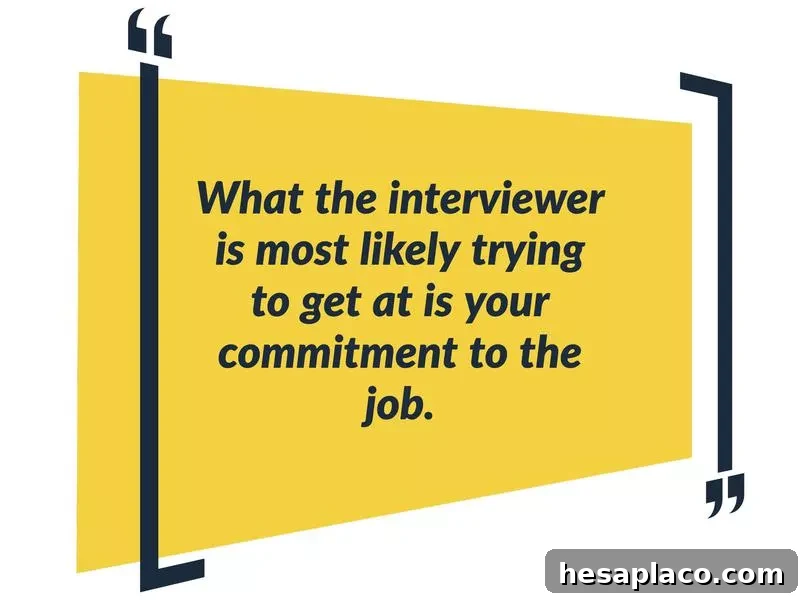
Marital status and sexual orientation are protected characteristics. Employers should not base hiring decisions on whether you are married or single.
If an interviewer asks about marriage, redirect to the issue they can lawfully consider: commitment and reliability. Say that your personal life does not interfere with your job performance and that you prioritize meeting work responsibilities. This provides relevant reassurance without revealing private details.
6) Are you a native English speaker?
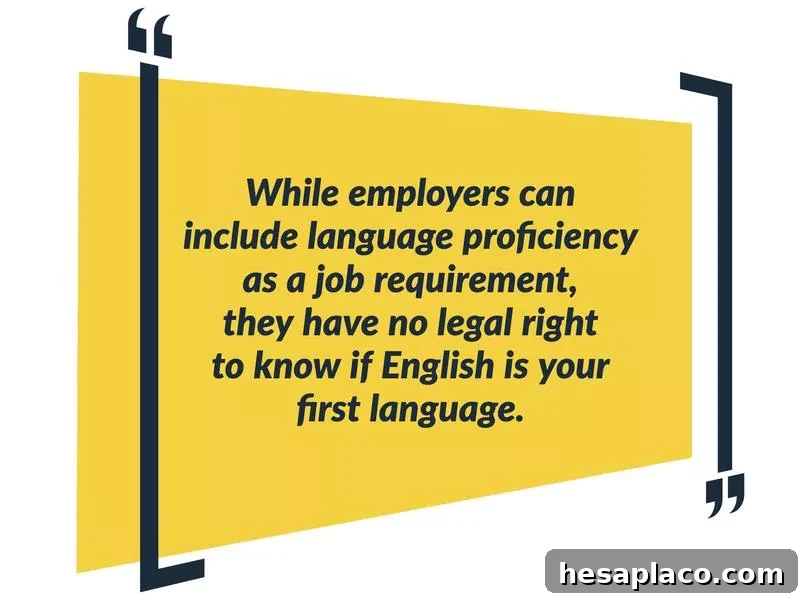
While employers may require language proficiency for certain roles, they cannot demand to know whether a language is your native tongue. The right question concerns your actual ability to perform the job.
State your proficiency clearly: whether you are fluent in speaking, reading, and writing in the required language. Provide examples of professional situations where you used the language to demonstrate competence rather than disclose which language you learned first.
7) Do you drink?

Questions about alcohol use can run afoul of the Americans with Disabilities Act because alcoholism is considered a medical condition. Employers should not probe into medical history that is unrelated to job performance.
If asked, you can say your personal habits have never affected your work, or simply state that you are reliable and meet performance expectations. Avoid giving medical or personal details; those are not necessary for hiring decisions.
8) Have you ever used illegal drugs?

Past addiction and past illegal drug use may be protected under the Americans with Disabilities Act when it is in the past. However, current illegal drug use that affects job performance can be a legitimate concern for employers.
If you have a history but are no longer using, reassure the interviewer that your past will not affect your ability to perform the job. If current substance use could interfere with duties, an employer may lawfully address that issue. Otherwise, keep the focus on your fitness for the role.
9) Do you have any disabilities or serious illnesses?
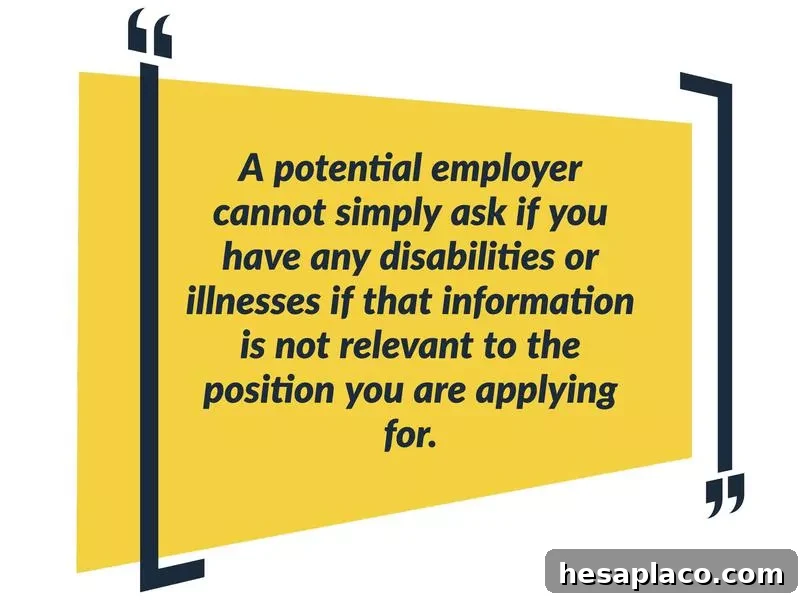
Questions that broadly ask about disabilities or medical conditions can violate the Americans with Disabilities Act. Employers may inquire whether you can perform essential job functions, with or without reasonable accommodation, but blanket questions about health are inappropriate.
Answer by confirming that you can perform the essential duties required by the position, and note if you would need any reasonable accommodations to do so. If no accommodations are necessary, simply state you are able to meet the role’s physical and mental demands.
10) Are you comfortable working with a boss of another race?
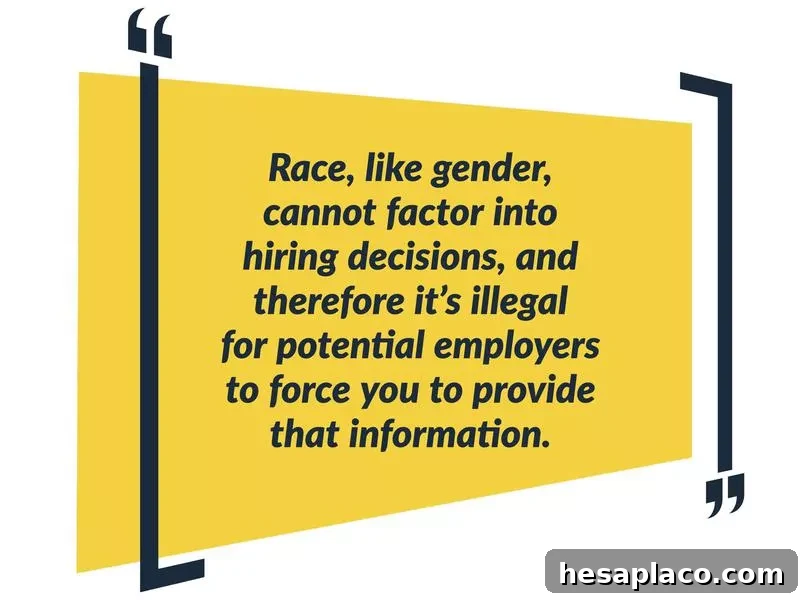
Questions about race are unlawful because they can compel disclosure of a protected characteristic and invite discriminatory decisions. The interviewer likely intends to assess your ability to work professionally with people who differ from you.
Provide examples of working effectively with colleagues or supervisors from diverse backgrounds and describe how you navigated differences productively. Concrete examples of collaboration and problem-solving demonstrate your adaptability without addressing race directly.
11) Will you have trouble working with people younger than you?
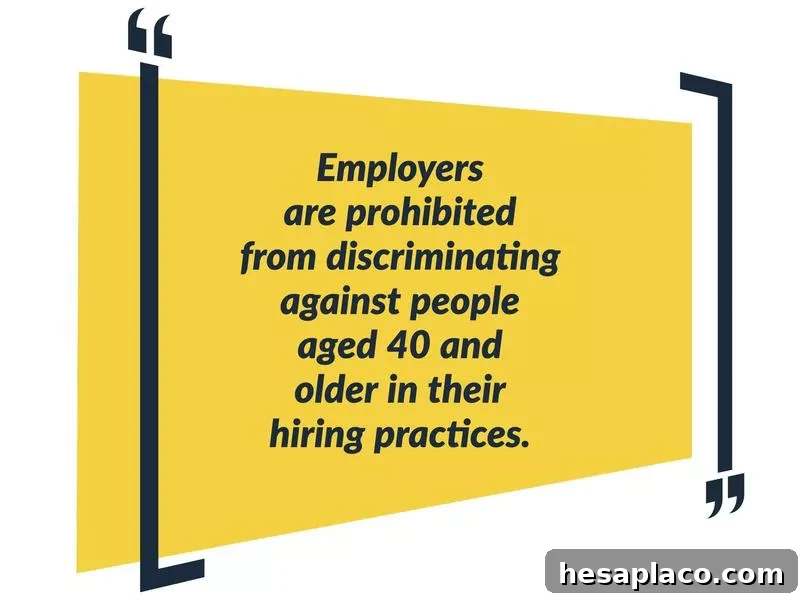
Questions that reveal age can be illegal, especially because federal law protects applicants aged 40 and older from age discrimination. An employer may not base hiring decisions on age.
The interviewer is likely checking whether you can work with different generations and adapt to new technologies. Instead of disclosing your age, describe your experience using current tools and technologies relevant to the role and give examples showing you learn and adapt quickly.
12) Are you pregnant?
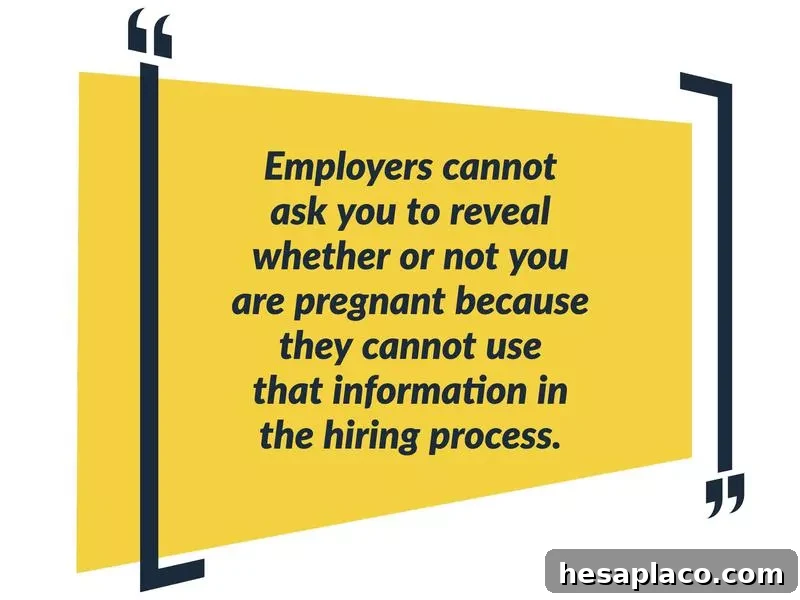
Pregnancy is a protected condition and cannot lawfully be used to deny employment. Employers may ask about your start date or whether you will need foreseeable extended leave soon after hiring, but they should not ask whether you are pregnant.
If asked, supply the practical information they need: when you can start and whether you anticipate needing extended time off in the near term. If the interviewer presses further, reiterate those facts and steer the conversation back to your qualifications and readiness for the role.
Knowing how to respond to inappropriate interview questions helps you protect your rights while still providing employers with the relevant information they need to evaluate your candidacy. When in doubt, answer by focusing on your ability to perform the job and any work-related limitations or scheduling constraints that are directly relevant to the position.