
Choosing what to wear to work each day might seem trivial. Clothes are clothes, right? In reality, your wardrobe reveals aspects of your personality, your mindset, and how you approach your career—sometimes more accurately than a personality quiz. Examining the pieces you wear regularly, the items you never touch, and the overall style of your closet can offer useful insight into how you see yourself and how others perceive you at work.
A thoughtful wardrobe change can jump-start a shift in attitude that influences professional opportunities and personal confidence. From color choices to fit and brand preference, your clothing can reflect who you are now and who you want to become.
Colors

Taking a good look at the colors found most often in your closet will teach you a lot about how you view yourself and your particular approach to your job. Getty Images
Colors affect emotion and perception—both in advertising and in what you wear. Different shades communicate distinct messages. Black often conveys authority and power; blue suggests calmness and creativity; red or orange can signal energy and enthusiasm; yellow reads as cheerful; and purple can evoke luxury or spiritual depth. A wardrobe dominated by neutrals like white, beige, and gray may suggest a desire to stay unnoticed or discomfort with attention.
Pay attention to the hues you reach for most, especially on days when you want to feel confident or make an impression. The colors you choose reveal how you view yourself and the role you bring to work.
Unworn Clothes With the Tags Still On

We’re all guilty of buying something seemingly spectacular only to leave it sitting in our closet unworn with the tags still on. Getty Images
Many of us buy items we love and then never wear them, leaving tags attached in case we change our minds. If your closet holds numerous pristine pieces you never use, it might indicate that you imagine a different career or lifestyle but haven’t taken steps to reach it.
If those items genuinely appeal to you, start wearing them. Choosing to use what you’ve already invested in can reinforce follow-through and help you feel more aligned with the professional image you want to project.
Overworn and Sentimental Clothes

It may be time to accept that you can now afford new suits and that particularly worn out one should no longer hold a place in your closet. Getty Images
Keeping too many worn-out garments or pieces kept for sentimental reasons can signal an attachment to the past that limits forward momentum. A suit you bought for your first job may hold emotional value, but if it’s ragged or stained, it no longer serves your present professional goals. Letting go of such items makes room for clothing that reflects where you are now and where you want to go.
Not the Right Size

Getting your clothes slightly altered and tailored to fit you better could make all the difference in the world. Getty Images
Wearing garments that are too large or too small can indicate an inaccurate self-image and may point to underlying confidence issues. Investing in small alterations or tailoring to achieve a better fit can dramatically improve how you feel in your clothes. When clothing fits properly, it enhances comfort and presence—and that confidence often carries over into work performance and interactions.
Pants vs Dresses
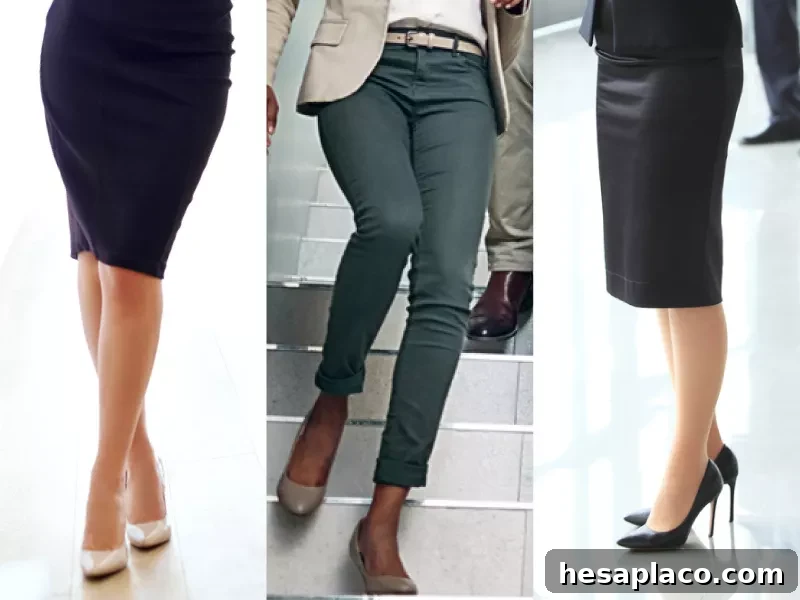
Whether or not you wear pants or dresses regularly may be very telling about how you feel in terms of your freedom to express yourself at work. Getty Images
Whether your wardrobe leans toward pants or dresses can reflect how comfortable you feel expressing yourself professionally. Many women who prefer pants are highly capable and successful, yet in some environments the choice to favor pants may reflect a desire to downplay sexuality or to conform to expectations. There’s no universal right or wrong—just a useful lens for understanding your relationship with self-expression at work.
Logos

People who almost exclusively wear logos and hide behind obvious designer brands could be hiding their true identity. @abercrombie @levis @hugo_official
Wearing logo-heavy clothing can be stylish, but a closet dominated by branded items might suggest a tendency to lean on labels rather than personal identity. If you rarely choose clothing without a prominent logo, consider whether you feel comfortable bringing your authentic self to work or if you depend on brands to shape how others see you.
Duplicates
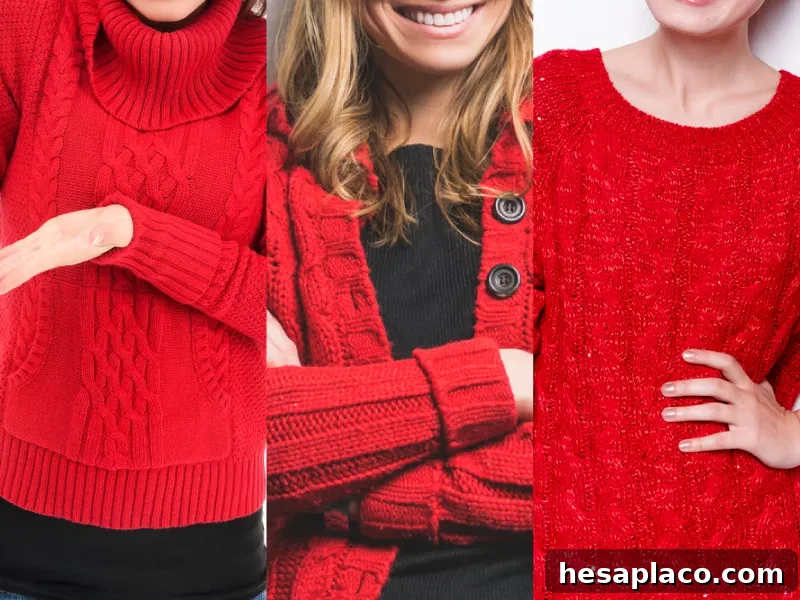
Getting stuck inside a routine can stifle creativity and make you lose some big-picture perspective. Getty Images
Wearing the same outfit or sticking to a fixed weekly rotation can be comforting, but it may also signal resistance to change. Unless your job requires a uniform, allowing a bit of variety in your outfits can stimulate creativity and offer new perspectives—both helpful for problem-solving and productivity. Small stylistic changes can refresh your outlook and re-energize your workday.
Too Casual or Too Dressy

The difference between casual clothes and dressy clothes can make a major difference in how you approach the world. Getty Images
The overall tone of your wardrobe—whether relaxed or formal—shapes how you move through the world. Tailored, fashionable business attire can project authority and earn respect but might feel less approachable. Casual clothing often reflects a more laid-back mindset. Aim to build a closet that aligns with the image you want to cultivate most of the time, while keeping at least a few options from the opposite end of the spectrum so you can step outside your comfort zone when needed.
Appropriate Age Range
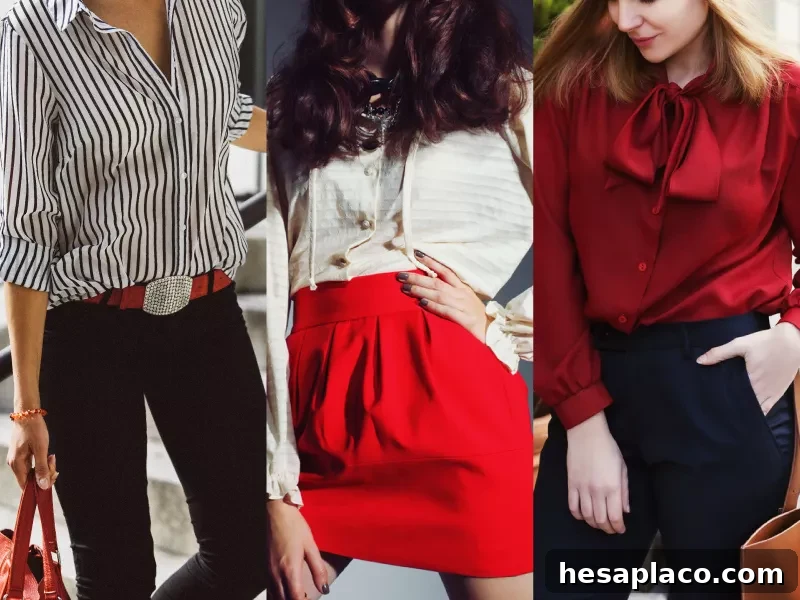
It’s especially important in a professional environment to dress appropriately for your age. Getty Images
In a professional setting, dressing in a way that suits your stage of life and career is important. Rather than trying to fit in with what peers wear, choose clothing that communicates the professional identity you want: energetic and modern, seasoned and authoritative, or creative and approachable. Selecting outfits with specific goals in mind—such as seeking a promotion or impressing clients—helps ensure your choices are both age-appropriate and career-focused.
Secrets
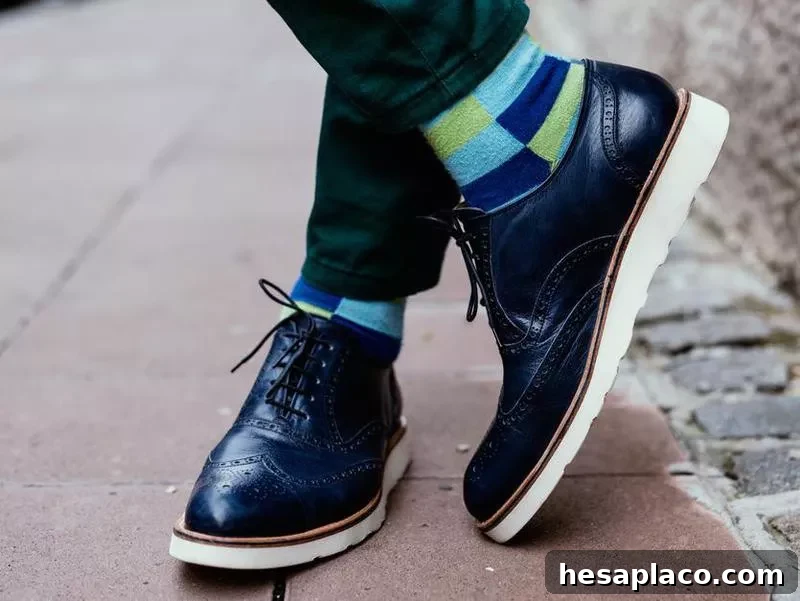
Wearing something that only you know you have on can give you a subconscious confidence boost. Getty Images
Wearing a hidden detail—an undershirt with a special pattern, a small charm, or a discreet accessory—can provide a private confidence boost. These personal touches boost your morale without broadcasting a message to everyone, and that quiet assurance can positively affect how you present yourself and perform at work.
Quality

Quality clothes are a better overall investment since you can get much more wear out of them. Getty Images
Buying higher-quality clothing can feel expensive up front, but it often pays off. Well-made pieces last longer, look better over time, and fit more comfortably—especially when tailored. Wearing quality garments can increase self-respect and reduce distractions, letting you focus on your work. In many cases, investing thoughtfully in a few reliable items will serve you better than frequently replacing cheaper pieces.
Your closet is more than storage: it’s a toolbox for shaping perception and strengthening confidence. By evaluating colors, fit, condition, and style, you can better align how you present yourself with your career goals and personal growth. Small updates—choosing different colors, tailoring pieces, retiring worn-out items, or adding a few high-quality staples—can produce meaningful changes in how you feel and how others respond to you professionally.