
The holiday season is approaching again: festive gatherings, family reunions, a rush of shopping — and, for many, a rise in stress.
Although the season offers moments of joy, it’s often overshadowed by last-minute shopping and financial worries. Many people report that holiday shopping is more stressful than traveling or spending time with extended family.
Each year the shopping season grows longer, and what once felt like a weekend chore can start to resemble a part-time job. Retailers begin putting out decorations earlier, and more than a third of shoppers start holiday buying well before Thanksgiving. A longer season can leave little time to relax — so how do you avoid the holiday frenzy and keep the season joyful? Before you head to stores or start filling your online cart, read the common holiday shopping mistakes and how to sidestep them.
Not Setting a Budget

Holiday spending can quickly get out of hand. Gifts, cards, decorations, travel and entertaining expenses add up fast. Without a plan, your holiday credit card bill can easily surpass essential monthly costs.
Start by deciding how much you can realistically set aside for holiday expenses this year, then create a budget and stick to it. Make a comprehensive list of expected costs — not just gifts, but also small items like wrapping paper, postage, or party supplies. If your spending starts to exceed your plan, reassess where you can scale back, particularly on gifts. You don’t need to buy something for everyone; often a thoughtful card or a meaningful experience matters more than another item.
Doing All Your Shopping at the Mall

Browsing in stores can spark ideas, but crowded malls, long lines, and stressed shoppers can turn an outing into a draining experience. To avoid those pitfalls, do most of your shopping online. Look for retailers that offer free shipping, since extra delivery fees can erase the value of a bargain. Many online stores provide free shipping around the holidays as a perk. If you don’t yet use a subscription delivery service that includes shipping benefits, consider a temporary membership if the savings justify it.
Overlooking Handmade or Homemade Gifts

Handmade gifts can be meaningful and budget-friendly. You don’t need advanced crafting skills to make something special: homemade bath salts, jars of cookie mix, or a batch of fudge can be appreciated more than a generic store-bought item. Online craft platforms and idea sites are full of simple, creative projects. Another option is taking a class — such as soap-making or home-brewing — which can produce unique gifts and memorable experiences while often costing less than buying multiple presents.
Putting Everything on Credit

Charging all holiday purchases can be tempting, but it risks accumulating debt you’ll be paying off long after the season ends. To stay in control, use cash or a debit card occasionally to curb impulse buys and keep real-time track of spending. If you do use credit, maximize legitimate rewards like cash back and pay balances promptly to avoid interest charges.
Waiting Until the Last Minute
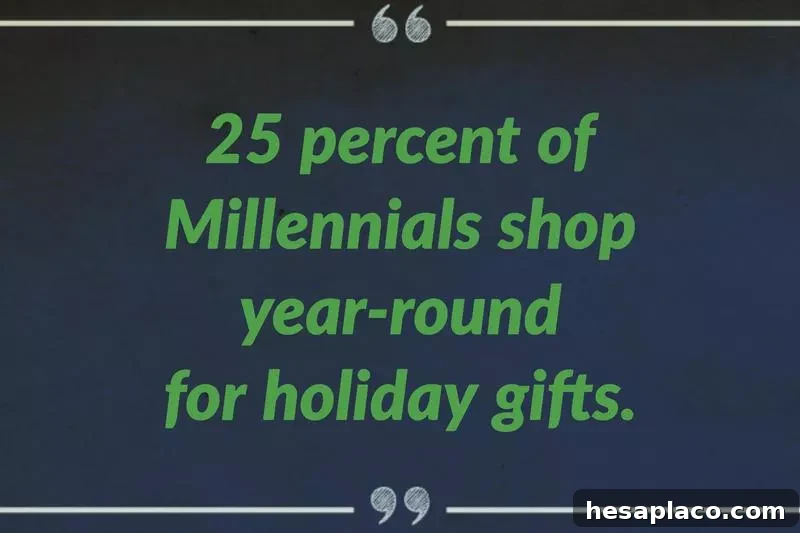
Prices and shipping costs tend to climb as the holidays near. Starting early gives you access to better deals and avoids rush fees. Many shoppers now buy gifts outside the traditional Black Friday-to-Christmas window; younger generations in particular shop year-round for holidays. Shopping between September and November can reduce stress and spread out costs.
Not Making a List

A clear shopping list reduces anxiety and limits impulsive purchases. Before you shop, create a detailed list that includes recipients, desired items, sizes, and where you found ideas. Keep the list with you and check off gifts as you buy them. Include teachers, colleagues, and others you want to acknowledge so nobody is forgotten.
Getting Caught Up in the Black Friday Frenzy

Black Friday and Cyber Monday often dominate cultural attention, but many retailers now extend their deals across weeks. Waiting solely for these days can lead to missed opportunities and unnecessary impulse buys. Planning and watching for deals in advance helps you avoid crowds and secure the items you want at fair prices without the last-minute frenzy.
Being Unable to Say No

Parents often feel pressure to grant every wish, but it’s important to set reasonable expectations. Saying no doesn’t make you a Grinch — it teaches children about limits and gratitude. Experiences like building a gingerbread house or skating together often create lasting memories that matter more than piles of toys.
Failing to Track Spending

After setting a budget, monitor every expense. Use a simple spreadsheet or budgeting app to record purchases, including travel, food, wrapping supplies, and stocking stuffers. Some people find it helpful to set up separate savings accounts for holiday gifts and charitable giving and contribute monthly to those funds. That approach makes it easier to manage cash flow and prevents overspending.
Not Comparison Shopping

Once you know what you want to buy, compare prices across retailers to find the best deal. Online shopping makes it fast to check multiple sites, while in-store shoppers should research discounts and coupons before heading out. Comparison tools and coupon resources can help you spot genuine savings and avoid overpaying.
Overlooking Online Scams
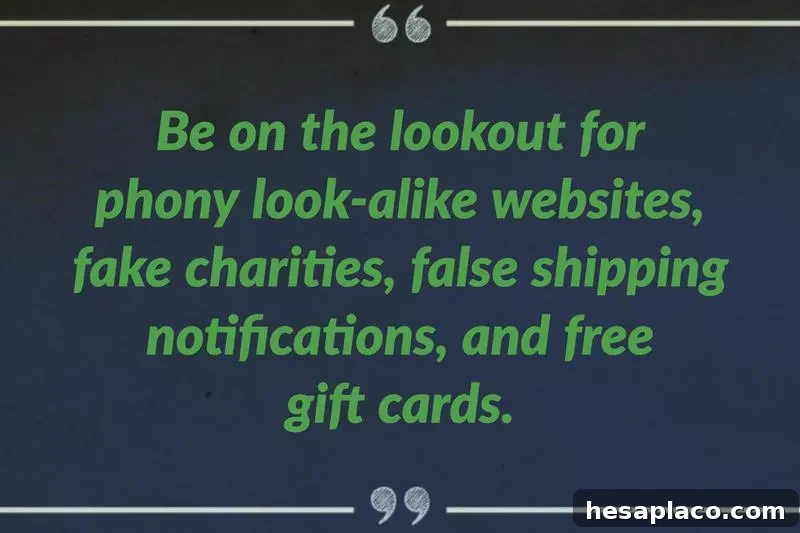
Scammers ramp up activity during the busy shopping season. Watch for fake websites, suspicious e-cards, phony charities, bogus shipping notices, and offers that seem too good to be true. Keep passwords updated, use a password manager and two-factor authentication, avoid clicking unknown links, and monitor accounts for any unusual activity.
Letting Stress Ruin the Season

Don’t allow shopping pressure to overshadow the joys of the holidays. Take breaks, step away from screens, and carve out time to relax. If needed, reduce the number of gifts you buy and prioritize experiences and time together. Some families opt to limit or forego presents, focusing on shared activities that create lasting memories rather than accumulating more stuff.
With planning, realistic expectations, and mindful spending, you can protect your finances and your peace of mind — and make the holidays more enjoyable for everyone.