Every year, multiple surveys and reports attempt to rank the world’s most expensive cities, and their results do not always align because each study uses different criteria. Still, a consistent set of cities appears across most lists, giving a clear picture of locations with the highest living costs.
We reviewed prominent sources, including the Economist Intelligence Unit’s Worldwide Cost of Living Survey and Mercer’s Cost of Living Survey, along with data from the UBS Price and Earnings Survey and other reputable references. From these, we assembled a list of 18 of the most expensive cities to live in worldwide.
Note: U.S. cities slipped in Mercer’s rankings in part because a recovering European economy strengthened other currencies against the U.S. dollar. If you are thinking about relocating, research carefully: compare housing, groceries, clothing, transport and entertainment costs, but also consider potential earnings—many high-cost cities also offer higher average wages.
Singapore

In 2018, the EIU Worldwide Cost of Living Survey ranked Singapore as the most expensive city in the world for the fifth year running. Getty Images
Population: 5,791,901
Median home price: SG 22,309 (U.S. $16,412) per square meter
Average monthly rental price: SG $2,666.53 (U.S. $1,974) for a two-bedroom apartment
Average salary: SG $67,152 (U.S. $49,714)
In March 2018, the Economist Intelligence Unit named Singapore the most expensive city globally for the fifth consecutive year. Singapore’s dense international workforce and high demand for housing and imported goods contribute to elevated living costs.
Paris, France
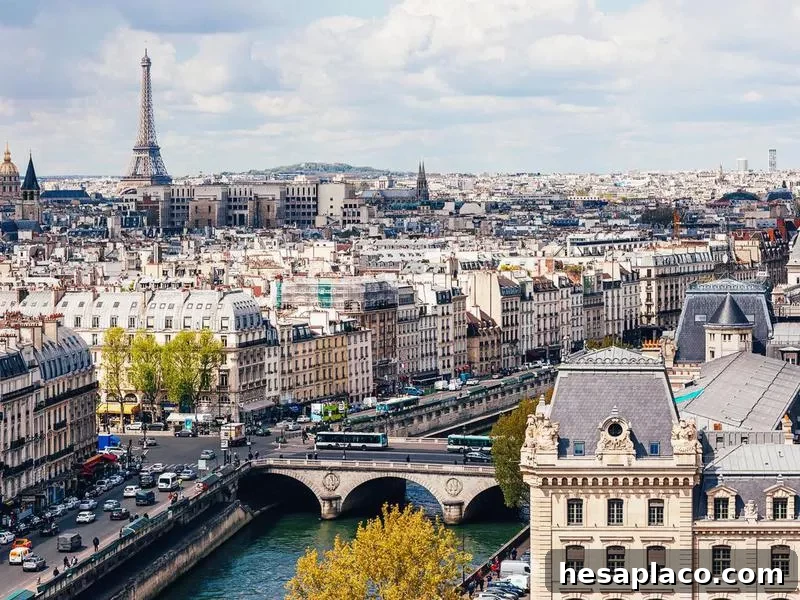
The majority of purchases and services, including entertainment, clothing and groceries, are more expensive in Paris than in any other EU city. Getty Images
Population: 2,241,346
Median home price: €9,070 (U.S. $10,574) per square meter
Average monthly rental price: €1,335 (U.S. $1,526) for a two-bedroom apartment
Average salary: €48,908 (U.S. $55,908)
Paris ranked as the world’s second most expensive city in the EIU survey and the most expensive in the European Union. Most everyday purchases and services—entertainment, clothing and groceries—tend to cost more in Paris than in other EU cities, although wine and tobacco can be relatively cheaper.
Zurich, Switzerland
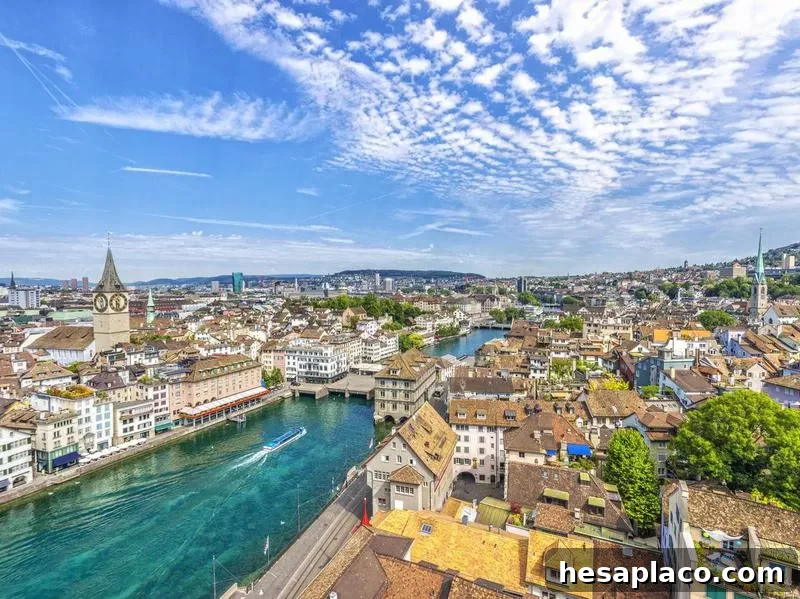
The Worldwide Cost of Living Survey and the Mercer Cost of Living survey found Zurich to be the world’s third most expensive city. Getty Images
Population: 402,762
Median home price: CHF 13,000 (U.S. $13,036) per square meter
Average monthly rental price: CHF 2,324 (U.S. $2,330) for a three-bedroom apartment
Average salary: CHF 103,296 (U.S. $103,298)
Zurich placed third in both the EIU and Mercer rankings. Other assessments, like UBS’s Price and Earnings Survey, also rank Zurich highly when comparing earnings to the cost of a typical shopping basket.
Hong Kong, China

Hong Kong is particularly expensive when it comes to housing. Getty Images
Population: 7,428,887
Median home price: HK $229,244 (U.S. $29,203) per square meter
Average monthly rental price: HK $29,342 (U.S. $3,737) for a two-bedroom apartment
Average salary: HK $374,569 (U.S. $47,742)
Mercer ranked Hong Kong as the most expensive city for expatriates, largely because of its extreme housing costs. The city frequently ranks among the least affordable housing markets globally, driven by limited land and high demand.
Tokyo, Japan

Taking into account hundreds of common expenses, such as clothes, food, entertainment and gas, Tokyo is a pretty pricey place to live. Getty Images
Population: 13,750,000
Median home price: JPY 64,870,000 (U.S. $603,000)
Average monthly rental price: JPY 190,348 (U.S. $1,740) for a two-bedroom apartment
Average salary: JPY 5,712,992 (U.S. $52,071)
Although Tokyo fell out of the EIU top 10 in 2018 due to low inflation, it ranked second in Mercer’s survey. Considering everyday expenses—housing, transport, clothing, food and entertainment—Tokyo remains an expensive metropolis.
Oslo, Norway

Despite being an oil-producing country, Norway has the highest gas prices in the world. Getty Images
Population: 545,000
Median home price: NOK 74,431 (U.S. $8,623) per square meter
Average monthly rental price: NOK 16,536 (U.S. $1,949) for a two-bedroom apartment
Average salary: NOK 654,027 (U.S. $75,756)
Oslo ranked fifth in the EIU survey. Despite Norway’s oil wealth, consumers face high petrol prices and generally elevated costs. At the same time, Norway offers high wages, low unemployment and strong public services, which help offset living expenses.
Geneva, Switzerland
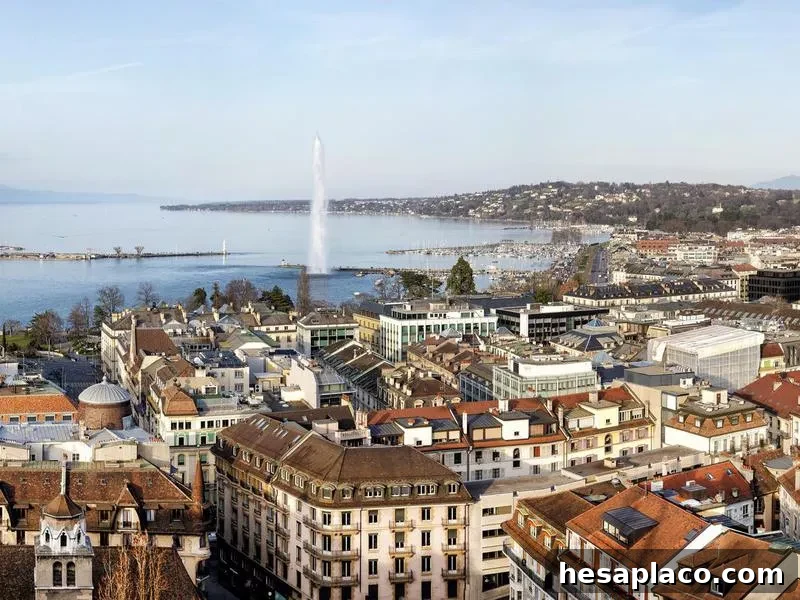
Housing is an average of $240 more expensive per month in Geneva than Zurich. Getty Images
Population: 198,979
Median home price: CHF 337,112 (U.S. $338,100)
Average monthly rental price: CHF 1,995 (U.S. $2,001) for a three-bedroom apartment
Average salary: CHF 109,295 (U.S. $100,881)
Geneva ranked sixth in the EIU survey. Some analyses show Geneva can be costlier than Zurich for food and housing, making it one of the most expensive European cities for families and professionals.
Seoul, South Korea

Seoul is particularly expensive for buying everyday food items, clothes and apparel – around 50 percent pricier than in New York City. Getty Images
Population: 10,290,000
Median home price: KRW 15,204,278 (U.S. $13,529) per square meter
Average monthly rental price: KRW 2,144,285.71 (U.S. $1,908) for a three-bedroom apartment
Average salary: KRW 53,835,001 (U.S. $48,639)
Seoul climbed significantly in the EIU rankings over a few years, ranking seventh in the survey and fifth in Mercer’s list. Everyday goods—food, clothing and apparel—can be markedly more expensive than in some Western cities, influenced by currency strength and import tariffs.
Copenhagen, Denmark
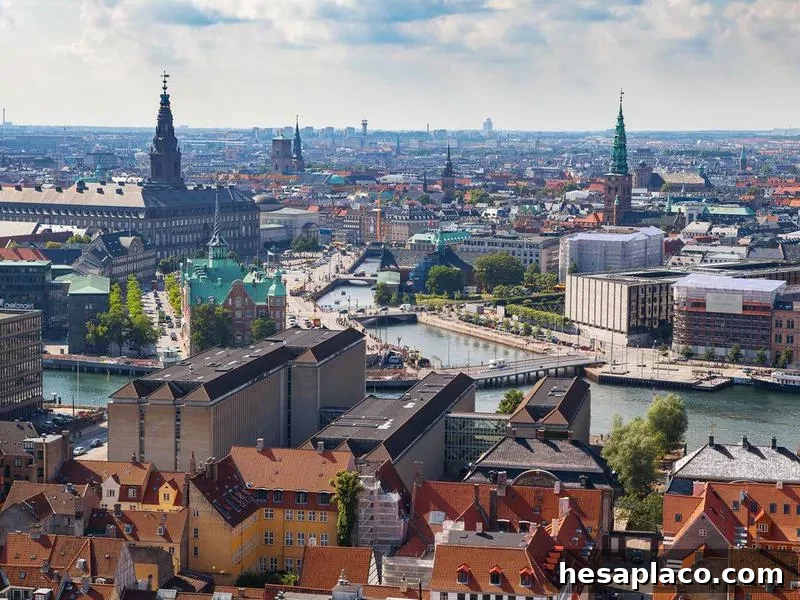
in 2017, two liters of Coca-Cola was 141 percent more expensive in Copenhagen than in New York City. Getty Images
Population: 1,260,000
Median home price: DKK 45,808 (U.S. $6,952) per square meter
Average monthly rental price: DKK 12,061 (U.S. $1,848) for a two-bedroom apartment
Average salary: DKK 538,271 (U.S. $87,950)
Copenhagen placed eighth in the EIU survey. The city is known for high prices on clothing, personal care, beer and soft drinks—but Denmark also ranks highly on quality-of-life and happiness surveys, which some residents consider part of the overall value.
Dubai, United Arab Emirates
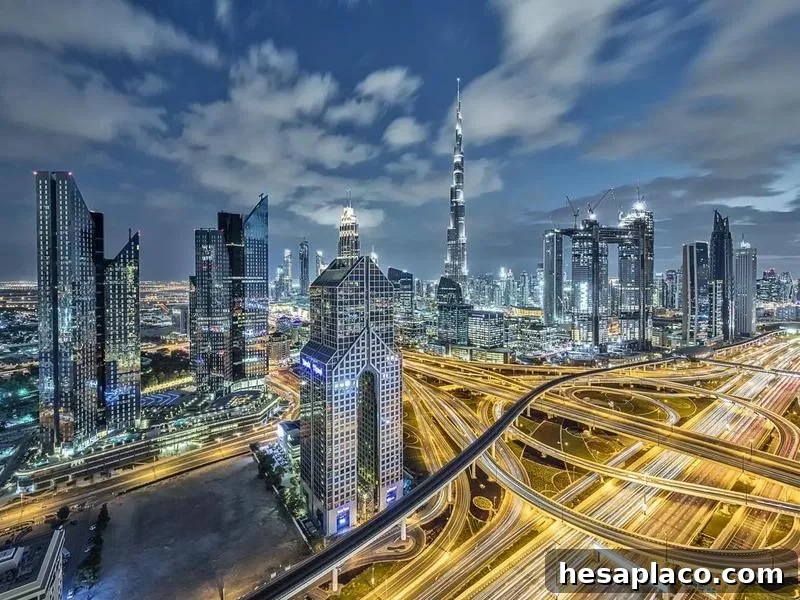
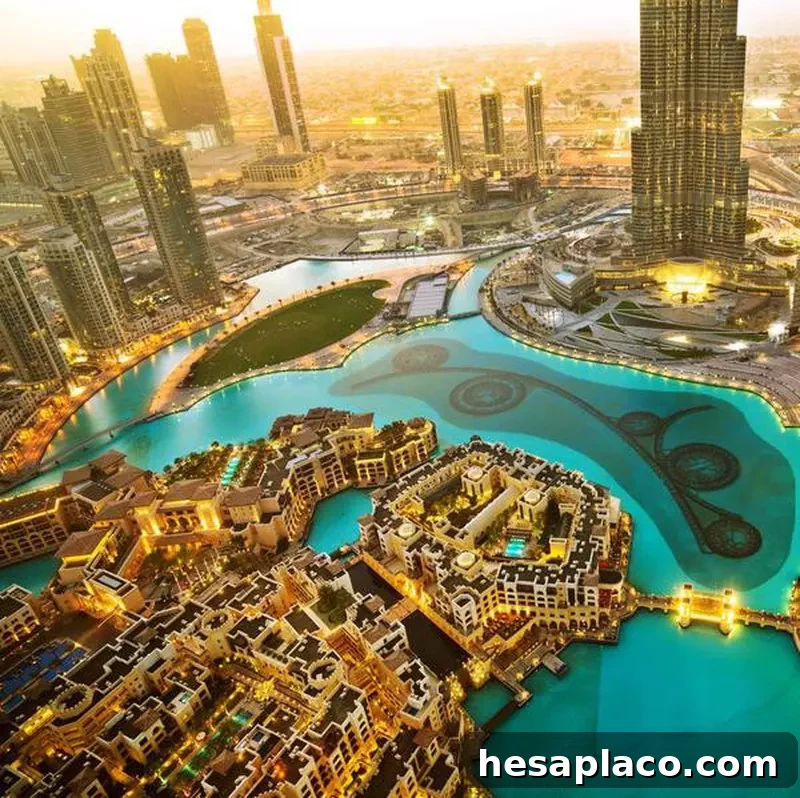
Dubai has a huge foreign worker population, which is a clue that the cost of living will be high for expats. Getty Images
Population: 3,137,000
Median home price: AED 2,780,000 (U.S. $760,000)
Average monthly rental price: AED 6,562 (U.S. $1,787) for a two-bedroom apartment
Average salary: AED 137,752 (U.S. $37,509)
Dubai’s large expatriate population and high demand for international services contribute to its high living costs. In UBS comparisons that factor in expat-specific expenses—furnished housing, international schooling and household help—Dubai ranks among the more expensive global cities.
Buenos Aires, Argentina
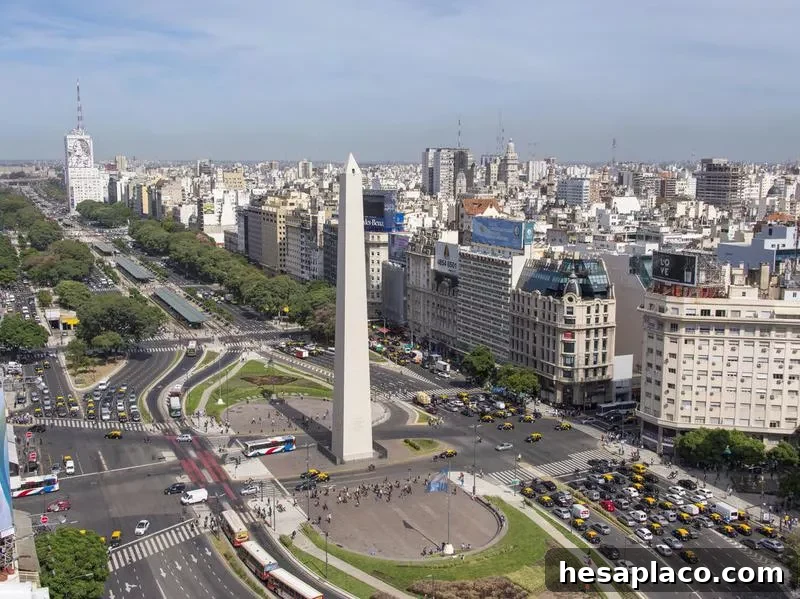
The USB survey found Buenos Aires to be the most expensive place for millennials. Getty Images
Population: 2,891,000
Median home price: ARS 110,780 (U.S. $2,928) per square meter
Average monthly rental price: ARS 18,954 (U.S. $501) for a three-bedroom apartment
Average salary: ARS 292,791 (U.S. $7,642)
While not ranked in the top 10 by the EIU or Mercer surveys, UBS’s analysis found Buenos Aires particularly expensive for millennials by comparing the prices of items like smartphones, avocados, jeans and coffee. Some electronics and trendy items can cost significantly more there than in other markets.
Tel Aviv, Israel
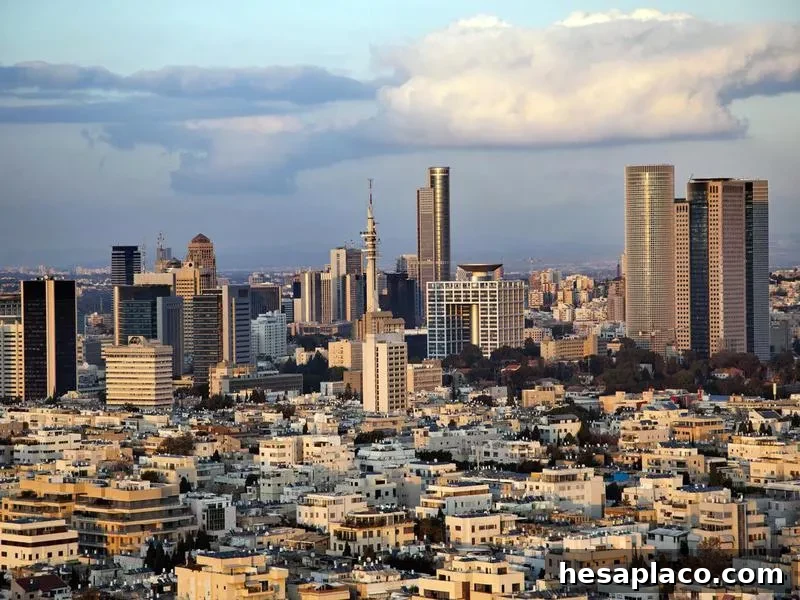
It’s particularly expensive to buy, insure and maintain a car in this coastal tech hub. Getty Images
Population: 432,892
Median home price: ILS 2,176,700 (U.S. $610,053)
Average monthly rental price: ILS 5,603 (U.S. $1,526)
Average salary: ILS 145,959 (U.S. $40,026)
The strengthening of the Israeli shekel has increased consumer costs in Tel Aviv, which ranks among the costlier global cities. Car ownership, insurance and maintenance are especially expensive, and alcohol and dining costs can be higher than in many other cities.
Sydney, Australia
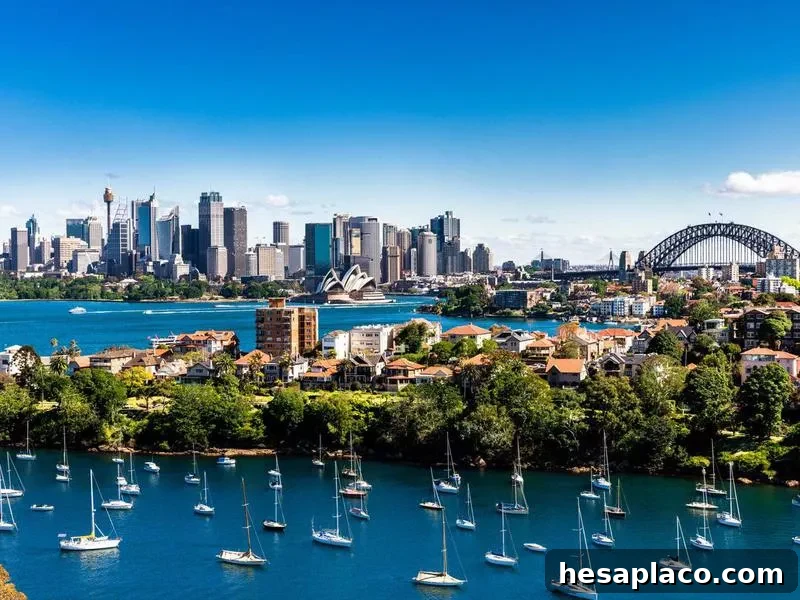
In 2018, Sydney made the Worldwide Cost of Living Survey top 10 for the first time. Getty Images
Population: 5,131,326
Median home price: AU $1,100,000 (U.S. $792,215)
Average monthly rental price: AU $2,849 (U.S. $2,052) for a two-bedroom apartment
Average salary: AU $67,477 (U.S. $47,700)
Sydney reached the EIU top 10 for the first time in 2018, reflecting very high housing costs relative to median incomes. Limited supply and strong demand help explain persistently high property prices.
Luanda, Angola
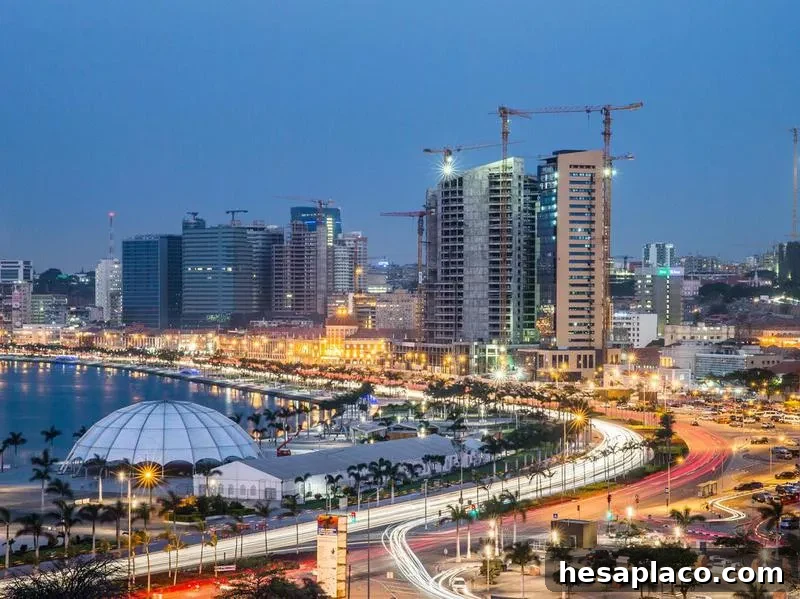
Angola’s high oil production results in a large community of foreign workers and expats who are willing to pay extremely high rents. Getty Images
Population: 2,487,000
Median home price: AOA 2,247,100 (U.S. $7,175.85) per square meter
Average monthly rental price: AOA 2,275,017 (U.S. $7,265) for a three-bedroom apartment
Average salary: AOA 6,396,945 (U.S. $20,428)
Luanda ranks highly on Mercer’s list despite Angola’s widespread poverty. The city’s oil industry attracts many expatriates and foreign workers who pay high rents and demand international-standard goods and services, driving up local prices.
Shanghai, China
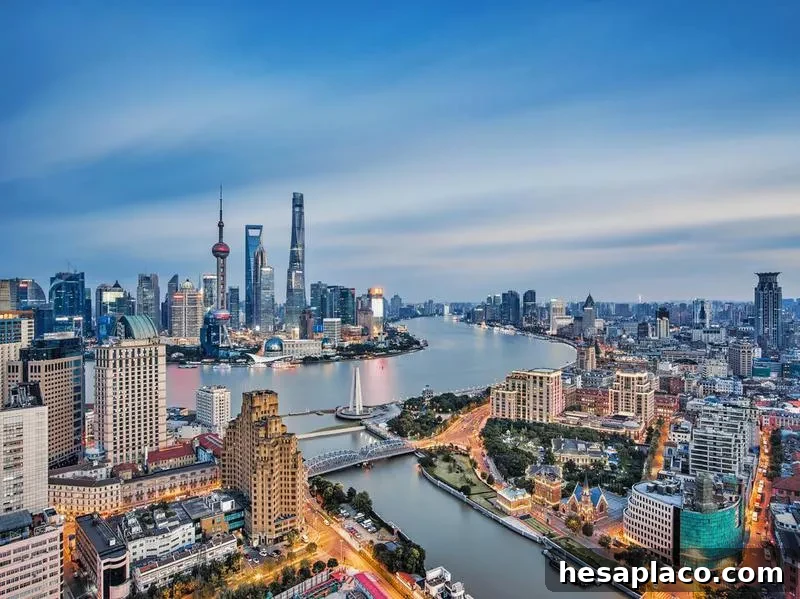
On the plus side, it’s still cheaper to live in Shanghai than in other Asian cities. Getty Images
Population: 24,180,000
Median home price: CNY 96,869 (U.S. $14,363) per square meter
Average monthly rental price: CNY 9,020 (U.S. $1,343) for a two-bedroom apartment
Average salary: CNY 308,262 (U.S. $45,382)
Shanghai ranks among the pricier Chinese cities, but it remains more affordable than Hong Kong, Tokyo, Singapore and Seoul for many expenses. Some items, such as specialty coffee, can still be surprisingly costly.
Beijing, China

Beijing placed ninth in the Mercer Cost of Living Survey. Getty Images
Population: 21,540,000
Median home price: CNY 4,020,000 (U.S. $598,436)
Average monthly rental price: CNY 4,960 (U.S. $724) for a one-bedroom apartment
Average salary: CNY 259,317 (U.S. $38,178)
Beijing placed ninth in Mercer’s ranking. Over the past decade housing prices and school fees have risen, and strengthening monetary controls and a push to internationalize the yuan have affected costs in Chinese cities.
Bern, Switzerland
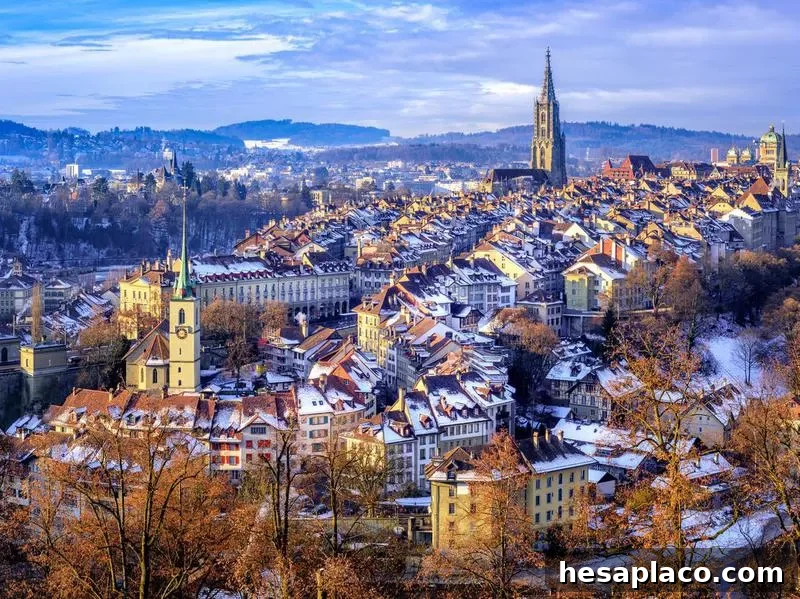
The Swiss capital city came tenth in the Mercer Cost of Living Survey. Getty Images
Population: 142,656
Median home price: CHF 7,666 (U.S. $7,666) per square meter
Average monthly rental price: CHF 1,655 (U.S. $1,653) for a two-bedroom apartment
Average salary: CHF 89,791 (U.S. $89,461)
Bern ranked tenth in Mercer’s survey. Switzerland consistently appears as one of the most expensive countries in Europe, with consumer prices well above many EU averages.
N’Djamena, Chad

Like Luanda, N’Djamena’s high living costs are largely due to oil. Google Maps
Population: 721,081
Median home price: Not available
Average monthly rental price: XAF 1,378,000 (U.S. $2,400) for a three-bedroom apartment
Average net salary: XAF 1,200,000 (U.S. $2,064)
N’Djamena has consistently appeared among the top expensive cities in Mercer’s rankings. The city’s oil industry draws multinational companies and expatriates, which raises demand for international-standard housing and services and pushes local prices up despite the country’s overall low incomes.