
Every potential homebuyer has heard the mantra: “Location, location, location.” Often that shorthand really boils down to two core questions: “Are the schools good?” and “Is the neighborhood safe?”
But there are many other important questions buyers often overlook. While choosing where to live is a personal decision based on lifestyle and preferences, several practical considerations about the neighborhood and town can significantly affect daily life and long-term value.
We asked real estate professionals for the additional questions buyers should ask about a property and themselves before making an offer. Here’s their guidance.
Are There Sidewalks?

Getty Images
Monica S. Betancourt, a Realtor in Miami, notes that the absence of sidewalks often seems minor until you move in. Daily activities—walking the dog, biking with children, or strolling to nearby parks—become less safe and less enjoyable without them. In practice, some families stop doing these activities entirely when sidewalks are absent.
What’s the Local Tax Rate?

Getty Images
Local taxes vary widely and can affect your budget, especially if taxes have been rising. Look at tax rates over several years and whether local government consistently increases them. Remember that assessed property values rising will typically raise your taxes, while falling tax rates can sometimes signal reduced local services. Compare rates with neighboring towns to understand the tradeoffs between taxes paid and services received.
Are There Any Hidden Costs?

Getty Images
Ask about additional local fees that may not be obvious in the listing: mandatory garbage collection fees, user fees for school activities, or required homeowners association dues. These smaller recurring costs add up and should be factored into your monthly budget.
How Long Has the Property Been on the Market?

Getty Images
Days on market is a standard metric on listings and an objective indicator of demand. If homes linger at a given price for a long time, market values may be lower than the listed price. Conversely, rapid sales often signal stable or rising values.
What Will My Commute Be Like?
Getty Images
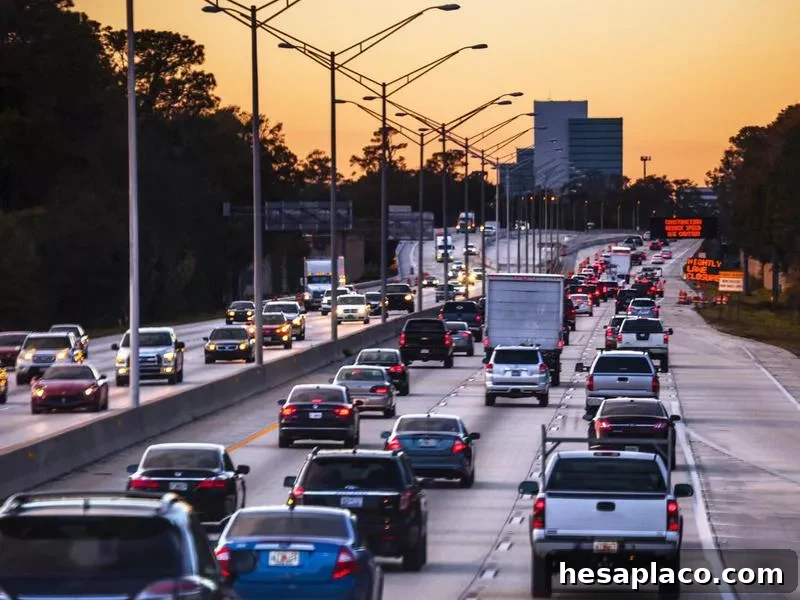
Online tools can give average commute times, but it’s important to test the route in real life. Try the drive on different weekdays and both directions to learn where traffic bottlenecks, long light cycles, or other delays might add time to your daily commute.
What More Should I Know About Local Schools?

Getty Images
Beyond reputation, ask specific questions that affect your child’s experience. Alison Bernstein of Suburban Jungle recommends clarifying details about transportation, school assignments, and enrollment rules.
Does the Town Have Busing to and From School?

Getty Images
Busing affects childcare logistics, schedules, and whether you need a second car. Confirm whether routes are available for your address and what the pick-up/drop-off expectations are.
Do the Kids in the Neighborhood All Go to the Same School?

Getty Images
Some towns use magnet programs or alternate assignment methods, so neighbors’ children may attend different schools. If you want a strong neighborhood connection—playdates, local sports teams, and social ties—confirm whether most nearby children attend the same school.
What Are the Cutoff Dates for School?

Getty Images
School cutoff dates determine class placement by age. Your child might be among the youngest or oldest in their grade depending on their birthday, which can influence sports eligibility, academic development, and social dynamics. Check local policies to find the timing that best suits your child.
Have You Made More Than One Visit to the Neighborhood?
Getty Images
Multiple visits at different times of day reveal the neighborhood’s true character. Kevin Lawton recommends checking for activity levels, noise sources such as nightly trains, and general ambiance to understand whether the area fits your lifestyle.
Have You Walked the Neighborhood?
Getty Images
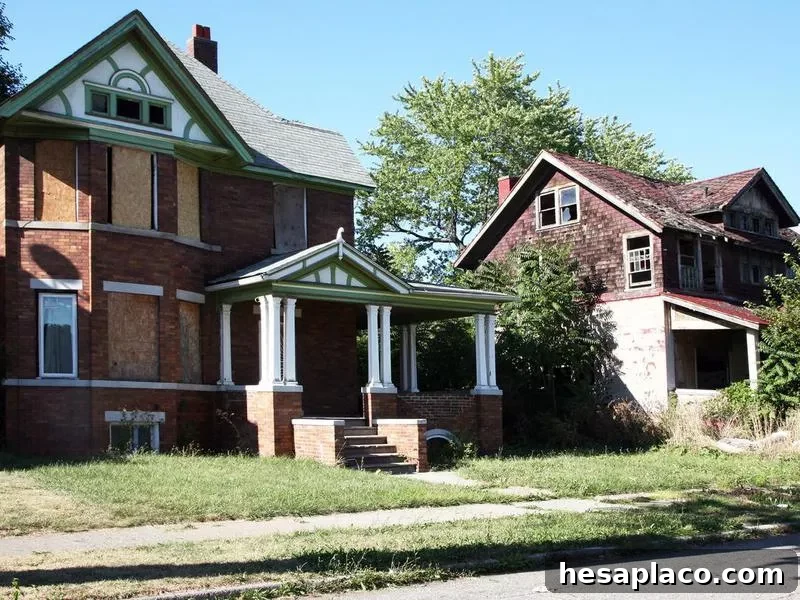
Walking gives a street-level perspective you won’t get from driving. Ben Mizes of Clever Real Estate advises looking for signs of neglect—unkempt yards, damaged soffits, window AC units, or boarded windows. If these issues are common in the area, consider discussing them with your agent or reconsidering the purchase.
Are There Signs of House Flippers?

Getty Images
Building permits, scaffolding, and dumpsters indicate renovation activity and often signal that investors see appreciation potential. According to Mizes, flippers can be an early sign of rising property values; an area that looks rough but attracts flippers may improve quickly.
Where in a Neighborhood’s Lifecycle Are You Buying?
Getty Images
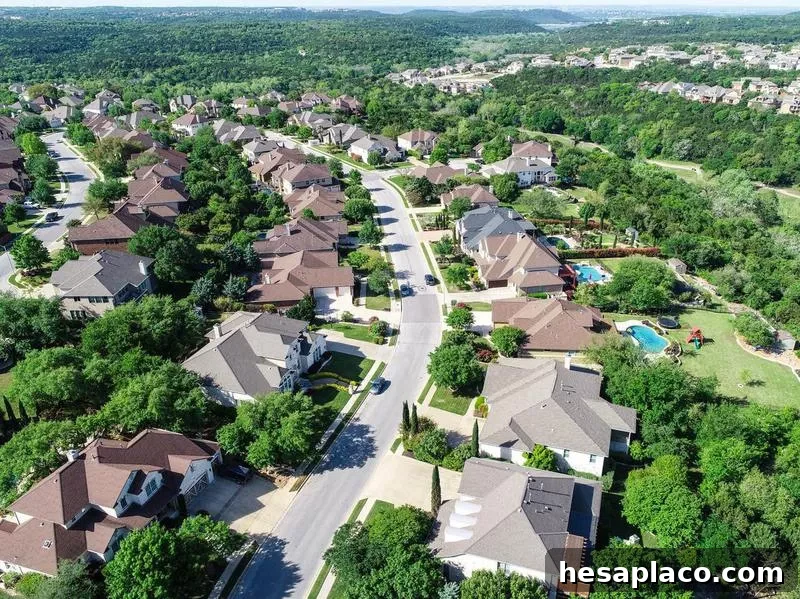
John Myers explains neighborhoods typically fall into growth, stability, decline, or renewal phases. Buying during the stability phase is ideal—homes are well-maintained and residents are satisfied. Neighborhoods in decline can remain that way for a long time and are best avoided if you have other options.
What’s in the Area’s Future?
Getty Images
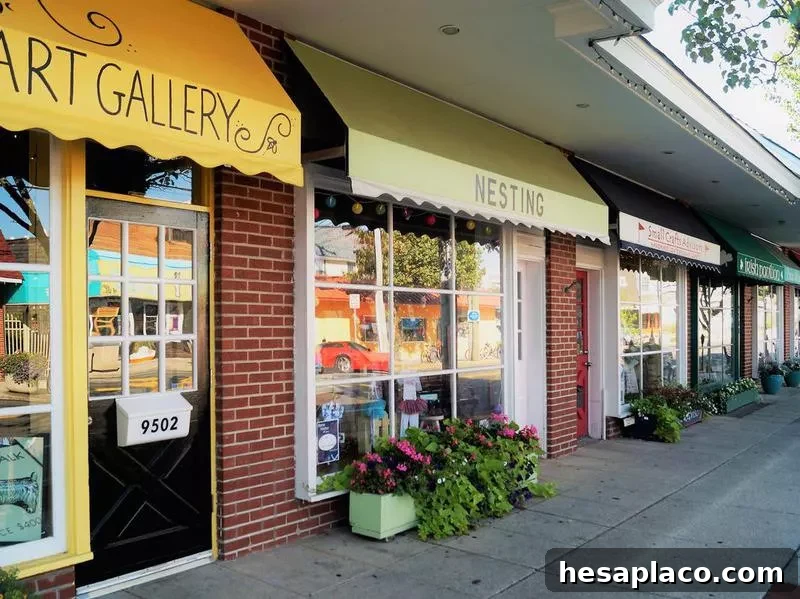
Planned developments, new businesses, and local policy decisions can all change a neighborhood’s character and property values. Jonathan Faccone advises buyers to research proposed projects and the town’s political climate. Visit the planning office to learn what’s proposed: a large shopping center might increase traffic, while revitalization projects could boost nearby property values. Understanding both official plans and resident sentiment helps you anticipate future impacts.
What’s the Inventory Turnover Rate?
Getty Images
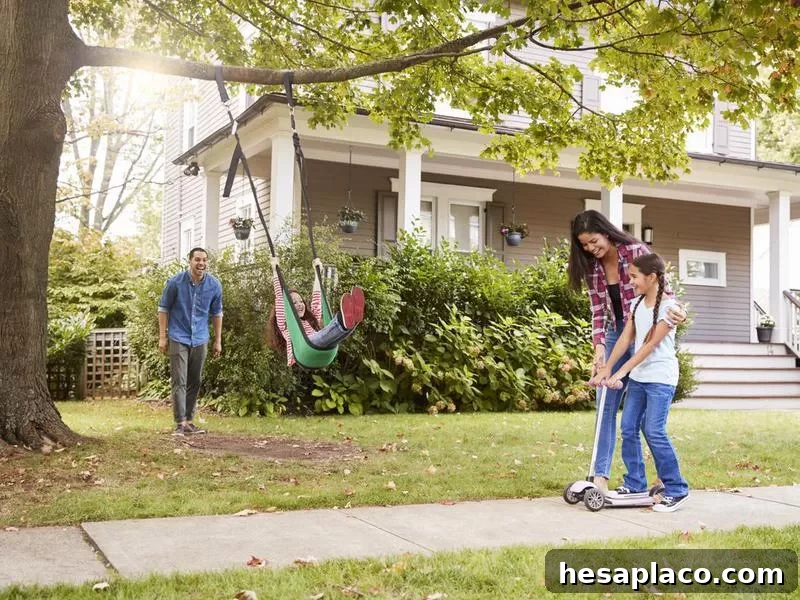
How long people stay in their homes reveals a lot about livability. High turnover—homes selling within a few years—can indicate problems or transient populations, while long-term residency suggests residents enjoy the neighborhood. Observe everyday life: kids playing outside, well-kept yards, or persistent nuisances like a chronically barking dog, all provide clues about whether a neighborhood fits your priorities.
What’s the Crime Rate?

Getty Images
Crime affects safety and property values. Use crime-reporting resources and consult your agent, but don’t rely solely on aggregated data for an entire ZIP code. If numbers raise concerns, speak with the local police department to pinpoint whether problems are localized or widespread before deciding.
What Are My Priorities?

Getty Images
Buyers should clarify what really matters to them. Tristan Roberts notes buyers searching for second homes or vacation properties often have different priorities than those moving permanently. For example, proximity to outdoor recreation may matter more than school districts for vacation-home buyers. If the home will be cared for by a caretaker, finding the right match in personality becomes another important factor.
As you look for a home, ask these questions, visit the neighborhood multiple times, and walk the streets to gather firsthand impressions. Combining personal experience with objective research—tax history, crime data, planned developments, and market indicators—will help you make a more confident decision and choose a home that fits both your current needs and future flexibility.
Looking to buy a home? Check out BEX Realty to search real estate listings, find condos and homes for sale, and work with their realtors and concierge service throughout the home-buying process.