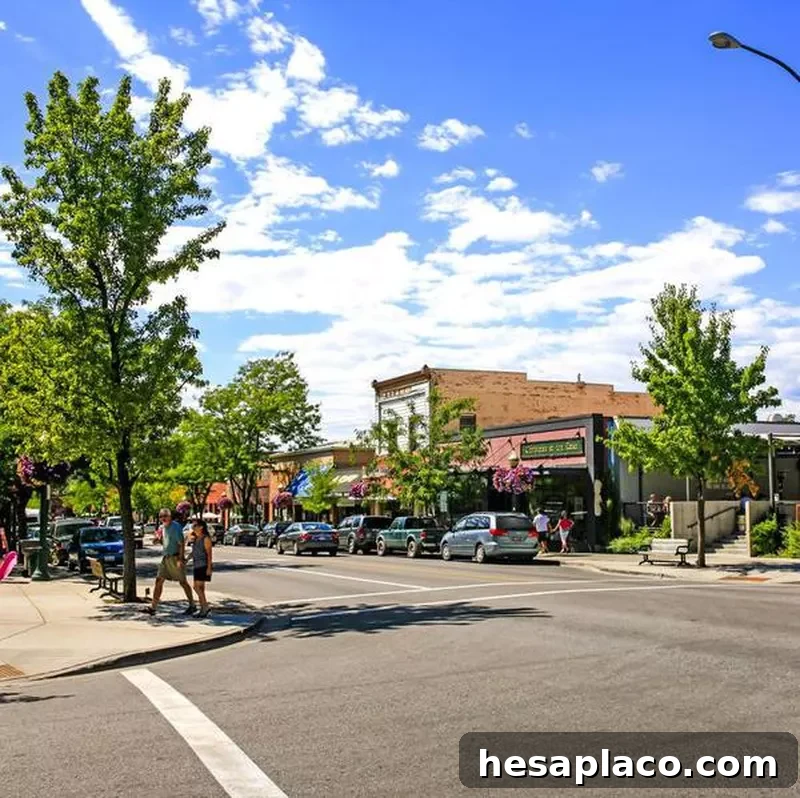
In recent years, stagnant wages and rising home prices have dimmed the appeal of many large cities, pushing people to seek more affordable and livable alternatives. For example, a 2018 survey by Edelman found that 46 percent of San Francisco Bay Area residents planned to leave California. This “big city exodus” has opened opportunities for smaller metros to attract talent, diversify their economies and offer city-style amenities at lower costs.
Smaller cities are competing on job growth, affordability, quality of life and investment in new industries. The Milken Institute’s 2018 Best-Performing Cities Report ranked small metros by job and wage growth and other economic metrics. The following 18 metros stood out for their performance and potential.
18. Mankato–North Mankato, Minnesota
Getty Images
Population: 98,750
Unemployment rate: 2.4 percent
Notable industry: Health care
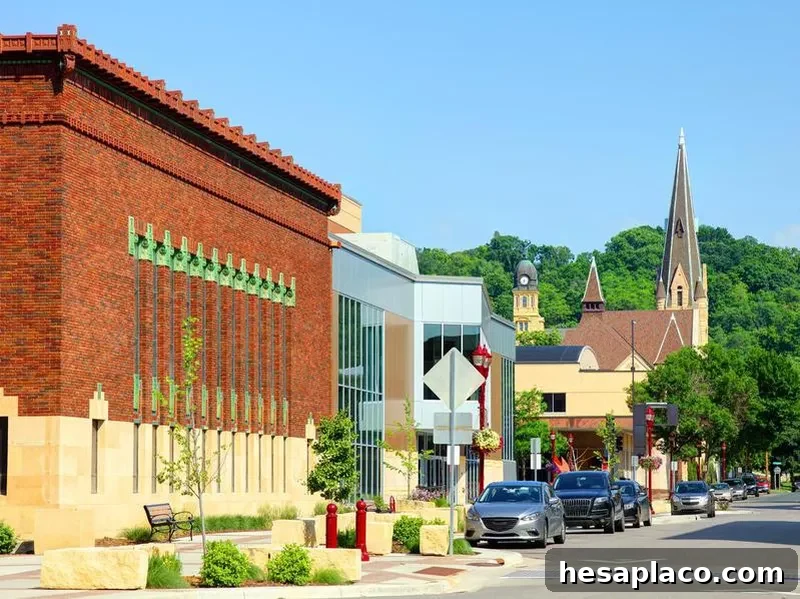
Mankato draws residents with abundant natural beauty, recreational trails and a scenic river valley. Its relatively low cost of living—median property values near $159,000—also appeals to businesses and residents. Tourism supports much of the local economy, and the Verizon Center and other venues make the city attractive for conventions. Taylor Corporation is the area’s largest employer.
17. Bellingham, Washington
Getty Images
Population: 85,388
Unemployment rate: 4.5 percent
Notable industries: Tourism and education
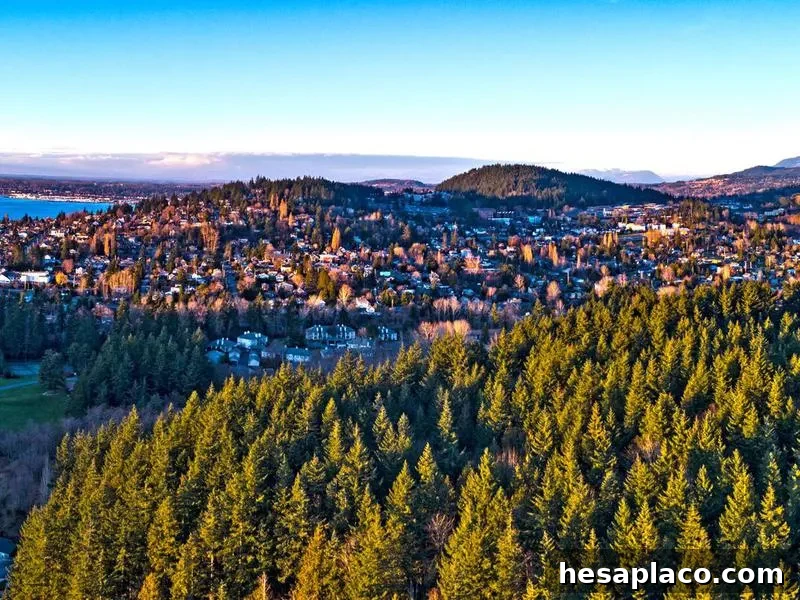
Located near the Canadian border, Bellingham is renowned for its scenic landscapes and strong green values. It is a popular college town and summer destination, with a healthy tourism sector supporting retail, arts and entertainment jobs. The largest employer is St. Joseph Hospital. The median home value in Bellingham is higher than many smaller metros, at roughly $426,900.
16. Wenatchee, Washington

Getty Images
Population: 33,544
Unemployment rate: 5.1 percent
Notable industry: Agriculture
Wenatchee’s economy centers on agriculture and forestry, with a median household income around $45,000. The city markets attractive housing prices and natural surroundings on the east side of the Cascade Range. Cultural festivals, retail hubs and large employers like Walmart, Lowe’s and Home Depot support the local job base.
15. Charlottesville, Virginia

Getty Images
Population: 46,487
Unemployment rate: 2.5 percent
Notable industries: Education and tourism
Home to a highly regarded university and rich in history, Charlottesville offers strong cultural and social amenities. Education and government jobs anchor the economy, and a lively craft beer scene and tourism sector add to its appeal. The metro consistently ranks highly for livability and visitor interest.
14. Hilton Head Island–Bluffton–Beaufort, South Carolina
Getty Images
Population: 202,502
Unemployment rate: 3 percent
Notable industry: Tourism
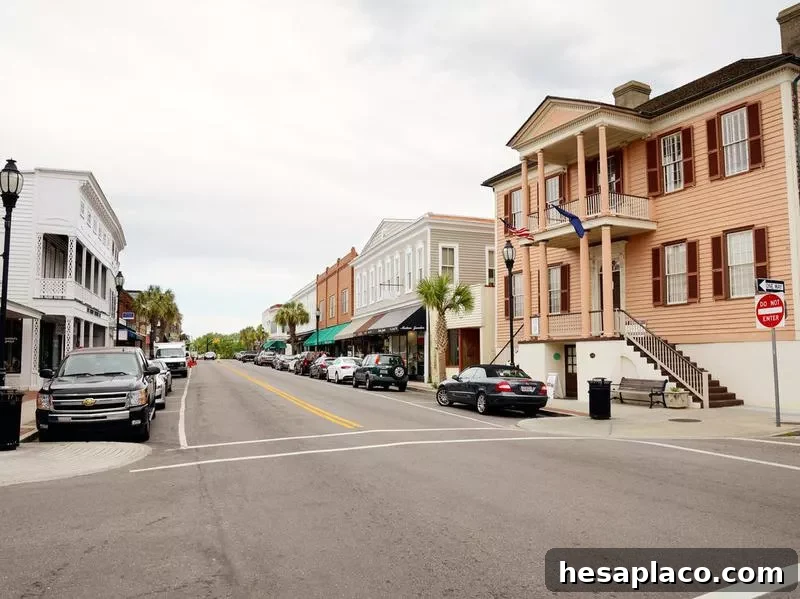
This coastal metro’s economy is driven by real estate, retail, health care and tourism. Median household income is around $70,000 and the housing market is strong, with median home values near $437,200. Beach communities and hospitality services are central to growth.
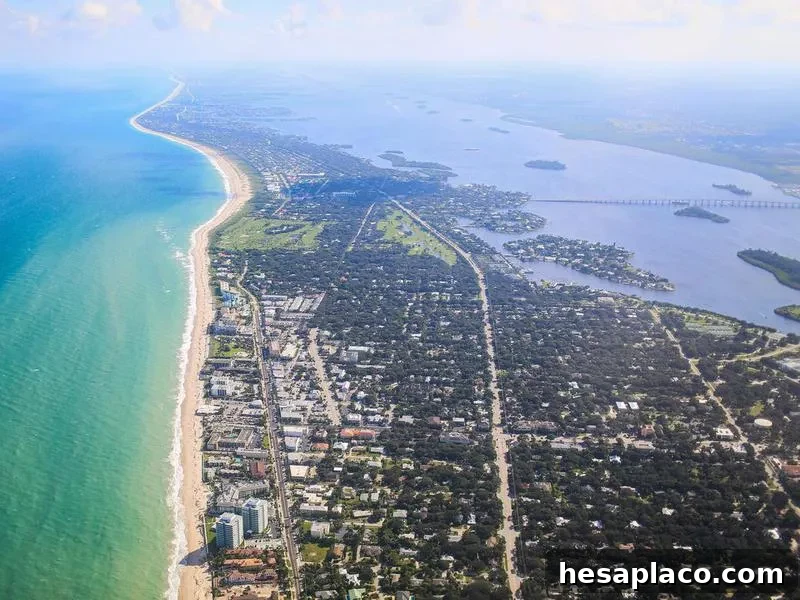
13. Sebastian–Vero Beach, Florida
Getty Images
Population: 145,342
Unemployment rate: 4.3 percent
Notable industry: Tourism
Sebastian–Vero Beach offers clean residential areas, resorts and a compact downtown. Key industries include citrus agriculture, fishing, tourism and manufacturing. Income inequality is a notable challenge for the region despite its amenities and seasonal appeal.
12. Prescott, Arizona

Getty Images
Population: 41,468
Unemployment rate: 4.9 percent
Notable industry: Tourism
Prescott is rich in history and culture with a tourist-friendly downtown and a significant retirement community. Jobs concentrate in tourism and health care. Although average home prices are higher than some smaller metros—around $350,000—Prescott remains attractive to those seeking a slower pace and a supportive environment for small businesses and the arts.
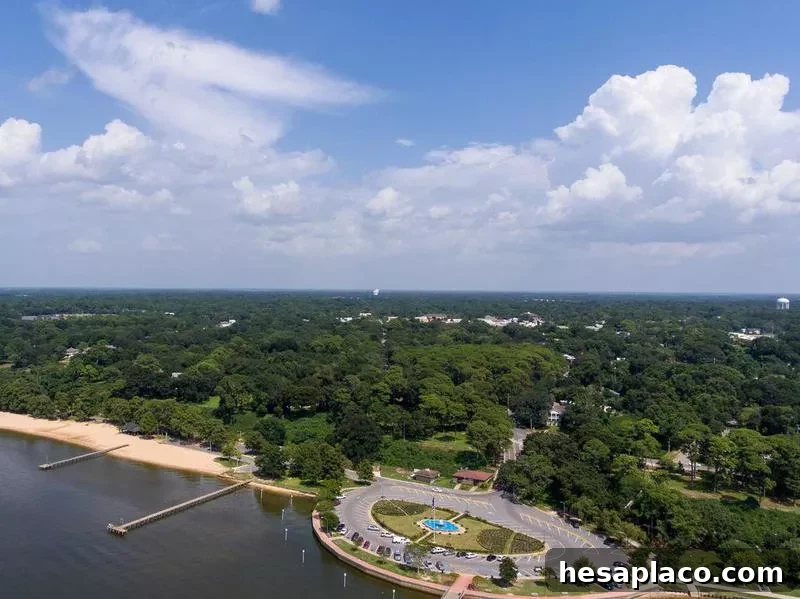
11. Daphne–Fairhope–Foley, Alabama
Getty Images
Population: 199,510
Unemployment rate: 3.6 percent
Notable industries: Real estate and retail
On Alabama’s Gulf Coast, this metro has stood out for one-year job growth driven by small businesses adding technical and engineering positions. The region has grown steadily while maintaining emphasis on environmental stewardship to protect beaches and coastal assets.
10. Logan, Utah

Getty Images
Population: 49,957
Unemployment rate: 2.6 percent
Notable industry: Education and health care
Utah State University is a major economic force in Logan, with education and health care accounting for a significant share of employment. The university’s investments in workforce development complement attractive housing prices and a high quality of life framed by abundant natural scenery.
9. Albany, Oregon

Wikipedia
Population: 52,007
Unemployment rate: 4.3 percent
Notable industry: Manufacturing
Albany has seen notable gains in high-tech GDP and moved up dramatically in rankings. The local economy remains rooted in manufacturing, agriculture and public administration, with metal production especially prominent. Investments to convert old industrial sites into logistics facilities and the arrival of tech firms signal diversification.
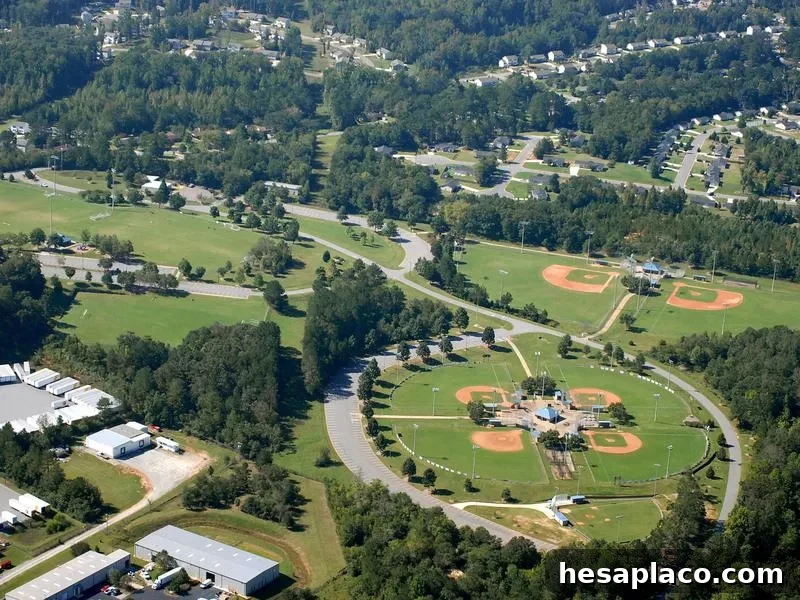
8. Athens–Clarke County, Georgia
accgov.com
Population: 122,292
Unemployment rate: 3.8 percent
Notable industry: Education
The University of Georgia is the region’s economic engine, employing thousands and spawning startups and research investments. While education-driven innovation is a strength, the metro faces challenges retaining younger residents and raising median household income above $50,000.
7. Medford, Oregon

Wikipedia
Population: 79,246
Unemployment rate: 4.6 percent
Notable industry: Commodities
Medford’s economy has evolved from timber to wine and now includes cannabis and other commodities. Strong short-term job growth and affordable housing—median prices near $270,000—have attracted retirees and new residents. Rising housing demand has driven permit activity and spurred health care and infrastructure investments.
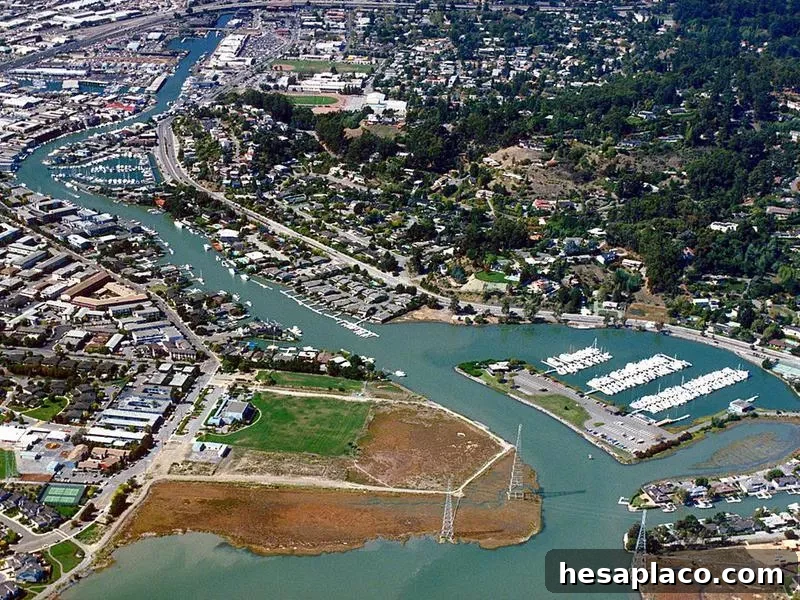
6. San Rafael, California
Wikipedia
Population: 59,180
Unemployment rate: 2.3 percent
Notable industry: Tech
As part of the San Francisco Bay Area cluster, San Rafael benefits from biotech, computer science and health care employers. The region is also pursuing renewable energy industries. Like much of the Bay Area, housing affordability remains a pressure point, even as local policy evolves to support entrepreneurs and new businesses.
5. Coeur d’Alene, Idaho
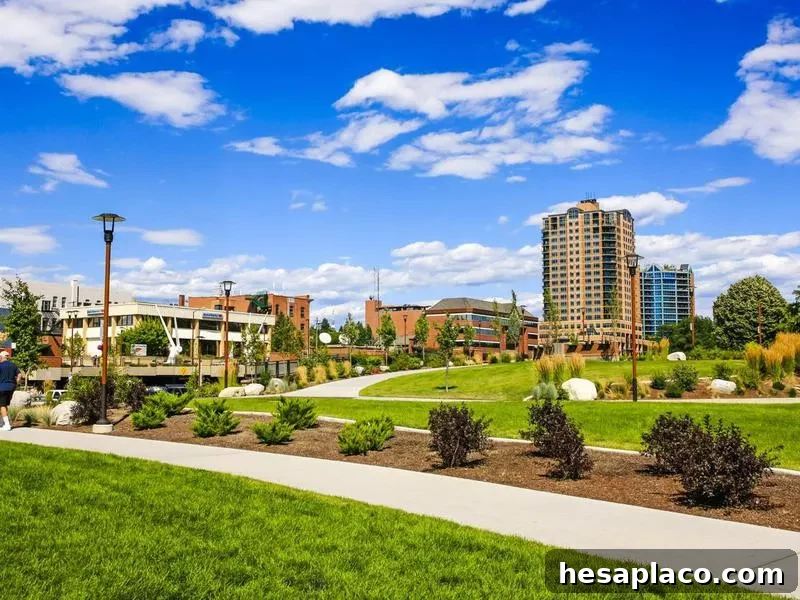
Getty Images
Population: 48,618
Unemployment rate: 3.3 percent
Notable industry: Tourism
Known for its lake, trails and scenic setting, Coeur d’Alene has entered the Milken top 10 thanks to a growing hospitality sector and quality-of-life appeal for retirees. Housing permit activity has surged and investments in broadband and co-working space are helping foster entrepreneurship and attract remote-friendly businesses.
4. Elkhart–Goshen, Indiana
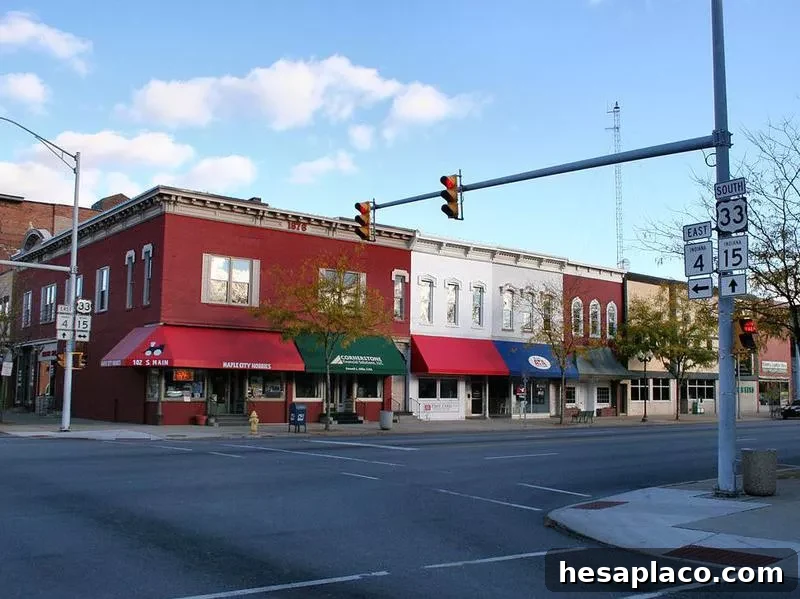
Wikipedia
Population: 52,662
Unemployment rate: 3.1 percent
Notable industry: RV manufacturing
Elkhart–Goshen has been a rising star in wage and job growth, propelled largely by the RV manufacturing industry. Major employers such as Thor Industries support a strong manufacturing base. Rapid population and housing construction have increased demand for skilled labor and spurred infrastructure investment.
3. Gainesville, Georgia
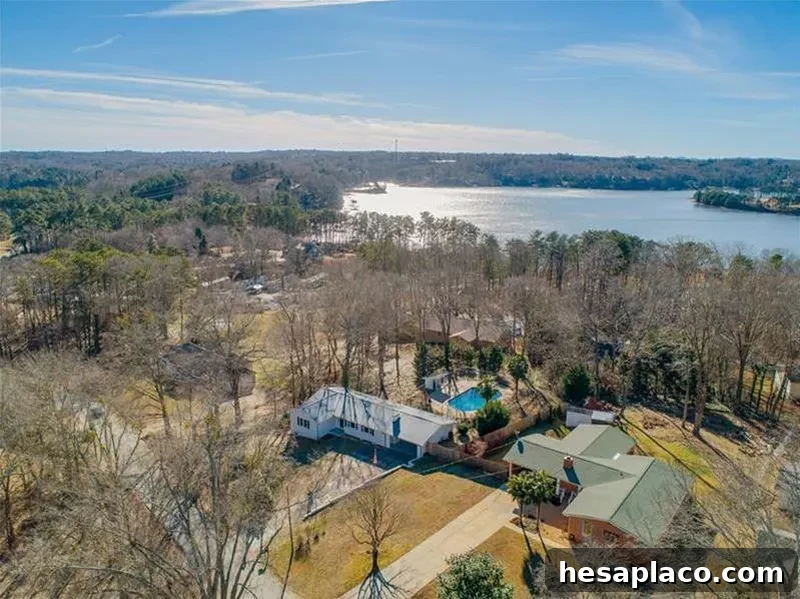
Realtor
Population: 37,291
Unemployment rate: 3.3 percent
Notable industry: Manufacturing
Gainesville benefits from a robust manufacturing sector and proximity to Atlanta. International investment and expanding local training facilities, including a major new technical college campus, have supported job growth. Manufacturing expansion has also stimulated housing and health care sectors.
2. St. George, Utah

Getty Images
Population: 79,995
Unemployment rate: 3.3 percent
Notable industry: Tourism
St. George combines affordable housing, strong health care services, a large retiree community and a growing tourism sector. Investments have focused on senior housing, mixed-use development and medical center expansions. Startups and education partnerships are also emerging, while nearby Zion National Park remains a major lifestyle draw.
1. Bend–Redmond, Oregon
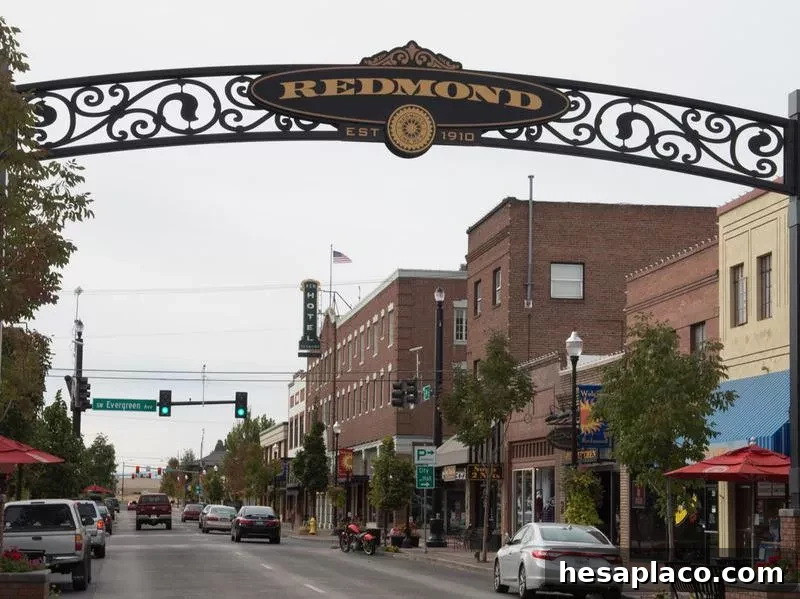
Getty Images
Population: 87,000
Unemployment rate: 3.6 percent
Notable industry: Tourism
For the third consecutive year, Bend–Redmond topped the Milken ranking for small cities, leading in five-year job and wage growth. The metro has a sizable retiree population and non-wage income represents a large share of personal income. St. Charles Medical Center is a major employer, and the city also attracts tech entrepreneurs and startups. Support from Oregon State University–Cascades and an emerging innovation ecosystem have helped high-tech GDP grow, although many local jobs remain low-wage.