
10 Best Women’s Colleges for Academic Excellence and Leadership
For women seeking academic excellence, personal growth, leadership development and a supportive campus environment, women’s colleges continue to offer a powerful path forward. These institutions are known for creating educational spaces where students can build confidence, explore ambitious goals and prepare for meaningful careers.
Women’s colleges have a long history of fostering leadership, encouraging intellectual independence and building communities that extend far beyond the classroom. Many of these schools offer small class sizes, strong faculty mentorship, active student organizations and access to academic partnerships that expand learning opportunities.
The following 10 women’s colleges are recognized for their strong academic programs, student support systems and commitment to helping students become accomplished leaders.
10. College of Saint Mary

College of Saint Mary / Facebook
Year founded: 1923
Location: Omaha, Nebraska
Tuition: $21,370
Undergrad enrollment: 1,024
Note: These women’s colleges were ranked by BestColleges.com in August 2023.
Bottom Line: College of Saint Mary
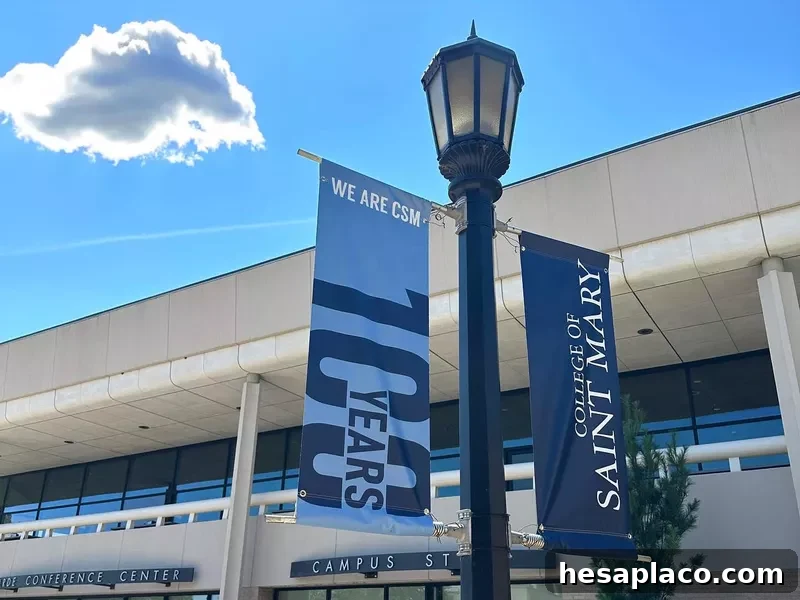
College of Saint Mary / Facebook
College of Saint Mary is the only women’s college in Omaha. This private, faith-based institution offers more than 100 service-learning opportunities, giving students meaningful ways to connect their education with community engagement.
All first-year, full-time students receive either full financial aid or a scholarship to attend the college. Students can choose from more than 25 majors, with nursing, rehabilitation and therapy, and licensed practical nurse training among the most popular areas of study.
9. Spelman College
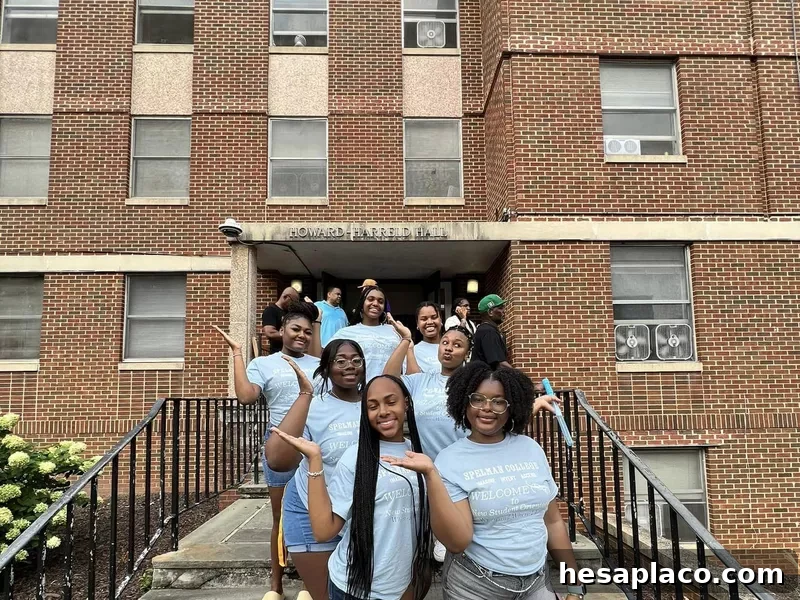
Spelman College / Facebook
Year founded: 1881
Location: Atlanta, Georgia
Tuition: $25,942
Undergrad enrollment: 2,207
Bottom Line: Spelman College
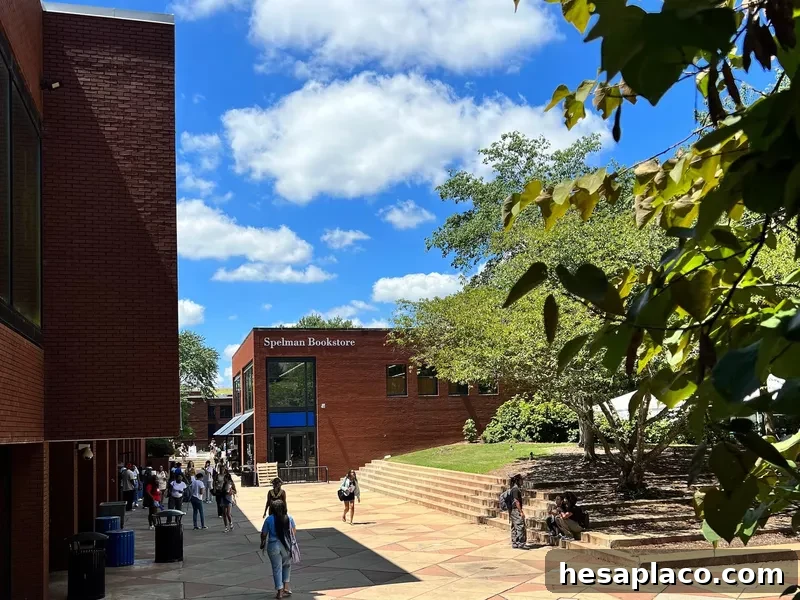
Spelman College / Facebook
Spelman College is one of the oldest historically Black colleges and universities for women. With an 11-to-1 student-to-faculty ratio, the college provides an academic setting designed for close engagement, mentorship and rigorous learning.
Its curriculum spans the arts, sciences and humanities, encouraging critical thinking and intellectual growth. Spelman also supports students through fellowship awards, study abroad programs and STEM resources. Popular majors include health services, political science, psychology and biology.
8. Simmons University

Simmons University / Facebook
Year founded: 1899
Location: Boston, Massachusetts
Tuition: $40,850
Undergrad enrollment: 6,263
Bottom Line: Simmons University

Simmons University / Facebook
Simmons University offers more than 60 academic programs, giving students a wide range of choices when selecting a major. The university is also known for small classes, with an average class size of about 13 students.
Nearly all first-year students at Simmons receive financial aid packages. Registered nursing, kinesiology and communications are among the school’s most popular programs, making Simmons a strong option for students who want both professional preparation and a close academic community.
7. College of Saint Benedict

College of Saint Benedict / Facebook
Year founded: 1857
Location: Saint Joseph, Minnesota
Tuition: $47,332
Undergrad enrollment: 1,668
Bottom Line: College of Saint Benedict
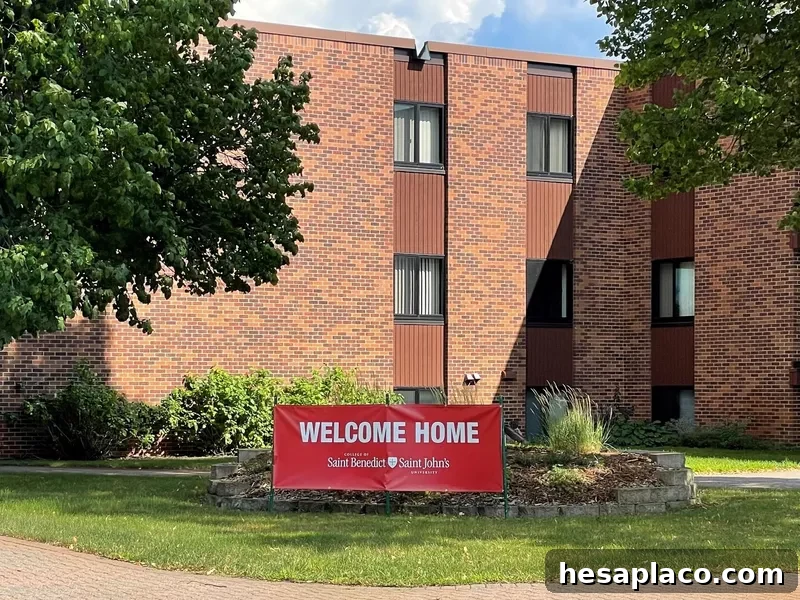
College of Saint Benedict / Facebook
The College of Saint Benedict, often called CSB, operates in partnership with Saint John’s University. Together, the schools provide a rigorous liberal arts education while promoting critical thinking, leadership and global awareness.
CSB encourages students to excel in the classroom and take part in service-learning and social justice initiatives. The average class size is 19 students. Popular academic programs include business administration, biology, nursing and psychology.
6. Mount Holyoke College
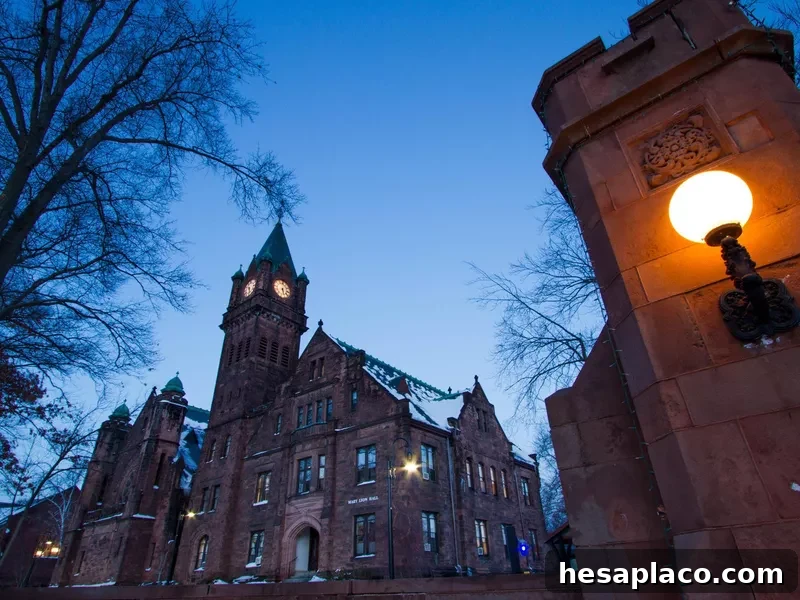
Mount Holyoke College / Facebook
Year founded: 1837
Location: South Hadley, Massachusetts
Tuition: $54,400
Undergrad enrollment: 2,040
Bottom Line: Mount Holyoke College
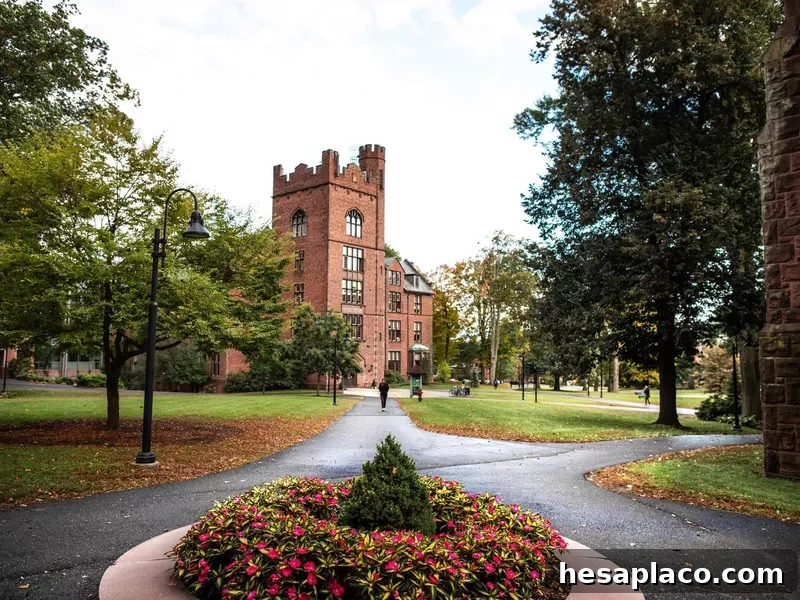
Mount Holyoke College / Facebook
Mount Holyoke College is a liberal arts college and a member of the Five College Consortium. Through this arrangement, students can take classes and attend events at Amherst College, Hampshire College, Smith College and UMass Amherst.
The college is also part of the Twelve College Exchange Program, which gives students access to study opportunities at 11 other institutions, including Vassar and Dartmouth. Mount Holyoke does not factor SAT scores into admissions decisions. While the college does not have a Greek system, students can build community through more than 150 clubs and organizations.
5. Scripps College

Scripps College / Facebook
Year founded: 1926
Location: Claremont, California
Tuition: $56,970
Undergrad enrollment: 958
Bottom Line: Scripps College

Scripps College / Facebook
Scripps College is part of the Claremont Consortium, along with Claremont McKenna College, Pomona College, Pitzer College and Harvey Mudd College. These colleges share resources such as a central library and safety services, while each maintains its own identity and campus culture.
Students can participate in activities or take classes across the consortium. Scripps has a core curriculum built around three humanities courses, and students are also required to study gender and women’s studies, foreign languages, math, fine arts, social sciences, and race and ethnic studies.
4. Smith College
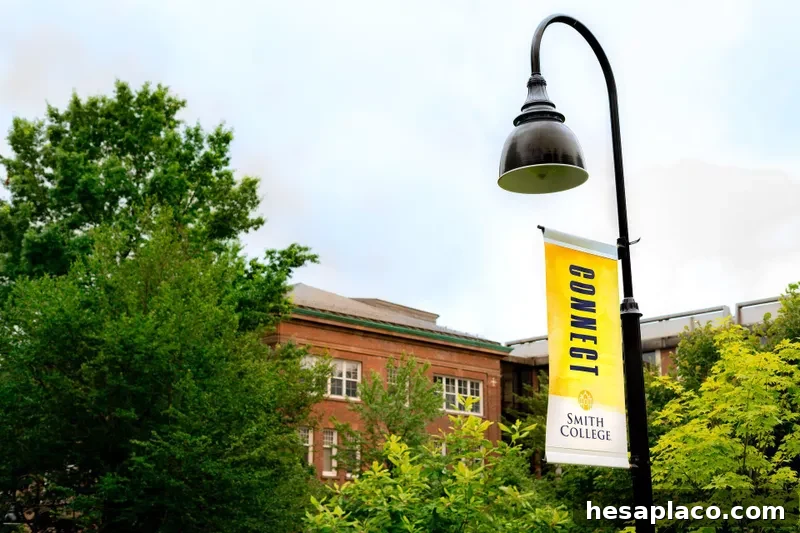
Anna Siegel / Facebook
Year founded: 1871
Location: Northampton, Massachusetts
Tuition: $53,940
Undergrad enrollment: 2,504
Bottom Line: Smith College
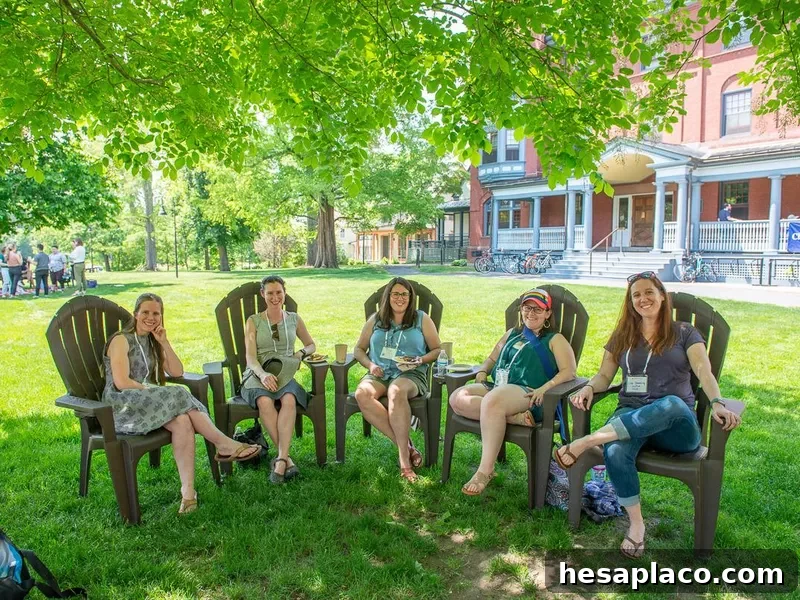
Smith College / Facebook
Smith College is one of the largest women’s liberal arts colleges in the United States. Students can take part in more than 100 organizations, giving them many ways to explore interests, develop leadership skills and form friendships.
Like Mount Holyoke, Smith is part of the Five College Consortium. It is also one of the Seven Sisters, the historic group of women’s liberal arts colleges in the Northeast. Smith does not have Greek life or traditional dorms. Instead, students live in 35 separate houses, each home to anywhere from 10 to 100 students.
3. Bryn Mawr College
Bryn Mawr College / Facebook
Year founded: 1885
Location: Bryn Mawr, Pennsylvania
Tuition: $53,180
Undergrad enrollment: 1,634
Bottom Line: Bryn Mawr College

Bryn Mawr College / Facebook
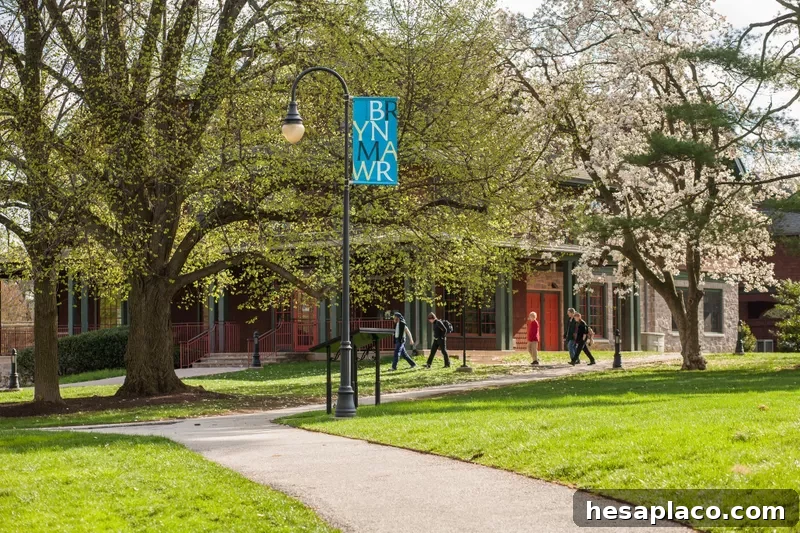
Bryn Mawr College offers a small, intimate learning environment where students can build close relationships with faculty and classmates. Its emphasis on women’s empowerment through education, its active arts scene and its commitment to social justice contribute to a well-rounded college experience.
Bryn Mawr is also a member of the Seven Sisters. Students can combine a women’s college experience with coeducational opportunities at nearby institutions, including Haverford College, Swarthmore College and the University of Pennsylvania.
2. Wellesley College
Wellesley College / Facebook
Year founded: 1870
Location: Wellesley, Massachusetts
Tuition: $58,120
Undergrad enrollment: 2,280
Bottom Line: Wellesley College
Getty Images
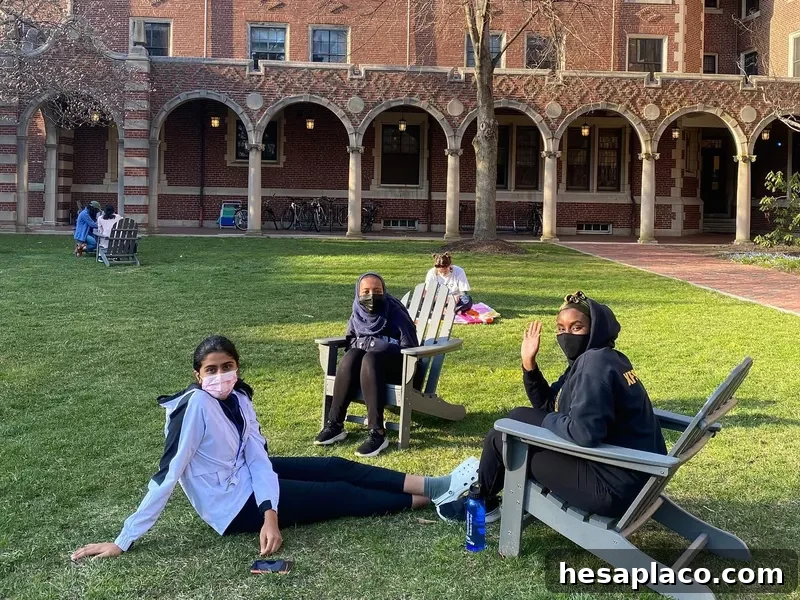
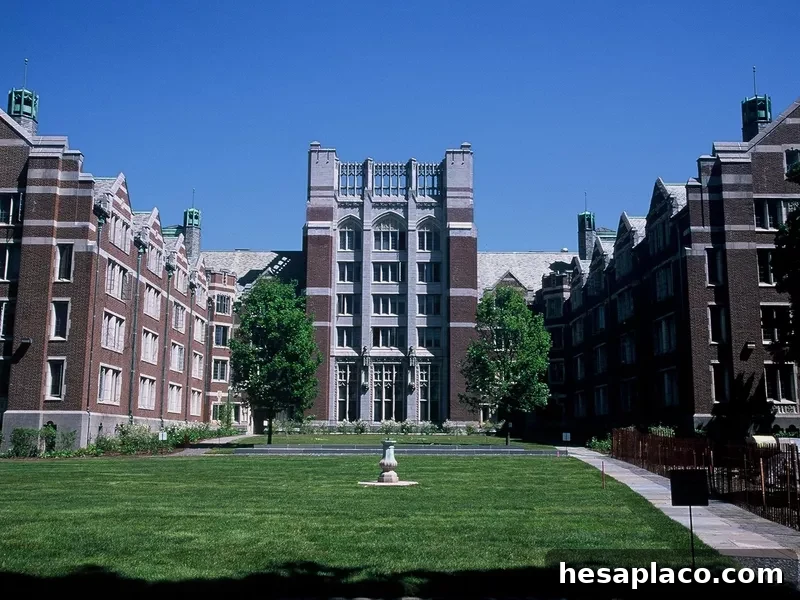
Wellesley College offers an environment that encourages intellectual curiosity and academic excellence across a wide range of disciplines. As another member of the Seven Sisters, Wellesley has a strong tradition of educating women for leadership and achievement.
Students can participate in more than 150 campus organizations or take advantage of opportunities connected to the college consortium. Incoming first-year students do not need to worry about housing because the school guarantees it, and most students live in Wellesley’s 21 residence halls throughout their time at the college.
1. Barnard College

Barnard College / Facebook
Year founded: 1889
Location: New York, New York
Tuition: $55,781
Undergrad enrollment: 2,744
Bottom Line: Barnard College
MDoculus / Getty Images
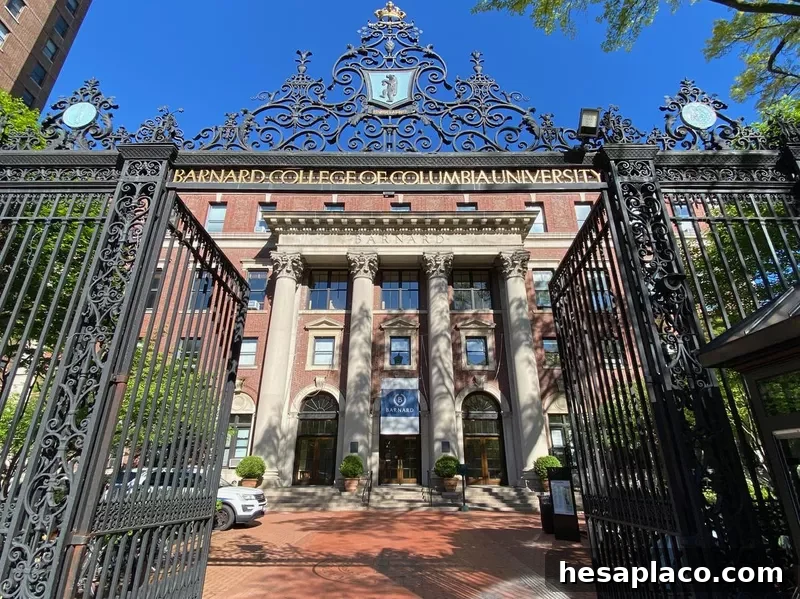
Barnard College is known for small classes, with fewer than 19 students in many learning settings. The college offers a variety of academic programs, with literature, political science, art history and psychology among the most popular choices.
Located in New York City, Barnard has a partnership with Columbia University, which sits across the street. This relationship gives students the opportunity to take classes and participate in sports or student organizations at either school, combining the benefits of a women’s college with access to a larger university environment.