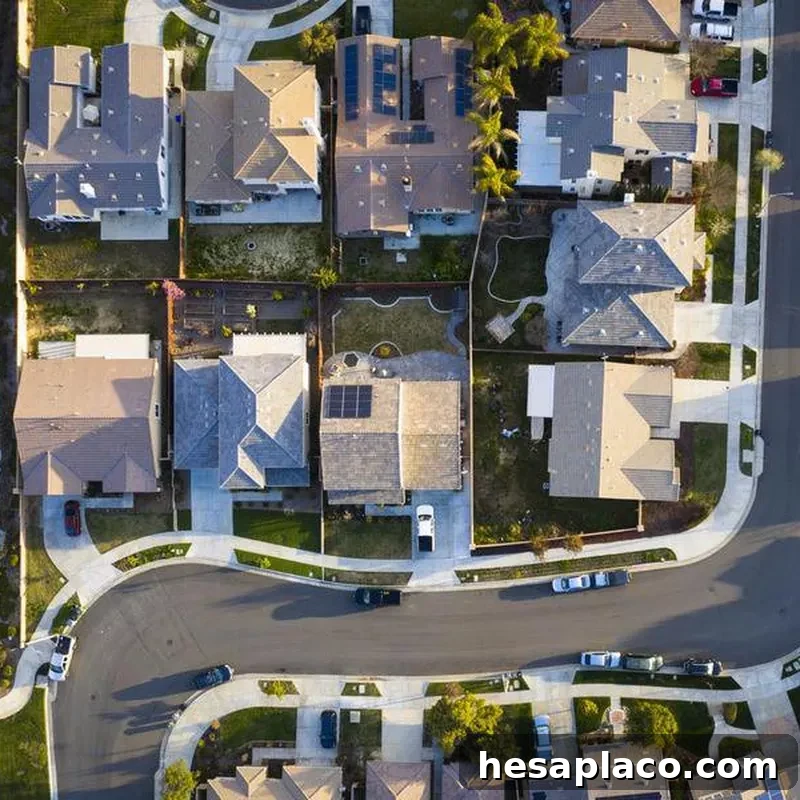
Over the past two decades, and especially after the 2008 housing crash, Americans have seen how quickly housing markets can shift. Home prices, local demand, investment activity, migration patterns and seasonal ownership all influence the number of empty homes in each state. Vacant properties may be unused vacation homes, investor-held units, homes waiting to be sold or rented, or properties in areas where population and job growth have declined.
While a high vacancy rate can sometimes suggest weak demand, that is not always the case. In several states, many empty homes are located in popular vacation destinations where owners use them only part of the year. In other places, vacant homes reflect affordability problems, limited job opportunities or long-term population loss. The following states currently rank among those with the highest average property vacancy rates in the United States.
* Findings are based on a study by real estate website LAHomes, which reviewed U.S. Census Bureau Population Survey data from 2011 to 2021 to identify the states with the highest average housing vacancy rates.
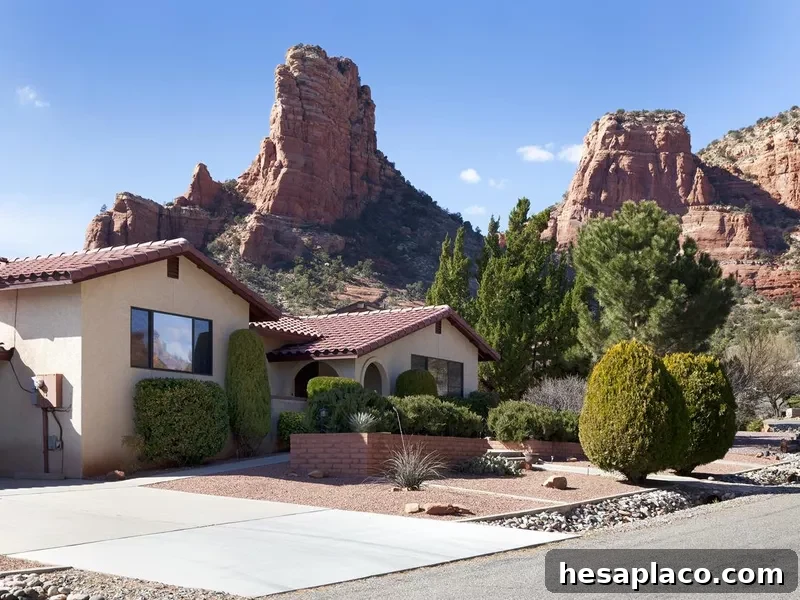
10. Arizona
KingWu / Getty Images
Average home price: $418,836
Average vacancy rate by percent: 16.7
Arizona remains one of the most popular destinations for seasonal residents, including both Americans and Canadians who travel south during the colder months. Like Florida, the state attracts many “snowbirds” looking for sunshine, warm weather and temporary winter homes. In 2020, more than half of Arizona’s vacant housing units were used for seasonal, recreational or occasional purposes.
At the same time, Arizona faces a shortage of available homes for people who want to buy or rent full time. From 2010 to 2022, the state’s population grew by 14.7 percent, while its housing supply increased by only 11.9 percent. That gap has contributed to an estimated deficit of around 100,000 homes, making the vacancy picture more complicated than it may appear at first glance.
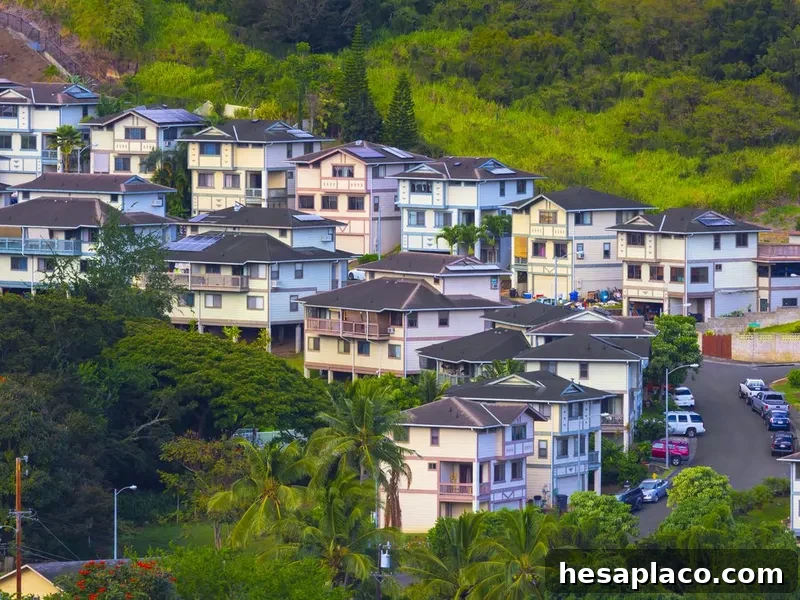
9. Hawaii
JamesBrey / Getty Images
Average home price: $831,808
Average vacancy rate by percent: 16.9
Hawaii’s location, climate and tourism-driven economy all contribute to one of the highest housing vacancy rates in the country. In 2020, the state had 76,622 vacant homes. On Oahu alone, 34,253 homes were unoccupied.
Unlike some other states where second-home owners often leave properties empty when they are not visiting, many property investors and second-home owners in Hawaii rent their homes to tourists. However, one notable exception involves Japanese homeowners, who make up the largest group of international buyers in the state. Hawaii’s vacancy issue is closely tied to its role as a global vacation destination and its high cost of housing for local residents.
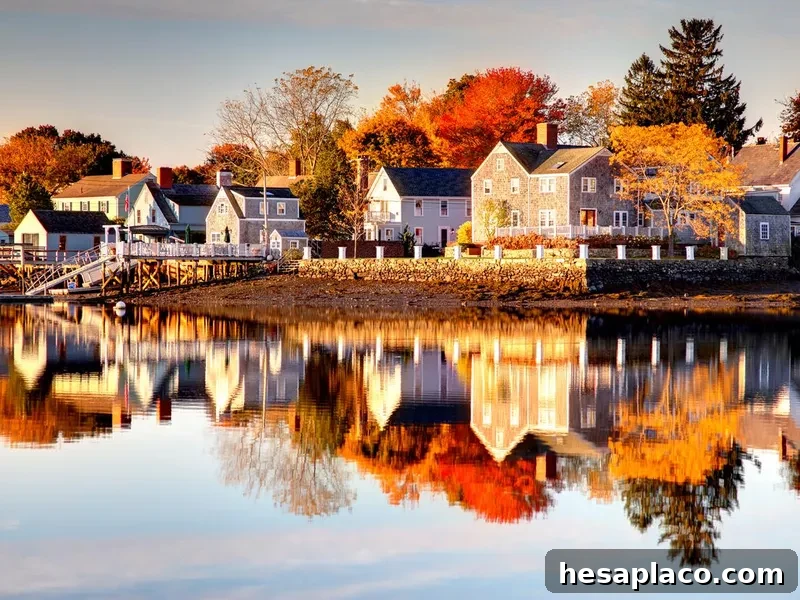
8. New Hampshire
DenisTangneyJr / Getty Images
Average home price: $445,322
Average vacancy rate by percent: 17.17
New Hampshire has a large number of vacant homes, but that does not mean housing is easy to find. Many of the state’s empty properties are second homes that are not occupied throughout the year. This creates a mismatch between the number of vacant units and the number of homes actually available for year-round residents.
New Hampshire Housing’s 2022 Residential Rental Cost Survey Report showed that availability for two-bedroom rentals dropped to 0.3 percent, while availability for rental units overall was just 0.5 percent. Buyers also faced limited options, with availability at only 1.3 percent. The result is a housing market where vacancies exist, but many are not useful to people looking for permanent housing.
7. Alabama
sframephoto / Getty Images
Average home price: $216,564
Average vacancy rate by percent: 17.22
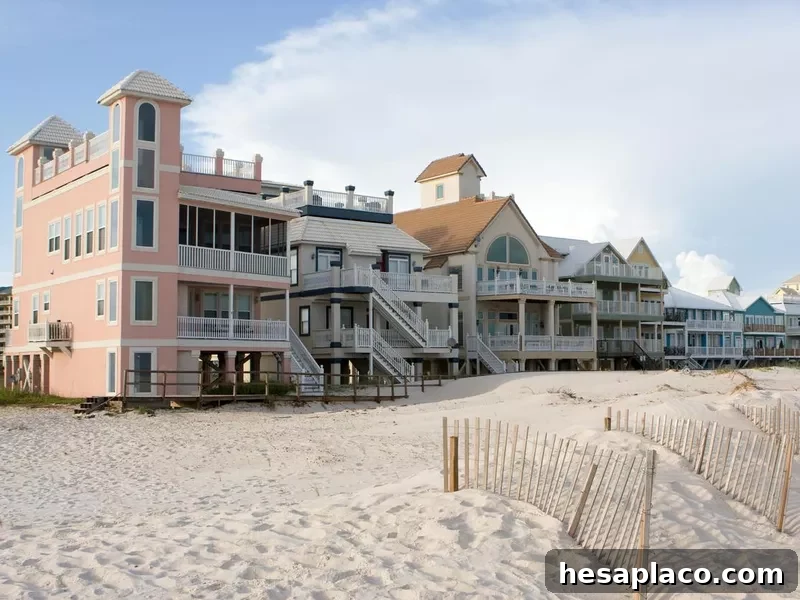
Alabama’s high vacancy rate reflects different housing realities across the state. In some counties, population loss and economic hardship have left thousands of homes empty. Greene County, one of the poorest counties in the state, has one of Alabama’s highest vacancy rates, at more than 40 percent.
However, a high vacancy rate does not always point to poverty or weak demand. Baldwin County, known for its attractive Gulf Coast beaches, has a vacancy rate of nearly 30 percent. In that area, empty properties are more closely connected to vacation homes and seasonal use. Alabama’s vacancy numbers therefore include both struggling communities and desirable coastal markets.
6. Delaware
Robert Kirk / Getty Images
Average home price: $371,811
Average vacancy rate by percent: 17.6
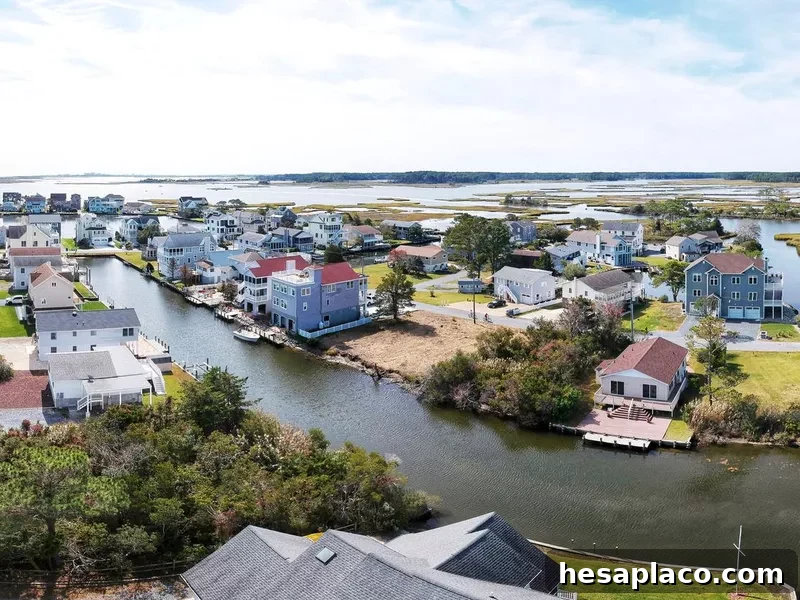
Delaware, like many coastal states, has a significant number of vacant homes because many properties are used as second homes or seasonal retreats. Wealthy buyers are drawn to Delaware for its coastal communities and its favorable tax environment, including the absence of sales tax.
Rehoboth Beach is one of the state’s best-known destinations and is often called “the Nation’s Summer Capital.” It is also one of the closest beach communities for many people in the Washington, D.C., area. President Biden owns a home there, adding to the area’s visibility. Much of Delaware’s vacancy rate is tied to seasonal ownership rather than homes sitting unused due to lack of demand.
5. West Virginia
benedek / Getty Images
Average home price: $154,371
Average vacancy rate by percent: 17.7
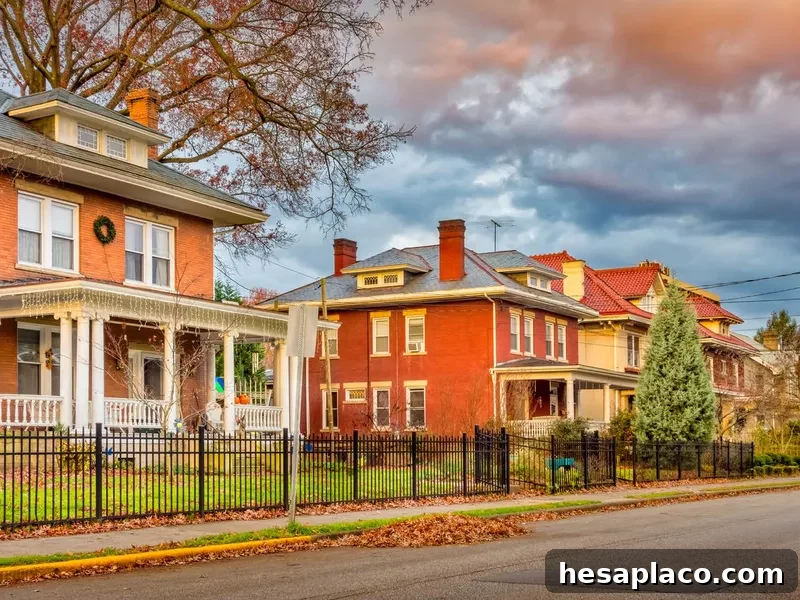
West Virginia’s vacancy rate is closely connected to economic and demographic challenges. With 16.8 percent of residents living below the poverty line, many communities have struggled to maintain stable housing demand. More people are leaving the state than moving in, and the number of deaths exceeds the number of births. West Virginia also has the third-highest share of residents over age 65.
These trends have left many properties empty, especially in areas with fewer job opportunities and declining populations. In recent years, several West Virginia cities have started demolishing blighted properties to address safety concerns and reduce the number of abandoned homes. The state’s relatively low average home price reflects affordability on paper, but vacancy remains a significant issue in many communities.
4. Florida
Art Wager / Getty Images
Average home price: $389,325
Average vacancy rate by percent: 20.5
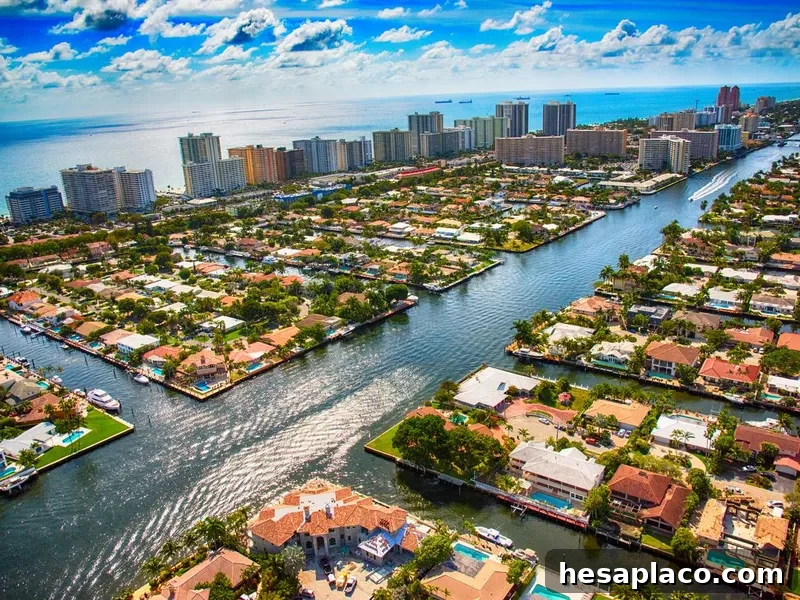
Florida’s high vacancy rate is largely driven by vacation homes, seasonal residents and real estate investors. The Sunshine State is one of the most popular destinations in the country for snowbirds, retirees and short-term visitors, which means many homes are not occupied year-round.
As of 2023, several Florida cities had especially high shares of vacant properties. Pompano Beach had a vacancy rate of 21.7 percent, Fort Lauderdale was at 21.4 percent and Clearwater reached 20.7 percent. These markets are attractive to buyers looking for beach access, warm weather and investment opportunities. At the same time, Florida residents continue to face rising home prices and affordability concerns.
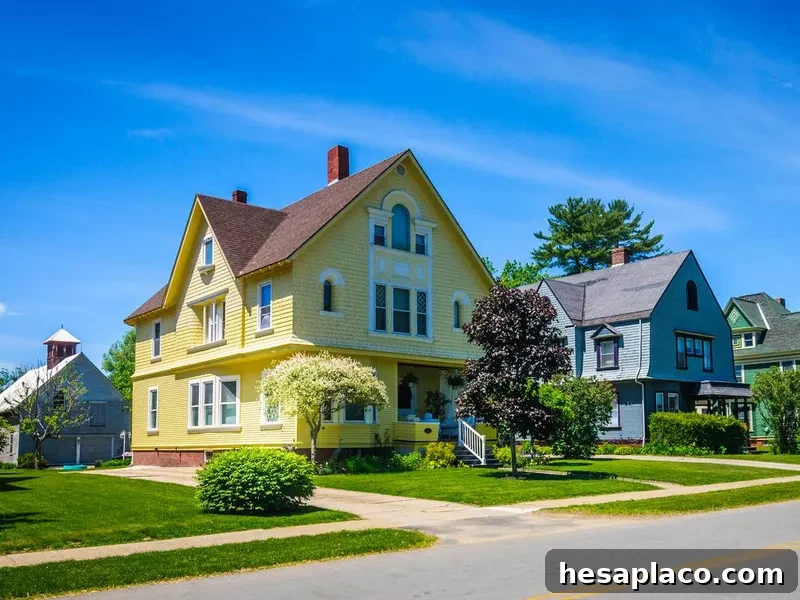
3. Vermont
KenWiedemann / Getty Images
Average home price: $373,709
Average vacancy rate by percent: 21.3
Vermont is the only landlocked state on this list, but it remains a major vacation destination. Its appeal comes from skiing, camping, rural scenery and small-town charm. Many of the vacant homes in the Green Mountain State are seasonal or vacation properties rather than homes available for full-time residents.
This pattern creates a sharp contrast in the housing market. While Vermont has a high percentage of vacant homes, the state also faces a shortage of homes listed for rent or sale. For people who live and work in Vermont year-round, the number of empty seasonal homes does little to ease the pressure on the local housing supply.
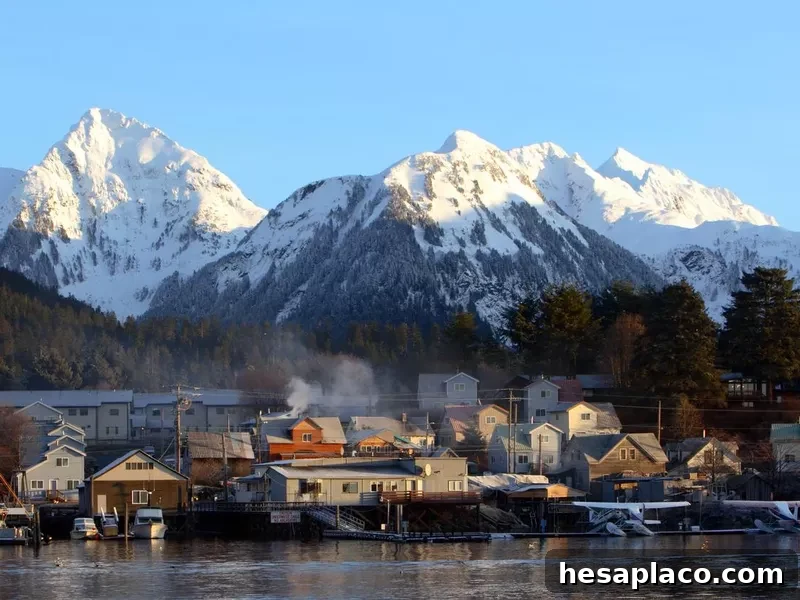
2. Alaska
filo / Getty Images
Average home price: $346,818
Average vacancy rate by percent: 21.4
Alaska’s geography, climate and remote communities all contribute to its high vacancy rate. The state is vast, difficult to access in many areas and shaped by seasonal industries such as tourism and fishing. These industries can cause population levels to fluctuate throughout the year, leaving some homes empty for months at a time.
Economic conditions also influence Alaska’s housing vacancies. In areas where job opportunities decline, residents may move elsewhere in search of better prospects, leaving homes behind. Because many communities are isolated, it can be difficult to attract a steady population or maintain consistent demand for housing. Alaska’s vacancy rate reflects both its unique environment and its economic challenges.
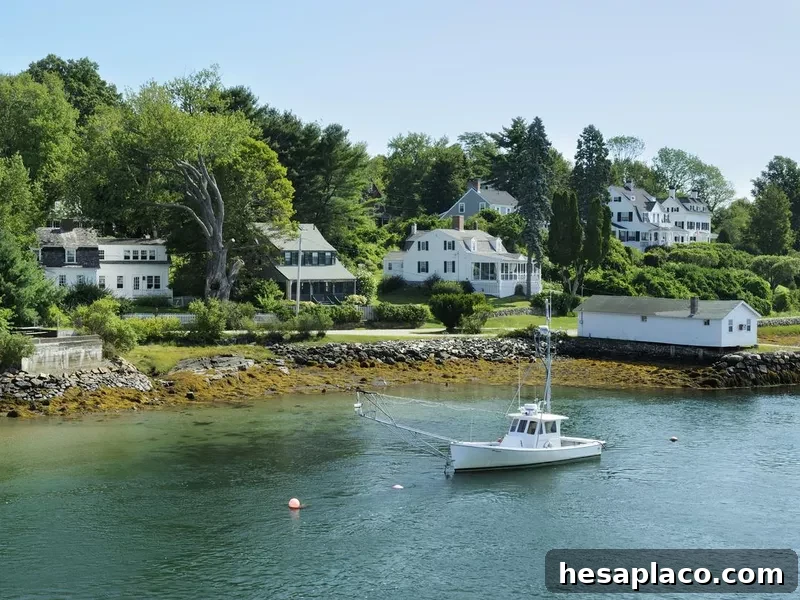
1. Maine
EasyBuy4u / Getty Images
Average home price: $379,933
Average vacancy rate by percent: 23.9
Maine has the highest average vacancy rate of any state on this list, at 23.9 percent. Many of these homes are not abandoned or available to renters. Instead, they are vacation properties owned by people who visit the state seasonally. Maine has become increasingly popular among wealthier buyers seeking coastal homes, scenic retreats and summer residences.
This creates serious challenges for people who live in Maine year-round. Although many homes are technically vacant, they are often not part of the local rental or sales market. As a result, residents may struggle to find affordable housing, and businesses can face difficulty hiring workers who need a place to live nearby. New housing is not being built quickly enough to close the gap, making Maine’s vacancy rate a key part of its broader housing affordability problem.