Starting a new business is exciting, but choosing the right location can make a major difference in how quickly a company grows. Entrepreneurs need to consider operating costs, access to customers, local support, workforce availability, infrastructure, taxes and overall quality of life before deciding where to launch.
Although many large cities attract startups, small cities can offer strong advantages for new business owners. Lower costs, close-knit communities, supportive local governments and growing populations often create ideal conditions for entrepreneurs. The cities below stood out in WalletHub’s 2023 ranking of the best small cities to start a business, based on factors such as business environment, access to resources and business costs.
WalletHub compared more than 1,300 small cities using 18 metrics, each scored on a 100-point scale. The cities featured here are grouped by state, with states that had the most ranked cities appearing later in the article.
Idaho
Kirk Fisher / Getty Images
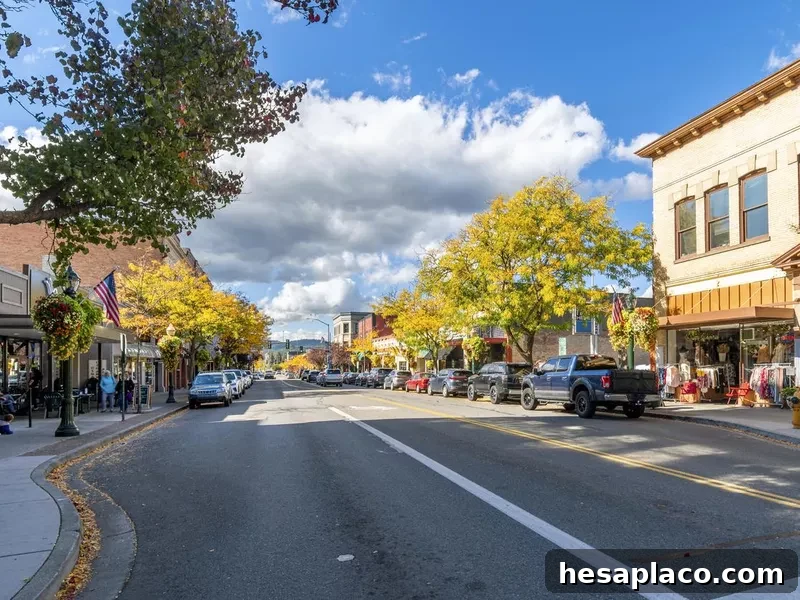
City and total score: Coeur d’Alene (59.89)
Note: Statistics were sourced from the 2023 WalletHub study.
Bottom Line: Idaho
Kirk Fisher / Getty Images
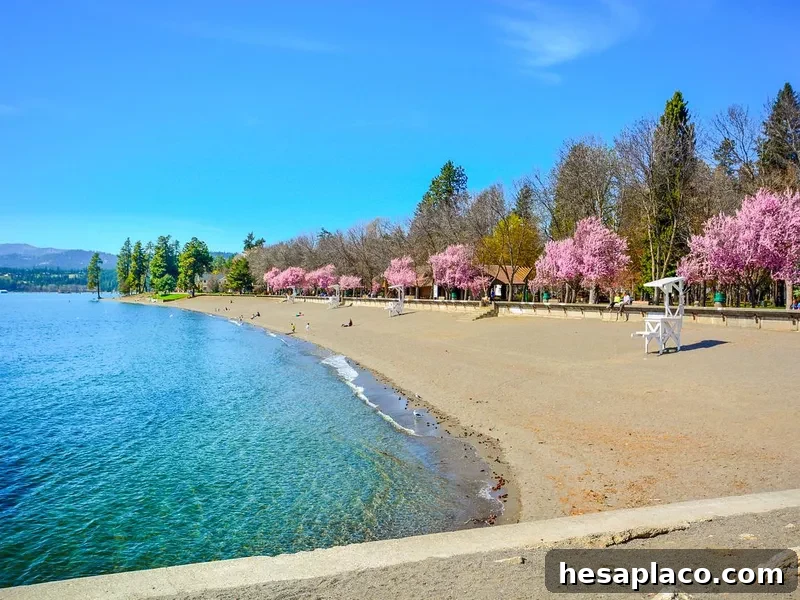
Coeur d’Alene, located in northern Idaho, is a small but energetic community that is highly appealing to entrepreneurs. Local residents are known for supporting businesses based in town, giving new companies the opportunity to build loyal customer relationships and benefit from word-of-mouth referrals.
The city also offers a relatively low cost of living and a favorable tax environment. Local economic development efforts help make the area more accessible for business owners who want to establish themselves in a growing market. Because Coeur d’Alene sits on beautiful Lake Coeur d’Alene, tourism is another major advantage. Hospitality, retail, food service and recreation-related businesses can all benefit from steady visitor traffic.
North Carolina
Anora McGaha / Wikimedia Commons
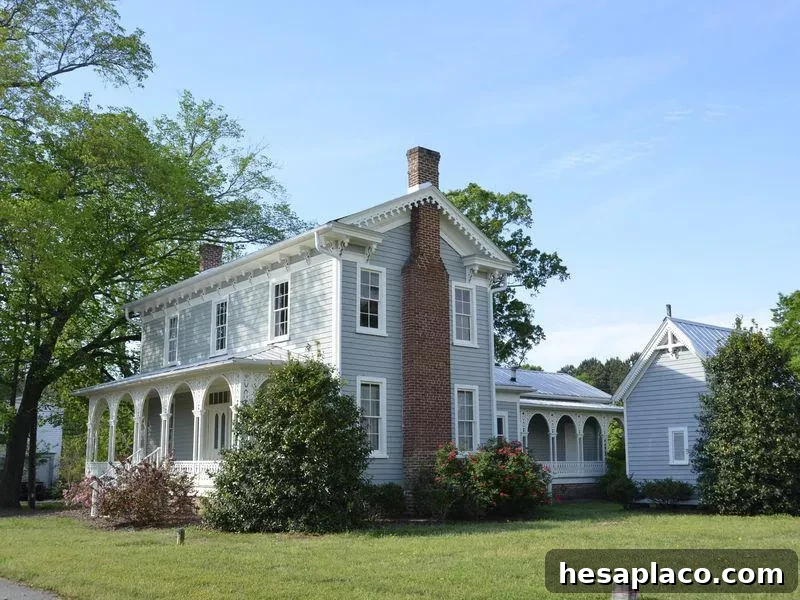
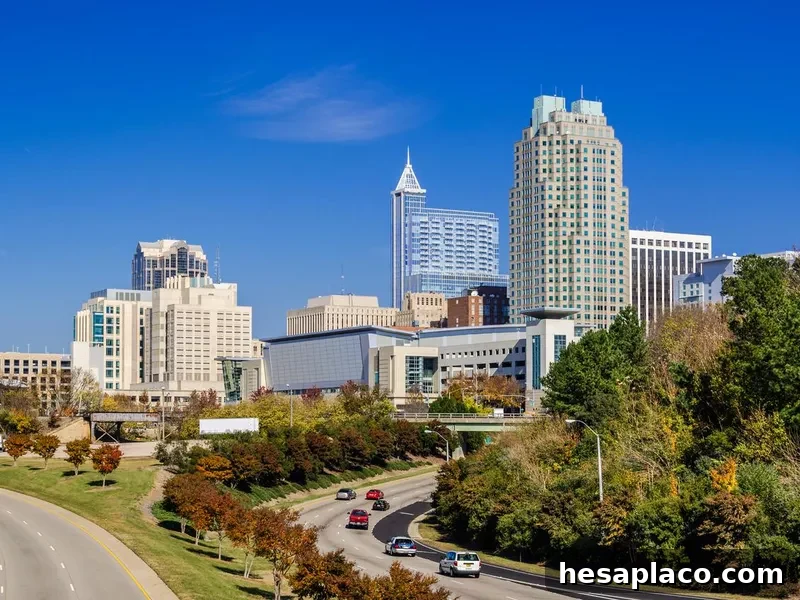
City and total score: Morrisville (60.05)
Bottom Line: North Carolina
Davel5957 / Getty Images
Morrisville is one of North Carolina’s strongest small-city choices for starting a business. Its location in the Research Triangle gives entrepreneurs access to major research universities, technology companies and a highly skilled workforce. This creates opportunities for collaboration, networking and recruiting talent.
The city also maintains a business-friendly environment. Local officials support economic development programs that provide resources, incentives and assistance to companies looking to grow. One example is the Morrisville Means Business program, which offers grants, free consulting and support to eligible businesses that were affected by the pandemic.
Wyoming

DenisTangneyJr / Getty Images
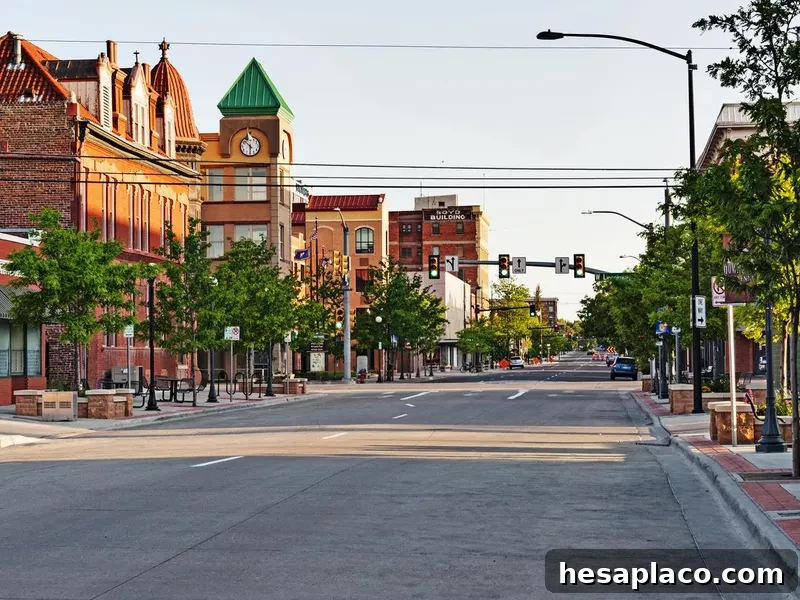
City and total score: Cheyenne (59.6)
Bottom Line: Wyoming
jmoor17 / Getty Images
Cheyenne, Wyoming’s capital, is a practical choice for entrepreneurs who want the benefits of a larger small city without the high costs often associated with major metropolitan areas. Wyoming has no state income tax, and its low business taxes and lighter regulatory environment can help reduce financial pressure on small business owners.
Cheyenne also has a strong transportation advantage. Located near major highways and rail lines, the city makes it easier for businesses to move goods and reach broader markets. Denver is less than two hours away, giving local companies access to an even larger regional economy. The city also hosts business-focused events and initiatives that encourage networking, collaboration and community support.
Oregon
Rex_Wholster / Getty Images
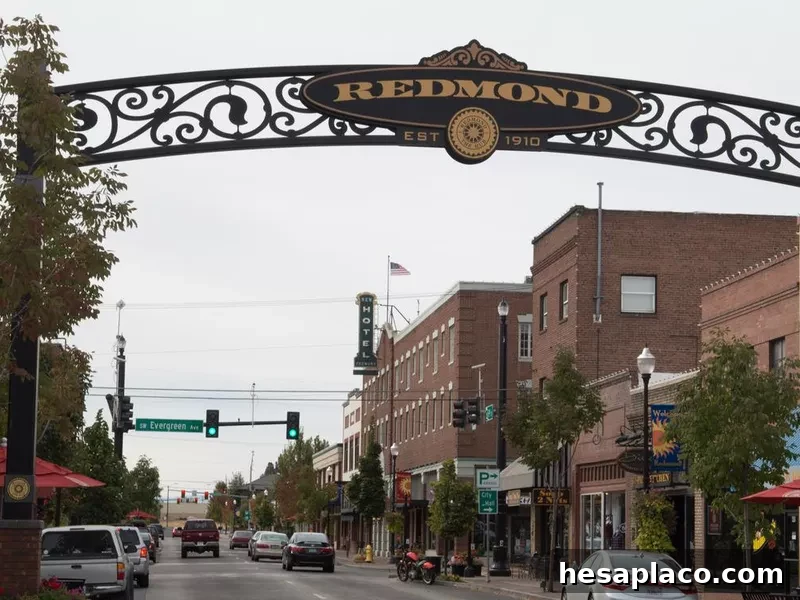
City and total score: Redmond (59.14)
Bottom Line: Oregon

benedek / Getty Images
Oregon is often viewed as an entrepreneur-friendly state, and Redmond stands out as one of its best small cities for starting a business. City officials actively encourage economic development and provide support to business owners through local resources and assistance.
Redmond also works to simplify processes related to permits and licenses, helping entrepreneurs open and operate with fewer obstacles. Compared with larger Oregon cities such as Portland, Redmond has a lower cost of living, which can make it easier for business owners to control expenses. The surrounding region also attracts outdoor enthusiasts and tourists throughout the year, creating opportunities for recreation, hospitality, retail and service-based businesses.
Montana
Jon Bilous / Getty Images
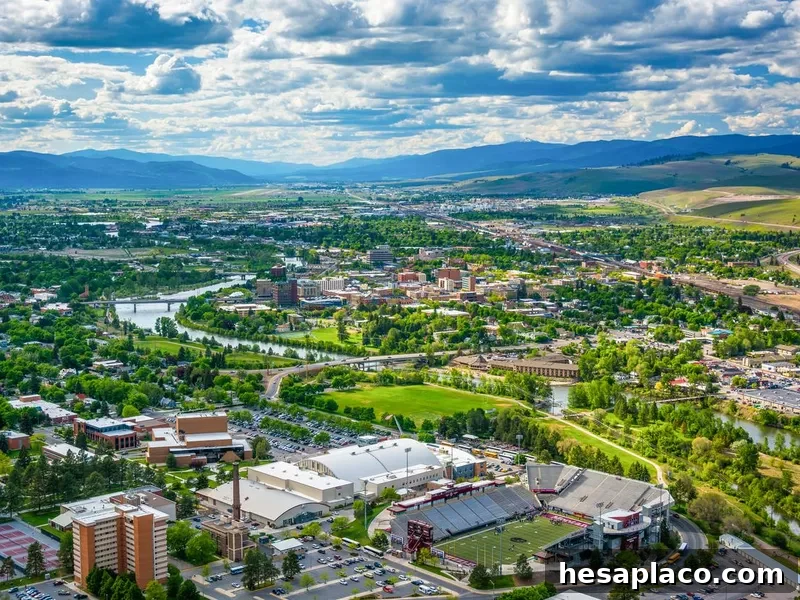
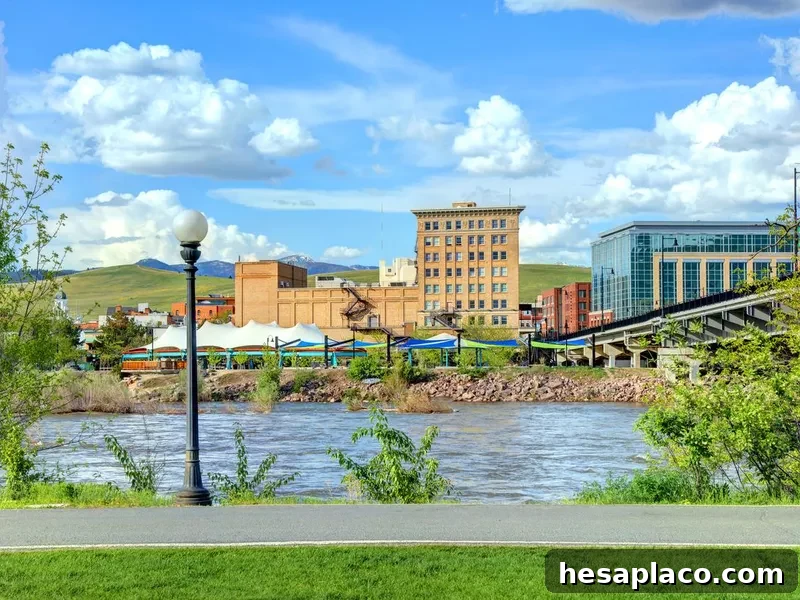
City and total score: Missoula (59.49)
Bottom Line: Montana
DenisTangneyJr / Getty Images
Missoula, located in western Montana, offers a supportive setting for entrepreneurs and small business owners. Residents value local shopping, which helps create a strong foundation for independent companies and community-based services.
With a population of nearly 120,000, Missoula has a diverse economy that includes healthcare, technology and outdoor recreation. This mix of industries gives new businesses room to find customers and partnerships in different sectors. The city has also experienced steady population growth in recent years, which can translate into a larger customer base for entrepreneurs entering the market.
Colorado

marekuliasz / Getty Images
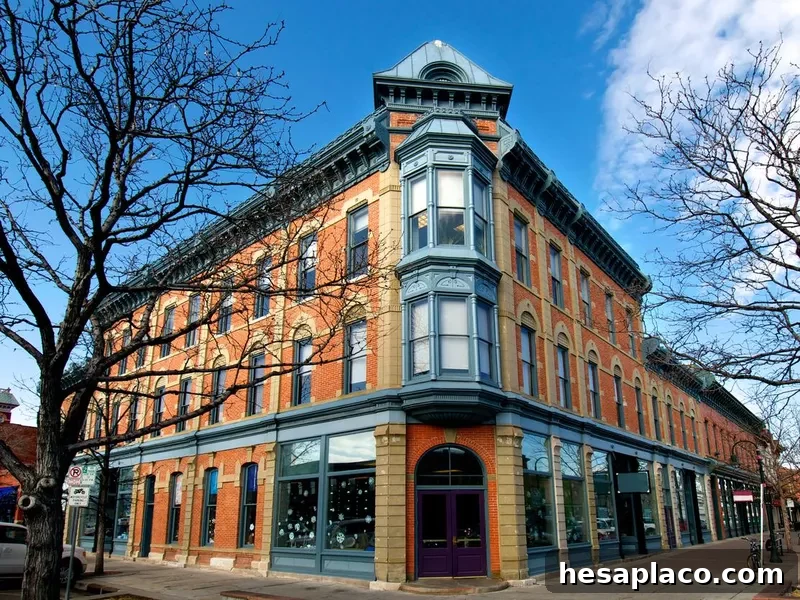
City and total score: Windsor (59.02)
Bottom Line: Colorado
dlewis33 / Getty Images
Windsor is a fast-growing Colorado community, with growth of nearly 8 percent per year. For entrepreneurs, that means an expanding base of potential customers and a steady increase in local demand.
The city is close to Fort Collins and Greeley and within driving distance of Denver, giving businesses access to a larger regional economy while still enjoying the benefits of a smaller community. Windsor residents and local leaders also show strong support for small businesses. Community events and local initiatives help connect business owners with residents, strengthen visibility and encourage people to shop locally.
Florida

TriggerPhoto / Getty Images
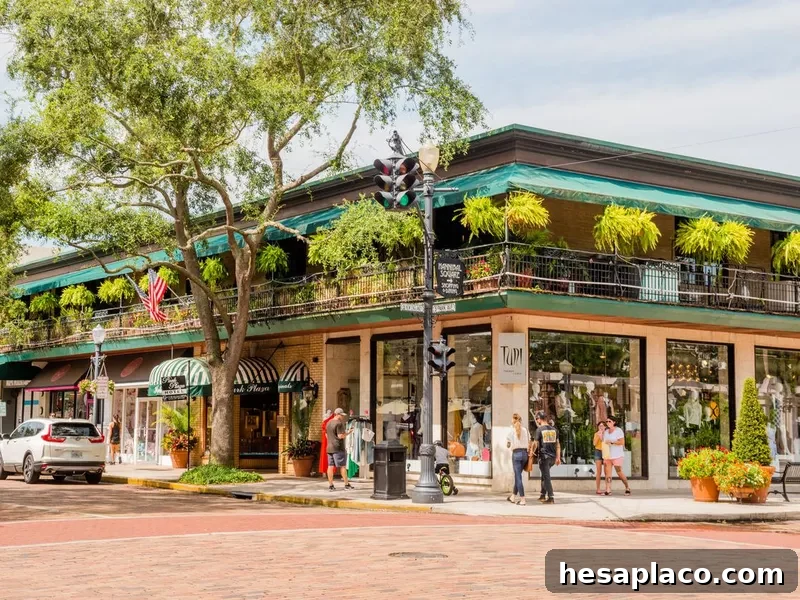
Cities and total scores: South Bradenton (60.7); Fort Myers (60.21); Winter Park (58.99); Altamonte Springs (58.99)
Bottom Line: Florida
Boogich / Getty Images
Florida has faced economic challenges, but it remains one of the strongest states for entrepreneurs, with several small cities appearing on this list. A major advantage is the state’s tax climate, particularly the absence of a personal income tax. This can allow business owners to retain more of their earnings and reinvest in their companies.
South Bradenton ranks highest among the Florida cities listed. The area offers a warm climate, recreational opportunities and a high quality of life, all of which help attract residents and visitors. Tourism also supports a wide range of business types, including restaurants, shops, hospitality companies and service providers.
Utah
raclro / Getty Images
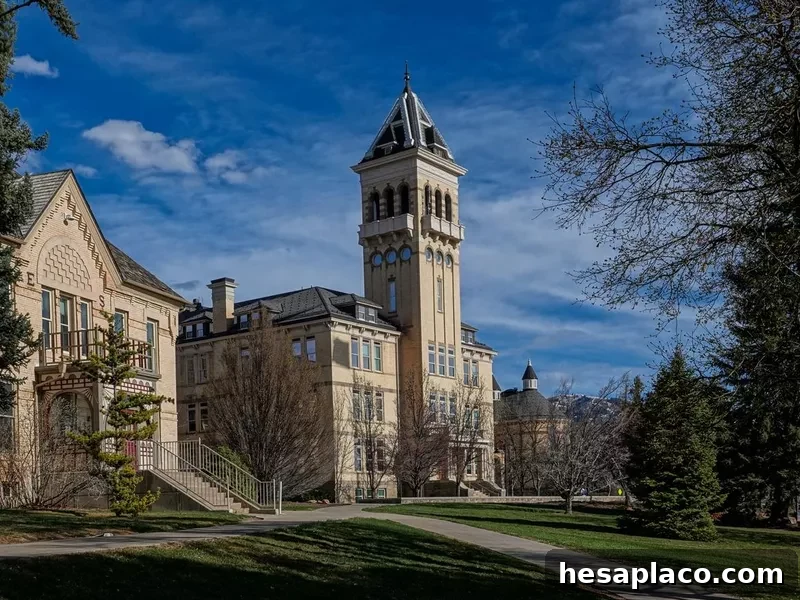
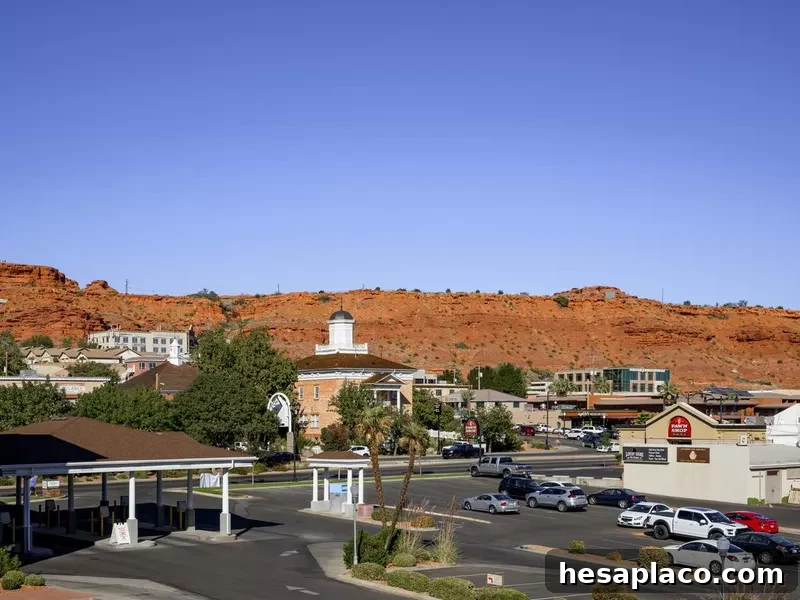
Cities and total scores: Washington (66.77); St. George (65.64); Cedar City (64.96); Logan (61.08); Lehi (60.15); Eagle Mountain (59.92); Midvale (59.46); American Fork (58.97)
Bottom Line: Utah
4kodiak / Getty Images
Utah dominates this list with eight ranked cities, reflecting the state’s strong reputation as a business-friendly place. Low taxes, limited regulations and a growing economy make Utah especially attractive for entrepreneurs who want to start and scale a company.
The state supports major industries such as technology, healthcare, tourism and aerospace. It also offers a skilled workforce, strong infrastructure and a high quality of life. For businesses connected to outdoor recreation, Utah’s natural landscape can be a particularly powerful advantage.
Washington ranks highest overall among the cities listed. With a population of about 31,000, it combines small-town character with modern amenities and access to natural beauty. Its welcoming environment makes it appealing not only to business owners, but also to families and workers looking for a balanced lifestyle.