
Food is one of the largest household expenses after housing. In the United States, a family of four typically spends roughly $1,000 a month on groceries.
How can you cut those costs and stretch your food budget? Below are practical, proven strategies for planning, shopping, and using what you buy so you pay less without sacrificing nutrition or quality.
These tips will help any household reduce grocery spending and build healthier saving habits.
1. Abide by Your Budget

Getty Images
Establish a clear line-item budget for your household, and be disciplined about it. Research shows people who don’t budget are more likely to overspend. Map out income versus expenses, set a realistic grocery limit, and shop with that target in mind.
2. Pay Cash

Getty Images
Paying with cash can help curb impulse purchases because the act of handing over bills feels more real than swiping a card. Studies find consumers who use cash reduce credit usage and often spend less overall. Withdraw your grocery money in advance and stick to it.
3. Stick to Your List

Getty Images
Plan meals for the week and make a shopping list based on needed ingredients. A list reduces impulse buys and helps you buy only what you’ll actually use. Many shoppers report that making a list is an easy way to cut grocery spending.
4. Shop Locally

Getty Images
Independent, locally owned stores and farmers markets can yield savings and personalized tips from staff. Local markets often offer seasonal produce at lower prices than large chains, and building relationships with vendors can alert you to special deals.
5. Shop the Seasons
Getty Images
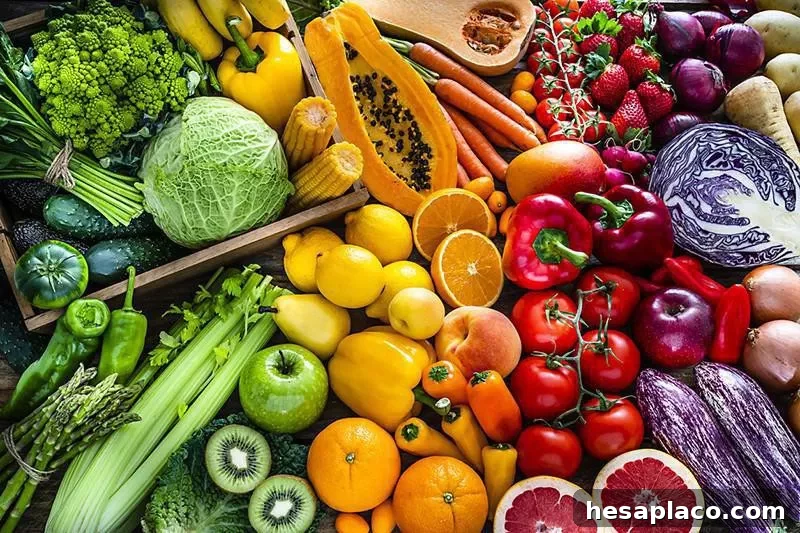
Buying fruits and vegetables in season means better flavor and lower prices. Use seasonal guides to plan meals around what’s inexpensive and fresh—this keeps costs down and boosts nutrition.
6. Look Low on the Shelves

Getty Images
Store layouts place higher-margin items at eye level. Compare shelves—lower rows often hold the same or similar products at lower prices. Take a moment to search the lower shelves for better-value options.
7. Have Meatless Mondays

Getty Images
Reducing meat consumption even one day a week can lower your grocery bill. Plant-based meals based on beans, lentils, grains, and seasonal vegetables are often cheaper and nutritious.
8. Shop Fresh Later in the Day

Getty Images
Bakeries, delis, and market vendors often mark down perishable items near the end of the day. Shopping later can yield steep discounts on day-old bread, bakery goods, and prepared items.
9. Understand Your Discounts

Getty Images
Different stores have varied coupon and discount policies. Learn the rules—double coupon days, stacking manufacturer and store coupons, or using digital offers can multiply your savings.
10. Utilize Store Rewards
Getty Images
Sign up for grocery loyalty programs. They often provide personalized discounts, fuel rewards, or free pickup options. Using those cards consistently adds up to meaningful savings.
11. Use Coupons

Getty Images
Clip coupons from weekly circulars or use digital coupon apps. Even modest clipping habits reduce grocery bills without the extreme tactics seen on TV.
12. Email and Ask

Getty Images
If a brand you like is expensive, reach out with a polite message. Companies often respond with coupons, trial offers, or discounts to keep loyal customers.
13. Request a Raincheck

Getty Images
If a sale item is sold out, ask customer service for a raincheck. Many stores will extend the sale price for a limited time or allow you to purchase the item later at the promotional price.
14. Price Match

Getty Images
Keep an eye on competitors’ ads and ask your store to price match when applicable. Many chains offer price-match guarantees that prevent you from overpaying.
15. Shop Different Stores

Getty Images
Buying across multiple stores takes time but can produce major savings. Discount grocers often undercut mainstream supermarkets on staples, so consider splitting shopping trips when savings justify the effort.
16. Shop Specifically for Certain Items in Specific Stores

Getty Images
Buy pantry staples and perishables at the grocery, and get paper, cleaning, and personal care items at drugstores or bulk retailers where they’re typically cheaper.
17. Organize From Outside Aisles, In

Getty Images
Produce, meat, bread, and dairy are often around the store perimeter; shop these first to ensure essentials are procured and to avoid wandering into inner aisles where impulse purchases live.
18. Buy in Bulk

Newman Studio / Getty Images
Bulk bins and larger packages usually lower the unit cost. Purchase dry goods like rice, beans, oats, and nuts in bulk to save money and reduce packaging waste.
19. Go Generic

Getty Images
Store brands often match the quality of name brands at a fraction of the price. Compare ingredient lists and packaging—switching to generics on staples can add up to substantial savings.
20. Shop the Sales

Getty Images
Learn your favorite store’s sale cycles and stock up when prices drop. Sales often follow seasonal and holiday patterns—buy in quantity when it makes sense for nonperishables and freezable items.
21. Shop Solo

Getty Images
Shopping alone reduces distractions and pressure to make extra purchases. Leaving kids and partners at home lowers the chance of impulse buys and forgotten coupons.
22. Compare Unit Costs

Getty Images
Look at the unit price on shelf tags to know which package gives you the best value per ounce, pound, or serving. This beats judging value by the overall price alone.
23. Buy From Farmers Whenever Possible

Getty Images
Purchasing directly from farmers, co-ops, or local butchers cuts out processing and shipping costs. You often get fresher produce and better value for seasonal items.
24. Inventory What You Have at Home

Getty Images
Check your pantry and fridge before making a list. Avoid buying duplicates and plan meals around what you already own to prevent waste and unnecessary purchases.
25. Grow Your Groceries

Getty Images
Growing herbs, lettuce, tomatoes, and other common produce at home can trim your grocery bill. Even a small container garden can yield significant savings over a season.
26. Apply Your Apps

Getty Images
Download grocery store apps and digital coupon platforms. Many retailers offer app-only coupons, personalized offers, and digital reward points that reduce your total at checkout.
27. Plan Ahead

Getty Images
Plan meals in advance, build the shopping list from what you already have, and buy only the ingredients you need. Planning reduces waste, last-minute takeout, and unnecessary purchases.
28. Fill Up When You’re Already Full

Getty Images
Shopping hungry increases impulse buying. Eat a small snack before you go to the store to help resist temptations and stay focused on your list.
29. Cook the Seasons

Getty Images
Choose recipes that highlight seasonal ingredients and sales—slow-cooker meals when it’s cool, grilling and simple sides in summer, and bulk baking items around holidays—to maximize savings.
30. Pass on Paying for Water

Getty Images
Bottled water is far costlier than tap. Use a water filter at home and reusable bottles to avoid paying for packaging and shipping on a product your tap can supply cheaply.
31. Don’t Pay for Prepackaged Food

Getty Images
Pre-washed, pre-chopped produce and convenience meals cost more. Prepare basics yourself—wash and chop greens, portion snacks, and cook grains—to save on packaging and convenience fees.
32. Check the Cashier

Getty Images
Errors at checkout happen. Watch the register as items scan to ensure sales and coupons are applied correctly and no duplicate or wrong-priced items are added.
33. Bag It Up

Getty Images
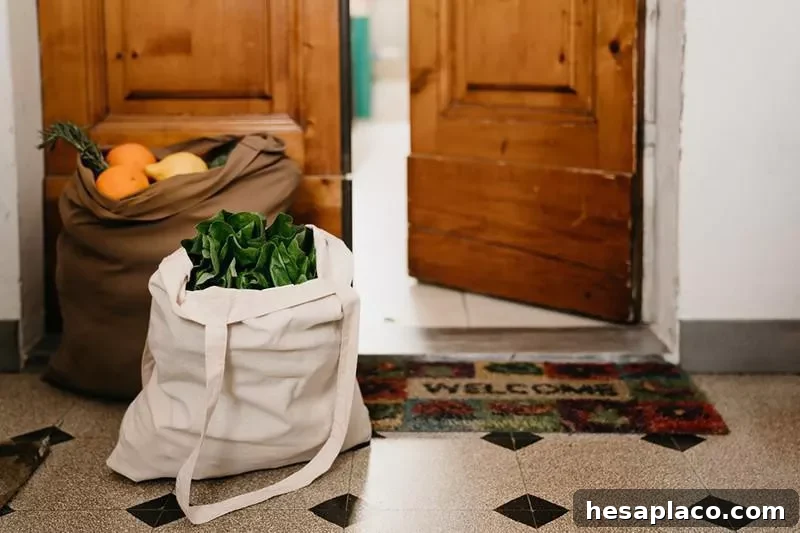
Bring reusable bags. Some stores offer small discounts or incentives for using your own bags, and you’ll reduce waste while pocketing small savings over time.
34. Redefine Meal Expectations

Getty Images
Swap traditional meal formats—try breakfast-for-dinner or simpler main dishes more often. Cheaper staples like eggs, oats, and pancakes can replace pricier meat-centric meals while keeping everyone satisfied.
35. Learn to Love Leftovers

Getty Images
Leftovers are money saved. Plan meals that easily refrigerate or freeze for future lunches or dinners rather than letting edible food go to waste.
36. Go Dairy Free

Getty Images
If dairy is costly due to special products, focus on simple whole-food recipes based on grains, legumes, and vegetables. Many dairy-free meals are both affordable and healthy when planned well.
37. Go Dye Free

Getty Images
Eliminating artificial dyes can push up costs if you buy specialty snacks. Read labels and look for affordable, naturally colored alternatives—turmeric, beet, and spinach powder can add color and nutrition at low cost.
38. Think Gluten Free

Getty Images
Gluten-free specialty products are often pricier. Instead, adapt familiar recipes using naturally gluten-free staples—rice, potatoes, beans—and reuse ingredients across meals to save money.
39. Vegetarian Lifestyle Is Cheaper Than Meat-Eater Budgets

Getty Images
Plant-based diets relying on beans, lentils, grains, and seasonal produce often cost less than meat-heavy diets. Reducing meat purchases can significantly lower the grocery bill.
40. Stick to Regular Grocery Stores for Veganism

Getty Images
Vegan staples—beans, rice, legumes, and vegetables—are inexpensive when purchased at mainstream supermarkets. Avoid specialty stores with higher markups for everyday vegan ingredients.
41. Benefits of a Keto Diet

Getty Images
While keto emphasizes protein and healthy fats, it can still be budget-friendly with simple swaps—use seasonal vegetables as pasta substitutes and choose affordable cuts of meat or bulk eggs to keep costs under control.
42. Whole 30 Plan Might Not Be as Expensive as You Think

Getty Images
Eating whole foods can be affordable when you focus on basic ingredients—produce, whole grains, legumes, eggs, and modest portions of meat. With planning, meals can cost less than common takeout options.
43. Diabetics Should Plan Ahead

Getty Images
Diabetics benefit from whole-food planning—lean proteins, vegetables, and whole grains. Preparing meals at home avoids expensive specialty “sugar-free” processed foods and supports both health and budget goals.
44. Prep for Picky Eaters

Getty Images
For fussy eaters, prepare simple, affordable staples they like and gradually introduce variations. Familiar textures and flavors reduce mealtime waste and lower the need for separate special purchases.
45. Sneak in the Undesirables

Getty Images
Blend vegetables into sauces, baked goods, or casseroles to boost nutrition without turning off picky eaters. Recipes that hide healthy ingredients can help reduce food waste and expand meal options.
46. Sauce Up the Veggies

Getty Images
Puree vegetables into pasta sauce or soups to improve texture and flavor for kids and adults who dislike chunks—this keeps meals nutritious and inexpensive.
47. Mimic the Favorites

Getty Images
Recreate favorite dishes at home using budget-friendly ingredients. Homemade versions of comfort foods often cost less and let you add healthy, cheap vegetables for extra nutrition.
48. Make it a Shake

Getty Images
Smoothies are a quick, nutrient-dense, and cost-effective option for breakfast or snacks. Use frozen fruit, spinach, oats, and yogurt or milk to create affordable, kid-approved meals that can double as popsicles.
49. Hide Veggies Under Cheese

Getty Images
Bake vegetables into casseroles and pasta dishes topped with cheese. Using in-season vegetables and basic pantry staples makes a filling meal that’s both budget-friendly and kid-friendly.
50. Go Bare Buns

Getty Images
Swap burger buns for lettuce leaves to cut costs and carbs. Simple swaps like this and using seasonal produce lower meal costs while keeping meals satisfying.
Small changes add up. Combine planning, seasonal shopping, smart use of coupons and rewards, and simple home-cooked meals to reduce your grocery bill and save consistently month after month.