
The landscape of work is changing rapidly, driven by technological advances, demographic shifts, and evolving expectations about how and where work should happen. Understanding these trends is essential for professionals and organizations preparing for the future of work.
How New Work Trends Begin

courtneyk / Getty Images
As younger generations join the labor force and experienced professionals move into leadership, workplace values shift. These cohorts tend to prioritize inclusion, flexibility, and purpose, prompting companies to re-evaluate policies, benefits, and organizational culture. At the same time, new technologies change how performance is measured and workflows are organized. Striking the right balance between employee autonomy and accountability will be one of the central management challenges in the coming years.
Work Trends to Watch in 2023 and Beyond

Kirill Smyslov / Getty Images
The pace of change in the workplace is unprecedented. Remote and hybrid arrangements, automation, and a renewed focus on well-being and social responsibility are reshaping how organizations operate. Recognizing these motions helps individuals and companies adapt strategically to stay competitive and attract talent.
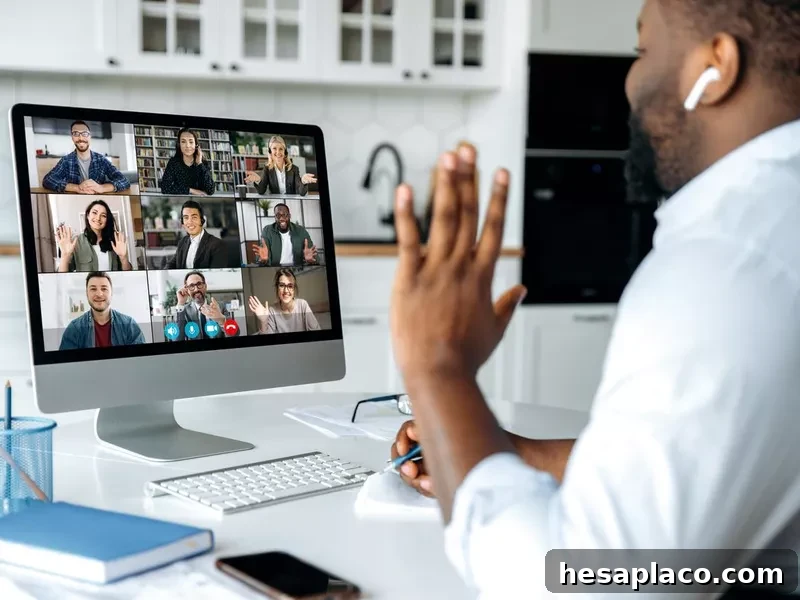
Remote Work
Kateryna Onyshchuk / Getty Images
Remote work surged in 2020 and has proven to be a durable shift rather than a temporary experiment. Improved collaboration platforms, cost efficiencies, and employees’ desire for better work-life integration mean remote options will remain a core feature of many organizations. Success in remote work requires digital fluency, strong virtual communication, and thoughtful management practices that maintain engagement and culture.
Automation and Artificial Intelligence

Shutthiphong Chandaeng / Getty Images
Automation and AI are transforming tasks across industries. While some roles may be displaced, these technologies also create demand for new skills and roles that work alongside intelligent systems. Proficiency in AI tools, as well as the ability to design and interpret automated processes, will be valuable across many career paths. As AI evolves, organizations must weigh productivity gains against ethical and social considerations.
Upskilling
eyesfoto / Getty Images
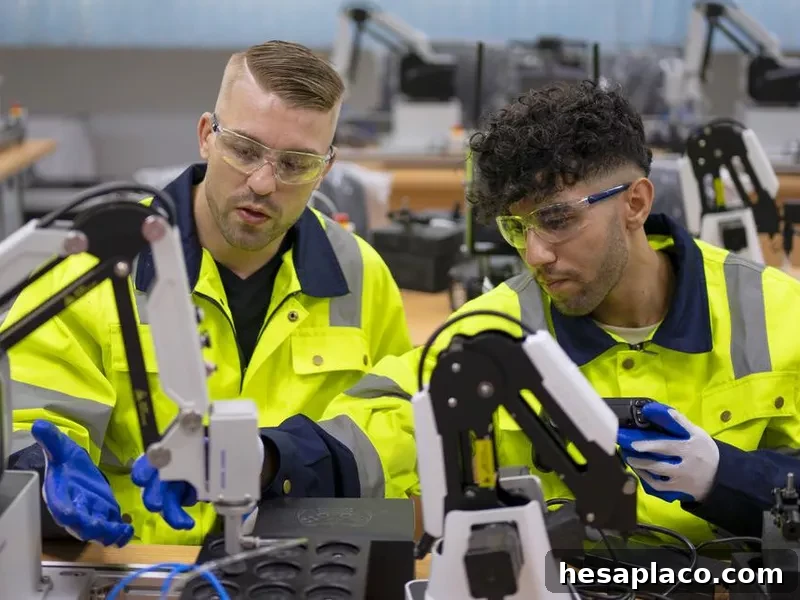
Rapid technological change makes continuous learning essential. Both employers and employees must invest in upskilling and reskilling to remain relevant. Careers are becoming less linear, with transitions across roles and sectors more common. Cultivating adaptability and a growth mindset will help people navigate evolving job requirements.
Employee Well-Being

Hispanolistic / Getty Images
Employee mental and physical health has moved higher on organizational agendas. Companies that prioritize well-being—through flexible schedules, wellness programs, and mental health support—tend to see improvements in creativity, retention, and productivity. Building supportive work environments will remain a priority as competition for talent intensifies.
Social Impact

FG Trade / Getty Images
Consumers and employees increasingly expect organizations to act responsibly on environmental and social issues. Companies that embed sustainability and social purpose into their operations and culture can build stronger brands, attract conscientious customers and employees, and differentiate themselves in crowded markets.
Hybrid Work Model
kali9 / Getty Images
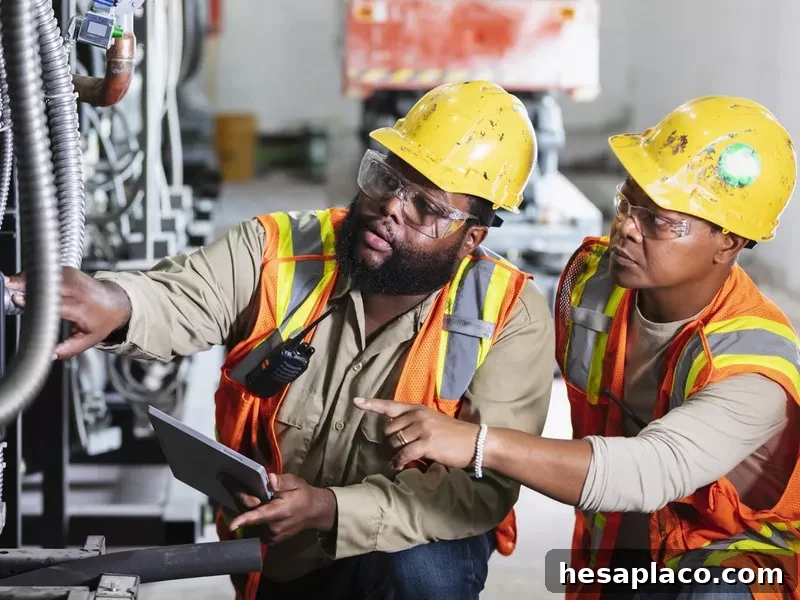
Hybrid models that combine remote and on-site work are becoming standard. Ensuring frontline and in-person workers receive the same flexibility and support as remote staff is essential for fairness and morale. Designing equitable policies and consistent communication helps preserve collaboration and a sense of belonging across the workforce.
What Impact Will These New Work Trends Have?

Cecilie_Arcurs / Getty Images
Organizations that fail to adapt risk losing competitiveness, while those that embrace change can unlock new opportunities. The trends below highlight significant shifts that are already reshaping work.
Greater Transparency

filadendron / Getty Images
The past few years have increased demand for open communication from leaders. Transparent decision-making, clear goals, and accessible information strengthen trust and help teams align around shared priorities. Maintaining that transparency will be a continual responsibility for managers.
More Complex Organizations

Sanja Radin / Getty Images
Companies have pursued mergers, partnerships, and global expansion to stay resilient. These moves increase organizational complexity and create challenges in aligning teams, tracking performance, and securing the skills needed for new markets. Intentional integration and strong governance are necessary to manage this complexity effectively.
A Clearer Focus on Values

FatCamera / Getty Images
Organizations that succeed will be those that clearly articulate and live their mission. Aligning purpose with employee well-being, stakeholder value, and operational performance helps attract committed talent and build long-term reputation. Leaders must model values and create systems that reinforce the organization’s mission.
Bottom Line: Embracing Technology Is Essential

Adrian Vidal / Getty Images
Technology is no longer optional—it’s central to how organizations operate and compete. Emerging tools such as AI, virtual reality, and advanced collaboration platforms are changing how people learn, connect, and produce work. With thoughtful implementation and a focus on human needs, technology can help create a more inclusive, connected, and adaptable workforce.
This article is a partnership with Bazoom.