
If work bleeds into dinner or notifications pull you back on weekends, ancient Japanese wisdom offers practical ideas to restore balance. Though Japan’s modern workplace culture can be intense, many traditional concepts emphasize calm, clarity, and a healthy boundary between duty and downtime. Below are 15 Japanese philosophies that can help reshape how you approach work, rest, and the space between.
Some Things Just Need to Be Accepted

Credit: Getty Images
Uketamo, a concept from mountain monks, teaches meeting reality directly—even when it’s unpleasant. Instead of replaying what you can’t change, accept it and move on. That mental shift conserves energy for the things you can influence, at work and beyond.
Not Everything Has to Be Productive
Credit: iStockphoto
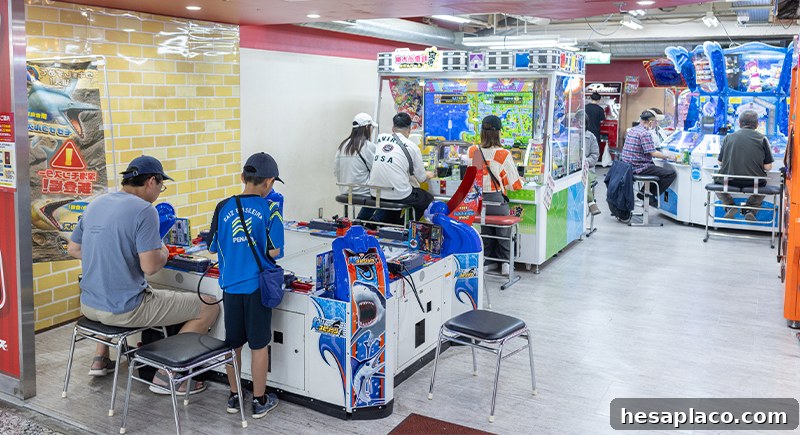
Asobi—play for its own sake—reminds us that not every moment must be productive. Play appears across Japanese life, from arcades to manga on the train. Even brief, seemingly pointless breaks can refresh the mind and restore creativity.
Cracks Aren’t Always Flaws
Credit: Getty Images
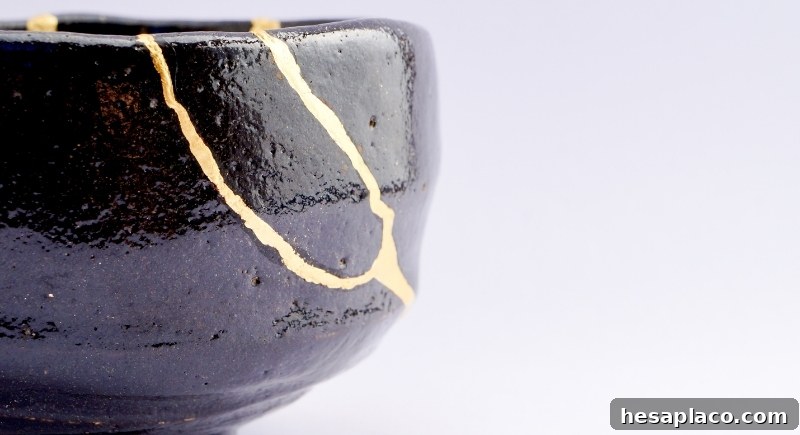
Kintsugi, the art of repairing broken pottery with gold, reframes damage as part of an object’s history and beauty. Apply the same approach to mistakes at work or setbacks in life: acknowledging lessons learned can make you stronger and more authentic.
One Question Can Change the Evening

Credit: Canva
Naikan is a reflective practice that asks, “What did someone do for me today?” Shifting attention toward gratitude reduces complaint and mental clutter. Practiced regularly, this question strengthens relationships and helps you leave work stress behind at the end of the day.
Play the Long Game When You’re Tired

Credit: iStockphoto
Gaman refers to quiet perseverance during hardship. It’s not about suppressing problems, but holding steady when immediate solutions aren’t possible. Practicing gaman can help you maintain dignity and patience while awaiting better conditions.
You Don’t Have to Monetize What You Love
Credit: Getty Images
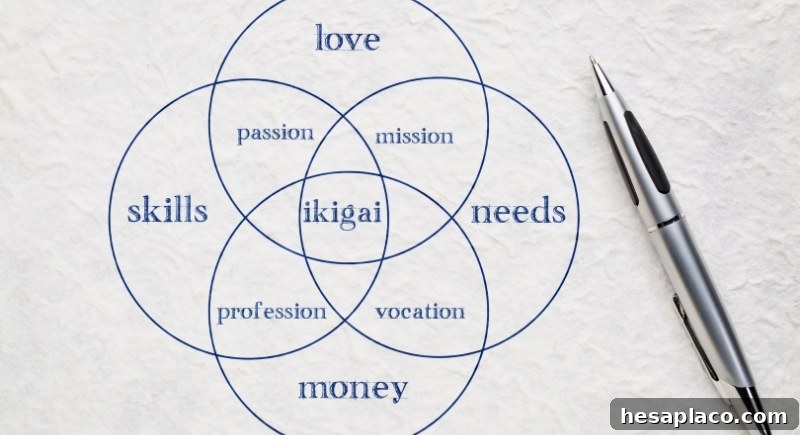
Ikigai describes what gives your life meaning. While work may be part of that for some, many people find purpose in family, hobbies, or community. You don’t have to turn passions into income to validate them; meaning can be personal and noncommercial.
Say Something Before It Becomes a Problem

Credit: iStockphoto
Ho-Ren-So—report, inform, consult—is a communication habit used in Japanese workplaces to surface small issues before they escalate. The practice translates well to families and social groups: early, clear communication prevents misunderstandings and reduces stress.
Look for What’s Already Enough
Credit: freepik
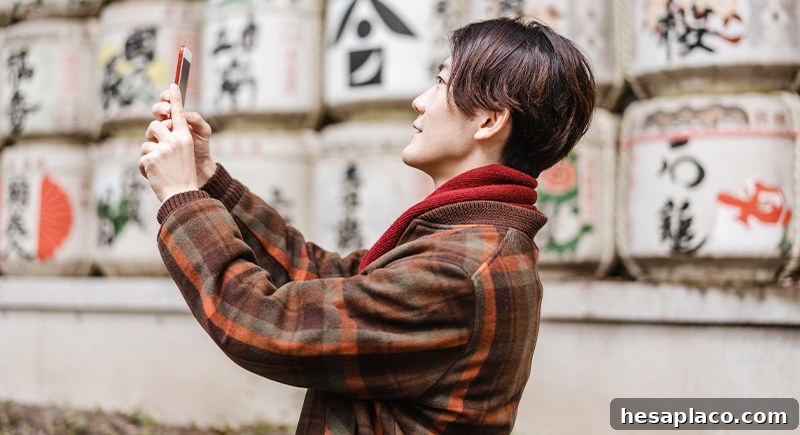
Mottainai expresses regret over waste and encourages recognizing value in what you already possess—time, materials, and effort. Before chasing the next improvement, acknowledge when something is sufficient. That awareness reduces needless consumption and refocuses energy.
Not Every Space Needs to Be Filled
Credit: Getty Images
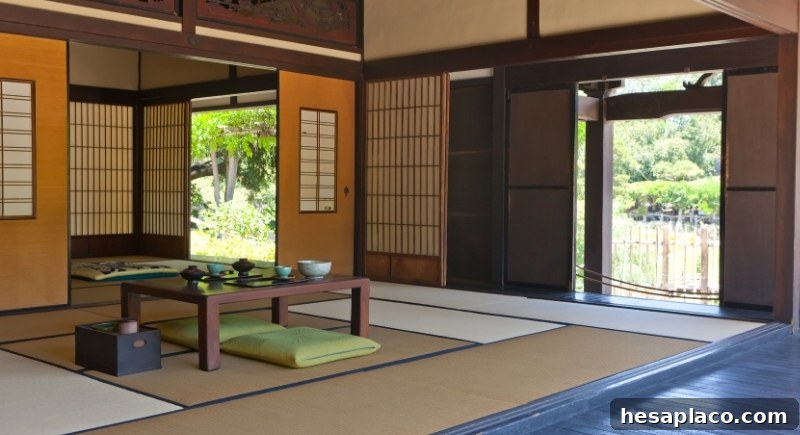
Ma values the space between actions—the silence that shapes meaning. Whether it’s a pause before speaking or a deliberate break between tasks, creating emptiness helps clarify what follows. Embracing small pauses can improve focus and decision-making.
When Cultures Collide, Harmony Is Possible

Credit: Getty Images
Nagomi celebrates harmonious blends—like katsu curry, which combines influences from multiple cuisines into something uniquely Japanese. Applied to life, nagomi encourages integrating different roles and priorities smoothly instead of forcing strict divisions.
It’s Okay to Feel a Little Bit Sad

Credit: iStockphoto
Mono no aware captures the bittersweet awareness of transience. Noticing small endings—the final sip of coffee before a trip, dusk after a busy day—deepens presence and appreciation. Allowing yourself to feel that gentle sadness can actually enhance meaning.
Waste Isn’t Just About Trash

Credit: Getty Images
Beyond physical waste, mottainai calls attention to squandered time and neglected opportunities: unused vacation days, abandoned hobbies, or half-finished projects. Practicing this mindset encourages gratitude, resourcefulness, and more intentional living.
Hospitality Isn’t Just for Guests

Credit: freepik
Omoiyari means considering others’ needs before they ask. This quiet empathy shows up in small acts—refilling a glass, sending a thoughtful message, helping without making a fuss. Such gestures smooth teamwork and strengthen personal bonds.
Small Changes Beat Sudden Overhauls
Credit: Getty Images
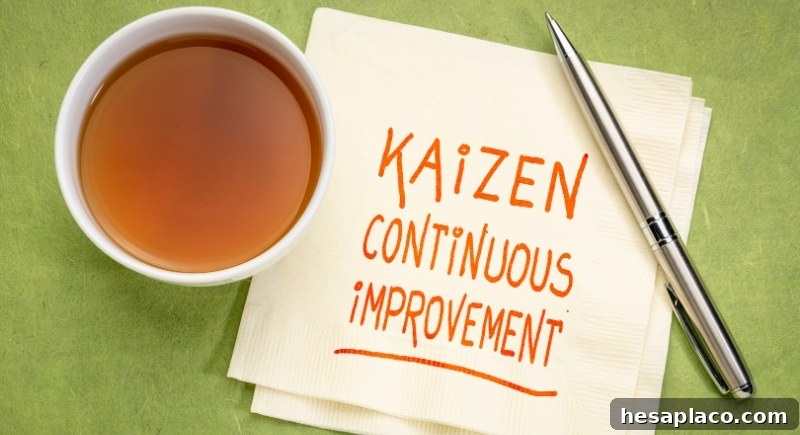
Kaizen focuses on continuous, incremental improvement rather than dramatic, exhausting overhauls. Tiny changes—five extra minutes of stretching, slightly improved meal prep, or a better email routine—compound into meaningful progress over time.
You Don’t Have to Master Things All at Once
Credit: Canva
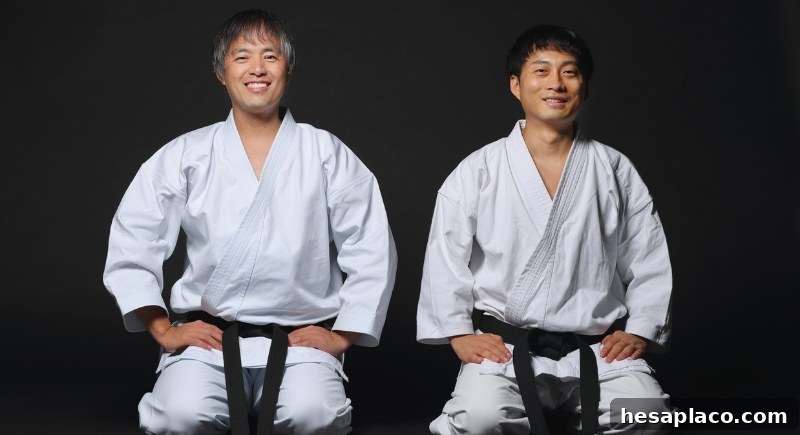
Shu-Ha-Ri breaks learning into three stages: follow the rules (shu), experiment and adapt (ha), then transcend them (ri). Used in martial arts, design, and software, this progression helps when building new habits—start with structure, then allow creativity and mastery to emerge naturally.
Taken together, these practices encourage a more intentional rhythm between work and life. They offer simple, timeless tools—acceptance, gratitude, small improvements, and mindful pauses—that help turn busy days into sustainable ones without denying the realities of modern life.