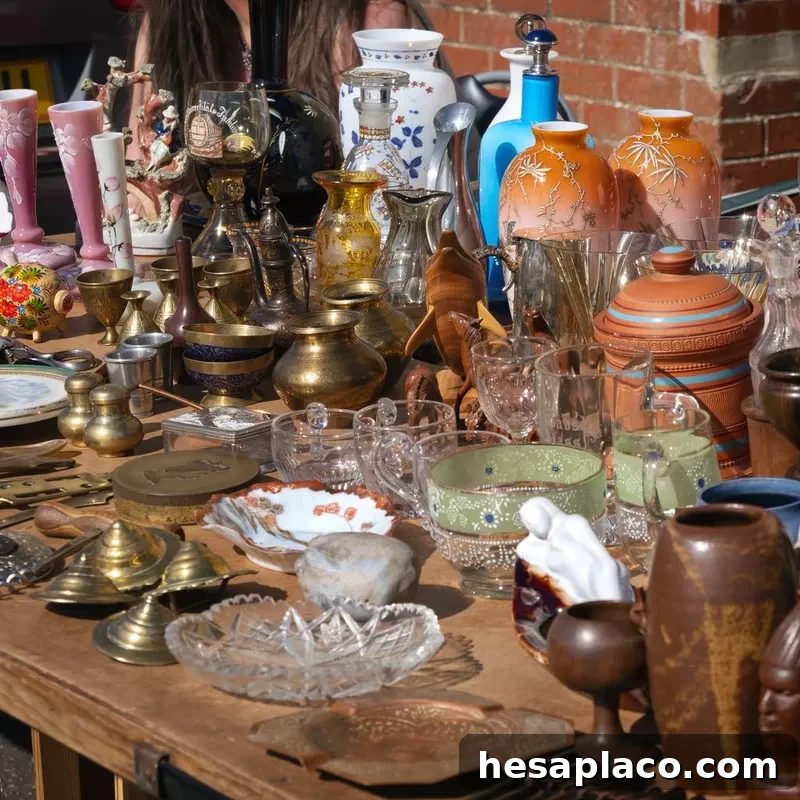
Many antiques and collectibles have lost value in recent years, and the reasons are not always about quality. In many cases, the decline comes from changing lifestyles, shifting tastes, and a market that has become crowded with items that were once considered rare or desirable.
Interest in traditional antiques has softened as younger buyers feel less connected to older styles and formal ways of living. Baby boomers are also downsizing, which has placed large amounts of antique furniture, china, and collectibles back on the market. At the same time, many modern homes no longer have formal dining rooms, large display cabinets, or extra storage space for items that are used only occasionally.
Millennials and younger buyers often have less disposable income for antiques. Many prefer affordable, lightweight, and easy-to-replace furniture, and they tend to spend more on experiences than on owning large collections of things. This has affected the resale value of many once-popular antiques.
Still, the antique market is not dead. Flea markets, estate sales, thrift stores, and vintage shops remain popular, and collecting often moves in cycles. Items that are inexpensive today may become desirable again in the future. For now, however, the following antiques and collectibles are generally worth less than they once were.
China Sets
Osman Ayaz / Getty Images
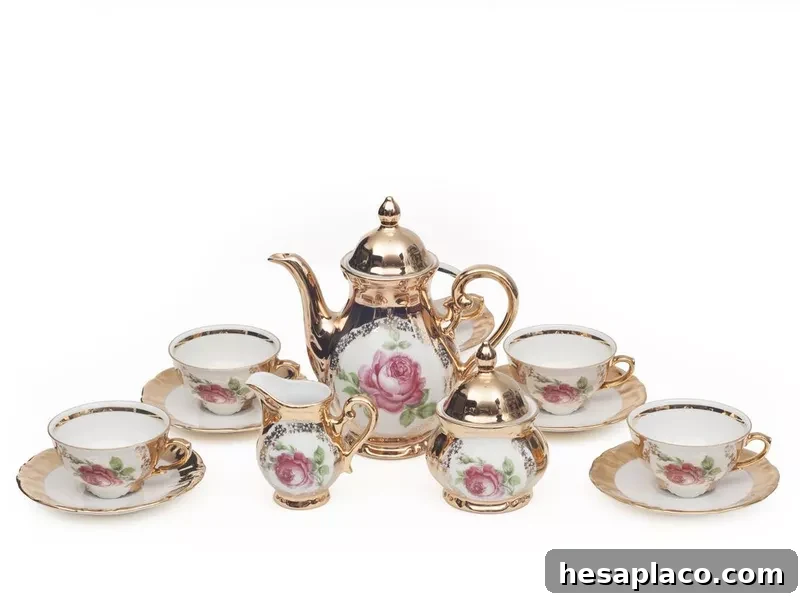
Fine china sets from names such as Royal Copenhagen, Royal Worcester, Lenox, and Wedgwood once brought strong prices at auctions and estate sales. Today, many antique china sets sell for far less than they did in the past, sometimes for less than half of their former value.
Complete sets can often be found at estate sales for around $150, yet they may still struggle to sell. Floral-patterned china, in particular, has lost much of its appeal compared with simpler or more modern designs.
The market for fine china is oversupplied. Many families inherited large sets but rarely use them, while younger buyers often lack the space or the desire to store dishes reserved for special occasions. Without the same demand from new collectors, resale prices have continued to decline.
Figurines
Lokibaho / Getty Images
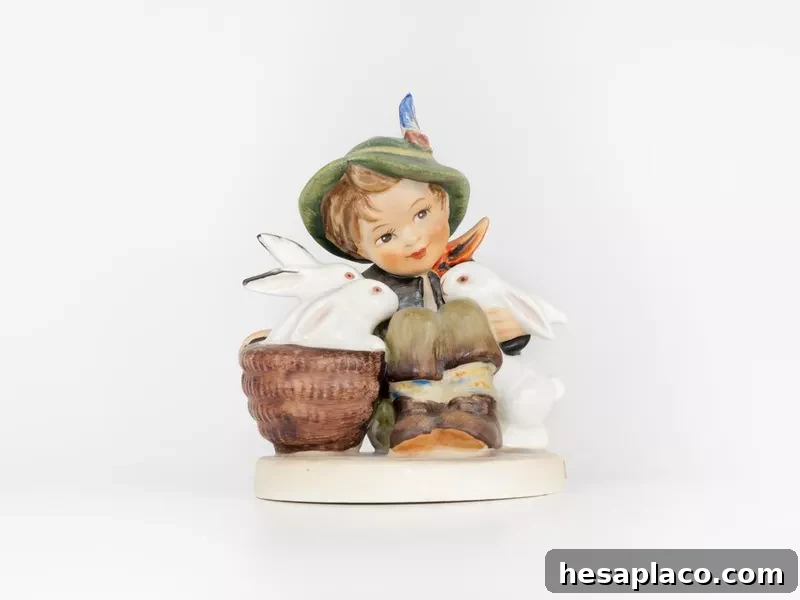
Figurines still have loyal collectors, but their resale value can vary widely. The biggest issue is that many figurines were produced in large numbers, making them less rare than buyers once believed.
Hummel figurines are a good example. Some of the earliest examples can still command strong prices, but many later pieces sell for only a modest amount. In some cases, common figurines can be found for just a few dollars.
The value of figurines often depends on age, condition, rarity, and whether the piece was part of a limited production run. Once manufacturers moved toward mass production, the market became flooded. When many identical items are available, collectors have less reason to pay high prices.
Pottery and Glassware
pkdirector / Getty Images/iStockphoto
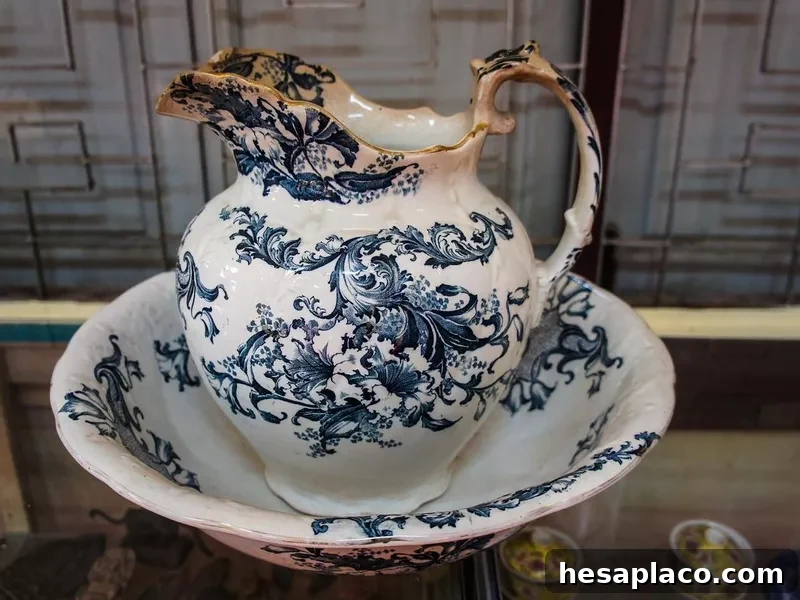
Some pottery and glassware can still be valuable, but many once-popular categories have fallen sharply in price. Depression glass, for example, was once a highly sought-after collectible. Today, most pieces sell for $10 or less, although the rarest examples may still reach the low hundreds.
Similar trends have affected other types of vintage glass and pottery, including Roseville pottery, milk glass, and carnival glass. These items were collected heavily for years, which helped create a large resale supply.
Changing home decor tastes have also reduced demand. Many buyers now prefer simpler, more neutral pieces rather than colorful display collections. Concerns about lead content in some older glassware have also made certain buyers more cautious.
‘Brown Furniture’
wolv / Getty Images
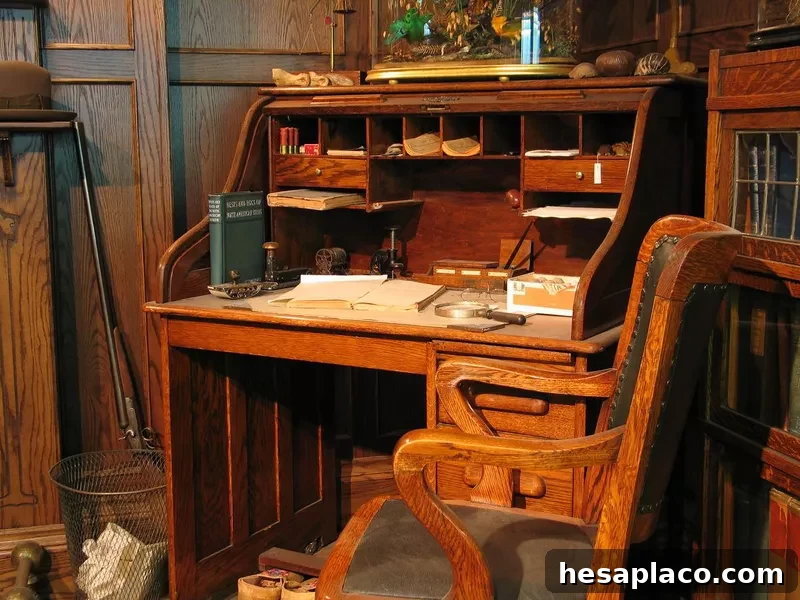
“Brown furniture” refers to heavy wooden furniture with dark brown or natural wood-tone finishes. This category includes roll-top desks, grandfather clocks, china cabinets, sideboards, buffets, and similar traditional pieces.
These antiques were once considered valuable and desirable, but their popularity has declined over the past several decades. Many younger homeowners prefer light, open rooms with minimal furniture and pale colors. Large, dark furniture can feel too formal or too heavy for modern interiors.
There is one advantage, however: older furniture was often built to last. Even if the antique resale value is lower than expected, many pieces can still be useful. Some owners paint, refinish, or update them to suit contemporary homes. While this may not appeal to antique purists, it can give solid furniture a second life.
Bedroom/Dining Room Sets
Wirestock / Getty Images
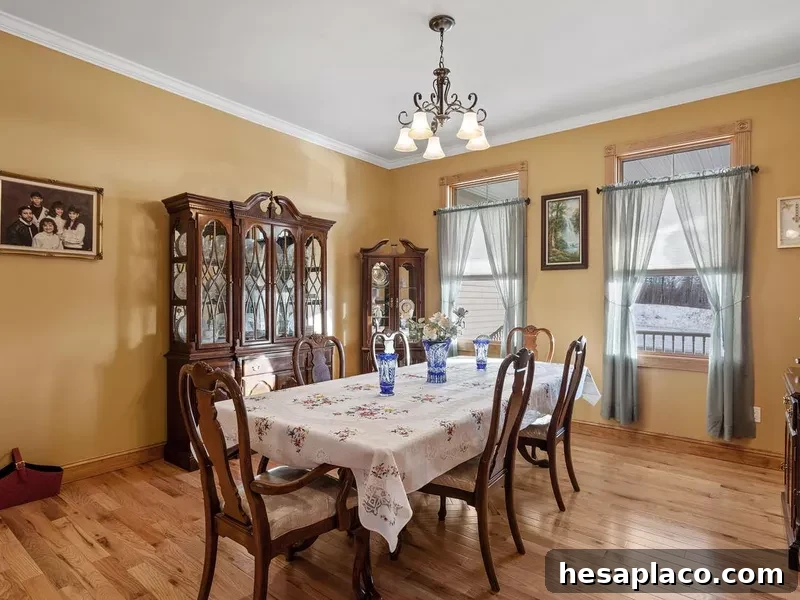
For many years, people bought bedroom and dining room furniture as matching sets. A bedroom set might include a bed, dressers, mirrors, and nightstands, all in the same style and finish. A dining room set often included a table, chairs, china cabinet, and sideboard.
Today, this perfectly coordinated look is often viewed as outdated. Modern buyers tend to mix styles, materials, and colors rather than purchasing an entire matching suite.
Lifestyle changes have also hurt the value of dining room sets. If a household does not collect china, a large china cabinet is unnecessary. If people do not host formal dinners for large groups, a sideboard or buffet may feel like wasted space. As a result, complete sets can be difficult to sell, even when they are well made.
Cookie Jars
Mark R Coons / Getty Images
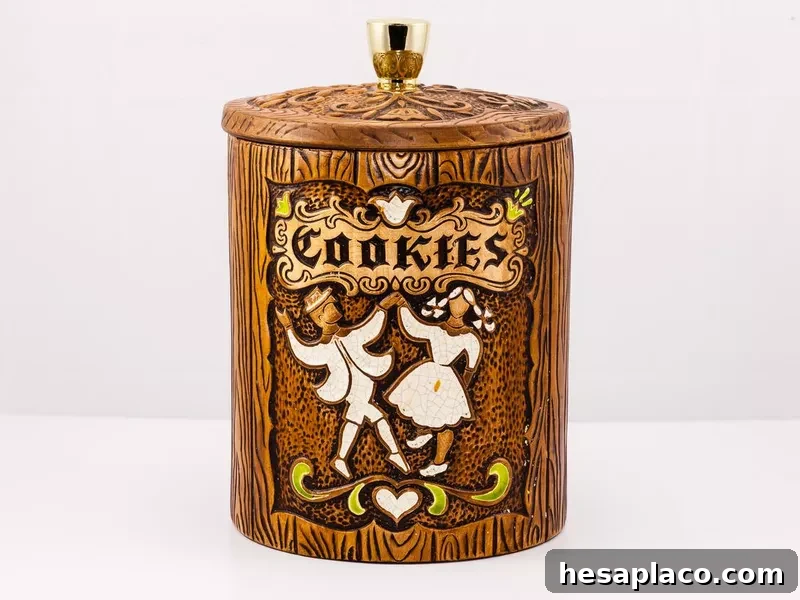
Vintage cookie jars were once charming kitchen collectibles. When Andy Warhol died in 1987, he left behind a large collection of vintage items, including 175 cookie jars. That collection sold at auction to one buyer for nearly $250,000.
Since then, the market has changed. Modern and minimalist home decor has made large collections of decorative cookie jars less appealing to many buyers. They take up space, and they do not always fit the clean look many people want in their kitchens.
Another problem is oversupply. Many cookie jars were mass-produced when they were popular, which means there are still plenty available. Because supply is high and demand is lower, prices have dropped. Today, many vintage cookie jars can be found for about $10 to $20.
Art

eBay
Art can be valuable, especially if it is an original work by a well-known artist. However, finding a long-lost masterpiece in a thrift store is unlikely. Most older framed art found at secondhand shops has little resale value, even if it is attractive or nicely framed.
Some works by known artists have also declined in value because the market became saturated. Thomas Kinkade is one example. His landscape art became extremely popular, and a company was created to reproduce and sell his paintings through hundreds of franchise galleries across the United States.
By 2010, Thomas Kinkade Signature Galleries went bankrupt. Reproductions were widely available, and online marketplaces made it easy for buyers to compare prices and find thousands of Kinkade pieces. When art is abundant, resale values often fall.
Collector Plates
eBay
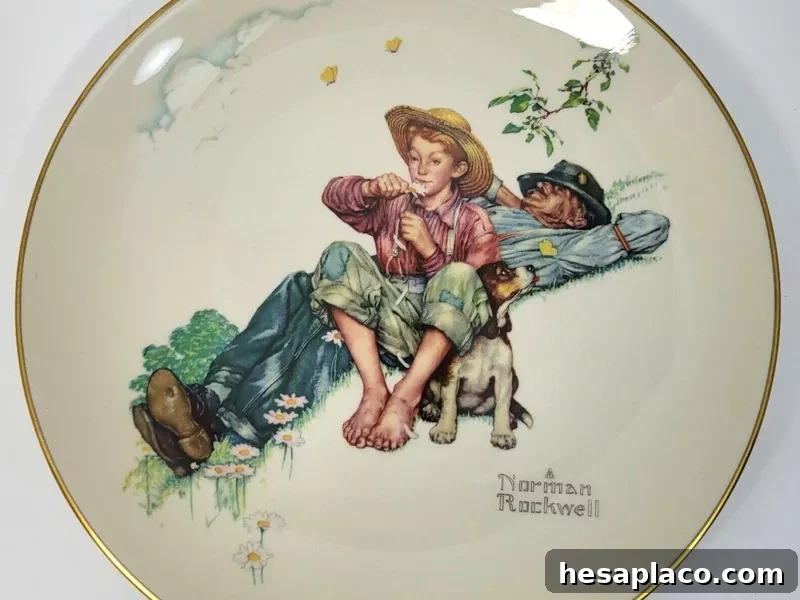
Collector plates were extremely popular in many homes during the 1980s and 1990s. They were often displayed on walls, shelves, or plate racks and were marketed as limited collectibles.
At their peak, many collector plates sold for $30 to $40 each. Over time, their value declined, and many can now be purchased for only a few dollars.
Older plates from the 1920s may still have value, depending on rarity and condition. However, plates made from the 1980s onward were often mass-produced. Because so many exist, most are not considered valuable in today’s antique and collectibles market.
Stamps
peterspiro / Getty Images
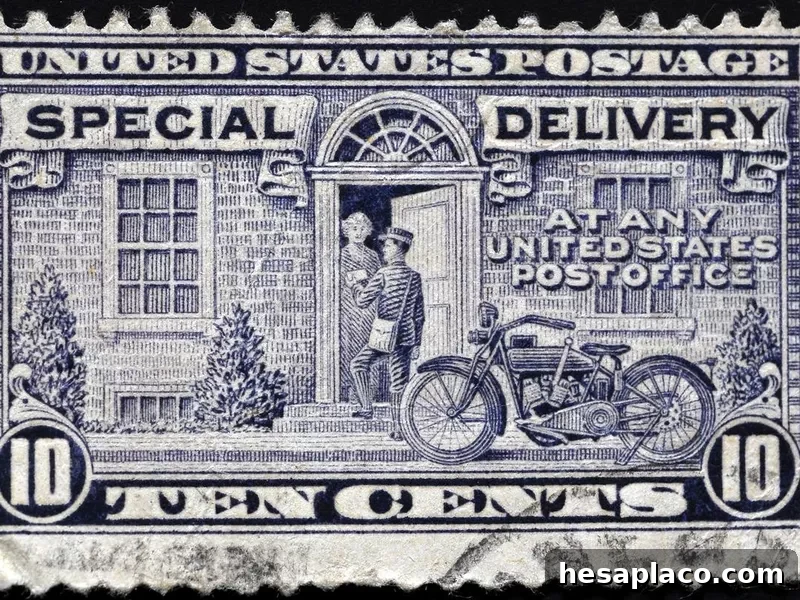
A stamp’s value depends on condition, age, rarity, and demand from collectors. Casual collectors who save stamps because they look interesting may later discover that their albums have little or no significant resale value.
This is especially true for beginner stamp albums, children’s collections, and stamps mass-produced during the past 70 years. These are the types of stamps many people own, but they are usually not rare enough to bring high prices.
That does not mean stamp collecting is not worthwhile. It can still be an enjoyable and inexpensive hobby. Stamps offer a look at history, culture, geography, and design. Even when a collection is not financially valuable, it can still be personally meaningful.
Porcelain Dolls
anzeletti / Getty Images
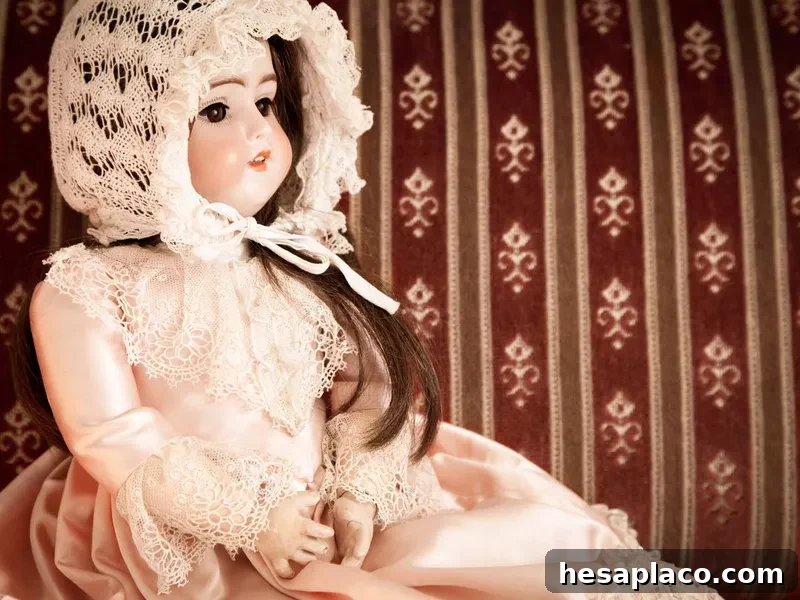
Some antique dolls can still sell for hundreds of dollars, especially if they are rare, old, and in excellent condition. However, most porcelain dolls have dropped in value and commonly sell for around $10.
Porcelain dolls are strongly associated with a specific era of collecting, and they do not appeal to many younger buyers. Their delicate appearance, formal clothing, and glassy expressions can feel dated rather than decorative in modern homes.
For many collectors, these dolls still hold sentimental value. From a resale perspective, though, most porcelain dolls are no longer the prized collectibles they once were. Like many antiques that have lost value, they show how quickly the market can change when taste, supply, and lifestyle all shift at the same time.