Debt has existed for millennia. Long before banks and paper money, it took the form of a promise: you lent a neighbor a sack of grain and expected repayment after the harvest, sometimes with a little extra. Over centuries, that trust evolved into loans and bonds that financed everything from castles to public infrastructure.
Today, borrowing is central to modern economies. Rather than a last resort, debt is a routine tool for financing growth and government activity. The United States alone carries more than $37 trillion in debt, and global sovereign and corporate debt totals run into the hundreds of trillions. That raises an important question: when countries are heavily indebted, who exactly is lending the money?
Citizens as Lenders
Images via Getty Images/DNY59
A large portion of government debt is held domestically by ordinary people and institutions. Governments issue bonds—essentially IOUs that pay interest—and sell them to banks, pension funds, insurance companies, and individual investors. These securities can have short or very long maturities, but the concept is straightforward: buy a bond today and receive repayment plus interest later.
Defaults by advanced economies are uncommon but not impossible, while emerging markets have faced defaults more frequently. In the United States, roughly 70% of federal debt is held at home by households, banks, mutual funds, pension plans and the Federal Reserve. When your bank invests in Treasury securities or your retirement fund holds government bonds, you are indirectly lending to your own country.
Borrowing From Abroad
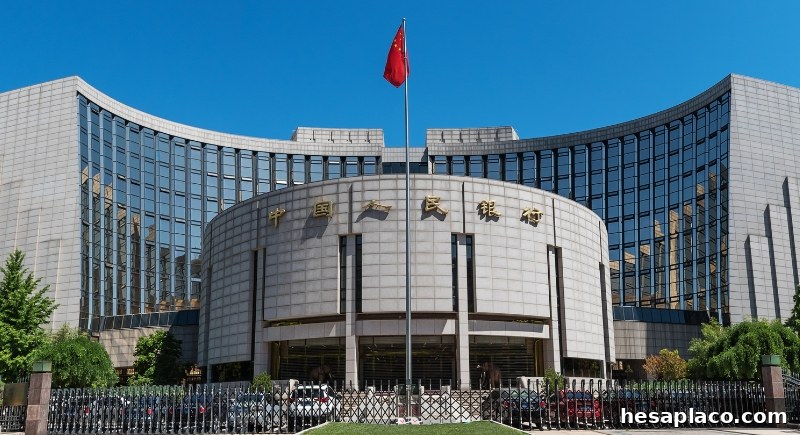
Image via Getty Images/bingdian
Foreign investors are another major source of financing. Countries, central banks and institutional investors around the world purchase foreign government bonds to park reserves or seek stable returns. Japan and China are among the largest foreign holders of U.S. Treasuries, while other nations hold substantial amounts of debt issued by their peers.
Likewise, American institutions hold foreign sovereign and corporate debt. Cross-border lending creates a web of financial interdependence—and with it, risks. When a country borrows in a foreign currency, exchange rate fluctuations can drastically increase debt-servicing costs. Many developing countries learned this hard lesson when dollar-denominated borrowings ballooned in local-currency terms after currency depreciations.
Governments Lending to Themselves
Governments sometimes end up lending to themselves through domestic accounts and trust funds. For example, social insurance funds that collect more in contributions than they immediately need may invest the surplus in government securities, effectively recycling money back to the treasury.
Central banks also influence government borrowing, though there are legal and operational limits. In the United States, the Federal Reserve cannot purchase Treasury securities directly from the Treasury; it buys them on the secondary market. During recessions or financial crises, the Fed may conduct large-scale purchases—quantitative easing—to stabilize markets and lower borrowing costs.
While excessive money creation has caused catastrophic hyperinflation in fragile economies like Zimbabwe and Venezuela, advanced economies have generally used central-bank interventions without triggering runaway inflation—though such policies carry trade-offs and must be managed prudently.
Why the System Keeps Going

Image via Getty Images/shironosov
Debt persists because it fuels economic activity. Government borrowing finances public projects, social programs and stimulus measures that increase demand, support employment, and help businesses grow. Those effects create a feedback loop: borrowed funds boost incomes and spending, which supports tax revenues and economic expansion.
Ceasing to borrow abruptly would force governments to cut spending sharply—reducing services, delaying investments and causing job losses. Because voters typically prefer growth over austerity, politicians seldom campaign on eliminating debt entirely. The challenge is balancing borrowing and spending so the economy grows without destabilizing public finances.
Conclusion
When countries carry debt, the obligations are rarely owed to an anonymous outside actor. Creditors include domestic households, banks, pension funds, insurers, foreign governments and investors, and sometimes government-controlled trust funds. Debt circulates through a complex network of domestic and international finance, funding public services and investments that keep economies functioning. The key risk lies in maintaining confidence: if lenders lose trust, what looks like manageable debt can quickly escalate into a fiscal crisis.