Starting college is one of the biggest transitions in a student’s life, and the first year often shapes the entire undergraduate experience. The best colleges for first-year students combine strong academics, supportive faculty, welcoming communities, meaningful campus traditions and plenty of ways to get involved.
From small liberal arts colleges to major universities, these schools stand out for helping new students feel connected, supported and ready to succeed.
15. Carleton College (Tie)
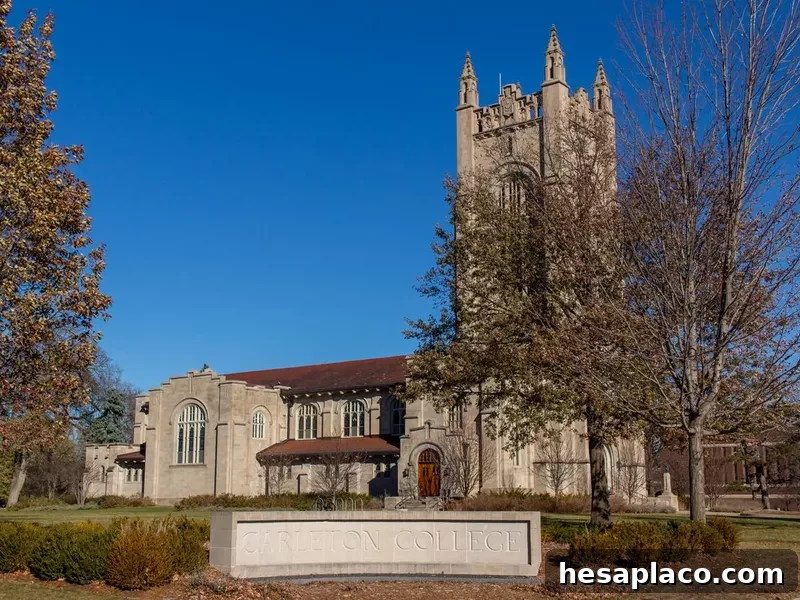
Cynthia Shirk / Getty Images
Year founded: 1866
Location: Northfield, Minnesota
Tuition: $62,634
Undergrad enrollment: 2,044
Note: These colleges are recognized for outstanding first-year experiences, based on the 2022–2023 rankings from U.S. News and World Report.
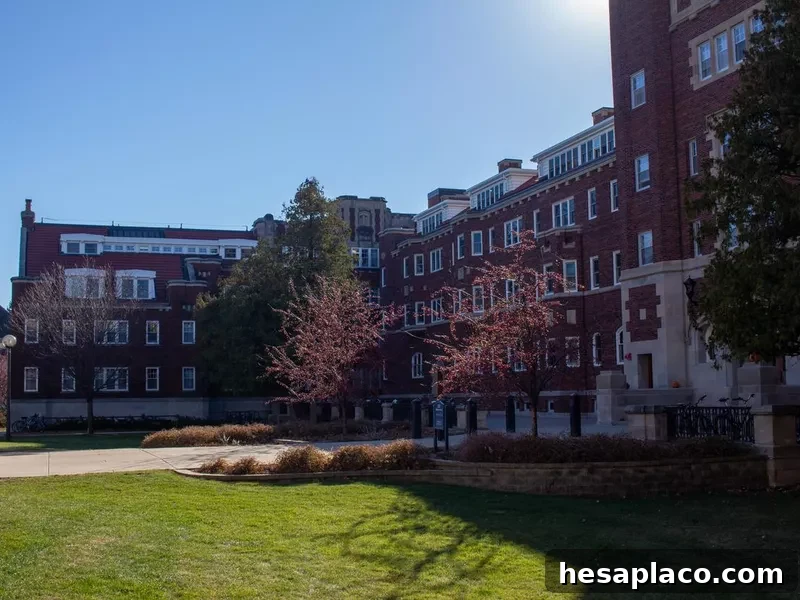
Bottom Line: Carleton College
Cynthia Shirk / Getty Images
Carleton College is a small private liberal arts school known for its welcoming, accepting atmosphere. Students often describe the campus as a place where different personalities and backgrounds are valued, making it easier for first-year students to find their people.
The college’s close community, supportive environment and approachable campus culture help new students feel at home quickly. With small classes and an emphasis on collaboration, Carleton creates a strong foundation for academic and personal growth.
15. Butler University (Tie)
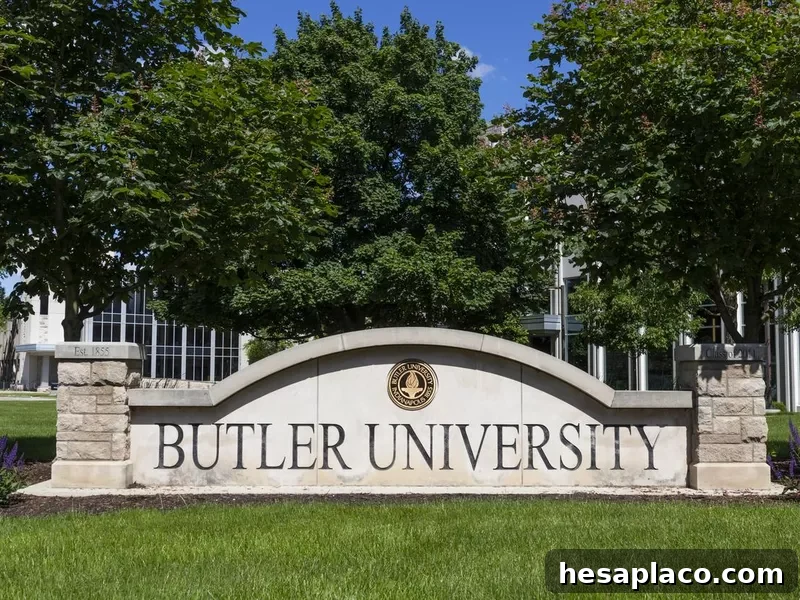
jetcityimage / Getty Images
Year founded: 1855
Location: Indianapolis, Indiana
Tuition: $44,460
Undergrad enrollment: 4,537
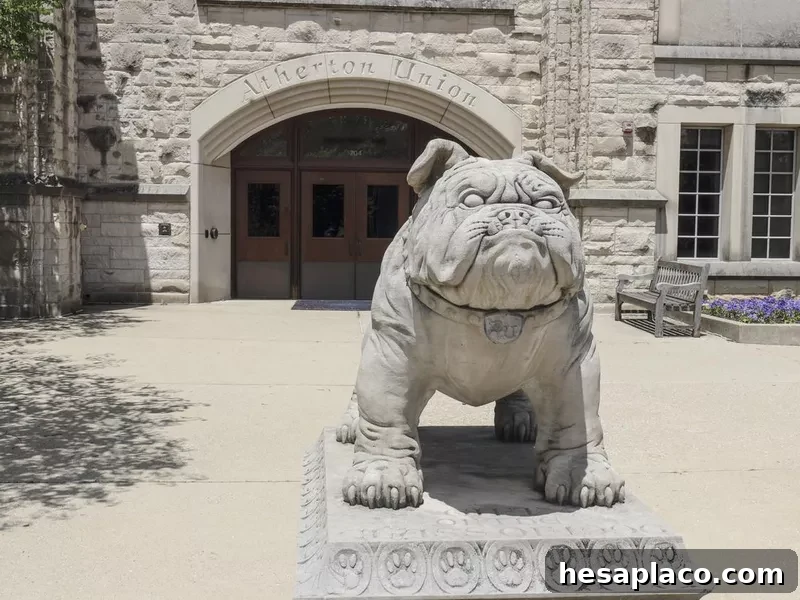
Bottom Line: Butler University
jetcityimage / Getty Images
Butler University offers the kind of close-knit college experience many first-year students want. Its small class sizes help students connect with professors and classmates early, creating a comfortable academic environment from the start.
Students praise Butler for its friendly community, strong relationships and supportive campus culture. For newcomers, that sense of connection can make the transition to college life much smoother.
15. Brown University (Tie)
kickstand / Getty Images
Year founded: 1764
Location: Providence, Rhode Island
Tuition: $65,146
Undergrad enrollment: 7,349
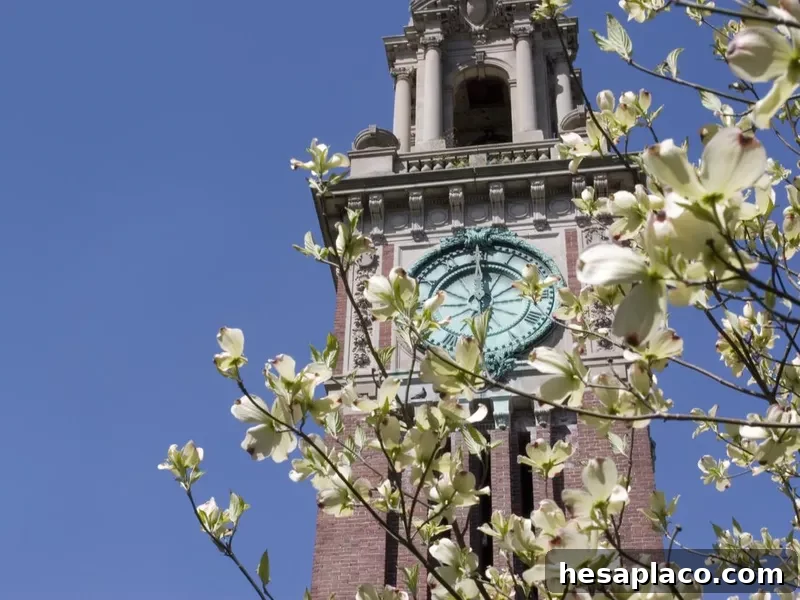
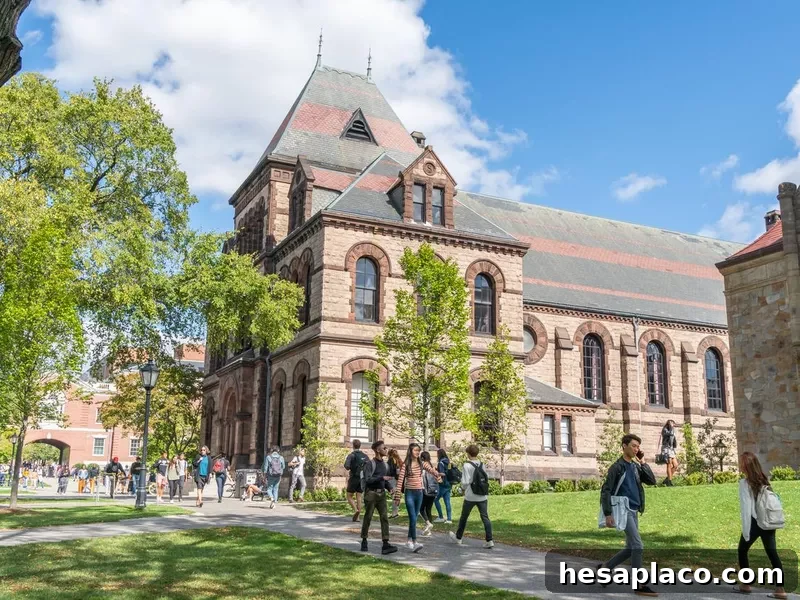
Bottom Line: Brown University
Wolterk / Getty Images
Brown University gives first-year students a strong sense of campus belonging. Because students are required to live on campus for the first six semesters, they have many opportunities to build friendships and become active members of the university community.
Brown also offers more than 500 student organizations, including arts groups, athletic teams, publications, Greek life and interest-based clubs. This wide range of options helps students explore their interests while forming lasting connections.
15. Bowdoin College (Tie)

Gwynfisher / Wikimedia Commons
Year founded: 1794
Location: Brunswick, Maine
Tuition: $61,528
Undergrad enrollment: 1,951
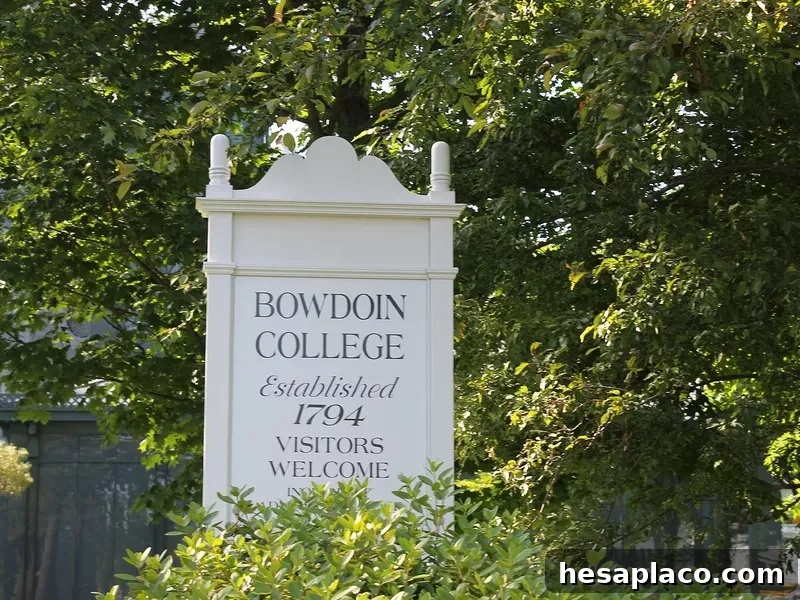
Bottom Line: Bowdoin College
Billy Hathorn / Wikimedia Commons
Bowdoin College helps first-year students settle in through residential life, more than 100 student organizations and college-owned social houses. Freshmen are required to live on campus, which encourages early friendships and a stronger connection to college life.
The school is known for academic rigor, but students also describe it as collaborative and friendly. Its supportive professors, strong alumni network and community-focused culture make Bowdoin a standout choice for students seeking both challenge and connection.
12. Yale University (Tie)
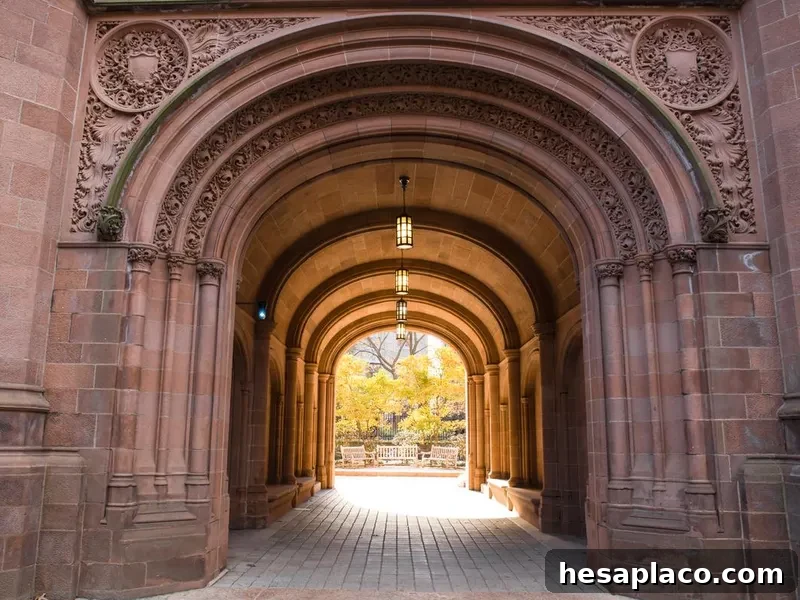
littleny / Getty Images
Year founded: 1701
Location: New Haven, Connecticut
Tuition: $62,250
Undergrad enrollment: 6,536
Bottom Line: Yale University
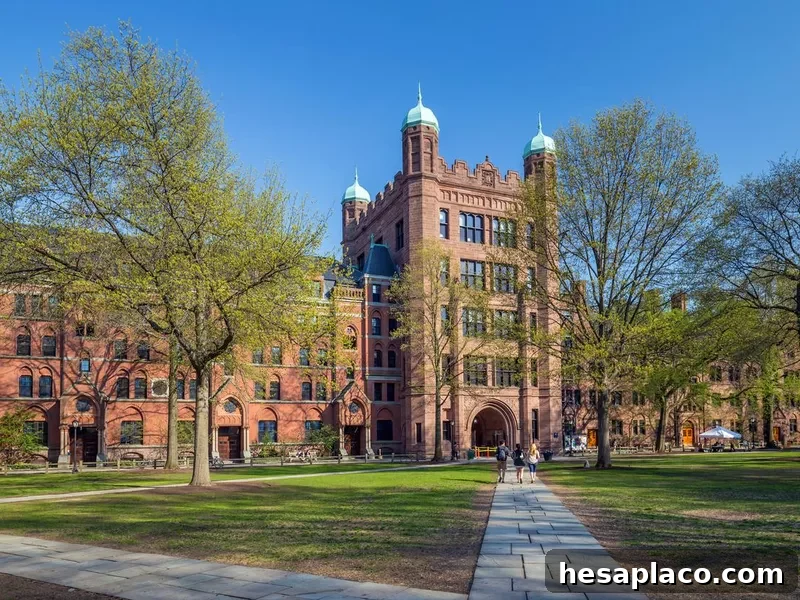
f11photo / Getty Images
Yale University offers first-year students a rich residential and academic experience. Students live in one of Yale’s 14 residential colleges, where they build close communities and interact with college leaders, including the head and dean.
Beyond the classroom, Yale is known for its drama, music, athletics and diverse social life. Students often describe the university as both intellectually stimulating and deeply supportive.
12. Boston College (Tie)
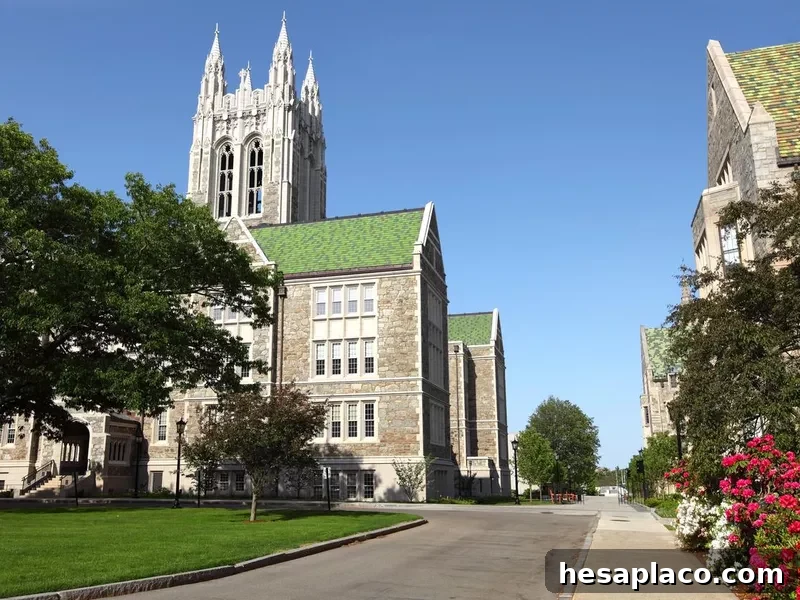
DenisTangneyJr / Getty Images
Year founded: 1863
Location: Chestnut Hill, Massachusetts
Tuition: $64,176
Undergrad enrollment: 9,532
Bottom Line: Boston College
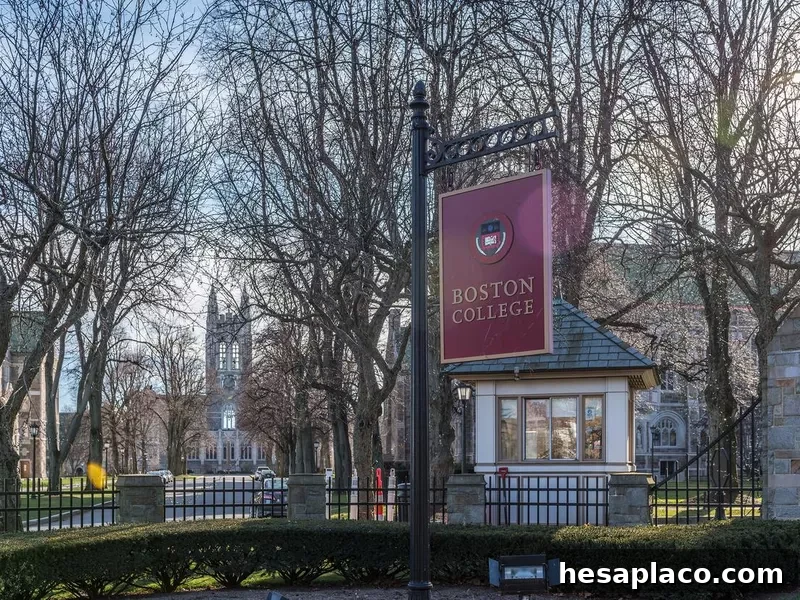
CHUYN / Getty Images
Boston College combines a traditional campus environment with access to one of the country’s most active college cities. Located near Boston, this private Jesuit university gives first-year students plenty of academic, cultural and social opportunities.
The university includes nine schools, nearly 30 NCAA Division I varsity sports and more than 200 student clubs and organizations. Students often highlight the school’s friendly atmosphere and balance of serious academics with an active campus life.
12. American University (Tie)
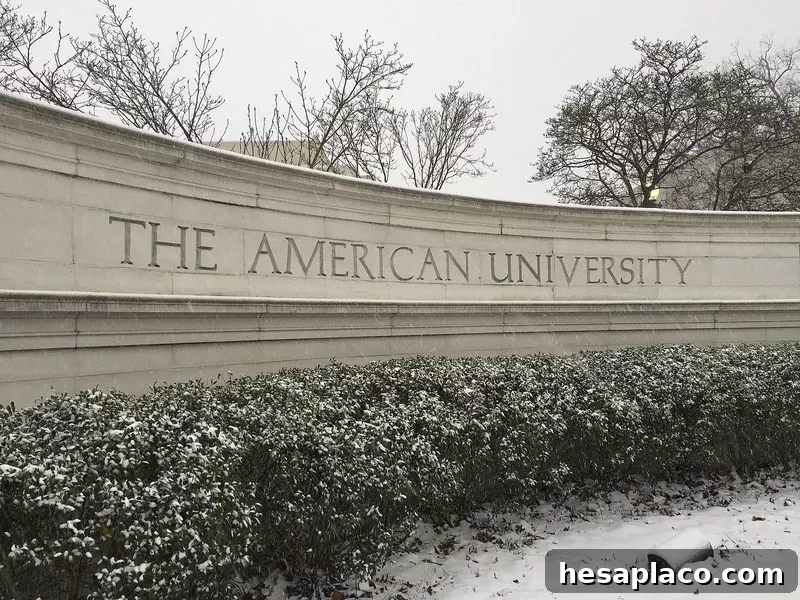
Samschoe / Wikimedia Commons
Year founded: 1893
Location: Washington, D.C.
Tuition: $53,889
Undergrad enrollment: 8,463
Bottom Line: American University
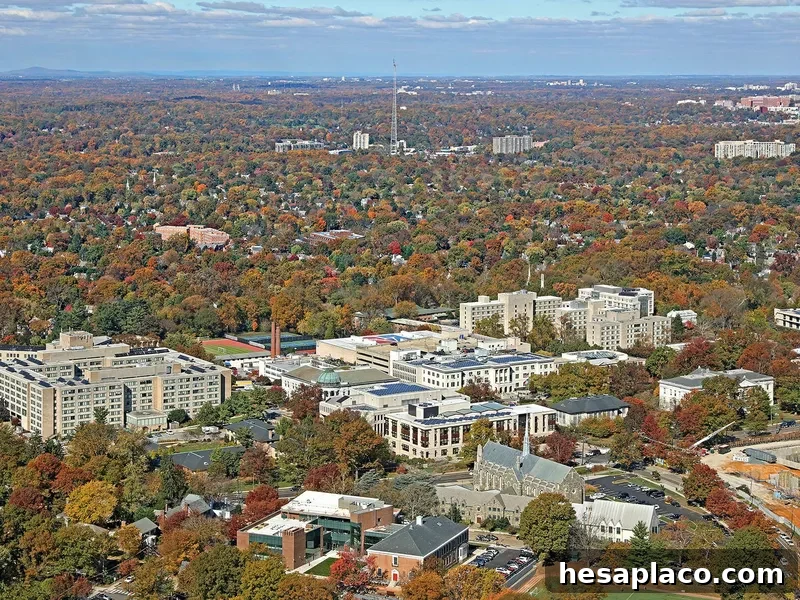
Duane Lempke / Wikimedia Commons
American University attracts students who are engaged, curious and interested in the world around them. Its Washington, D.C., location gives first-year students access to cultural, academic and professional opportunities while still offering a defined campus experience.
The university is known for political awareness, academic diversity and strong student involvement. With many organizations and clubs available, new students have multiple ways to connect with peers and faculty.
11. Beloit College

Wirestock / Getty Images
Year founded: 1846
Location: Beloit, Wisconsin
Tuition: $56,312
Undergrad enrollment: 1,011
Bottom Line: Beloit College
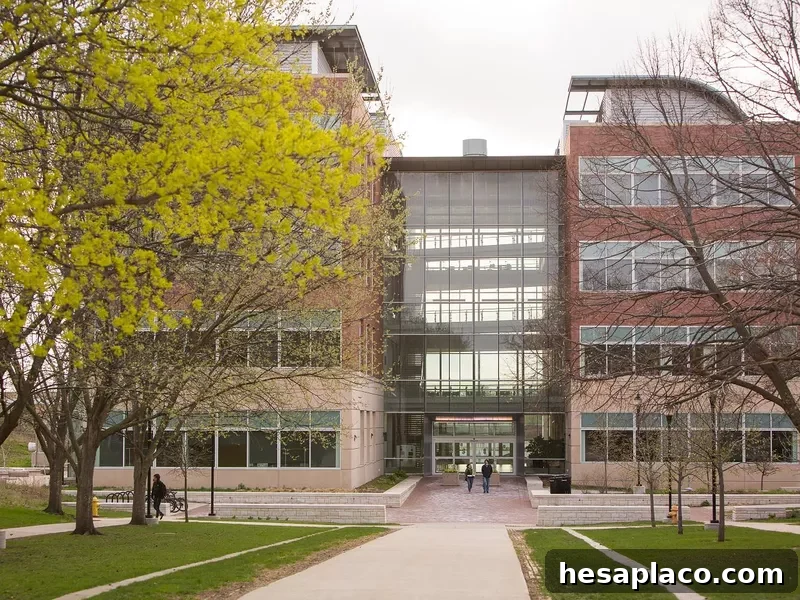
Trevor Johnson / Wikimedia Commons
Beloit College offers a highly personal first-year experience. With a student body of about 1,000, the college gives students the chance to build close relationships with classmates, professors and mentors.
Small classes and interdisciplinary learning help first-year students explore their interests in a supportive setting. Despite its size, Beloit offers an active campus culture with clubs, events and opportunities to feel involved.
10. Baylor University
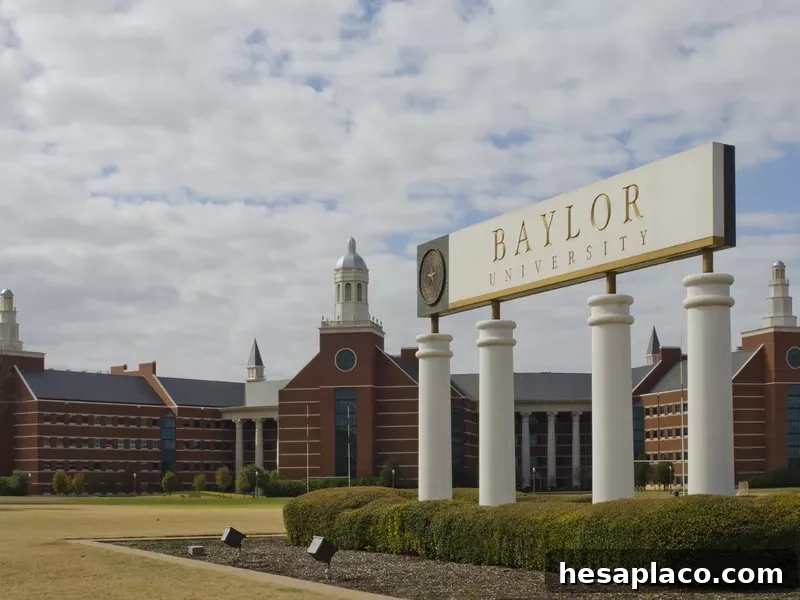
chapin31 / Getty Images
Year founded: 1845
Location: Waco, Texas
Tuition: $51,738
Undergrad enrollment: 15,191
Bottom Line: Baylor University
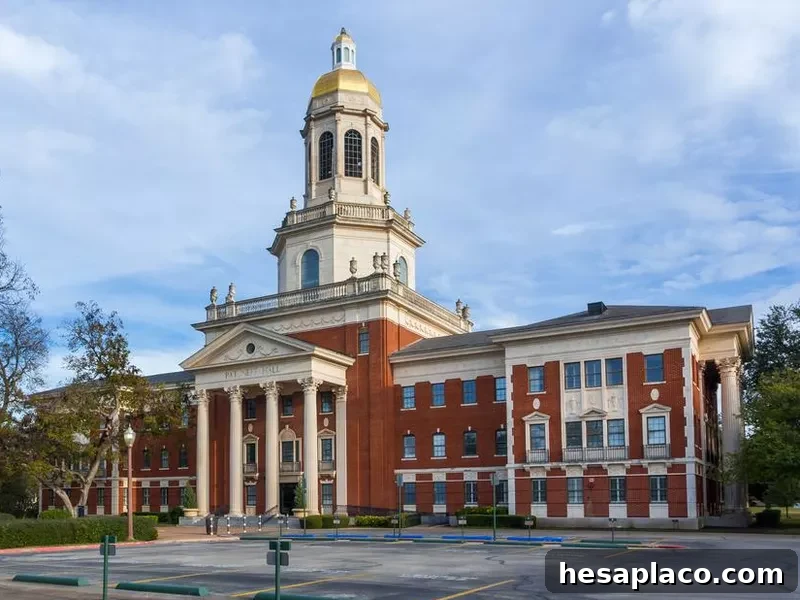
Strekoza2 / Getty Images
Baylor University gives first-year students the feel of a large private university while still emphasizing community. Supportive faculty, smaller classes and a wide range of student organizations help new students find a place on campus.
The university’s faith-based values and openness to different perspectives contribute to a well-rounded education. Many students appreciate Baylor’s strong sense of identity and the feeling of belonging it creates.
9. Princeton University
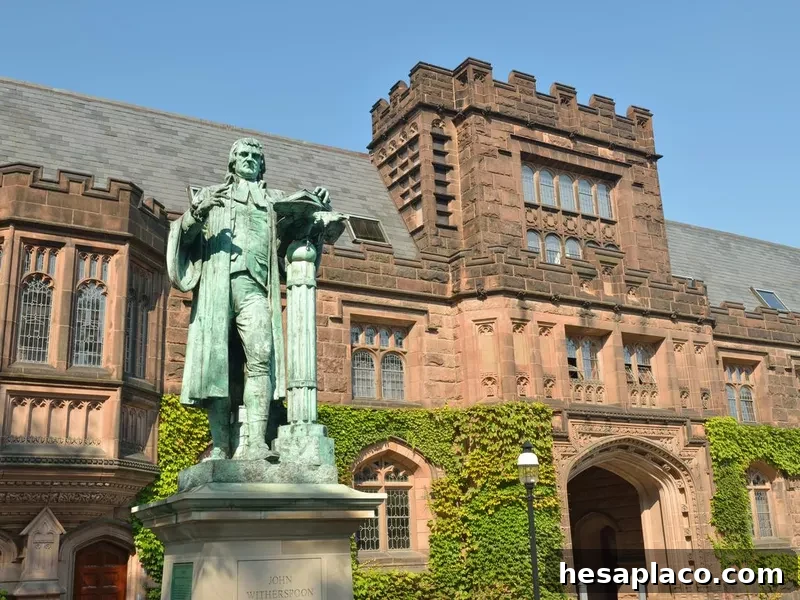
aimintang / Getty Images
Year founded: 1746
Location: Princeton, New Jersey
Tuition: $57,410
Undergrad enrollment: 5,321
Bottom Line: Princeton University
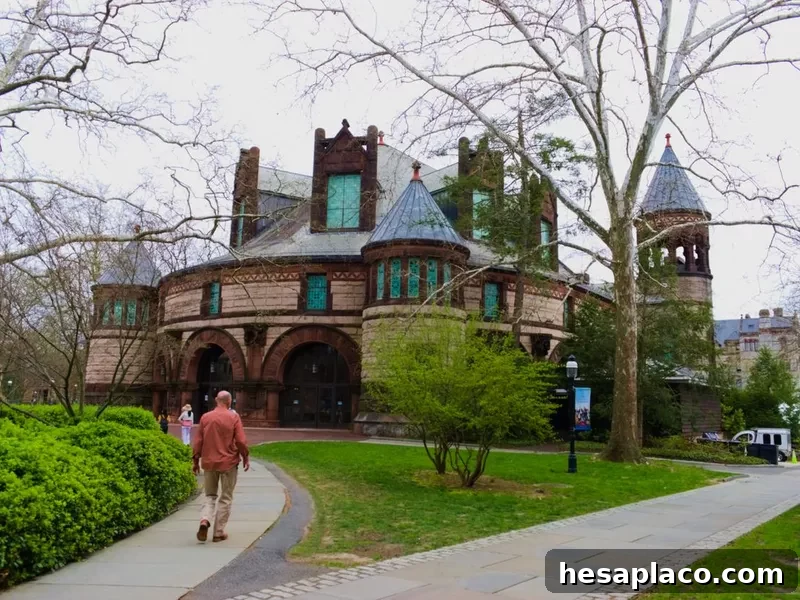
Xianghong Garrison / Getty Images
Princeton University offers a first-year experience centered on academic excellence and meaningful campus involvement. From the beginning, students encounter challenging coursework, thoughtful discussions and opportunities to engage with advanced research.
Smaller class sizes support close interaction with professors, while clubs, cultural events and extracurricular programs help students create a balanced and rewarding college life.
8. Abilene Christian University

Keithimus / Wikimedia Commons
Year founded: 1906
Location: Abilene, Texas
Tuition: $40,500
Undergrad enrollment: 3,560
Bottom Line: Abilene Christian University

Richard David Ramsey / Wikimedia Commons
Abilene Christian University stands out for its strong campus community and faith-based environment. Undergraduates are required to live on campus for their first two years, which helps students form friendships and become involved quickly.
The university offers more than 100 student organizations, along with Greek life and social clubs. Students also praise the strength of its undergraduate programs and the opportunities available for hands-on academic work.
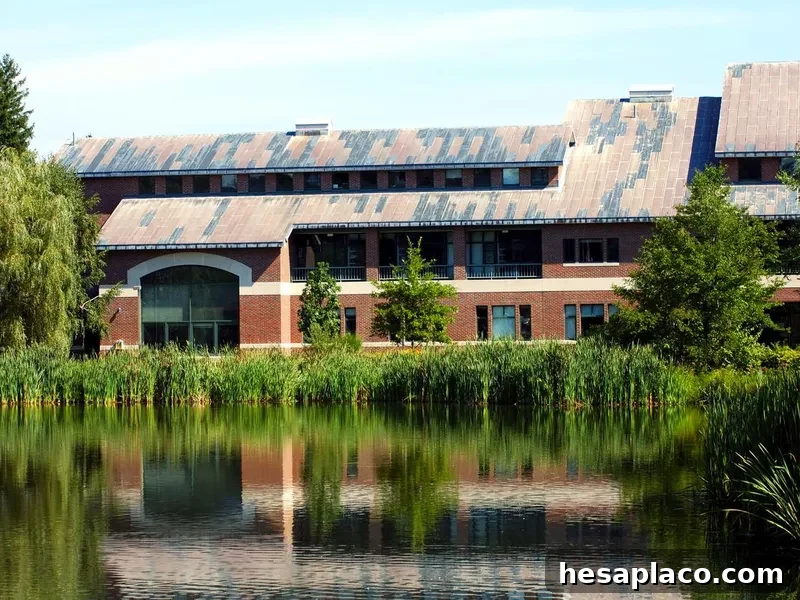
7. Bates College
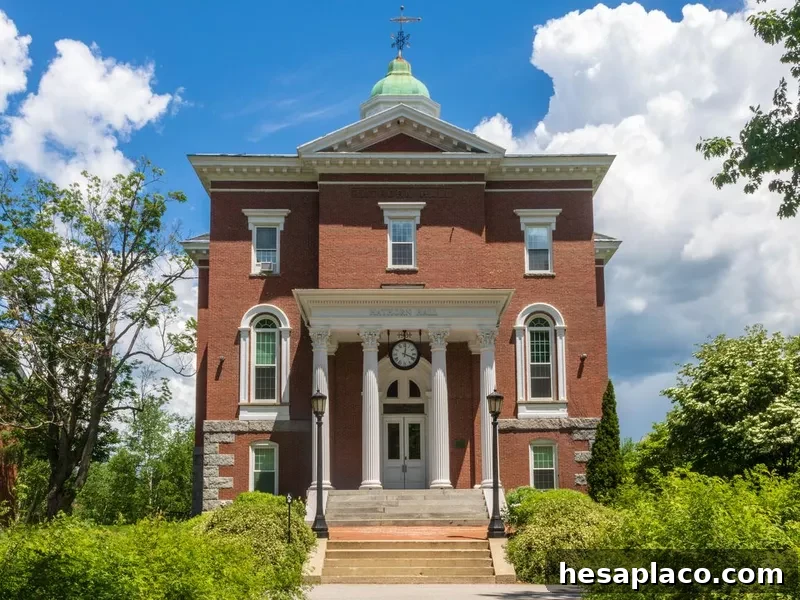
Jennifer Yakey-Ault / Getty Images
Year founded: 1855
Location: Lewiston, Maine
Tuition: $61,066
Undergrad enrollment: 1,821
Bottom Line: Bates College
gmnicholas / Getty Images
Bates College creates a smooth transition into college through an inclusive, supportive campus environment. First-year students benefit from a strong sense of community and a wide range of extracurricular activities.
The college’s focus on engagement encourages students to explore their interests, meet new people and expand their perspectives. Its scenic campus and friendly atmosphere add to the feeling of belonging.
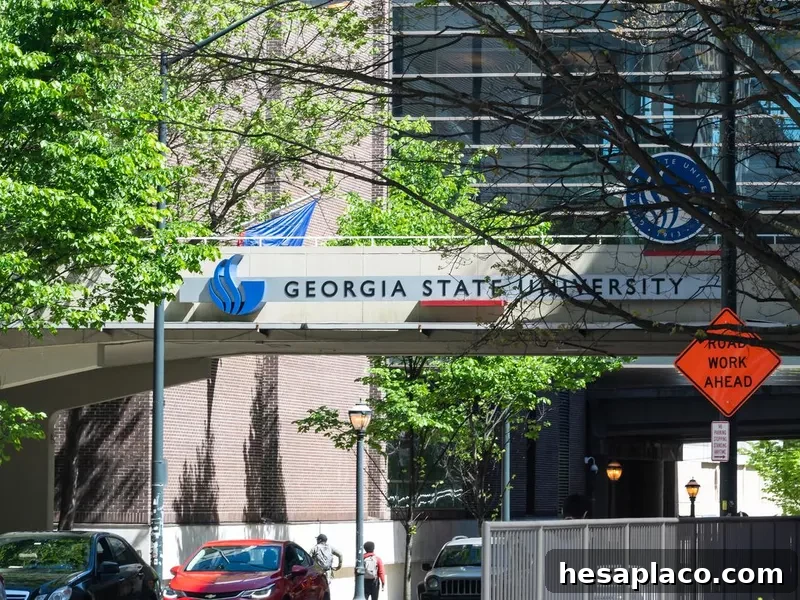
6. Georgia State University
ablokhin / Getty Images
Year founded: 1913
Location: Atlanta, Georgia
Tuition: $29,306 (out-of-state) / $10,268 (in-state)
Undergrad enrollment: 28,990
Bottom Line: Georgia State University

sshepard / Getty Images
Georgia State University offers first-year students the energy of an urban campus in Atlanta. The university emphasizes hands-on learning, including internship opportunities that help students gain practical experience early in their academic careers.
Its location gives students access to cultural attractions, professional networks and career-building experiences. It is also one of the more affordable schools featured on this list.
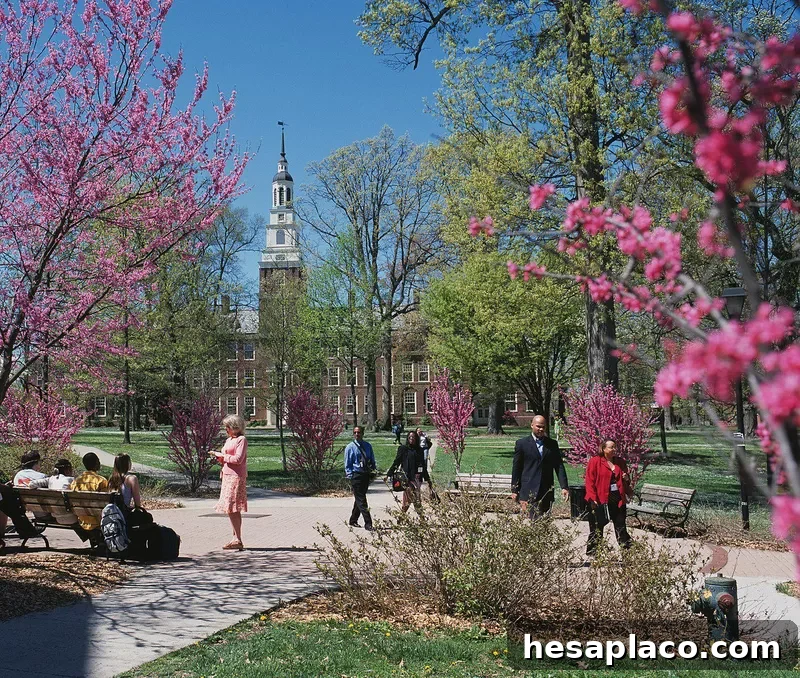
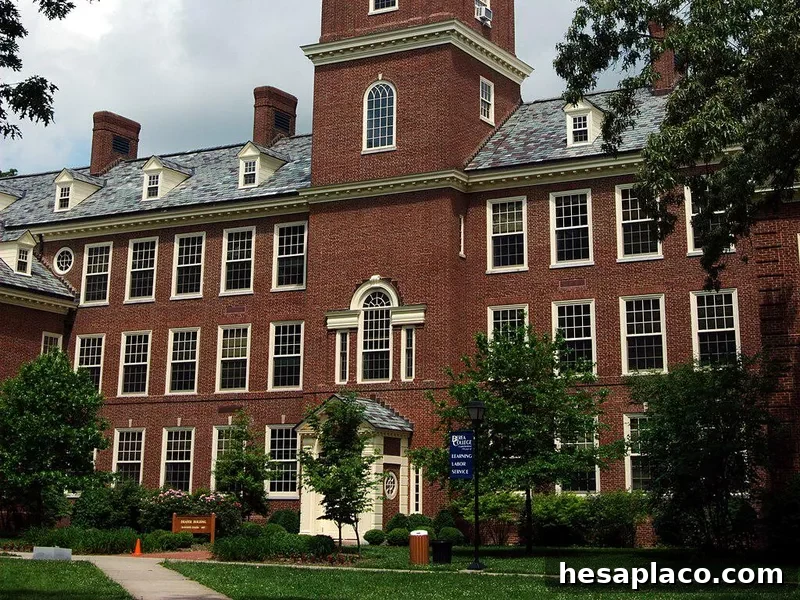
5. Berea College
Wikimedia Commons
Year founded: 1892
Location: Berea, Kentucky
Tuition: NA
Undergrad enrollment: 1,468
Bottom Line: Berea College
Parkerdr / Wikimedia Commons
Berea College is distinctive because of its emphasis on tuition-free education. This model allows students from many backgrounds to focus on their studies and become fully involved in campus life.
The college’s Labor Program gives first-year students the chance to contribute to the campus community while gaining work experience. This approach helps build responsibility, discipline and a strong work ethic.
4. Amherst College
DenisTangneyJr / Getty Images
Year founded: 1821
Location: Amherst, Massachusetts
Tuition: $64,100
Undergrad enrollment: 1,971
Bottom Line: Amherst College
WilshireImages / Getty Images
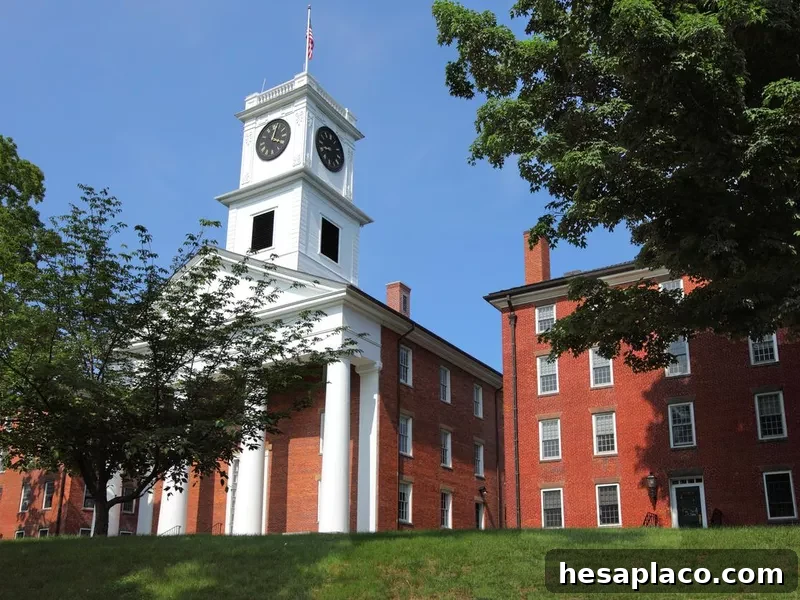
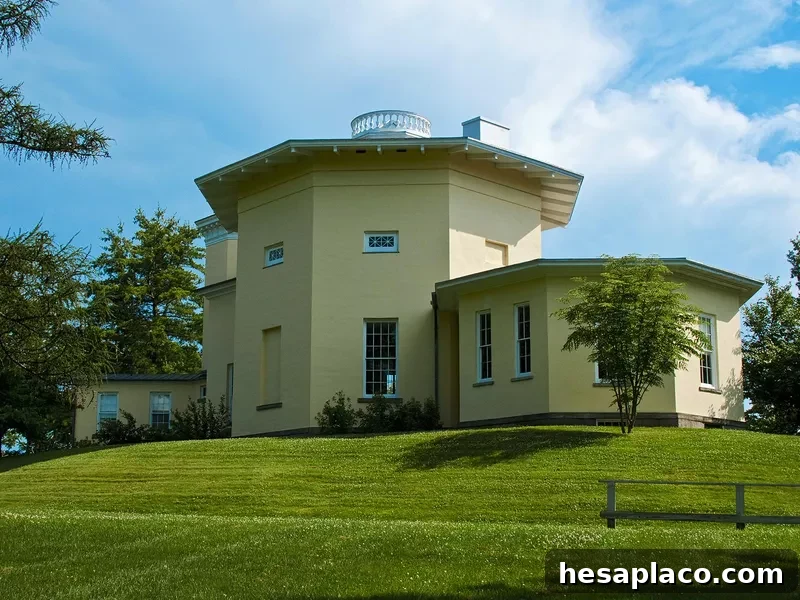
Amherst College is known for excellent academics and a welcoming community. Small classes help students receive individual attention, and professors are able to know students by name and support their development.
Amherst is also part of the Five Colleges consortium, allowing students to take courses at Smith, Mount Holyoke, Hampshire and the University of Massachusetts at Amherst. This expands both academic options and social opportunities.
3. University of South Carolina
Dfscgt21 / Wikimedia Commons
Year founded: 1801
Location: Columbia, South Carolina
Tuition: $33,928 (out-of-state) / $12,688 (in-state)
Undergrad enrollment: 26,864
Bottom Line: University of South Carolina
Wolterk / Getty Images
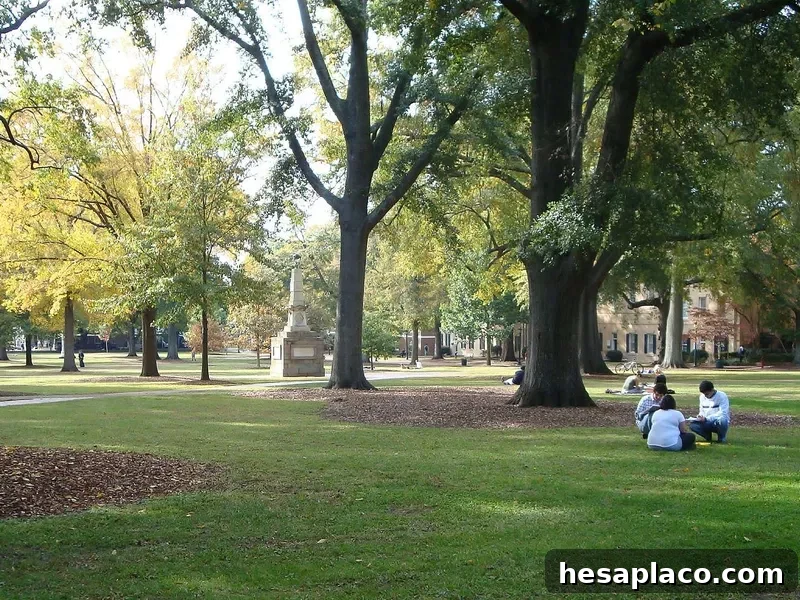
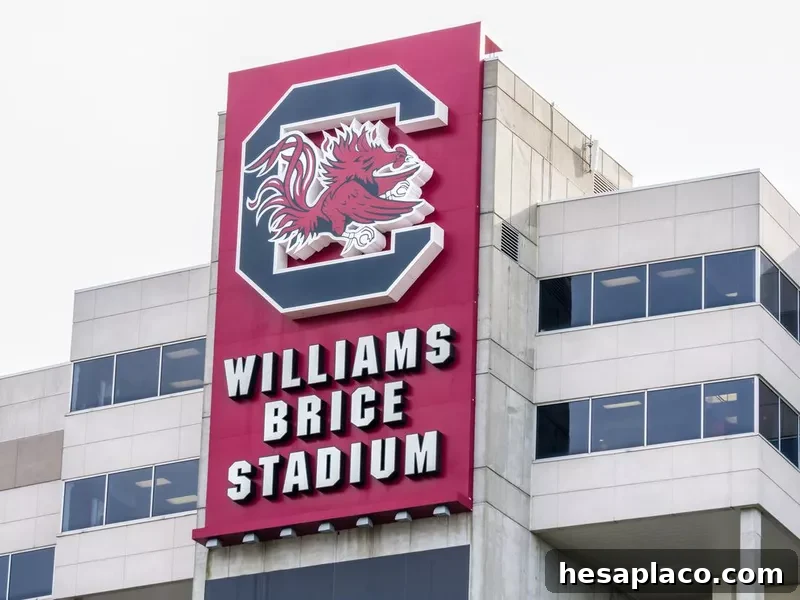
The University of South Carolina offers a lively first-year experience shaped by Southern charm, active campus life and many ways to get involved. Students can choose from a broad selection of clubs, organizations and events.
Located in Columbia, the university gives students access to cultural experiences, entertainment and internships. Strong academic programs and dedicated faculty further support students as they begin college.
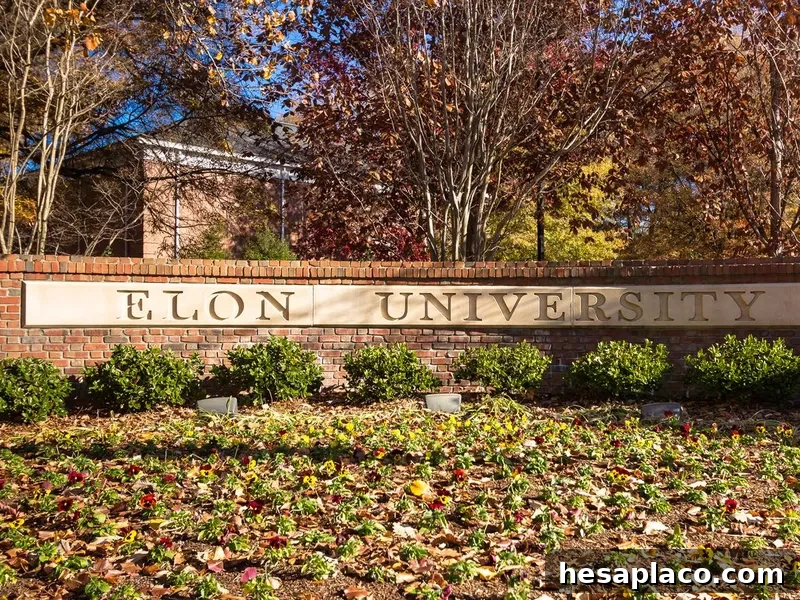
2. Elon University
BSPollard / Getty Images
Year founded: 1889
Location: Elon, North Carolina
Tuition: $42,241
Undergrad enrollment: 6,302
Bottom Line: Elon University
BSPollard / Getty Images
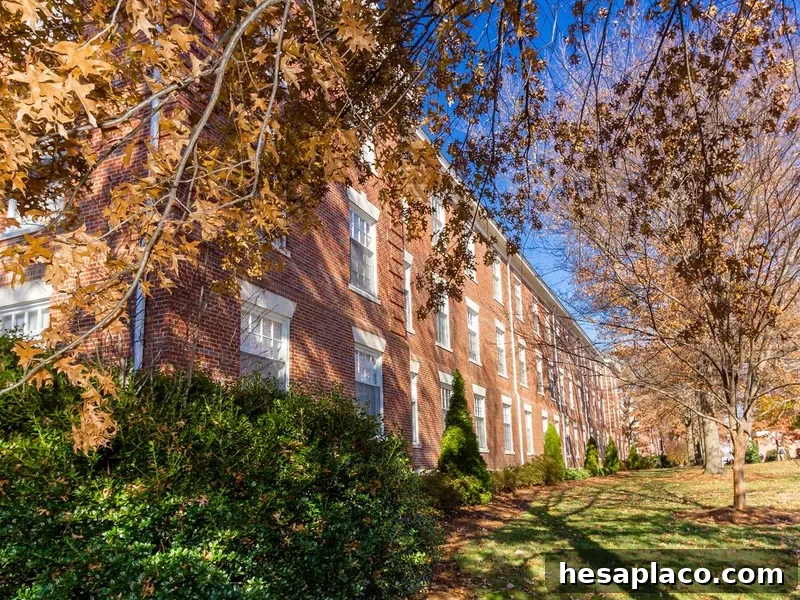
Elon University is recognized for its close community and emphasis on engaged learning. First-year students can become involved through clubs, campus events, community-service projects and academic programs designed to encourage participation.
Students and families often describe Elon as supportive, well-run and caring. Its advising system and community atmosphere help new students feel settled and confident.
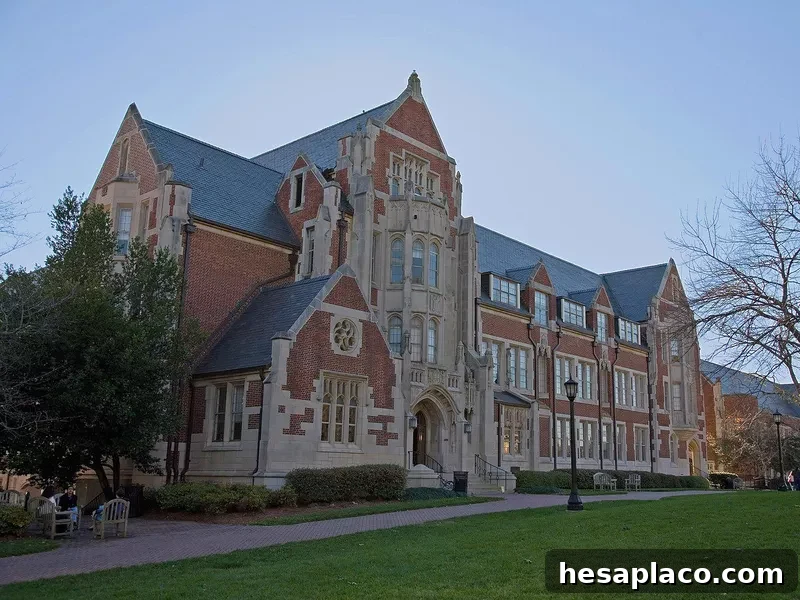
1. Agnes Scott College
Diliff / Wikimedia Commons
Year founded: 1889
Location: Decatur, Georgia
Tuition: $45,786
Undergrad enrollment: 1,063
Bottom Line: Agnes Scott College
Agnes Scott College / Facebook
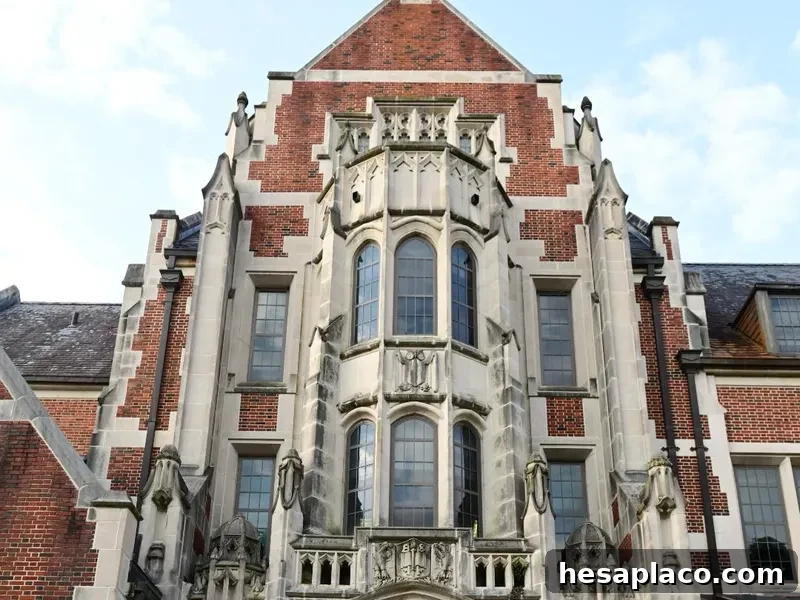
Agnes Scott College ranks No. 1 for first-year experience on this list and is the only non-coed college included. The college focuses on women’s leadership, global perspectives and meaningful academic discussion.
Small class sizes help students form strong relationships with professors and classmates. Co-curricular activities, internships and research opportunities further support the college’s goal of developing confident, capable leaders.