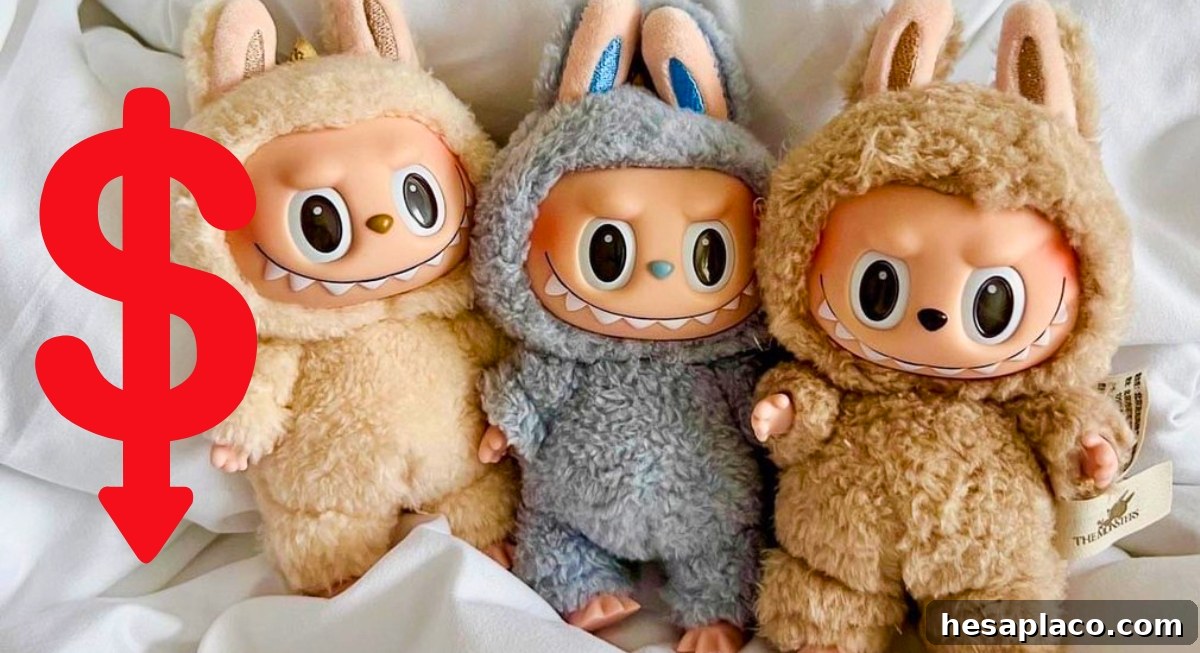
Labubu is trending because it’s irresistibly cute and because many people feel financially squeezed. When expensive luxuries are out of reach, consumers often choose small, meaningful purchases. Pop Mart’s goblin-faced Labubu figurine has become a surprising economic indicator—an emotional barometer that reveals consumer mood more vividly than quarterly reports.
Labubu Is the Latest Face of the Lipstick Effect
Credit: flickr
The term “lipstick effect” was popularized by Leonard Lauder after he observed Estée Lauder’s lipstick sales rising after 9/11. Labubu fits the same pattern today: rather than splurging on expensive items, people spend around $15 on blind-box collectibles that feel like an affordable indulgence. These small purchases provide a sense of treat and normalcy when larger comforts feel unattainable.
Even Rihanna’s in on It

Credit: Instagram
In April 2024, Rihanna was photographed with a Labubu charm on her handbag during a Fenty shoot in Los Angeles. Her casual endorsement wasn’t part of a paid campaign, yet it triggered a rapid spike in interest: Google searches for “Labubu” rose by about 62% in the following 48 hours, according to Google Trends. Celebrity sightings like that amplify demand and push collectibles further into mainstream visibility.
Blind Boxes Offer Surprise in a Predictable World
Credit: flickr
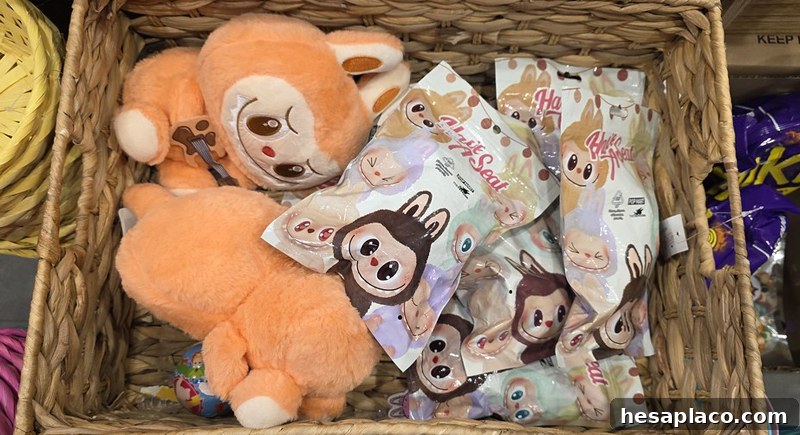
Blind-box toys like Labubu play on the appeal of surprise. Research in consumer psychology shows that unpredictability during shopping elevates dopamine and creates pleasure. Opening a blind box offers a small thrill—similar to gambling but with lower stakes and a physical keepsake—making it a satisfying ritual in uncertain times.
Pop Mart’s Latest Drop Sold Out in 23 Minutes
Credit: Wikimedia Commons
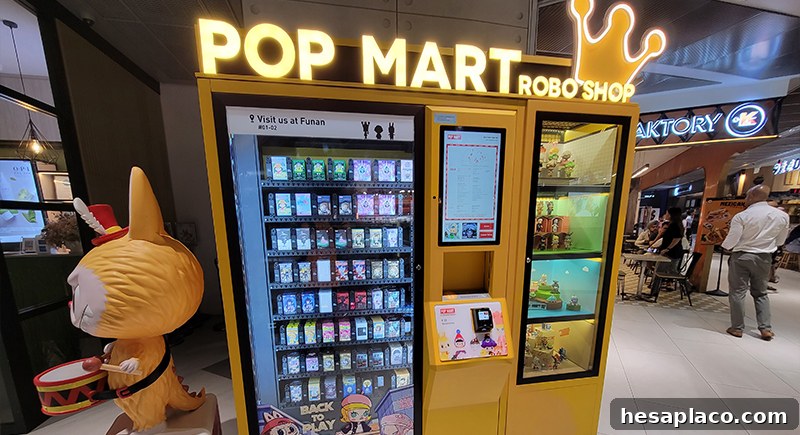
In May 2025, Pop Mart launched the “Labubu Pirate Treasure” series across Asia, and the online release sold out within 23 minutes. Fans camped outside stores in Seoul and Bangkok to secure boxes priced at about $13 each. Limited-edition pieces, such as the “Captain Labubu,” quickly appeared on resale platforms and were commanding prices well over $400, demonstrating how scarcity fuels collector demand.
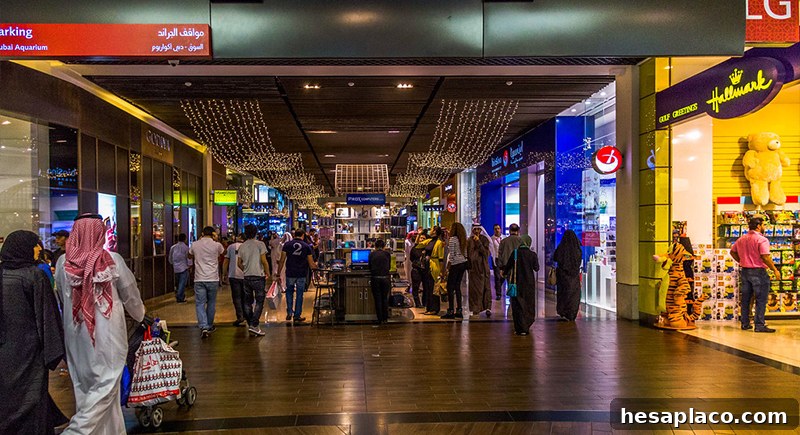
Dubai Mall Saw 2-Hour Lines for a Toy
Credit: flickr
At the Mall of the Emirates in Dubai, a Labubu drop drew more than 500 people who queued for over two hours before doors opened. Security had to turn away latecomers. Even with inflation in the UAE affecting prices, shoppers spent significant sums on blind boxes—a sign that these small luxuries retain power in spending decisions.
Lisa from Blackpink Is Another Clue

Credit: Instagram
Lisa from Blackpink shared an Instagram Story in February 2024 showing her unboxing three Labubu figures backstage in Tokyo. That clip was reshared hundreds of thousands of times within a day and coincided with a 36% sales surge at Pop Mart’s Tokyo store the following weekend. Social media moments like this convert curiosity into immediate retail impact.
Labubu’s Resale Value Beats the S&P 500
Credit: Reddit
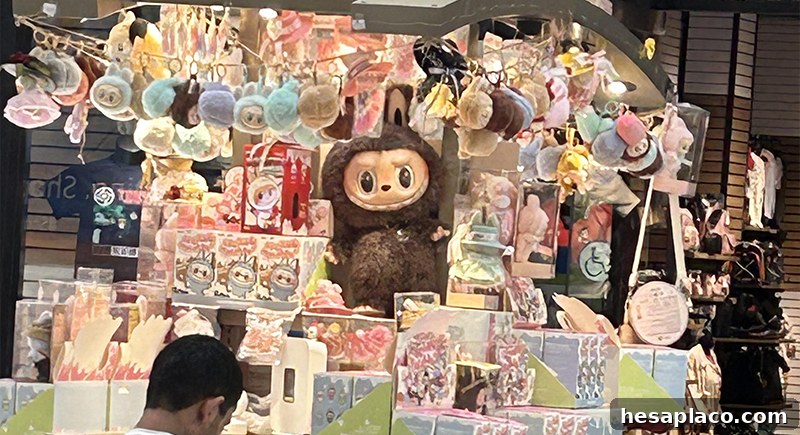
Between 2023 and 2025, some rare Labubu figures appreciated by more than 1,200%, far outpacing mainstream market returns such as the S&P 500’s roughly 9.4% gain in 2024. A “Secret Labubu” variant originally sold for under $15 and has since traded for several hundred dollars on resale sites. This kind of speculative secondary market underscores how collectibles can act as micro-assets for some buyers.
Economic Scarcity Becomes Aesthetic
Credit: Instagram
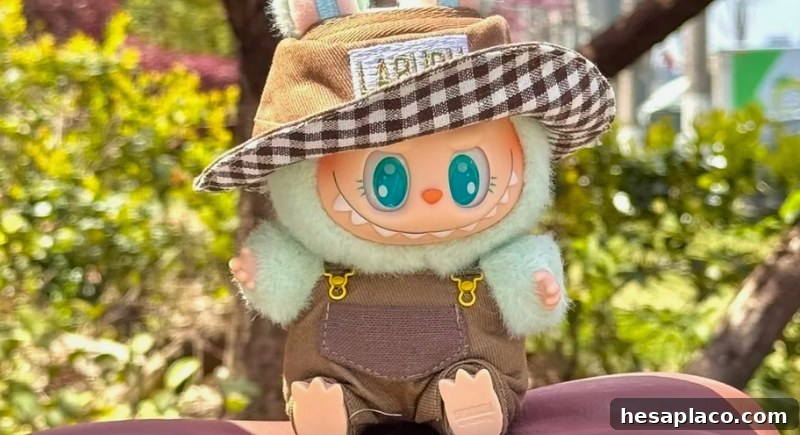
Trends like long skirts, rugged workwear, and Labubu figurines feed the so-called “recession-core” aesthetic. Fashion and consumer goods borrow visual cues from blue-collar styles, turning utility and modesty into a statement. For many people, owning a small collectible becomes a way to project resilience or style when broader financial stability feels out of reach.
Pop Mart Is Printing Billionaires, Not Jobs
Credit: Wikimedia Commons
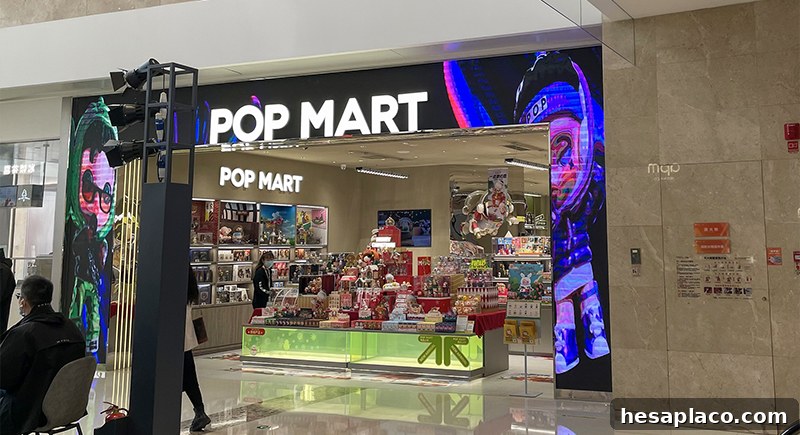
Pop Mart’s CEO became exceedingly wealthy as the company capitalized on the collectible craze, while broader employment challenges persist. That contrast—company elites benefiting financially while many young people face unstable job prospects—highlights a larger social tension. Labubu’s success has helped create substantial private wealth even as many consumers struggle.
Your Brain Wants the Hit, Not the Toy
Credit: Instagram
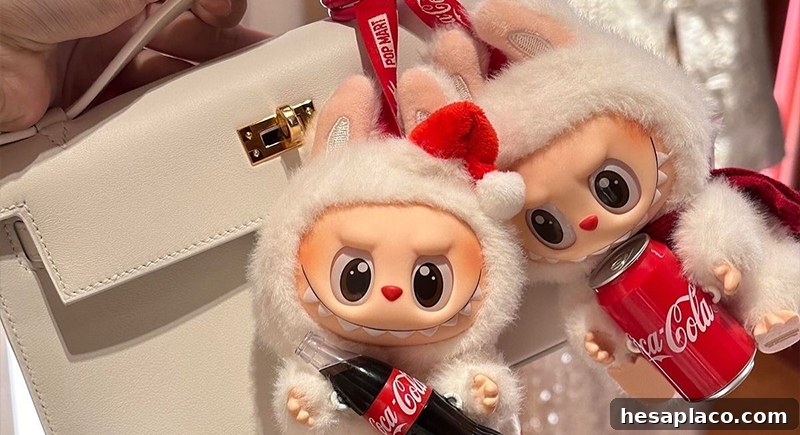
Behavioral economists point out that financial stress alters decision-making. Consumers often seek emotional boosts rather than rational investments. Neuropsychological research shows that blind-box purchases activate reward centers in the brain, generating a dopamine hit similar to small forms of gambling. For many buyers, the emotional payoff matters more than the object itself.
Food as Fashion Is a Telling Symptom

Credit: Wikimedia Commons
Celebrity moments that glamorize everyday items—like posing with cereal or using vegetables as props—reflect a broader cultural shift where routine necessities are styled as desirable. Labubu fits into this landscape, where small, everyday objects are repurposed as markers of taste, identity, or resilience.
It’s the New Beanie Baby—But Grown-Up
Credit: flickr
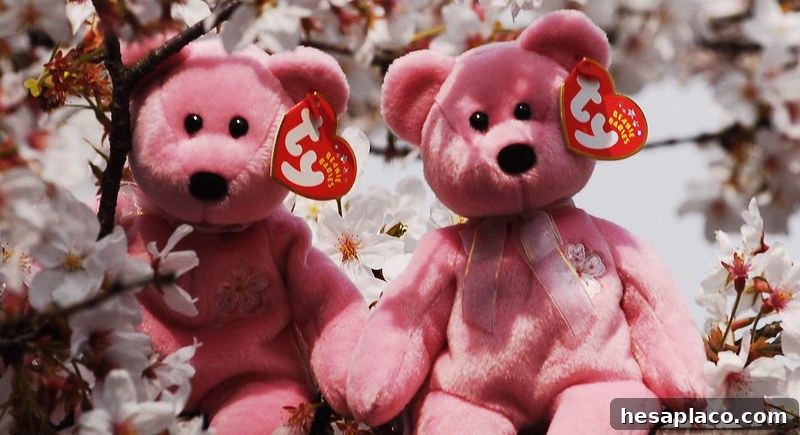
Much like Beanie Babies in the 1990s, Labubu has become a collectible phenomenon—but aimed squarely at adults. A Pop Mart survey from 2024 indicated that a majority of buyers are aged 25 to 39, and many respondents reported that collecting helps them manage stress. The demographic tilt explains why these items are integrated into adult lifestyles rather than children’s playrooms.
Academic Studies Confirm It’s Strategic, Not Silly

Credit: Wikimedia Commons
Research supports the idea that small, self-enhancing purchases rise during economic downturns. Studies show that consumers use affordable status symbols to protect self-esteem and signal identity when major forms of stability are uncertain. In that light, buying a collectible like Labubu is a calculated response to broader financial anxiety, not merely a whimsical impulse.
The Hemline Theory Creeps into Toy Culture
Credit: Instagram
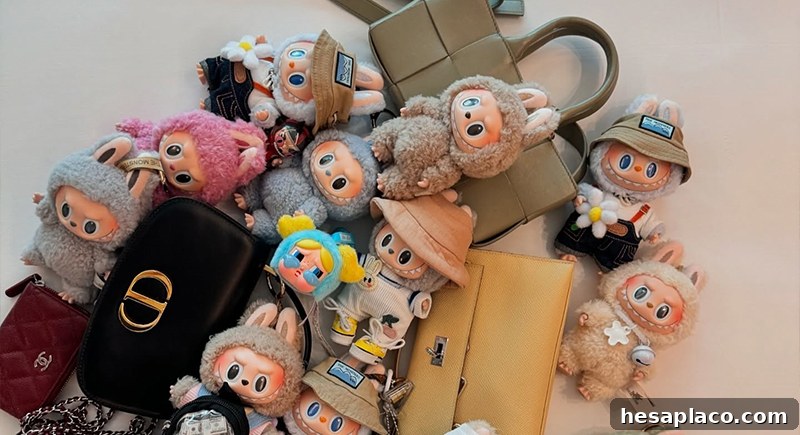
Classic economic folklore links fashion choices to economic conditions—for example, the hemline index. Similar patterns can be seen in toy trends: work-themed Labubu figures sold significantly better than fantasy variants in 2024, suggesting that buyers gravitate toward figures that reflect labor and practicality during uncertain times.
Labubu Is a Global Coping Mechanism
Credit: Instagram
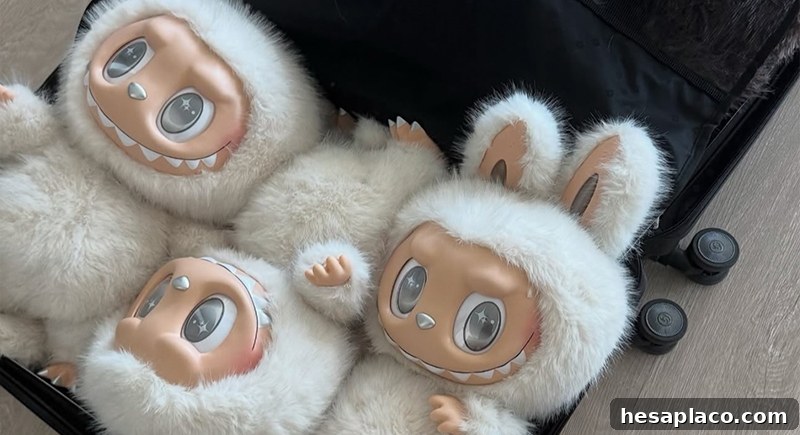
Labubu often appears as a charm on handbags and in social posts, but its real significance lies in how it reflects people’s sense of being priced out of stability. Cultural critics argue that modern capitalism increasingly monetizes emotional needs; Pop Mart has found a way to package and sell small comforts. That dynamic helps explain why these tiny figures sell out even as household savings and long-term security remain under strain.