
Business travel can become costly quickly: flights, hotels, meals, rental cars and hidden fees add up before you realize it. The good news is you don’t need to cancel trips to control spending. With some strategic adjustments to how you plan, book and execute travel, you can reduce costs and treat trips like well-managed investments. The key is to rethink processes and make smarter choices that preserve productivity while cutting expenses.
Plan Trips Months Ahead

Credit: Canva
Booking well in advance usually yields better airfare and hotel rates and gives you breathing room to negotiate for group stays or long-term corporate agreements. Early planning reduces last-minute premiums and lets you choose more flexible, cost-effective options for your itinerary.
Stay Where the Action Is

Credit: Getty Images
A seemingly cheap hotel on the outskirts can cost more in taxis, lost time and added stress. Choosing accommodation near meetings and events reduces transportation expenses, minimizes delays, and improves safety and convenience—letting travelers focus on work rather than logistics.
Stack Your Meetings

Credit: Getty Images
Traveling for a single meeting wastes resources. Where possible, combine client visits, regional office check-ins and networking events into a single trip. Consolidating objectives maximizes the value of each journey and stretches corporate travel budgets while maintaining productivity on the road.
Leverage Loyalty Programs
Credit: Getty Images
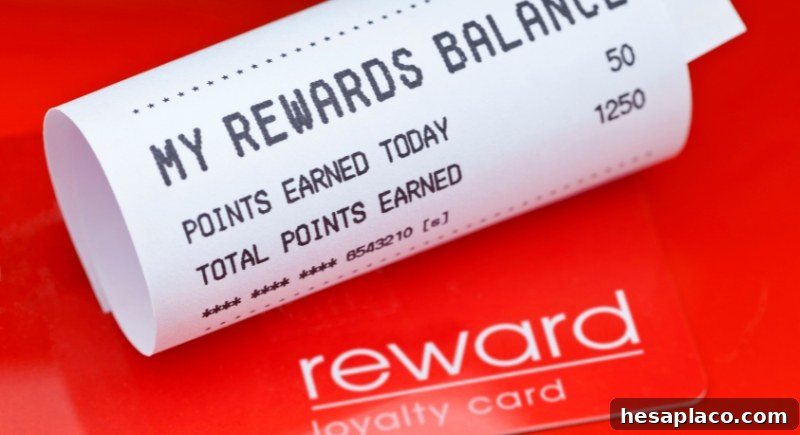
Many travel points go unused each year. Centralize loyalty accounts for flights and hotels so points are tracked and redeemed efficiently. Accumulated points can pay for upgrades, extra nights or entire trips, increasing the return on travel spending.
Watch Prices Like a Hawk

Credit: Canva
Airfares can shift significantly within hours. Use price-alert tools to spot drops and lock in favorable rates before they rise again. This approach is particularly effective for recurring routes and helps you select preferred seats while saving on repeat trips.
Bundle Everything
Credit: Getty Images
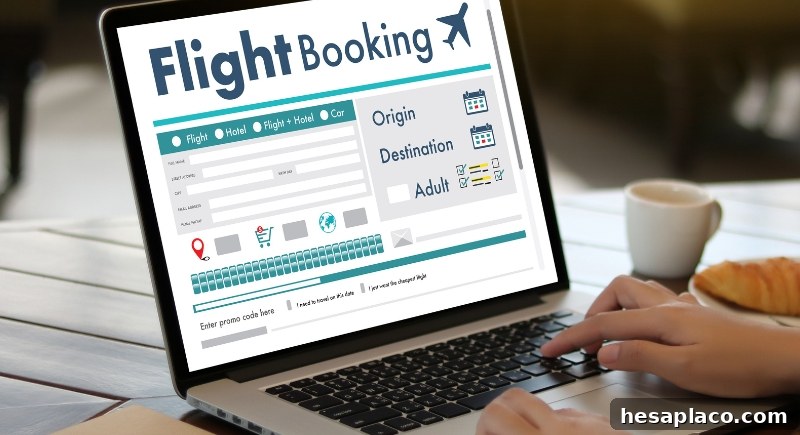
Booking flights, hotels and rental cars together often yields package discounts and reduces the number of receipts to manage. Bundling simplifies administration, lowers overall cost and frees your team to concentrate on the business purpose of the trip.
Travel on Quiet Days

Credit: pexels
Fares reflect demand. Traveling midweek—especially on Tuesdays or Wednesdays—often provides lower fares and less crowded airports. Shifting departures by a day or two can save hundreds per ticket and make travel less stressful.
Book Through a Single Channel

Credit: pixelshot
When employees book across multiple sites, visibility and negotiating power suffer. Use a centralized booking platform to streamline reservations, track spending and identify vendor performance. Consolidation reveals trends and highlights where loyalty or renegotiation will deliver savings.
Create Clear Travel Policies

Credit: pexels
Without guidelines, “reasonable” spending varies widely. Define expectations for flight classes, hotel categories, meal allowances and approval processes. Clear policies prevent overspending and ensure every trip aligns with company priorities.
Set Fair Food Limits

Credit: Getty Images
Meal expenses need not be open-ended. Establish reasonable per diem allowances so travelers can eat well without surprising the budget. Balanced limits keep receipts predictable and prevent unexpectedly large reimbursements.
Prioritize Direct Flights for Efficiency

Credit: Getty Images
Connecting flights may appear cheaper but often cost time and reliability. Delays, missed connections and extra airport expenses can erode any savings. Paying a bit more for a direct flight protects schedules and reduces incidental costs.
Use the Right Credit Cards

Credit: Canva
Choose corporate cards that offer travel perks—free checked bags, priority boarding, travel insurance and cashback. These features smooth travel and yield savings; over time, rewards and points can fund future trips or upgrades.
Negotiate Group Rates

Credit: Getty Images
Group bookings are more than coordination—they’re a bargaining tool. Hotels and airlines often provide meaningful discounts for bulk reservations. Group travel also simplifies logistics and keeps teams together, improving both morale and efficiency.
Review Expenses After Each Trip

Credit: Canva
Post-trip expense reviews reveal patterns and opportunities for improvement. Regularly analyze receipts to spot repeated overspending—such as the same pricey hotel or frequent costly taxis—and adjust policies and supplier choices accordingly.
Prioritize Public Transit

Credit: Getty Images
Rental cars often bring insurance costs, parking fees and fuel expenses. In many cities, public transit or ride-hailing is cheaper and less stressful. Choosing the right local transport option reduces costs and removes one more administrative burden from traveling employees.