
The Spotify Color Palette is a fan-created, third-party tool developed by software engineer Israel Medina. It analyzes the top songs you’ve streamed over the past six months and generates a personalized color palette that reflects your musical taste. The palette is visual, sharable, and perfect for anyone who wants to represent their listening habits with color.
How to Find Your Spotify Color Palette
Getting your Spotify palette is simple. Visit spotifypalette.com and enter the requested information — usually your Spotify username or by authorizing the app to access your listening data. The tool then evaluates the artists and tracks that have shaped your recent listening patterns and produces a palette tailored to those influences.
The resulting color set is meant to capture the general mood and characteristics of your most-played music. Some typical interpretations include:
- Predominantly red palettes often indicate energetic, passionate tracks (think upbeat pop or high-energy anthems).
- Pastel combinations can reflect a mix of danceable beats and lighter, more atmospheric selections.
- Yellow tends to show up when your playlists include songs with high “valence” — tracks that feel happy or positive.
- Orange frequently appears when your taste leans toward dance-oriented music and club-ready rhythms.
The Meaning Behind the Colors
The app doesn’t stop at a set of swatches; it also interprets what those colors say about your listening habits. For example, a predominantly red palette might include a short breakdown like this:
Red is associated with passion and high energy.
Average Danceability: 61%
Average Energy: 73%
Average Valence (positivity): 52%
The palette display usually highlights a few of the specific songs and artists that contributed to the color choices, so you can see which tracks drove the results.
Sharing and Using Your Palette
Once generated, palettes are easy to share on social media or to save for personal use. Many users post their palettes as profile art, story images, or simply to spark conversations about musical taste. Because the palettes are visual summaries, they make appealing content for friends and followers who enjoy both music and design.
Note: as with many third-party music tools, you may need to sign in with your Spotify account to allow the app to read your listening history. If you prefer not to authorize access, declines will typically prevent the tool from generating personalized results.
Other Fun Ways to Explore Your Music Taste
If you enjoy visual or data-driven music tools, there are several other apps and sites that provide different perspectives on listening habits. Examples include AI-driven taste evaluators, services that format your top tracks like a receipt, tools that estimate how obscure or mainstream your preferences are, and services that help you discover new music based on your favorites. Each of these apps highlights a different facet of your listening profile and can be a fun complement to the color palette experience.
The Classic: Spotify Wrapped
For an official, year-end summary of your listening trends, Spotify Wrapped remains the go-to option. Wrapped compiles your top songs, artists, and genres into a shareable package and often generates special playlists of your favorite tracks from the year. While Wrapped is an annual Spotify feature and separate from third-party tools, the two experiences pair well: Wrapped gives an official statistical recap, while a color palette gives a creative visual interpretation of your recent listening habits.
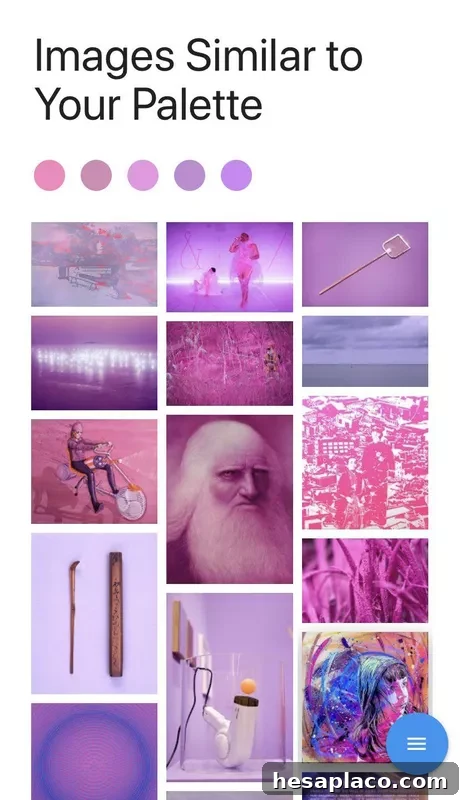
IZ_i98m / Twitter
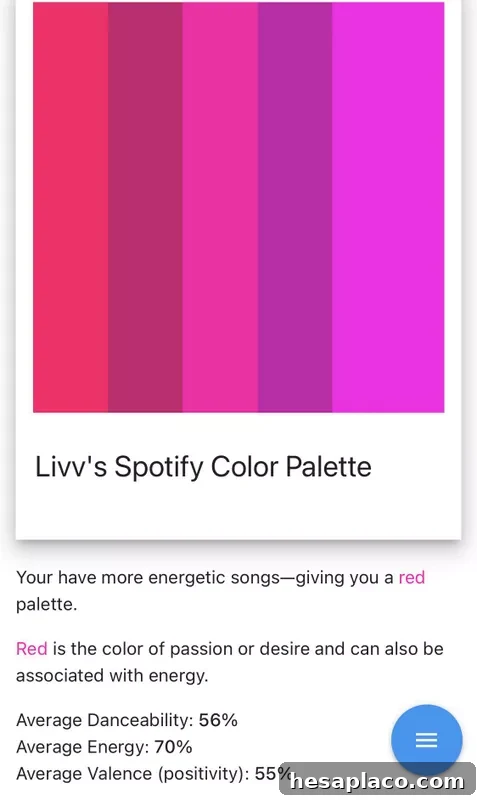
honey_wraith / Twitter
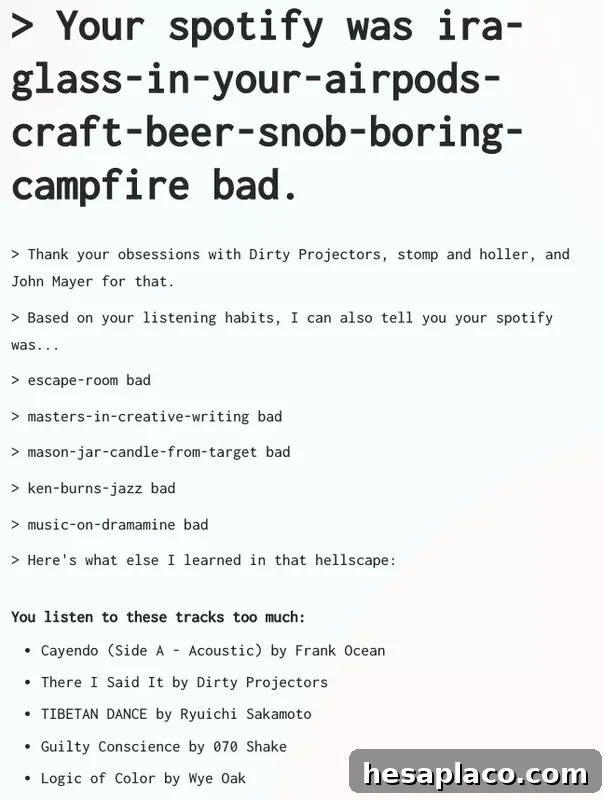
daveholtz / Twitter
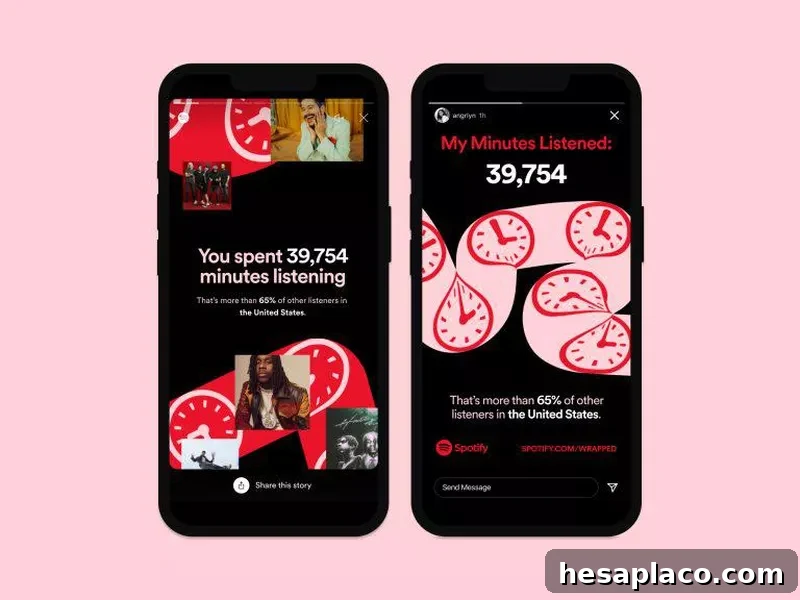
Spotify
Whether you want a colorful snapshot to share, a visual prompt to redesign your playlist cover, or simply a new way to reflect on what you listen to, the Spotify Color Palette is a creative, easy-to-use option. It’s a vivid reminder that music shapes more than our playlists — it can also shape the colors we associate with mood, memory, and identity.