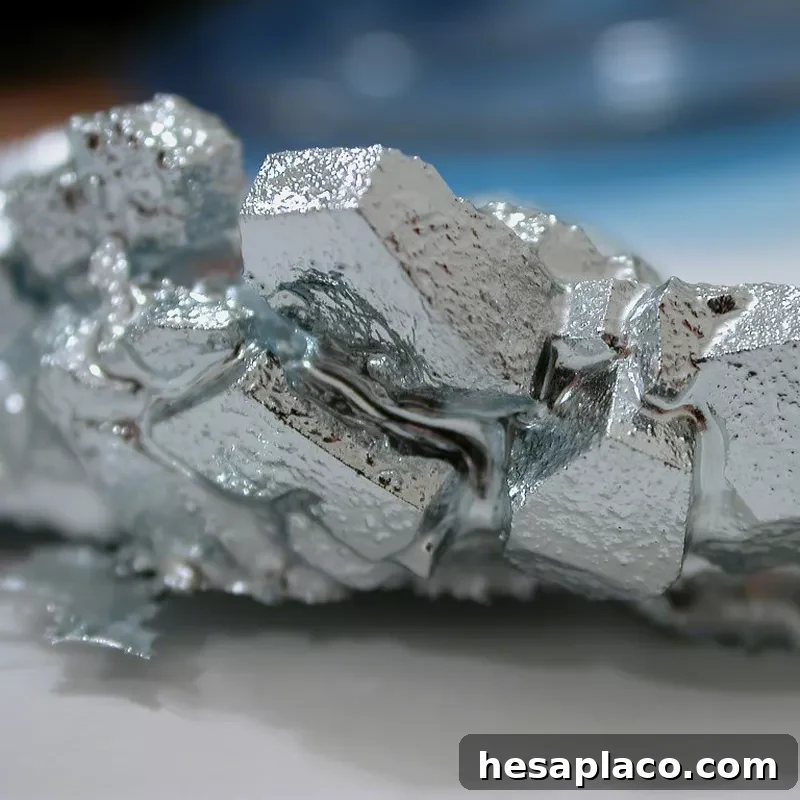
Metals drive modern 21st-century life. They appear in LEDs, magnets, electric motors, sensors, data storage and countless other components that underpin our mobility, communications and energy systems. Hundreds of commercial applications rely on metals, and new uses continue to emerge each year.
While well-known precious metals such as gold, silver and platinum attract attention, the most valuable metals are often members of the rare earths and other uncommon element groups. These metals are frequently found bound together in ores, and isolating a single element requires complex, lengthy and costly processing. Names like dysprosium, neodymium and lutetium signal those rarer elements. Some occur in relatively greater quantities, while others are among the scarcest materials on Earth.
Rare earths and specialty metals are essential for low-emission technologies and power generation—electric vehicles, wind turbines and advanced electronics depend on them. As global efforts to cut emissions continue, demand for many of these metals is likely to rise. China currently dominates rare earth mining and processing, which can concentrate supply risk and affect prices. Additional exploration and new discoveries could help stabilize or reduce costs over time.
Note that quoted prices per kilogram can seem modest for industrial metals, but transactions are commonly conducted in large volumes—often tons—so overall value is substantial. Below is a reorganized, fluent English summary of twenty-nine notable metals and elements, their typical uses and what makes each valuable.
30. Titanium
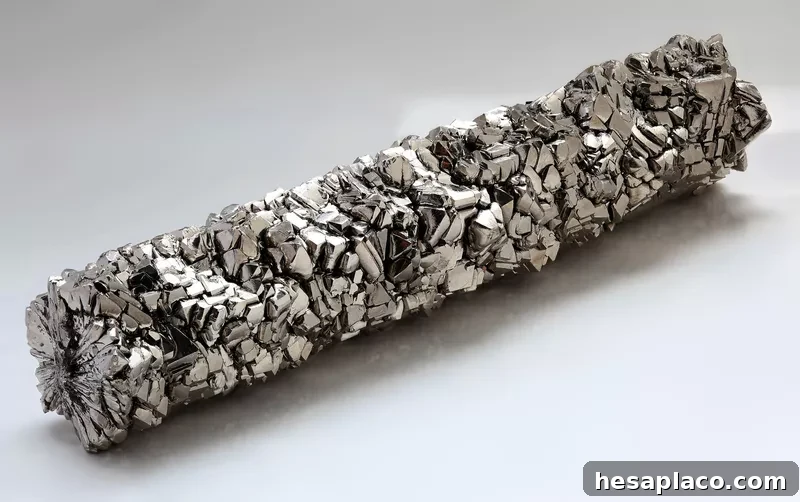
Alchemist-hp / Wikimedia Commons
Price per kilogram: $6
Titanium is prized for its strength-to-weight ratio and corrosion resistance. It is used in lightweight alloys for aircraft, spacecraft and rockets, and in consumer goods such as laptops, golf clubs and bicycles. Its resistance to seawater corrosion makes it suitable for shipbuilding, submarines and desalination or power plant piping. Titanium is also widely used in medical implants, pigments, coatings and specialty plastics.
What Makes Titanium So Valuable

Getty Images
Titanium demand is heavily influenced by aerospace, which consumes a significant share of production. Although pandemic-related declines in aerospace reduced prices temporarily, demand in medical, industrial and alternative energy sectors persists. Titanium derivatives also support renewable technologies, so prices and demand are expected to rise over time.
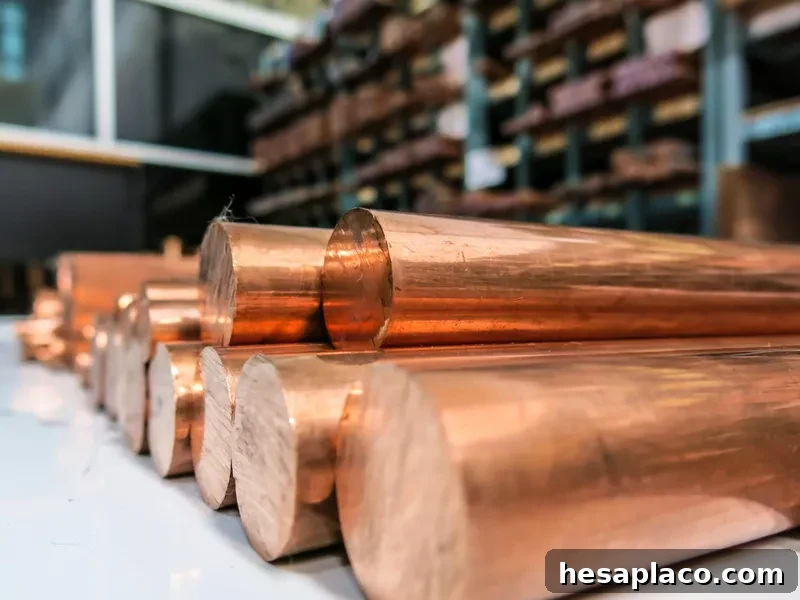
29. Copper
Getty Images
Price per kilogram: $8
Copper is an excellent conductor of heat and electricity and is highly malleable, making it ideal for electrical wiring and motors. It is used across electrical systems, construction (roofing and plumbing), industrial machinery and is an ingredient in brass and bronze. Copper also finds applications in agriculture (pesticides and water treatments) and in chemical testing.
What Makes Copper So Valuable

Getty Images
Copper’s broad commercial demand and extensive use in infrastructure and electronics support steady pricing, despite globally abundant deposits. Its role in electrical grids and emerging electrification efforts (including EVs and renewable deployments) underpins long-term demand.
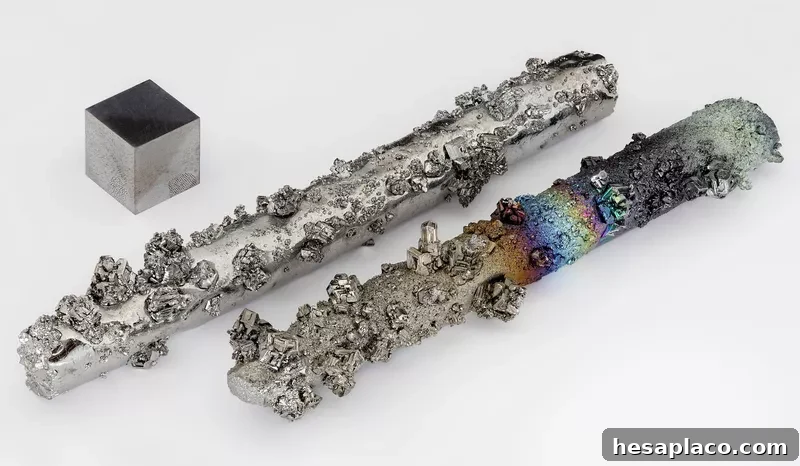
28. Tungsten
Alchemist-hp / Wikimedia Commons
Price per kilogram: $40
Tungsten has the highest melting point of any metal and exceptional tensile strength. It is used to strengthen alloys, manufacture cutting tools, in mining and petroleum equipment, and in military applications such as armor-piercing ammunition. Tungsten also supports high-heat industrial processes, welding and space hardware.
What Makes Tungsten So Valuable

Getty Images
Tungsten’s extreme heat resistance and strength make it essential in many high-performance applications. Its rarity and the complex extraction process—often from ores and mixed minerals—add to its value. China is a major producer, and geopolitical or policy shifts there can influence global supply and pricing.
27. Uranium
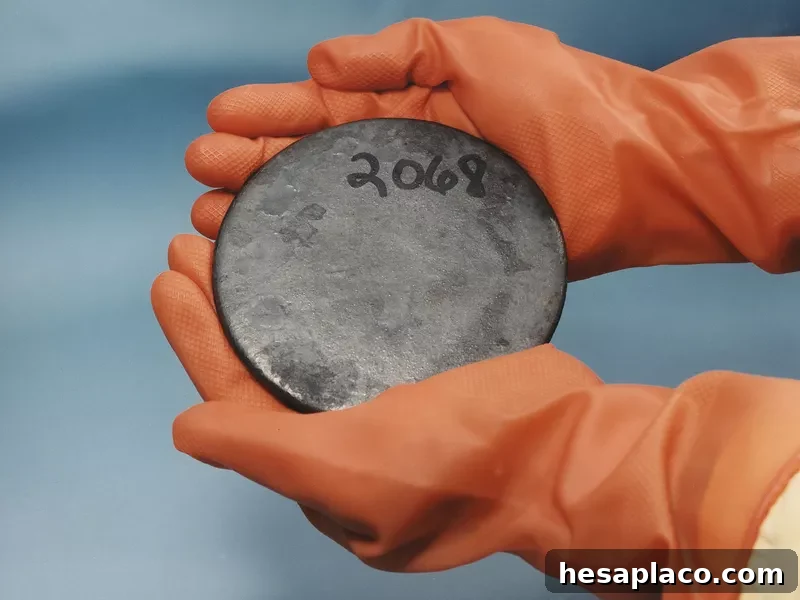
Wikimedia Commons
Price per kilogram: $48
Uranium fuels nuclear power plants and naval reactors and has been used in weapons. It generates heat to produce steam that drives turbines for electricity. Uranium also serves as shielding or target material in certain engineering and analytical applications.
What Makes Uranium So Valuable

U.S. Navy / Wikimedia Commons
Uranium’s value stems from its energy density and role in low-carbon electricity generation. While interest in nuclear power is rising in some regions as a clean-energy option, the global energy transition and political debates over nuclear safety and waste management will shape future demand.
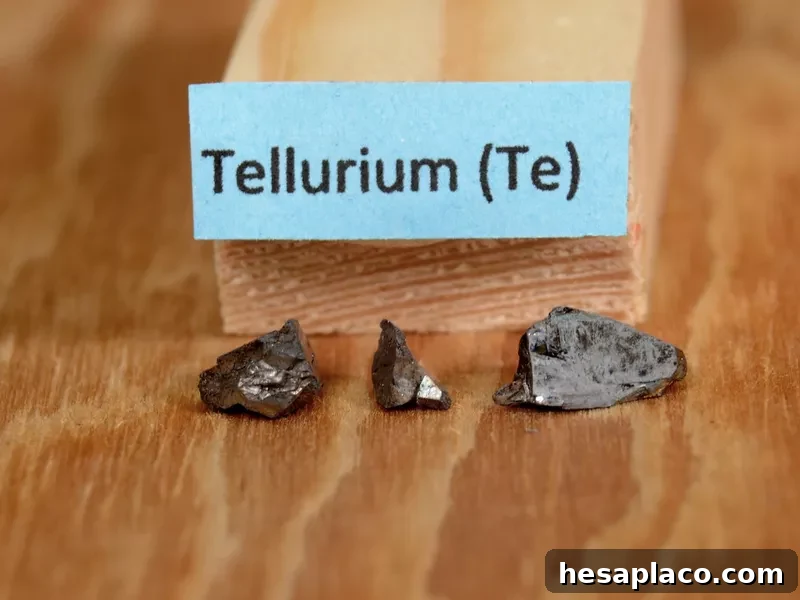
26. Tellurium
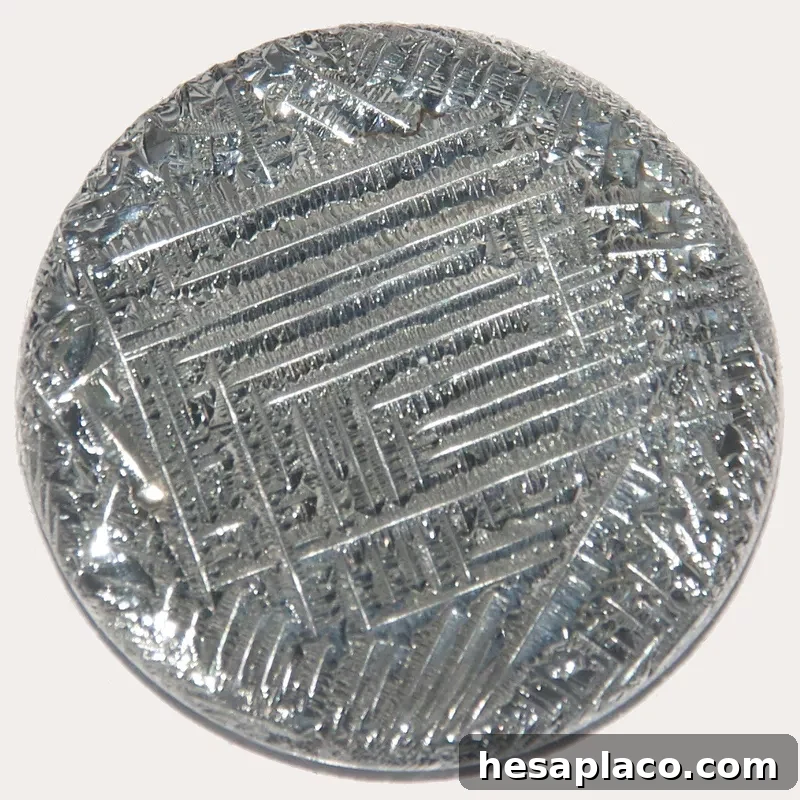
Wikimedia Commons
Price per kilogram: $79
Tellurium is important for thin-film solar photovoltaics, thermoelectrics, superconductors, rubber vulcanization and certain electronic components. It is typically recovered as a byproduct of copper refining.
What Makes Tellurium So Valuable
Getty Images
Tellurium is rare, with limited annual production, and demand from photovoltaic and electronics industries can quickly tighten supply. As thin-film solar technologies expand, especially in major manufacturing regions, pressure on tellurium supplies and prices may increase.
25. Neodymium
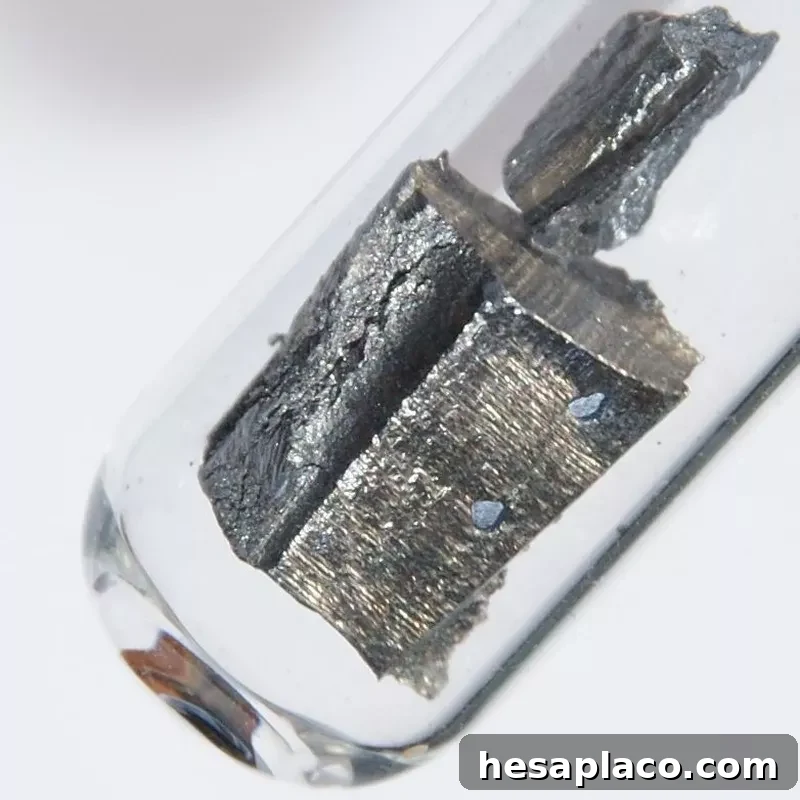
Wikimedia Commons
Price per kilogram: $107
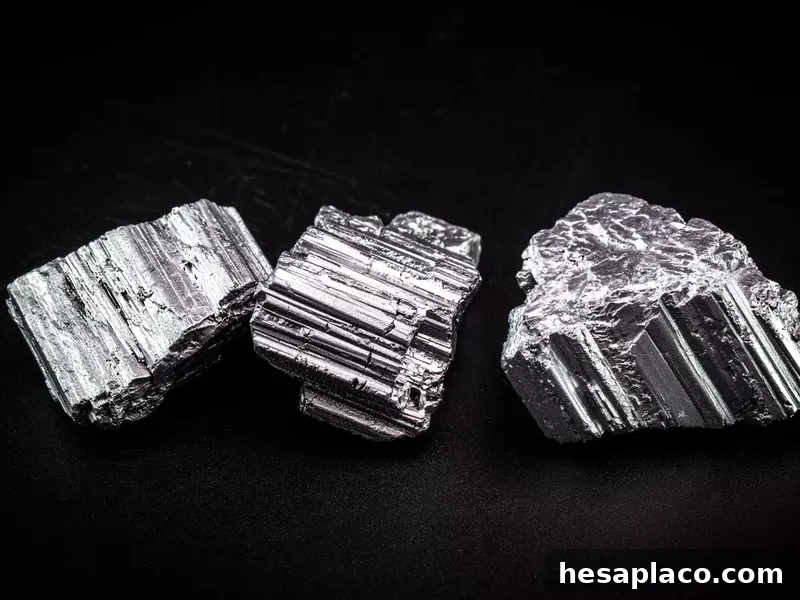
Neodymium is used in specialty glass and lasers and—most notably—in powerful permanent magnets when alloyed with iron and boron. These magnets are critical for wind turbines, electric motors, loudspeakers and many portable electronic devices.
What Makes Neodymium So Valuable
Getty Images
Although neodymium is relatively abundant among rare earths, extracting and separating it is costly. Its role in magnets for electrification and renewable energy systems keeps demand robust and likely to grow as those markets expand.
24. Europium
Jurii / Wikimedia Commons
Price per kilogram: $253
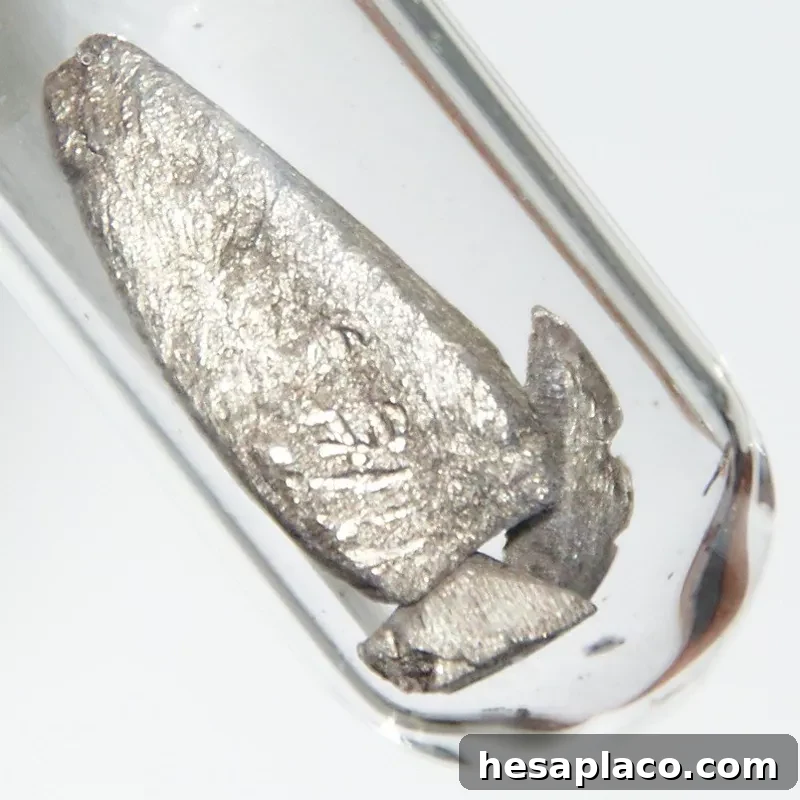
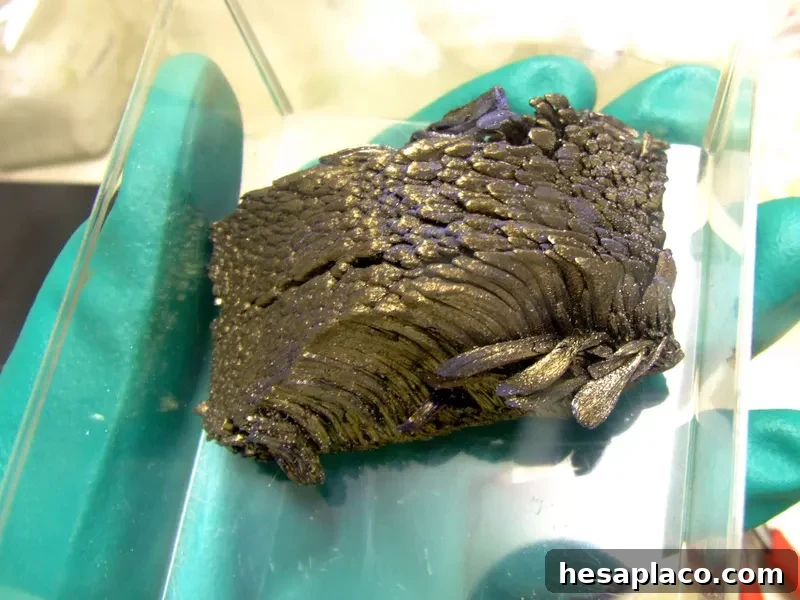
Europium emits red light under ultraviolet excitation, so it is used in anti-counterfeiting features for banknotes, in phosphors for lighting and displays, and in lasers. It also absorbs neutrons and serves in nuclear control rod applications.
What Makes Europium So Valuable
Alchemist-hp / Wikimedia Commons
Europium is among the scarcest elements and is produced in limited quantities, with most processing concentrated in a few regions. Extraction and storage challenges add to its cost. Growing demand for displays and lighting technologies contributes to future price pressure.
23. Dysprosium
Materialscientist / Wikimedia Commons
Price per kilogram: $476
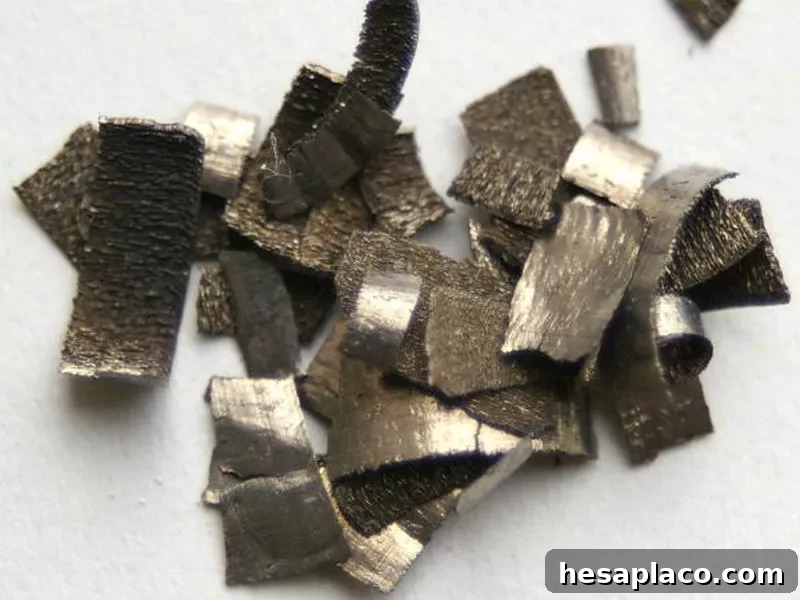
Dysprosium enhances the high-temperature performance of permanent magnets and resists demagnetization. It is used in motors and generators for wind turbines and electric vehicles, and in lasers, control rods and data storage devices.
What Makes Dysprosium So Valuable

Getty Images
Dysprosium’s unique magnetic and thermal properties are difficult to replace. As electrification and renewable energy deployment grow, demand for dysprosium-based magnets will increase. China dominates production, driving concerns about supply concentration; exploration and new mines in other countries aim to diversify sources.
22. Tantalum
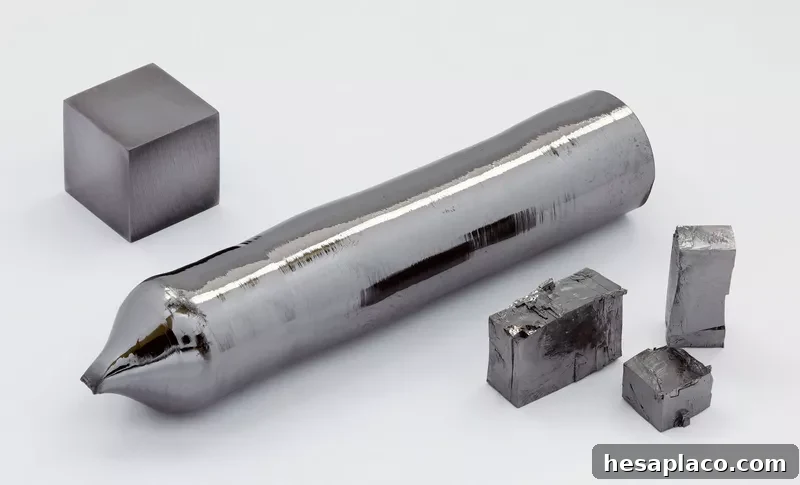
Alchemist-hp / Wikimedia Commons
Price per kilogram: $485
Tantalum is essential for electronic components such as capacitors in mobile phones and other devices. Its corrosion resistance makes it suitable for surgical implants and chemical-processing equipment. Tantalum is also used in aerospace and nuclear applications where high melting points and corrosion resistance are required.
What Makes Tantalum So Valuable

Getty Images
Tantalum is typically processed from ores and concentrates rather than sold pure. Limited reserves and rising demand in electronics and aerospace put upward pressure on prices. Estimates of remaining ore lifetimes and the need to recycle this metal further support its long-term value.
21. Indium
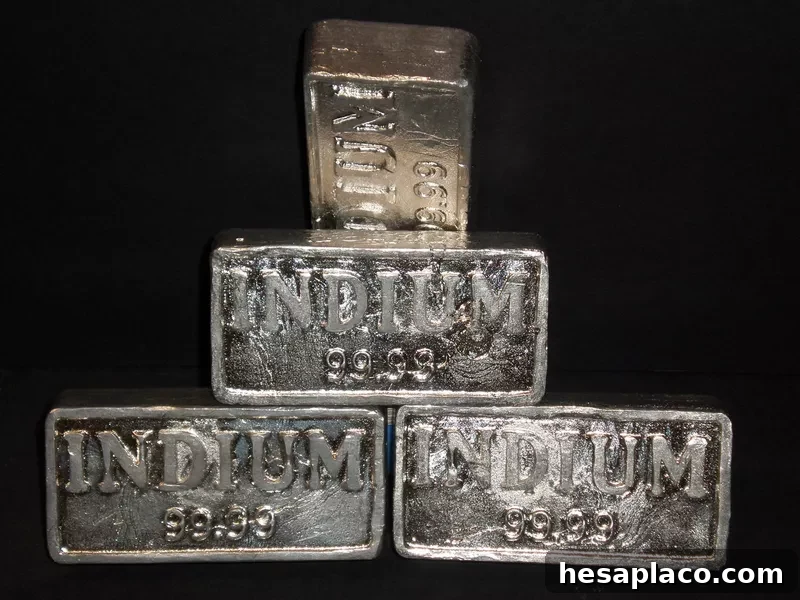
Nerdtalker / Wikimedia Commons
Price per kilogram: $561
Indium has semiconductor properties and is a component of transparent conductive films used in displays, touchscreens and many electronic devices. It is also used in solar cells, specialized mirrors and high-performance electronics for aerospace applications.
What Makes Indium So Valuable
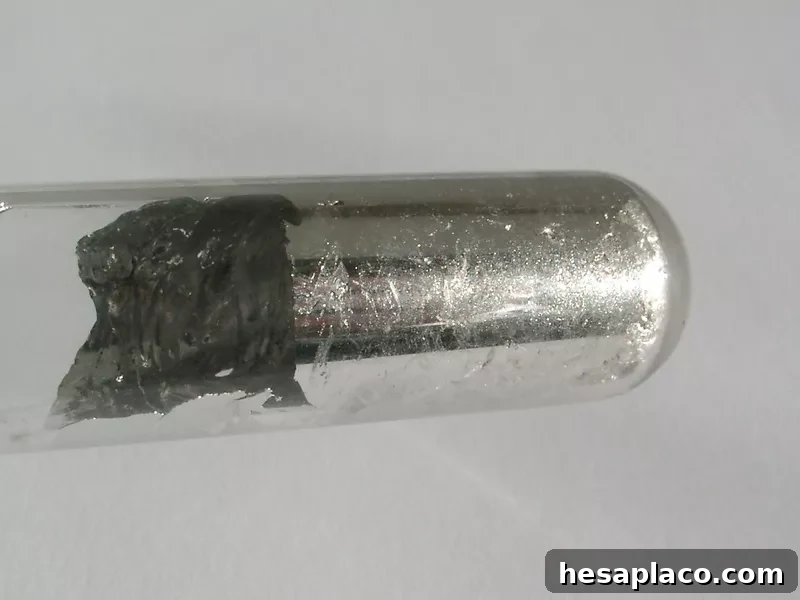
Schtone / Wikimedia Commons
Indium is scarce and is typically recovered as a byproduct of zinc refining. Annual production is limited, while demand for displays, touchscreens and photovoltaics supports steady price levels and expectations for future increases.
20. Silver

Getty Images
Price per kilogram: $729
Silver is valued for its exceptional electrical and thermal conductivity and superior reflectivity. It is used in solar panels, electrical components, automotive systems, jewelry and various industrial and chemical applications. Silver is also held as bullion for investment and as a store of value.
What Makes Silver So Valuable
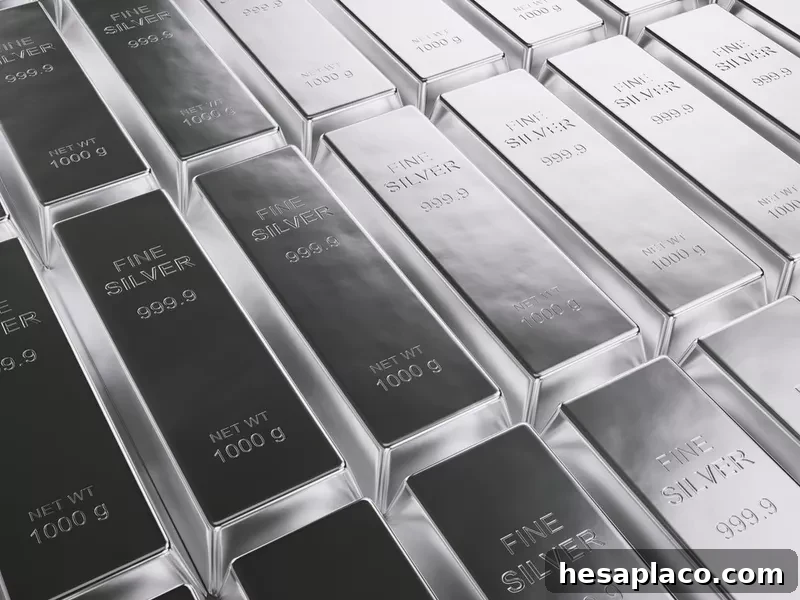
Getty Images
The combination of industrial demand and investment demand supports silver’s value. Growth in electric vehicles and electronic devices, which use more silver than older technologies, is expected to increase industrial demand. Global production constraints and mine disruptions can further influence price.
19. Gallium
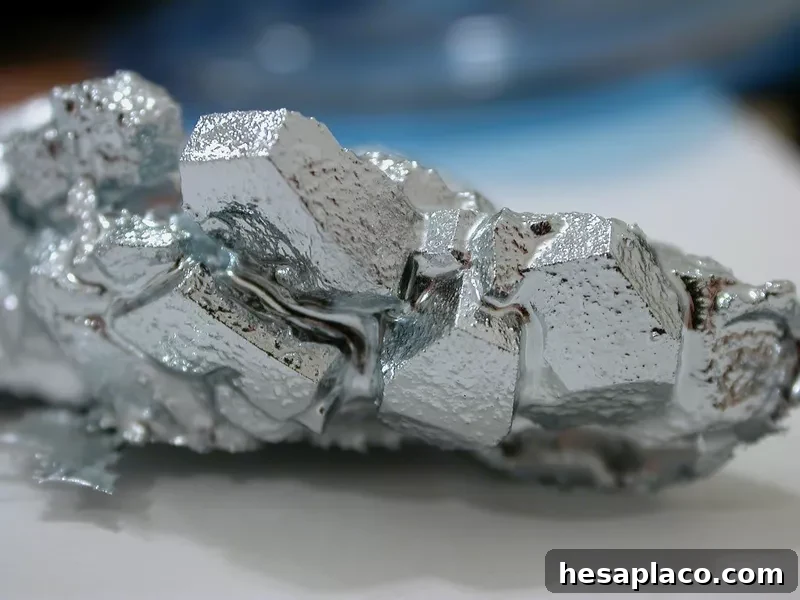
foobar / Wikimedia Commons
Price per kilogram: $755
Gallium is near-liquid at room temperature and used in high-temperature thermometers, semiconductors, LEDs, 5G electronics, Blu-ray technology, solar panels and pressure sensors. Gallium arsenide and other compounds often substitute for silicon in specialized electronics.
What Makes Gallium So Valuable
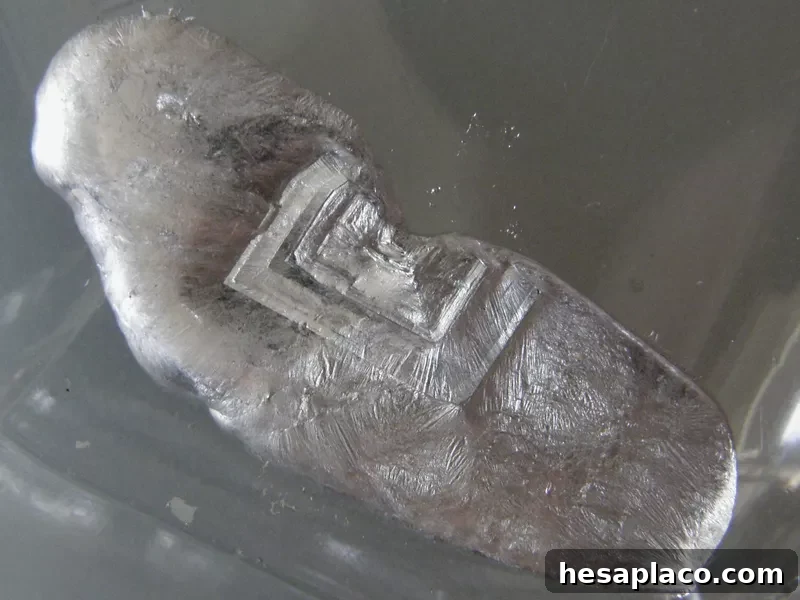
Dblay / Wikimedia Commons
Gallium occurs only in trace amounts, often recovered as a byproduct of zinc refining or from coal flue dust. Its unique electronic properties and growing demand from telecommunications and solar manufacturing contribute to rising prices.
18. Beryllium
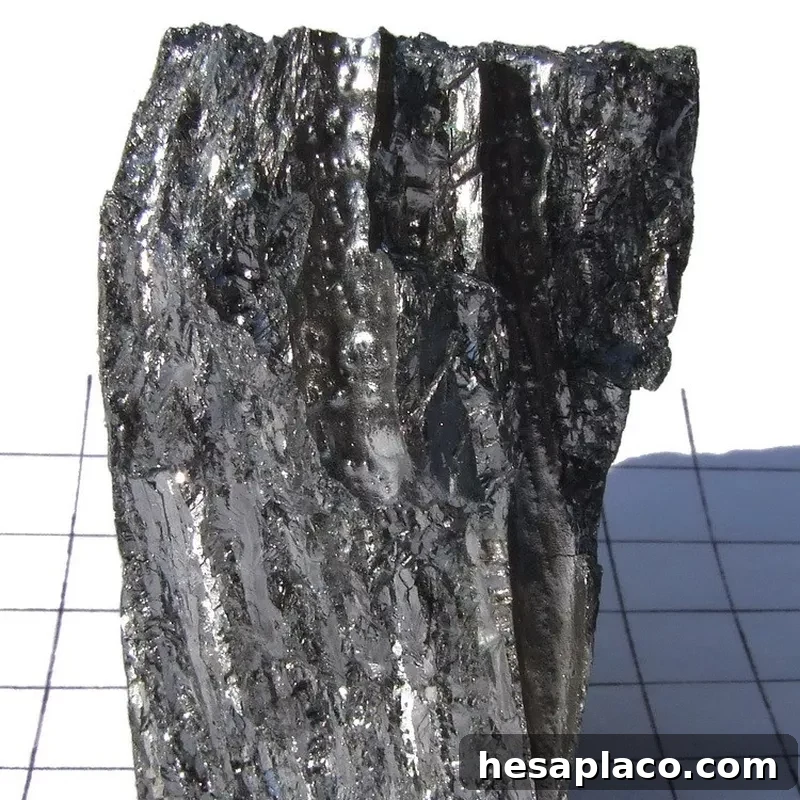
Alchemist-hp / Wikimedia Commons
Price per kilogram: $857
Beryllium is a very light metal with high stiffness, a high melting point and good thermal and electrical conductivity. It is used in alloys for gyroscopes, aerospace structures, satellites and precision instruments, and as a moderator in some nuclear applications.
What Makes Beryllium So Valuable

Aatze78 / Wikimedia Commons
Beryllium’s combination of light weight, strength and thermal properties makes it indispensable for aerospace and high-precision applications. It is relatively scarce and often used in small but critical components.
17. Terbium
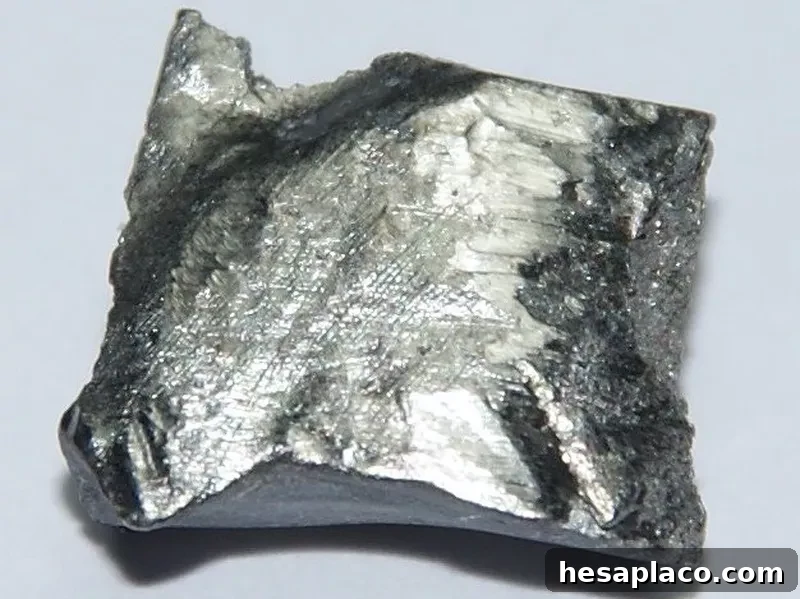
Wikimedia Commons
Price per kilogram: $1,900
Terbium is one of the rarer rare earths and is used in certain semiconductor and electronic applications, heat-resistant fuel cells, loudspeakers, displays and energy-efficient lighting.
What Makes Terbium So Valuable

Getty Images
Terbium’s scarcity and costly extraction raise its price. It supports technologies likely to be important in low-emission energy systems, and concentrated production in a few regions can increase supply risk.
16. Rhenium
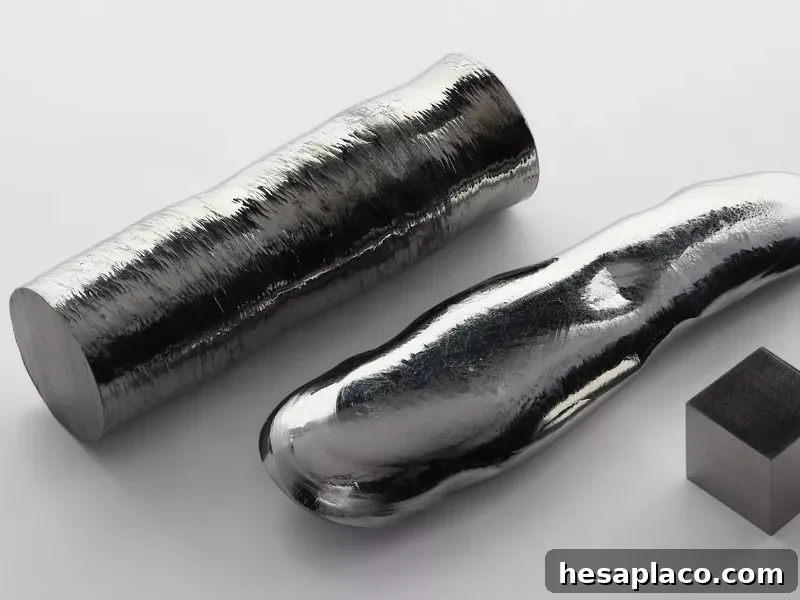
Alchemist-hp / Wikimedia Commons
Price per kilogram: $2,003
Rhenium is used in high-temperature aerospace components, jet and gas turbine engines, medical imaging devices and as a catalyst in chemical processes. It is typically recovered as a byproduct of molybdenum or copper refining.
What Makes Rhenium So Valuable

David Monniaux / Wikimedia Commons
Rhenium is extremely rare, with limited annual production. Its high melting point, density and desirable mechanical properties make it vital for demanding engineering applications where alternatives are limited.
15. Germanium
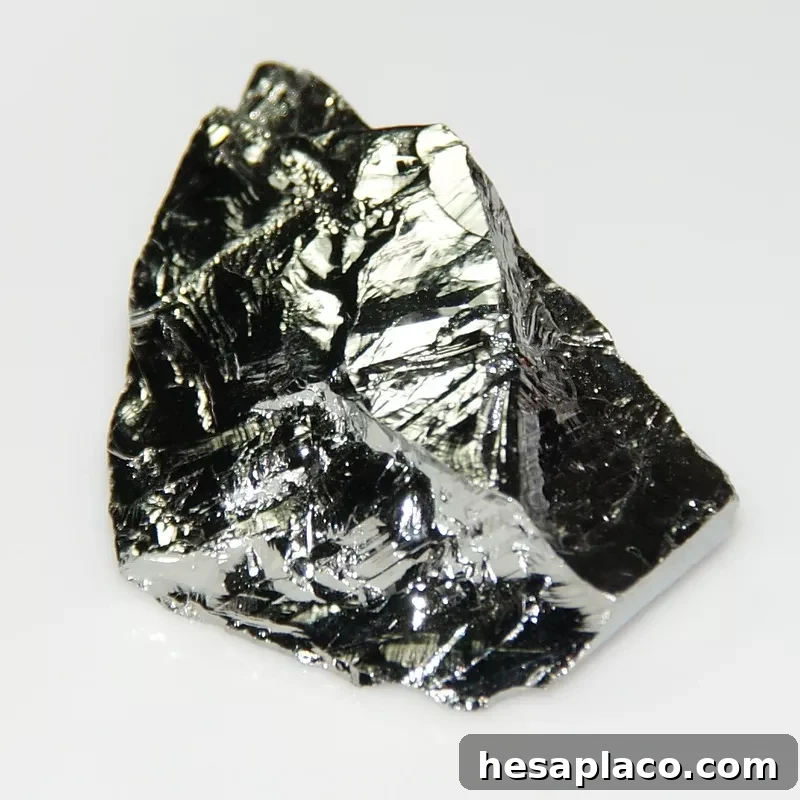
Jurii / Wikimedia Commons
Price per kilogram: $2,839
Germanium is a semiconductor with important uses in electronics, infrared optics, detector windows and specialized lenses. It is often recovered from zinc smelting flue dust.
What Makes Germanium So Valuable

Getty Images
Germanium’s rarity and processing complexity keep prices elevated. While alternatives sometimes supplant germanium in semiconductors, ongoing niche and emerging uses preserve demand.
14. Thulium
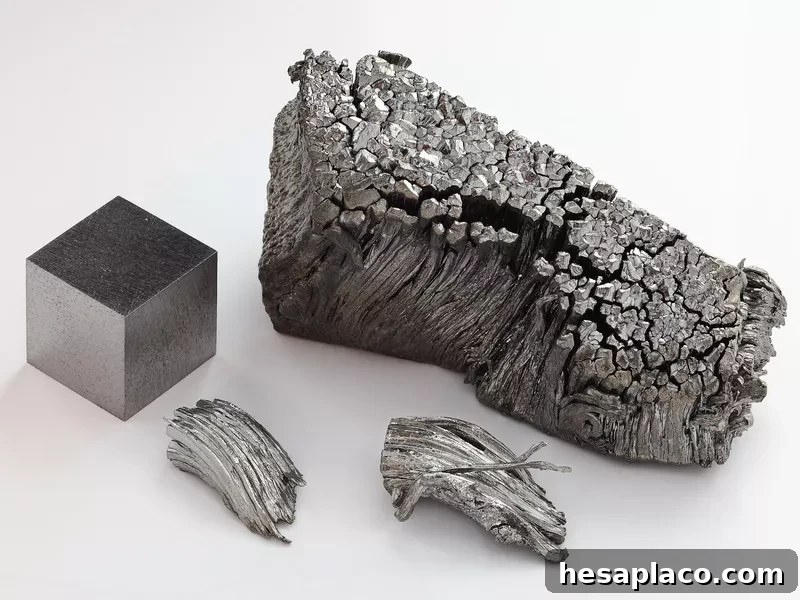
Alchemist-hp / Wikimedia Commons
Price per kilogram: $3,000
Thulium has few large-scale commercial applications due to cost, but it is used in medical lasers, image stabilization systems, cathode-ray tubes and magnetic refrigeration. Certain isotopes can serve as portable radiation sources for imaging equipment.
What Makes Thulium So Valuable
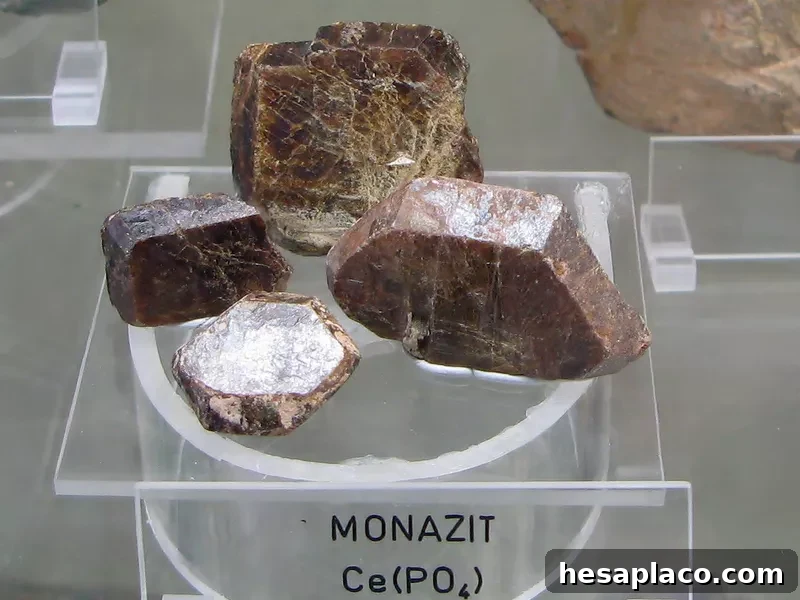
Wikimedia Commons
Historically among the scarcest rare earths, thulium production has been limited, though new deposits may increase availability. Production remains concentrated, which keeps prices elevated if demand rises.
13. Scandium
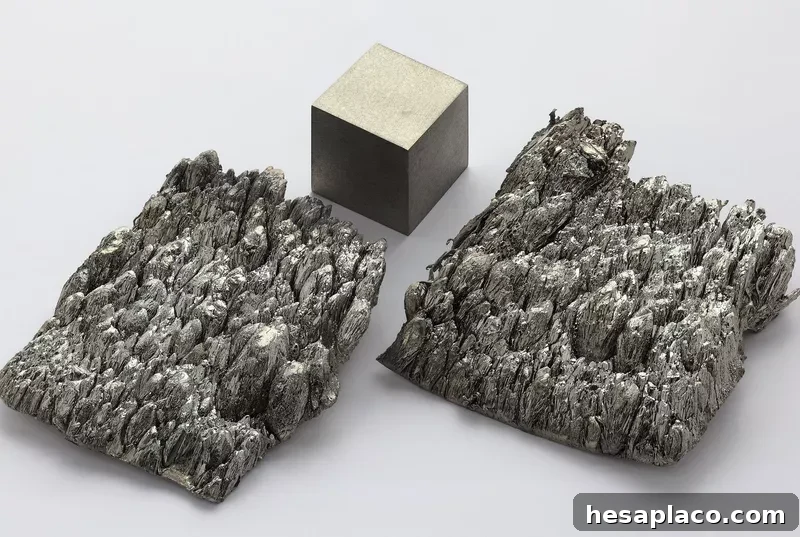
Alchemist-hp / Wikimedia Commons
Price per kilogram: $3,800
Scandium is mainly used in research and niche industrial applications. Aluminum-scandium alloys improve strength and welding properties for aerospace components, high-end sporting equipment and lightweight structures. Scandium also supports specialty lighting and certain isotope-based industrial tools.
What Makes Scandium So Valuable

Dmitry A. Mottl / Wikimedia Commons
Although found in many minerals, scandium occurs only in trace amounts, and most production involves processing mining waste or byproducts. Its scarcity and the performance benefits of its alloys keep prices high.
12. Thallium
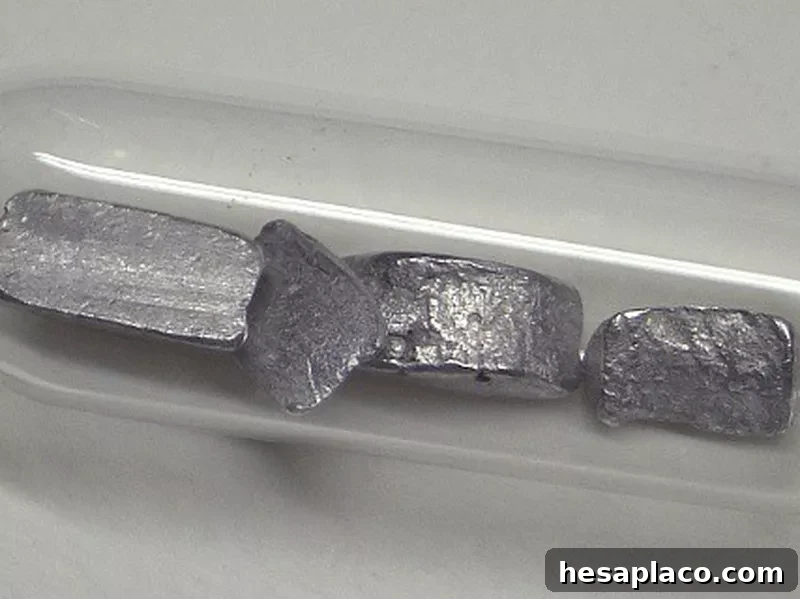
W. Oelen / Wikimedia Commons
Price per kilogram: $8,400
Thallium is toxic and has limited uses. It finds niche roles in photoelectric cells, special high-refractive glass and low-temperature thermometers. Radioactive isotopes of thallium are used in medical diagnostics, particularly cardiac imaging.
What Makes Thallium So Valuable
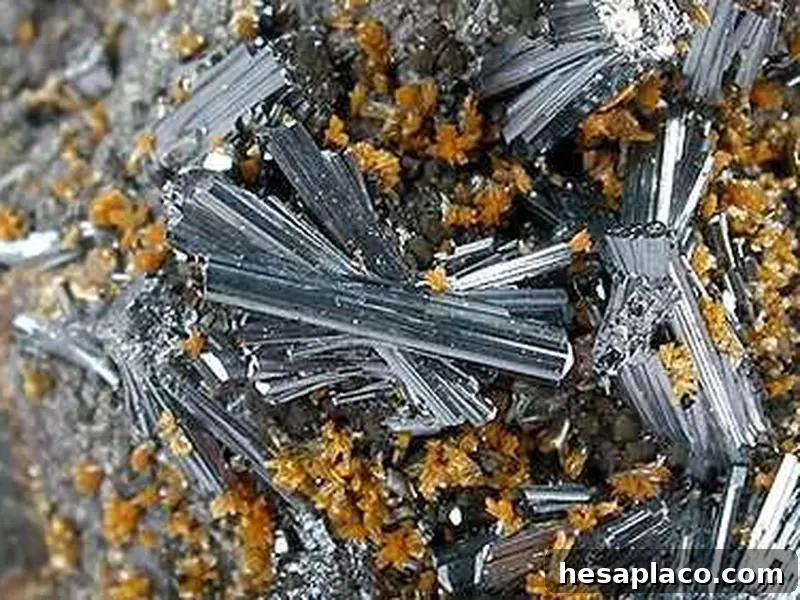
Rob Lavinsky / Wikimedia Commons
Thallium is typically recovered as a byproduct of lead and zinc smelting and is expensive to isolate and handle safely. Possible future applications in superconductors and medical imaging could affect demand and price trends.
11. Lutetium
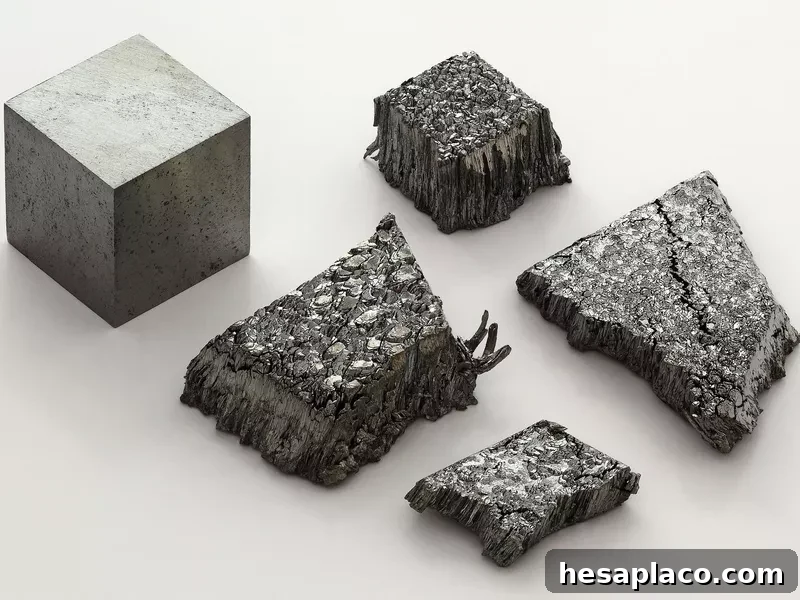
Alchemist-hp / Wikimedia Commons
Price per kilogram: $10,000
Lutetium is the least abundant rare earth and is mainly used in research. It has limited commercial use as a catalyst in hydrocarbon cracking and in certain particle detectors and niche high-tech applications.
What Makes Lutetium So Valuable
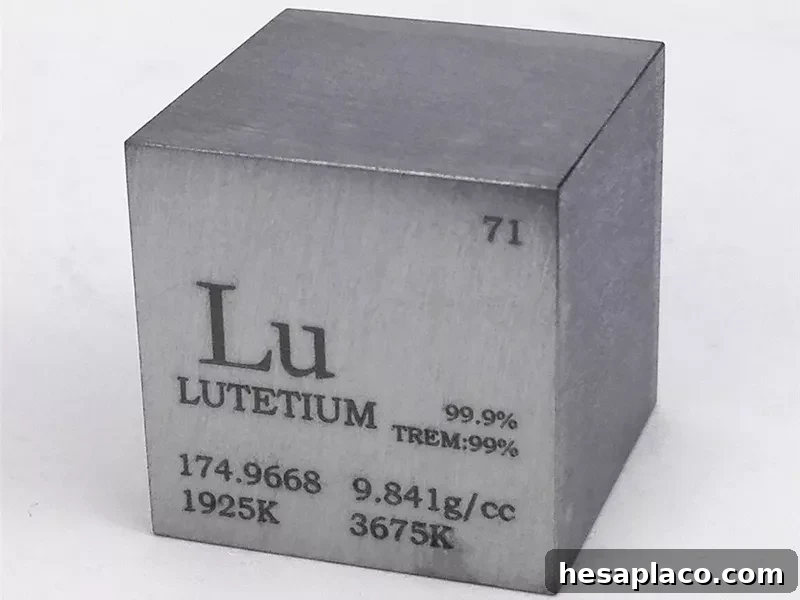
Image source
Lutetium’s rarity and challenging extraction make it costly. Its high density, melting point and corrosion resistance give it promising—but limited—uses in extreme environments.
10. Ruthenium
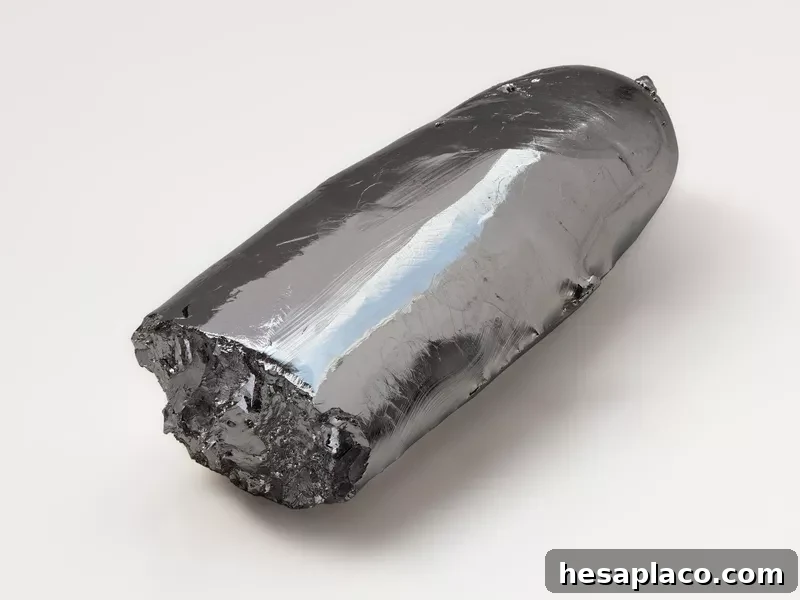
Alchemist-hp / Wikimedia Commons
Price per kilogram: $14,146
Ruthenium supports electronics, renewable energy and chemical catalysis. It is used in hard-disk drives, memory devices, solar technology and green hydrogen production and improves corrosion resistance and hardness when alloyed with other metals.
What Makes Ruthenium So Valuable
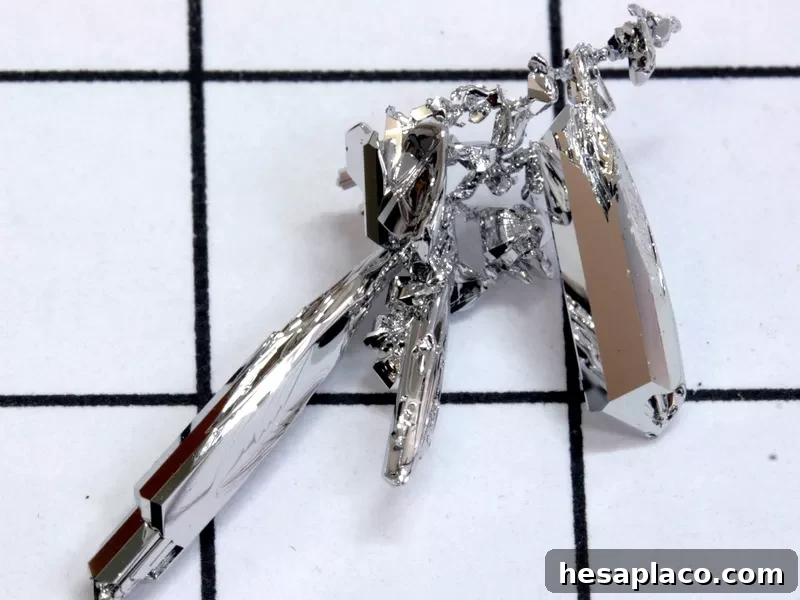
Periodictableru / Wikimedia Commons
Ruthenium is rare and usually obtained as a byproduct of nickel refining. Emerging green-energy and electronics uses increase demand, while limited supply and complex recovery processes keep prices elevated.
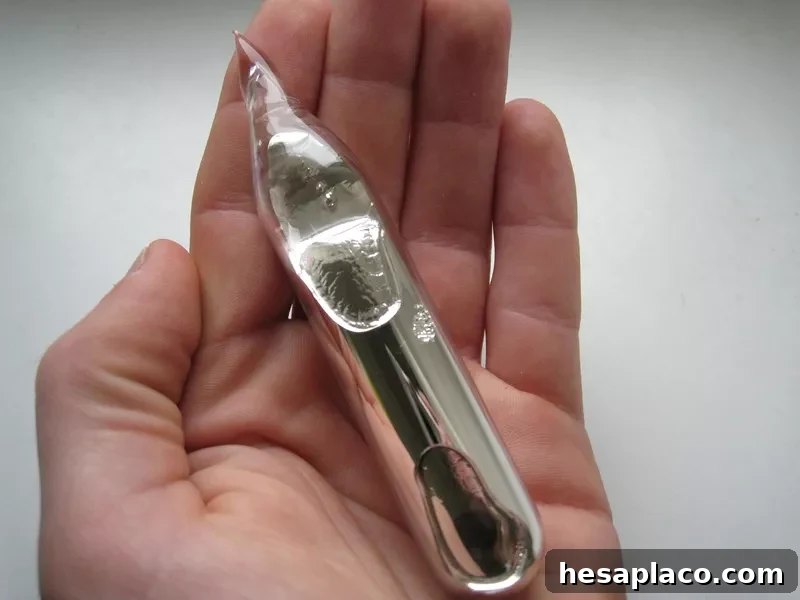
9. Rubidium
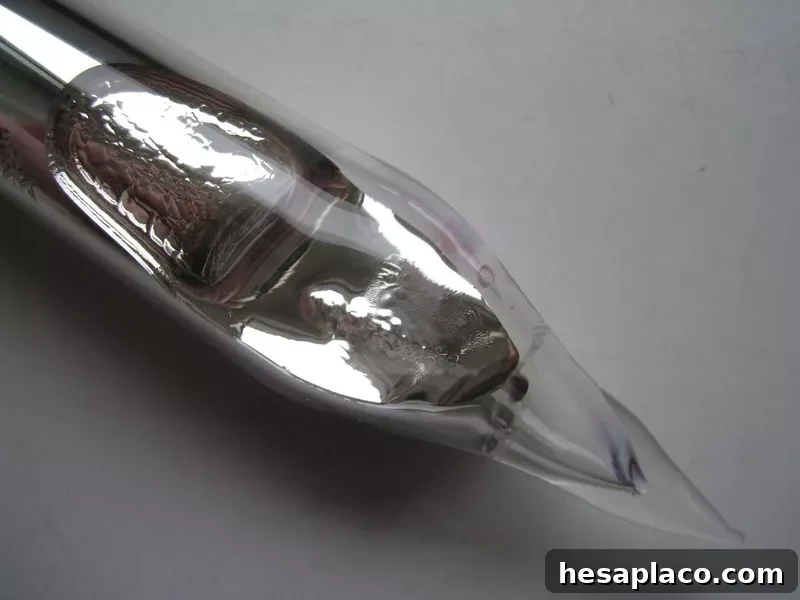
Dnn87 / Wikimedia Commons
Price per kilogram: $15,500
Rubidium is mostly used in research, atomic clocks and specialized glass and photocells. Slightly radioactive but not highly toxic, it helps locate tumors in medical diagnostics and may find future uses in ion propulsion, batteries and thermoelectric systems.
What Makes Rubidium So Valuable
Dnn87 / Wikimedia Commons
Rubidium is extracted as a byproduct of lithium production and occurs in limited, diffuse deposits. Its specialized scientific applications and limited commercial use keep supply tight and prices comparatively high.
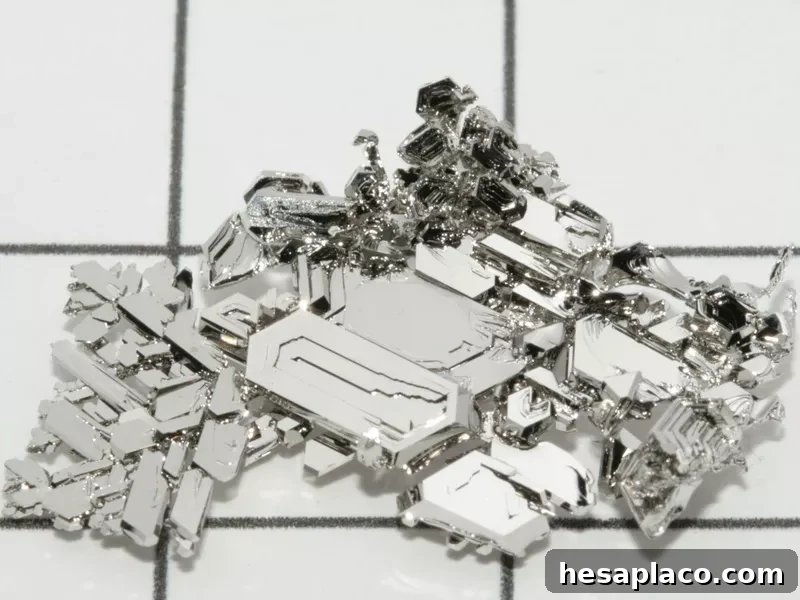
8. Platinum
Periodictableru / Wikimedia Commons
Price per kilogram: $29,156
Platinum is widely used in jewelry and half of global demand comes from catalytic converters in vehicles. It is also crucial in chemical catalysis, renewable-energy technologies (fuel cells, hydrogen production) and medical devices.
What Makes Platinum So Valuable

Getty Images
Platinum’s unique catalytic abilities and broad industrial applications maintain strong demand. Major supplies are concentrated geographically, and scarcity combined with rising industrial needs pushes value upward.
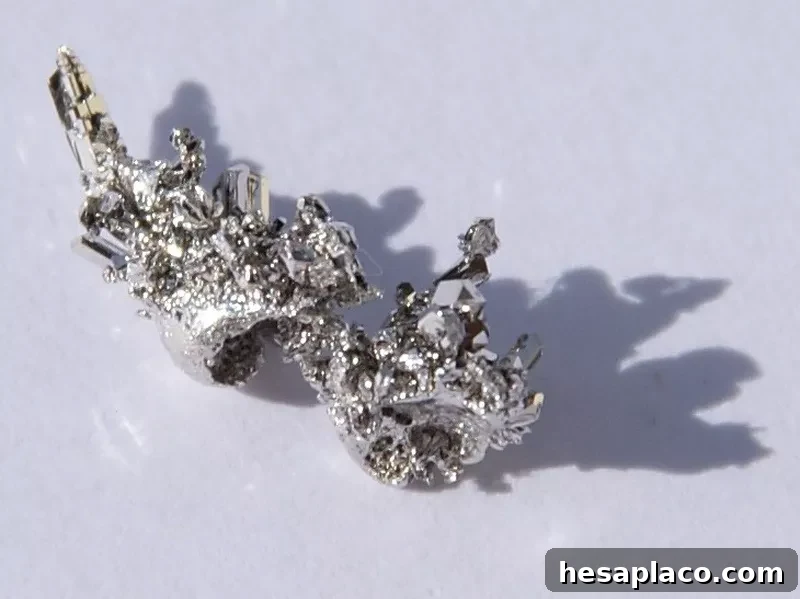
7. Palladium
Wikimedia Commons
Price per kilogram: $31,474
Palladium is essential for automotive catalytic converters and has roles in electronics, chemical catalysis and jewelry. It is typically produced as a byproduct of nickel, copper or zinc refining.
What Makes Palladium So Valuable

Stahlkocher / Wikimedia Commons
Palladium supply is geographically concentrated and sometimes at risk from political or production disruptions. Substituting palladium in many industrial processes is difficult, maintaining its strategic value.
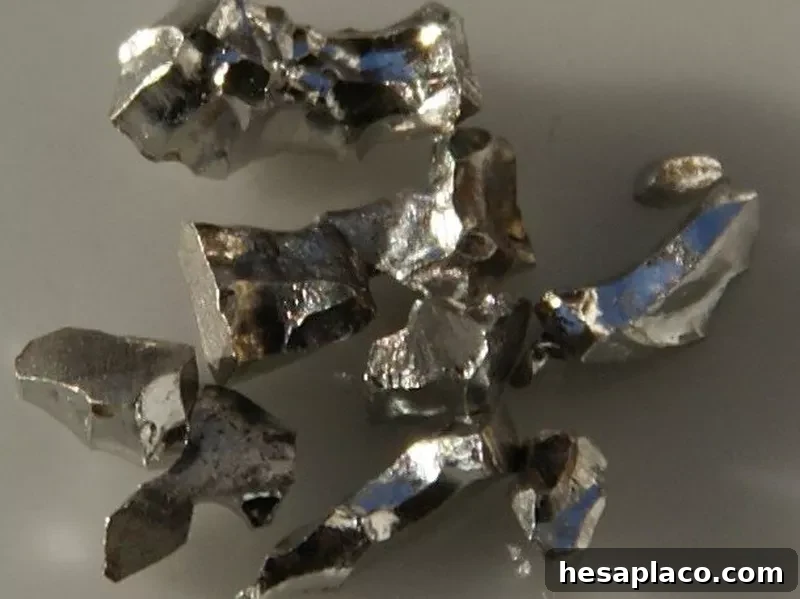
6. Iridium
Wikimedia Commons
Price per kilogram: $55,500+
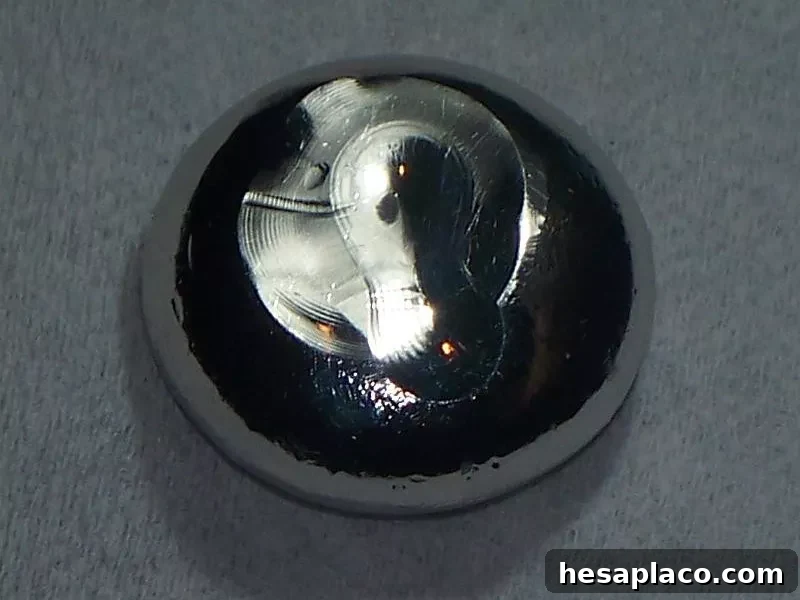
Iridium is extremely corrosion-resistant, hard and has a very high melting point. It is used in high-performance alloys, electrical contacts, medical devices and specialized industrial equipment. Because it is rare and costly to extract, iridium remains a high-value specialist metal.
What Makes Iridium So Valuable
Greenhorn1 / Wikimedia Commons
Iridium is often recovered as a byproduct of nickel refining and is extremely rare in Earth’s crust. Its resistance to corrosion and exceptional durability make it indispensable for certain high-tech and medical uses.
5. Cesium
Price per kilogram: $61,800
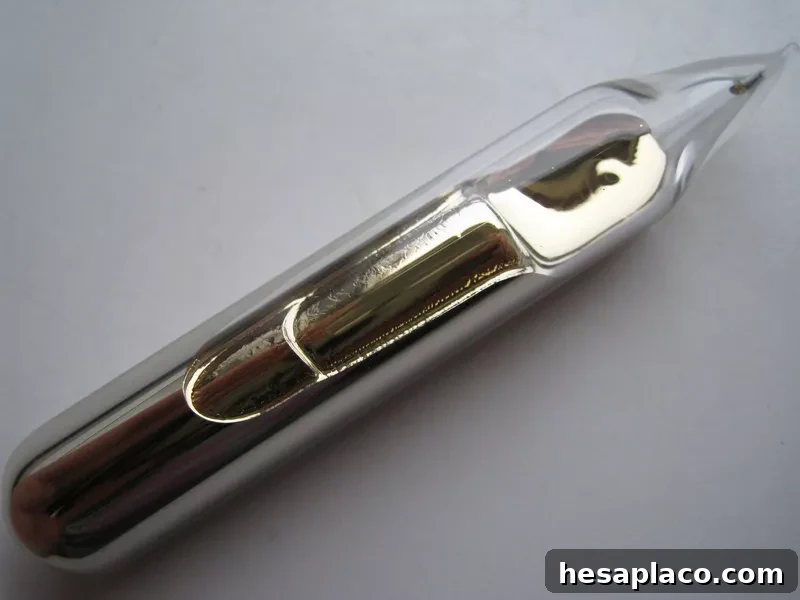
Cesium is one of only three metals liquid near room temperature. It is used in atomic clocks (which are essential for GPS and telecom synchronization), in vacuum tubes, radiation monitoring, photoelectric cells, optical glass and as a catalyst or drilling fluid in specialized chemical processes.
What Makes Cesium So Valuable
Dnn87 / Wikimedia Commons
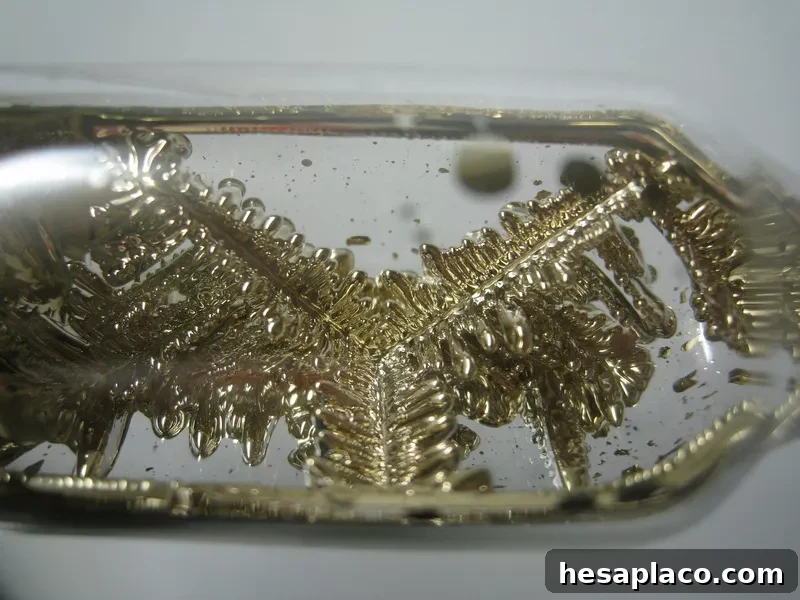
Cesium is costly to extract and typically recovered as a byproduct of lithium processing. Its precision timing applications and niche scientific and medical uses sustain high value despite limited commercial volume.
4. Gold
James St. John / Wikimedia Commons
Price per kilogram: $65,362
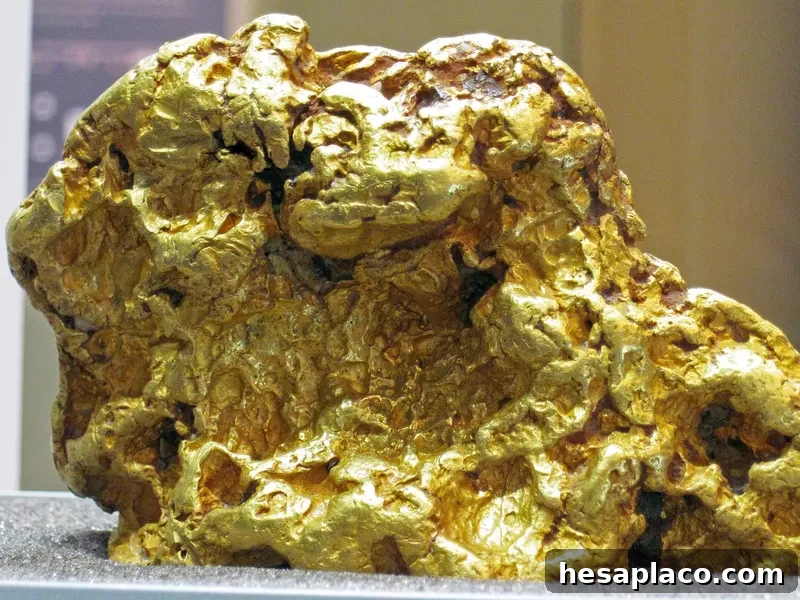
Gold has long served as a store of value and a monetary asset. It is also widely used in jewelry and has important industrial applications in electronics, aerospace and medical devices. Gold’s dual role—industrial utility and investment demand—helps sustain strong prices.
What Makes Gold So Valuable

Getty Images
Demand for gold comes from industry and investors alike. Economic uncertainty and inflationary pressure often increase investment demand, while limited annual mine production and concentrated supply contribute to long-term value.
3. Rhodium
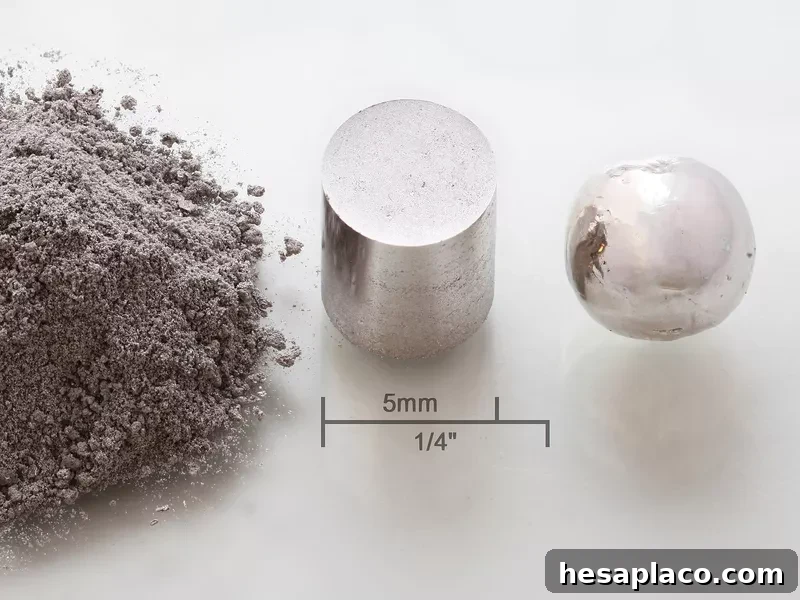
Alchemist-hp / Wikimedia Commons
Price per kilogram: $147,000
Rhodium is predominantly used in automotive catalytic converters and in specialized optical and chemical applications. It is extremely rare and mainly produced as a byproduct of copper and nickel refining.
What Makes Rhodium So Valuable
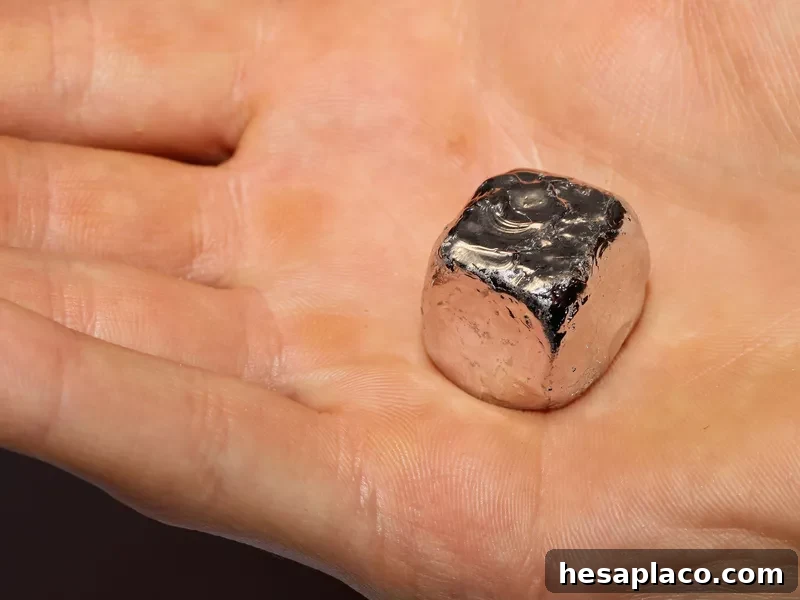
Alchemist-hp / Wikimedia Commons
Rhodium’s low annual production and critical role in emission control technology create supply vulnerability and high prices. Geographic concentration of production and the complexity of recovery add to its strategic value.
2. Osmium
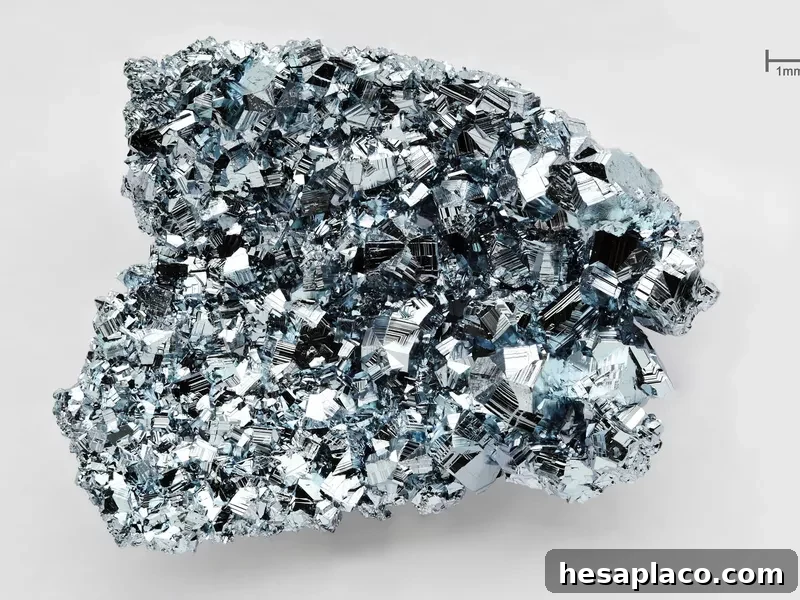
Alchemist-hp / Wikimedia Commons
Price per kilogram: $1,400,000
Osmium is one of the rarest metals and is typically alloyed to produce extremely hard, wear-resistant components like electrical contacts and precision bearings. It performs well in extreme-temperature environments and has a very high density and melting point.
What Makes Osmium So Valuable
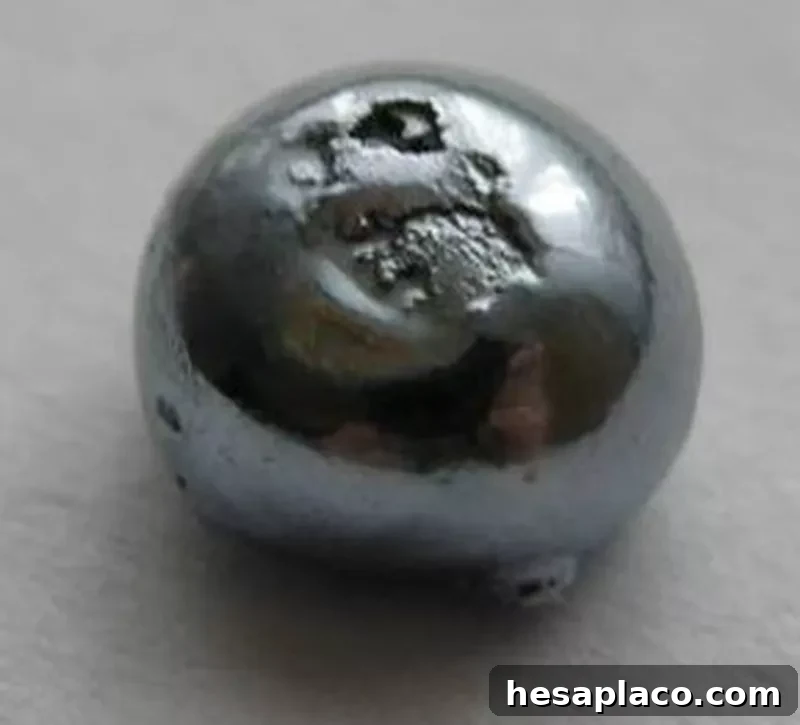
Tomihahndorfderivative / Wikimedia Commons
Osmium’s rarity—recovered as a byproduct of nickel and copper processing—and its unique physical properties make it highly valuable for specialized industrial uses. Annual production volumes are extremely small.
1. Plutonium
U.S. Department of Energy / Wikimedia Commons
Price per kilogram: $6,490,000
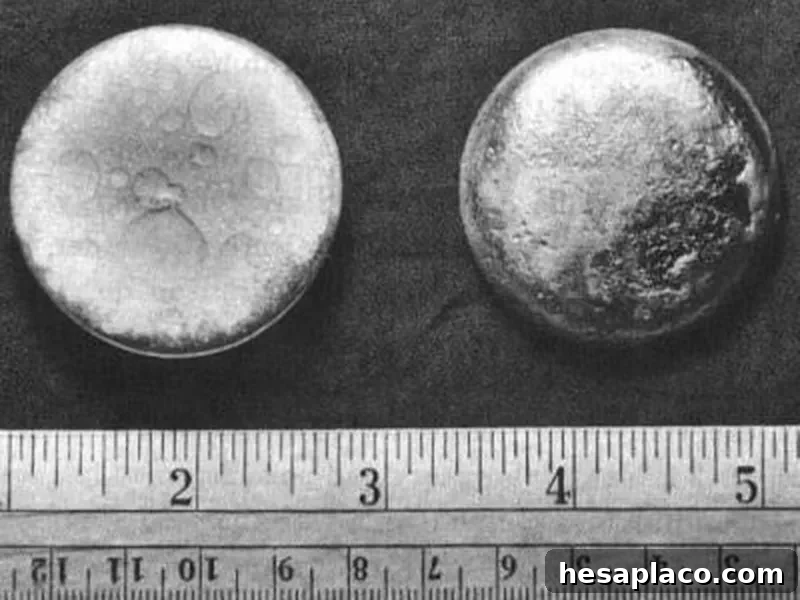
Plutonium is a highly radioactive actinide used in nuclear fuel and weapons and as a heat source in radioisotope thermoelectric generators that power deep-space probes and rovers. It is produced when uranium is irradiated in nuclear reactors and is strictly regulated due to its radiological hazards and security implications.
What Makes Plutonium So Valuable
Getty Images
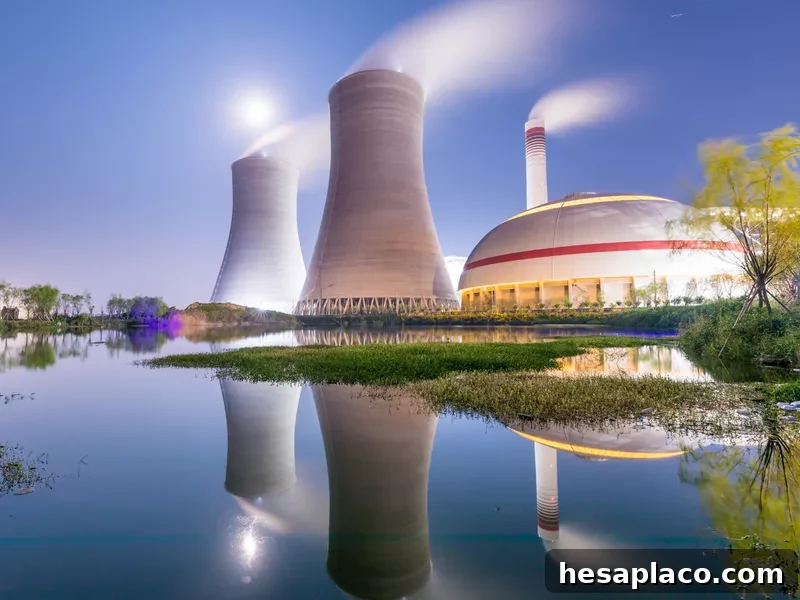
Natural plutonium is effectively absent outside trace amounts in uranium ores; most plutonium is produced in reactors. Its rarity, restricted uses and the complex regulation and handling requirements make it extremely expensive. Only limited quantities are produced annually, and stringent controls limit commercial availability.
Prices cited are approximations and reflect market conditions at the time of sourcing; metal prices fluctuate regularly. Uses and availability described are based on established industrial, scientific and technological applications without introducing unverified claims.