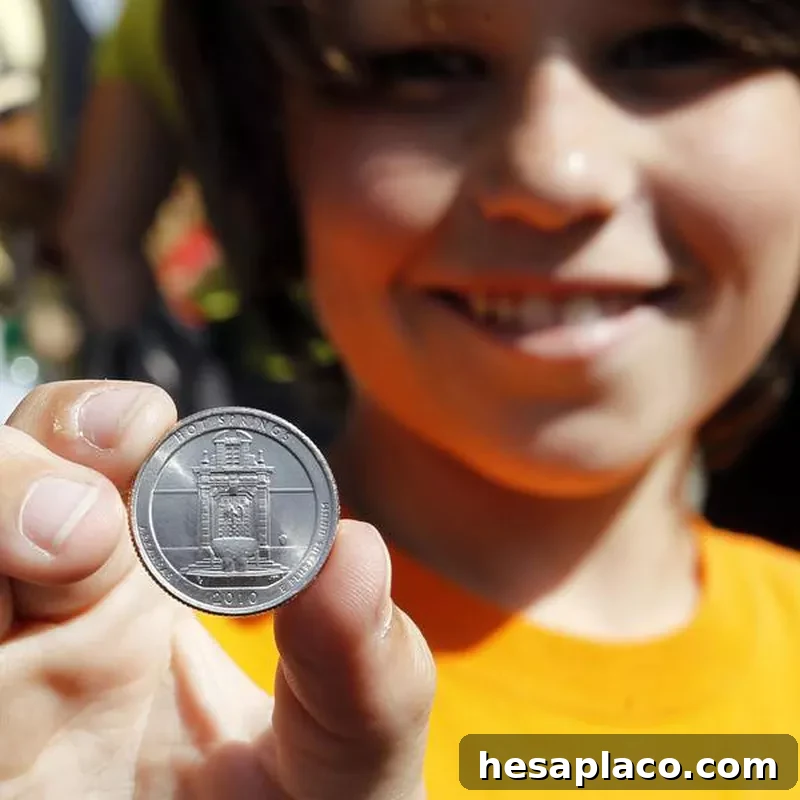
Maybe you’ve heard about a single coin that sold for $1 million. Perhaps you uncovered a coin from the 1800s or earlier, or inherited a box of mixed coins. How do you tell which coins have real value, and once you find a valuable old coin, what are the best ways to sell it?
Identifying valuable coins isn’t as daunting as it might seem. Make a habit of examining the coins you come across. If you know what an everyday coin looks like, you’ll more easily spot the ones that differ. Set those aside for a closer look when you have time.
It’s unlikely a random coin in your pocket is worth a fortune, but an inherited or accumulated collection may contain pieces of significant value — and sometimes a complete set can be worth more together than individually. As Rod Gillis, education director at the American Numismatic Association (ANA), advises: “You have to look through every one of them.”
Below is a practical guide to investigating your coins, learning which are desirable to collectors, and how to proceed if you discover something valuable.
Consult the “Coin Bible”
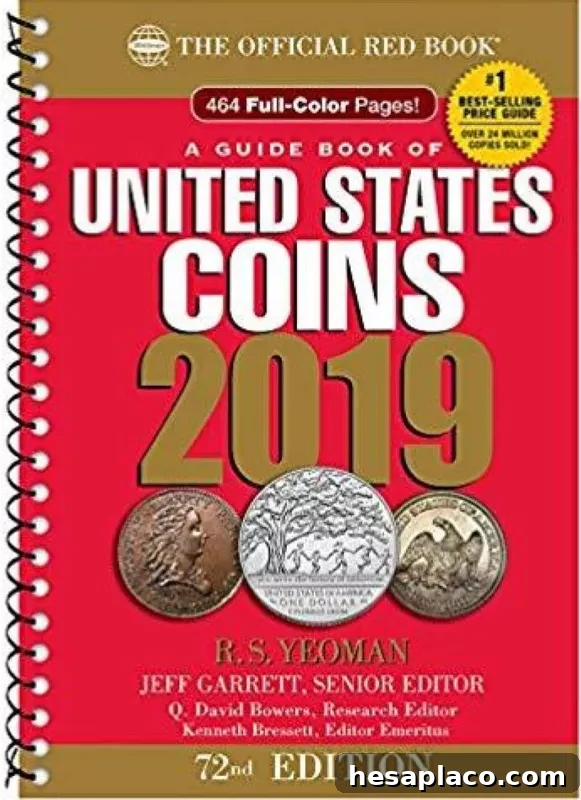
The annual A Guide Book of United States Coins — widely known as the “Red Book” — is a fundamental resource for collectors. It provides retail price estimates for U.S. coins based on grade, explains technical grading details in accessible language, and helps you form realistic expectations about value.
Gillis describes the Red Book as “the bible of United States coins,” adding that most serious collectors own a copy. It’s available in hardcover and spiral-bound editions; the spiral-bound edition is often cheaper and easier to use. Keep in mind the book lists retail values, not wholesale prices that dealers typically pay.
Look for Errors
Getty Images
Small anomalies can make a coin worth far more than face value. Check for die cracks, missing elements, doubling, weak strikes, or sections that failed to strike cleanly. Examine lettering and imagery edges closely; tilting the coin under light often reveals subtle flaws you might miss when viewing straight on.
Flip the coin top-to-bottom: the reverse side should align correctly; coins that are “out of rotation” are often slightly more collectible. Also inspect the edge for reeded patterns or edge lettering and verify they’re complete. Learn which errors are known for particular years and types so you can identify likely candidates quickly.
Check Mint Marks
Getty Images
Mint marks indicate where a coin was produced and can strongly influence value. On most modern U.S. coins the mint mark appears on the obverse; on some older issues the mark is on the reverse. Coins from Philadelphia often have no mint mark. Production numbers and rarity vary by mint, so knowing the mark helps determine desirability.
Common U.S. mint marks and locations include:
- Carson City, Nevada (1870–1893). Mint mark: CC
- Charlotte, North Carolina (1837–1861). Mint mark: C
- Dahlonega, Georgia (1838–1861). Mint mark: D
- Denver (1906–present). Mint mark: D
- New Orleans (1838–1909). Mint mark: O
- Philadelphia (1793–present). Mint mark: P or none
- San Francisco (1854–present). Mint mark: S
- West Point, New York (1984–present). Mint mark: W
Watch for Fakes
Getty Images
Extremely rare or unusual coins can attract counterfeit attempts. Some novelty or fraudulent pieces (for example, coins altered to appear double-headed) result from joining or altering coins — these “magician’s coins” may be visually interesting but usually lack collector value. If a coin seems implausibly rare or altered, have it examined by a knowledgeable expert before assuming it is valuable.
Do Your Research
Getty Images
There are no shortcuts: learn each coin’s history and characteristics. According to Gillis, three main variables determine a coin’s value: how many were minted, the grade or condition, and current demand. If forced to pick one, mintage (how many were produced) often matters most.
Collectors sometimes overestimate rarity. The ANA regularly fields calls from people who expect high values for common coins; realistic research and the Red Book will give you perspective before seeking professional appraisal or a sale.
Organize Your Collection
Getty Images
Begin by sorting coins by denomination, then by design type. Many denominations have undergone several design changes over the past two centuries. After separating design types, further sort by year, mint mark, and any discovered variants. For instance, some modern nickels with a prominent die gouge (the “speared buffalo” variety) can command higher prices.
Have Your Coins Appraised
Getty Images
You can bring a full collection to a dealer for appraisal, but many charge by the hour. To save time and fees, organize your coins and consult the Red Book first. This approach reduces the appraiser’s time and helps you identify common, low-value coins you can exclude from professional review.
Don’t Feel Obligated to Sell Immediately
Getty Images
Dealers who belong to the ANA follow a code of ethics, but you aren’t compelled to accept the first offer. Shopping around is sensible: different dealers have different inventories and customer needs, which affects what they’ll pay for a particular coin. One dealer’s lower offer may simply reflect his current stock, while another who needs that specific coin may offer more.
Don’t Clean Coins
Getty Images
Cleaning coins removes original luster and often reduces value. Collectors prize natural toning and original surfaces; inappropriate cleaning can harm the coin’s appearance and marketability. If you suspect a coin might be valuable, avoid cleaning it and seek expert advice first.
Store Coins Properly

Getty Images
Coins retain value when kept in mint or near-mint condition. Store them so they do not touch one another to prevent scratches. Use suitable holders such as Mylar flips, acid-free cardboard holders, folders, or albums. For more valuable pieces, consider professional encapsulation (“slabbing”) by a reputable third-party grading service.
Consider Having Coins Graded
Getty Images
Third-party grading services such as NGC and PCGS authenticate, grade, and encapsulate coins. Grading can boost confidence and marketability, but it carries costs, so it’s most appropriate for coins whose potential value justifies the fee. Before submitting coins for grading, know their estimated value so you can determine whether grading is cost-effective.
Handle Coins Carefully
Getty Images
When handling valuable coins, work over a padded surface to cushion accidental drops. Wash your hands and avoid food or drink nearby. Handle coins by their edges rather than the faces to reduce fingerprints and wear. If coins are kept in holders, minimize removing them to prevent scratches.
Old Doesn’t Always Mean Valuable
Getty Images
Age alone doesn’t guarantee high value. For example, many ancient Roman coins and some early U.S. issues are relatively common and affordable despite their age. Conversely, extreme rarity — such as the five known examples of the 1913 Liberty Head nickel — drives extraordinary prices. The Red Book and mintage records help separate genuinely scarce issues from common old coins.
Selling to a Dealer
Getty Images
Selling to a dealer is often the quickest and simplest route. Dealers provide immediate payment and handle the resale process, but they must cover business costs and will pay less than retail. Also, dealers may decline a bulk purchase if much of the collection is common low-value material.
Selling Coins on Your Own
Getty Images
Platforms like eBay can reach many buyers but require accurate descriptions, clear photos, and coin knowledge. Misleading or poor images can hide important details and invite disputes. If you lack experience, consider local coin clubs or community buyers first; the ANA maintains resources for finding clubs and local experts who can help assess and sell coins.
Selling at Auction
Getty Images
Auction sales can produce high prices for rare items, but they come with fees, lead times, and selective acceptance. Auction houses specializing in numismatics usually cherry-pick only the most desirable pieces. Sellers should weigh consignment fees, time until sale, and whether the expected return justifies auctioning smaller or more common items.
Complete sets often sell better than individual coins. Check the Red Book to see if your grouping constitutes a complete set and whether selling as a set might increase total value.
Consider Donating Coins
Getty Images
If some coins are worth more than face value but not enough to justify selling, donating is an option. Organizations such as the American Numismatic Association accept donations for museum or educational purposes, and various charities accept coin collections to sell for fundraising.
Most Valuable Coins: Pennies l Nickels l Dimes l Quarters