
Have you ever wondered what it would be like to live next to a billionaire? While proximity to immense wealth may seem glamorous, life beside the super-rich often brings hidden costs and unexpected challenges. Beyond manicured lawns and luxury cars, rising expenses, shifting community dynamics, and decreased privacy can make living near the wealthy far less idyllic than it appears. Below is a clear look at the practical downsides that commonly accompany affluent neighborhoods.
Property Taxes Skyrocket
Credit: pix4free
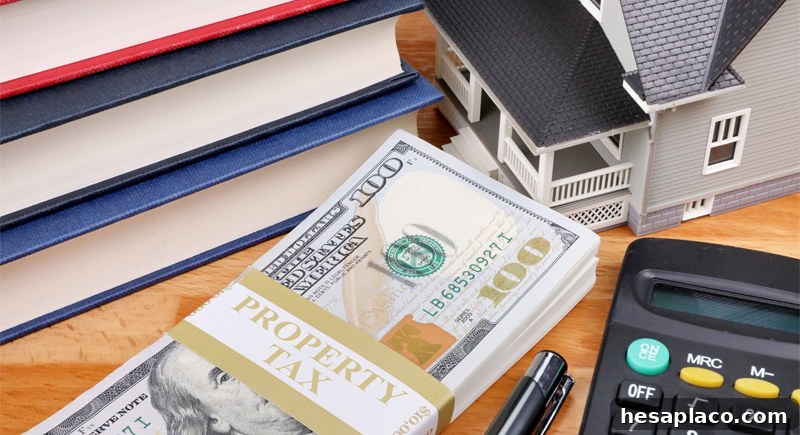
When high-end estates move into a neighborhood, nearby property values typically rise—and property taxes often follow. In affluent enclaves, tax bills can be significantly higher than regional averages. That means homeowners may find themselves paying much more simply because an upscale estate sits next door.
Cost of Living Increases

Credit: pexels
Local businesses often adjust prices to match wealthier customers. Grocery stores, restaurants, and service providers may increase rates, turning everyday purchases into budget challenges. A familiar neighborhood eatery can quickly become unaffordable as menus and retail prices cater to higher-income residents.
Privacy? What Privacy?

Credit: iStockphoto
The presence of celebrities and high-profile figures often attracts paparazzi, tour buses, and curious onlookers. In some coastal and celebrity-dense areas, public interest can turn quiet streets into tourist routes. Many residents find themselves investing in privacy measures to reclaim a sense of seclusion.
Community Dynamics Shift

Credit: pexels
As private clubs and exclusive venues appear to serve a wealthier clientele, the neighborhood’s inclusive, communal feel can fade. Public gatherings and local events may become more formal or exclusive, making it harder for long-time residents to participate in the same ways they used to.
Traffic and Congestion
Credit: pexels
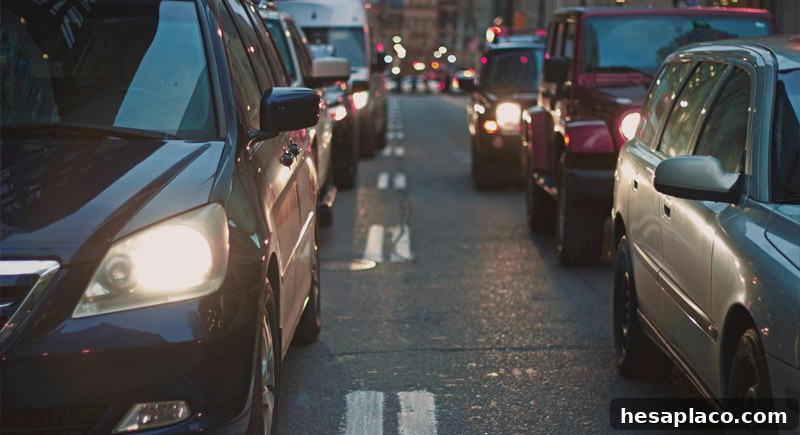
Luxury vehicles, service trucks, event setups, and construction related to new estates can create significant congestion. Even neighborhoods that once enjoyed easy commutes can face traffic headaches when upscale development accelerates, turning short drives into longer, more frustrating trips.
Noise Levels Rise

Credit: iStockphoto
Large parties, ongoing renovations, and frequent event logistics can produce steady noise. Areas known for nightlife or constant upgrades often leave little time for quiet, and many residents find themselves using noise-canceling solutions to cope with the disruption.
Inflation on Local Services

Credit: freepik
Demand for premium services encourages local providers to raise prices. From landscapers and handymen to cleaners and caterers, service rates in affluent areas can be much higher, meaning routine maintenance and repairs become more costly for everyone in the neighborhood.
Increased Surveillance

Credit: pexels
Higher security needs often mean more cameras, private patrols, and gated entrances. While these measures can increase safety, they also contribute to a sense of living in a monitored environment, which some neighbors find intrusive.
Accelerated Gentrification
Credit: pexels
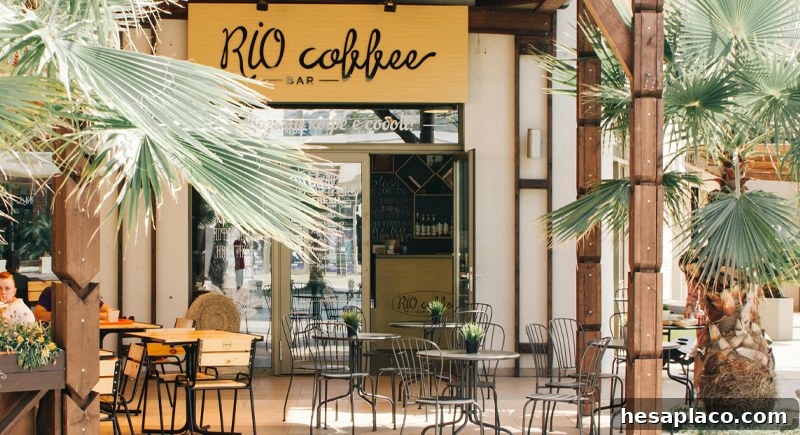
An influx of wealth can rapidly change a neighborhood’s character. Long-standing local businesses, historic buildings, and cultural landmarks may give way to boutique shops and upscale dining. While development can bring investment, it can also erase the local character many residents cherish.
Pressure to Keep Up

Credit: pexels
Subtle social pressures can emerge as residents try to match appearances or lifestyles. Neighbors may feel compelled to renovate homes, upgrade vehicles, or spend more on landscaping to fit the neighborhood standard, adding financial strain and social anxiety.
Restricted Access to Amenities

Credit: pexels
Some amenities may become privatized or limited to residents and members, reducing public access to parks, beaches, and recreational areas. Favorite public spaces can become restricted, prompting people to seek new places to relax and spend time outdoors.
Insurance Costs Increase

Credit: pexels
Higher-value homes and increased risk profiles can drive up home insurance premiums. In upscale neighborhoods, insurance for comparable properties may cost substantially more than in modest areas, adding another long-term expense for homeowners.
Schools Can Become Exclusive

Credit: pexels
Public schools in affluent areas may adopt private-school-like practices, emphasizing fundraising, exclusive programs, and donor-driven priorities. Families who cannot contribute large sums may find themselves relegated to the margins of school activities and influence.
Economic Displacement
Credit: pexels
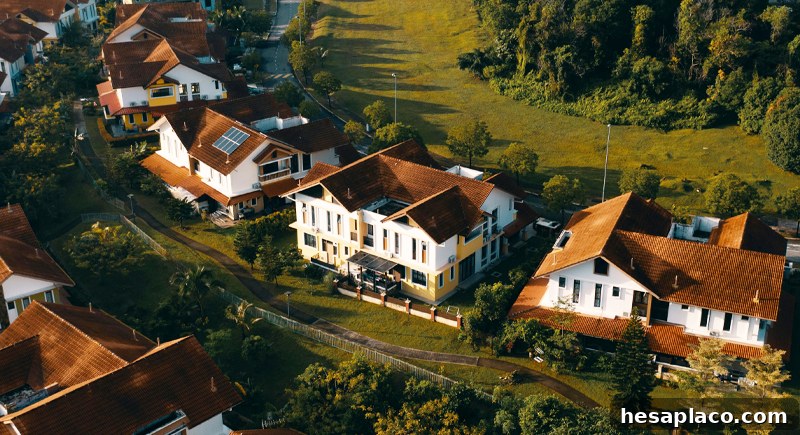
Rising costs can push long-time residents and small businesses out, altering the social and economic makeup of a neighborhood. Displacement often follows rapid increases in housing and living costs, forcing many to find more affordable communities elsewhere.
Loss of Community Spirit

Credit: pexels
As fences, gates, and private spaces become more common, the warmth of neighborly interaction can fade. Communities once characterized by familiarity and mutual support may become polite but distant, leaving some long-time residents nostalgic for the past.
Living next to extreme wealth brings trade-offs. While well-funded neighborhoods can offer improved infrastructure and amenities, they also create financial pressures, social shifts, and lifestyle changes that aren’t always visible at first glance. Weighing the benefits and costs carefully can help you decide whether the prestige of an affluent neighborhood is worth the hidden price.