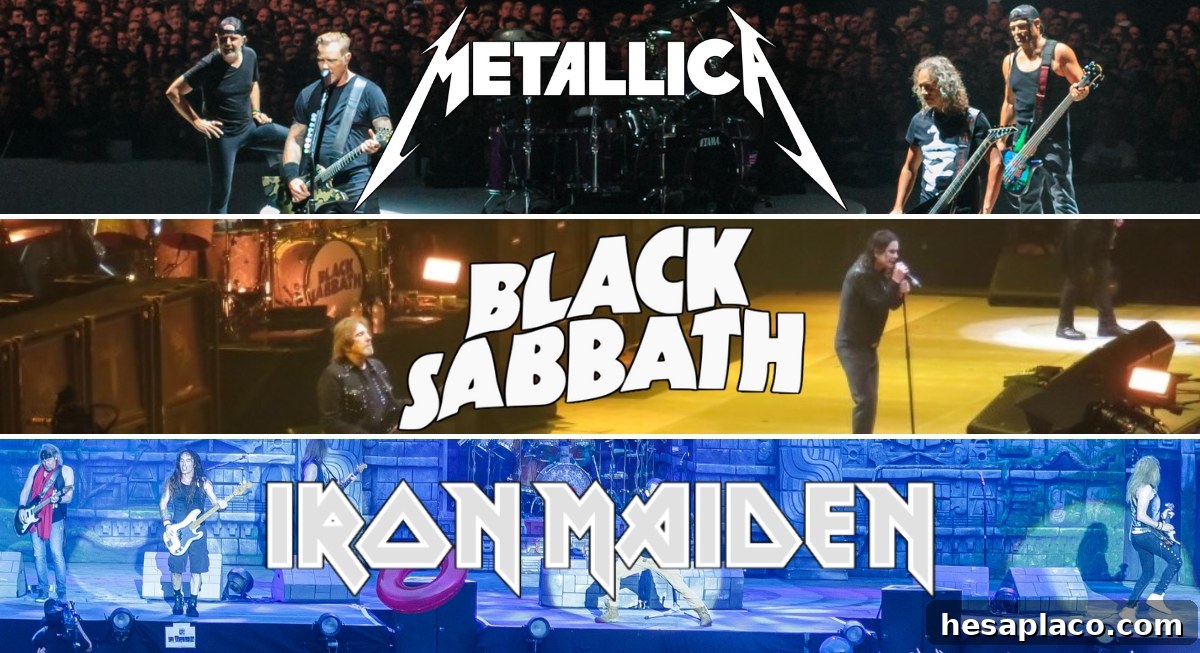
Who says headbanging can’t pay the bills? Over the decades, some heavy metal bands have turned thunderous riffs and sold‑out arenas into substantial fortunes. These artists have built diversified revenue streams—from record sales and massive tours to merchandise, licensing, and brand partnerships—proving that heavy music can be highly profitable. Below is a look at several of the most financially successful metal acts and the key factors behind their earnings.
Metallica – $1 Billion

Credit: Wikimedia Commons
Metallica’s financial clout is unmatched in the genre. Since forming in 1981, the band has sold well over 100 million records worldwide; the Black Album alone moved more than 16 million copies in the U.S. Major global tours—highlighted by the WorldWired trek that reportedly grossed around $430 million—combined with lucrative merchandising, licensing, and catalog earnings have pushed their cumulative worth to roughly $1 billion.
Slipknot – $120 Million

Credit: Wikimedia Commons
Slipknot’s masked image, intense live shows, and devoted fanbase have translated into consistent revenue. Arena and festival performances, major tours such as We Are Not Your Kind, and a steady stream of merchandise and special releases have built the band’s value to an estimated $120 million despite lineup changes and side projects.
Iron Maiden – $150 Million

Credit: Wikimedia Commons
Iron Maiden’s theatrical shows and global appeal have kept them financially strong. The Legacy of the Beast tour alone reportedly grossed over $100 million. With more than 100 million albums sold worldwide and extensive merchandising—including branded beverages, apparel, and high‑profile promotional tie‑ins featuring their mascot Eddie—the band’s estimated net worth sits near $150 million.
Mötley Crüe – $250 Million

Credit: Wikimedia Commons
Mötley Crüe has leveraged a notorious image and enduring catalog into long‑term financial success. Dr. Feelgood helped cement their commercial standing, and reunion tours have continued to draw huge crowds. The autobiographical film adaptation of The Dirt and ongoing licensing deals have further expanded their revenue, contributing to an estimated net worth of about $250 million.
Tool – $200 Million

Credit: Wikimedia Commons
Tool’s unconventional approach—minimal press interaction, long gaps between albums, and an emphasis on immersive, high‑production shows—has created high demand for each release and tour. Fear Inoculum broke streaming records for progressive metal, and sellout tours consistently boost ticket and merchandise sales, bringing the band’s estimated worth to around $200 million.
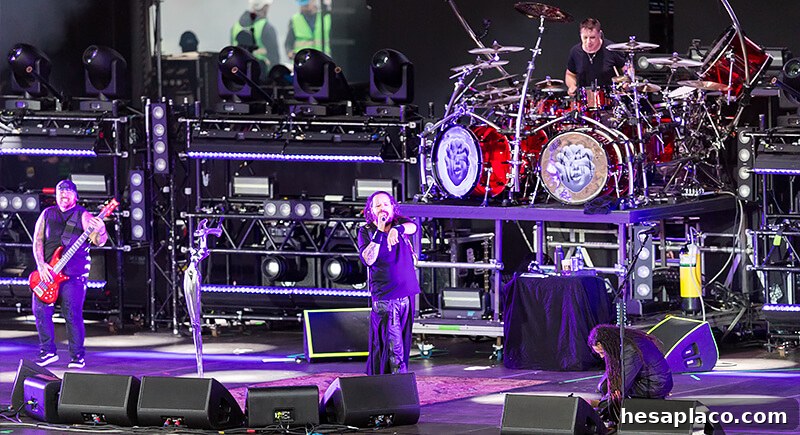
Korn – $120 Million
Credit: Wikimedia Commons
Korn helped bring nu metal into the mainstream in the late 1990s. Albums like Follow the Leader and consistent MTV presence helped build a broad audience. Continued touring, festival appearances, and merchandise sales have maintained steady income streams that contribute to a net worth estimated at $120 million.
Black Sabbath – $220 Million

Credit: Wikimedia Commons
Black Sabbath’s pioneering role in heavy metal established a catalog that continues to generate income through sales, licensing, and touring. Paranoid and other early albums sold millions, and their final run, The End tour, grossed substantial sums. Licensing for films, games, and other media, along with individual members’ projects, have helped push their combined worth to about $220 million.
Judas Priest – $100 Million

Credit: Wikimedia Commons
Judas Priest has remained a steady presence in metal across decades, with strong album sales, regular festival headline slots, and ongoing merchandising. With a durable fanbase and continued touring, their estimated net worth is around $100 million.
Megadeth – $85 Million

Credit: Wikimedia Commons
Megadeth’s consistent output and influential albums—such as Rust in Peace—have kept them relevant and financially solid. Dave Mustaine’s leadership and years of prominent touring have maintained the band’s profile, catalog value, and merchandise sales, resulting in an estimated net worth near $85 million.
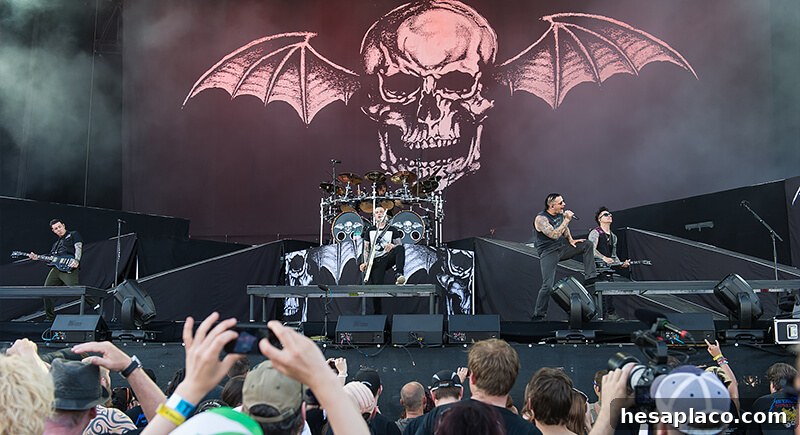
Avenged Sevenfold – $100 Million
Credit: Wikimedia Commons
Avenged Sevenfold built commercial momentum with albums like Nightmare and sustained it through extensive international touring and a strong merchandising strategy. Their ability to pack arenas in Europe, Asia, and North America has helped push the band’s estimated value to around $100 million.
System of a Down – $70 Million

Credit: Wikimedia Commons
System of a Down has managed to retain significant value despite extended periods of limited activity. Albums like Toxicity continue to stream heavily, and occasional reunion shows and licensing deals deliver lucrative returns. Those intermittent but high‑demand performances help maintain their estimated net worth at around $70 million.
Slayer – $45 Million

Credit: Wikimedia Commons
Slayer’s aggressive sound and relentless touring helped the band maintain steady earnings. Their final world tour in 2018 drew huge crowds and reportedly grossed around $10 million. Combined with album sales, merchandise, and licensing, Slayer’s legacy has been valued at approximately $45 million.
Anthrax – $39 Million
Credit: Wikimedia Commons
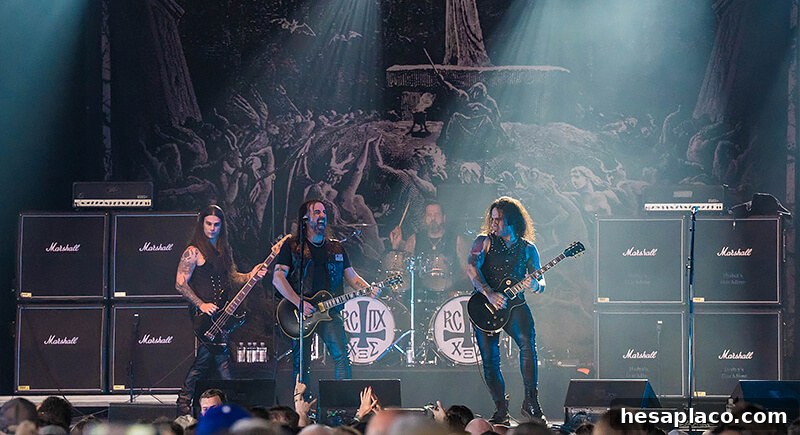
Formed in New York City in 1981, Anthrax became a pillar of thrash metal alongside peers like Metallica and Megadeth. Their steady touring, catalog sales, and licensing placements—including appearances in video games and television—have established a reliable revenue base. With more than a decade of studio albums and multiple Grammy nods, Anthrax’s net worth is estimated at about $39 million.
Pantera – $33 Million

Credit: Wikimedia Commons
Pantera elevated metal’s commercial possibilities in the 1990s. Their 1994 release Far Beyond Driven debuted at No. 1 on the Billboard 200—an uncommon achievement for a metal act—and their peak touring years included major runs with acts like Metallica and Slayer. Although the band split in 2003, ongoing merchandise sales, reissues, and streaming have kept their legacy profitable, with an estimated worth around $33 million.
These figures reflect how metal bands convert musical influence into sustained income through touring, merchandise, catalog monetization, and strategic licensing. While the industry continues to evolve, the most resilient acts prove that heavy music remains a powerful commercial force.